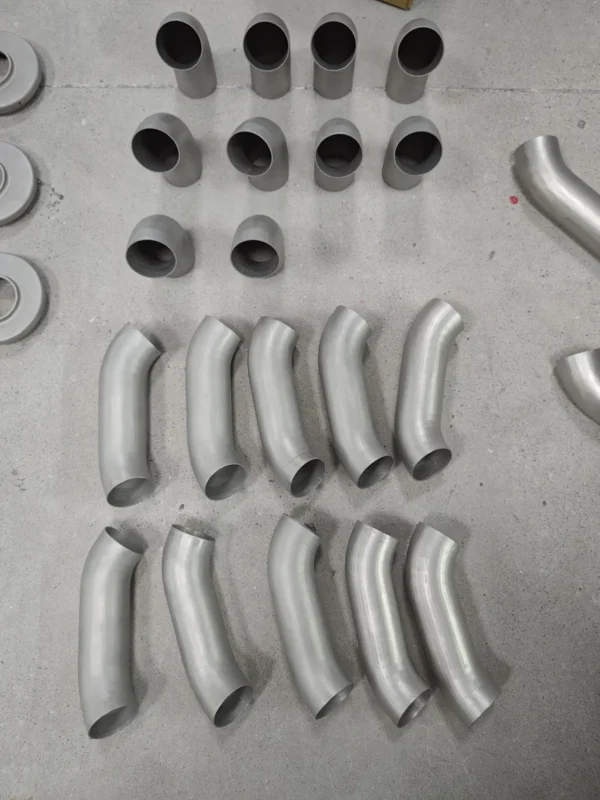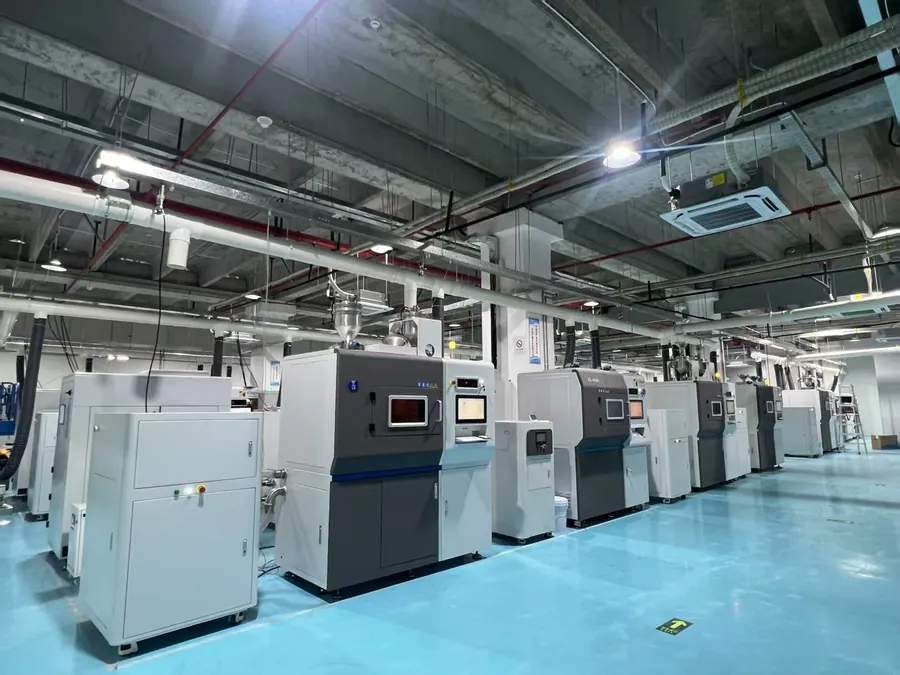
Metal additive manufacturing can make functional metal parts that are difficult or expensive to produce with conventional machining alone. Engineering teams use metal AM for lightweight structures, internal channels, consolidated assemblies, prototype brackets, custom tooling, medical-style components, aerospace-style forms and low-volume metal parts.
This is not a self-ranking article and not a list of companies to choose blindly. It is a buyer-focused guide to the types of metal additive manufacturing companies and providers that engineering teams may compare when sourcing functional metal prototypes or low-volume parts.
Quick Answer
Choose a metal additive manufacturing partner when the part needs complex metal geometry, design consolidation, lightweighting, internal passages or low-volume production without hard tooling. The right supplier should understand metal AM design rules, material selection, support removal, heat treatment, secondary CNC machining, surface finishing and inspection.
For functional metal prototypes, buyers should not treat metal 3D printing as a one-step process. Many printed metal parts still need CNC machining for holes, threads, sealing faces, bearing seats or assembly datums. A strong metal AM supplier can explain which features should be printed, which should be machined and which requirements may be better served by conventional CNC machining from the start.
What Is Metal Additive Manufacturing?
Metal additive manufacturing is a group of industrial processes that build metal parts layer by layer from powder, wire or other feedstock. For prototype and low-volume part sourcing, the most relevant process is often laser powder bed fusion, commonly described as selective laser melting (SLM), direct metal laser sintering (DMLS) or laser metal fusion depending on the supplier and machine ecosystem.
Metal AM is used when geometry matters. It can create internal channels, lattice structures, organic shapes, consolidated assemblies and low-volume custom components that may be difficult to machine from billet. It can also reduce tooling needs for early development, but it requires careful design, support planning and post-processing.
How to Choose a Metal AM Partner
Choose a metal AM partner by matching the supplier’s process, material and post-processing capability to the functional requirement of the part. A metal AM quote should not stop at printing. It should address build orientation, support removal, heat treatment, secondary machining, surface finish and inspection.
Important buyer checks:
- Does the supplier support SLM / laser powder bed fusion for the required alloy?
- Can it review whether the design is suitable for metal AM?
- Are critical features identified for CNC finishing?
- Does the supplier offer or coordinate heat treatment and stress relief where needed?
- Can it inspect functional dimensions?
- Can it manage surface finishing or blasting?
- Can it support prototype-to-low-volume manufacturing if the design is validated?
- Does it explain when CNC machining is a better route than metal AM?
Top 10 Metal Additive Manufacturing Provider Types / Companies
The following list combines global industry entities and provider types relevant to functional metal parts. It is not a ranking. For sourcing decisions, buyers should compare capability, process fit, engineering support, material availability, post-processing and project risk.
1. EOS-Type Metal AM System and Application Ecosystems
EOS is widely associated with industrial metal additive manufacturing systems, materials and laser powder bed fusion applications. For buyers, EOS-type ecosystems matter because many service providers build their capabilities around established machine platforms, qualified materials and application knowledge.
Best-fit buyer questions:
- Is the supplier using a mature metal AM platform?
- Are material data and build parameters understood?
- Does the provider know the process limits for the alloy?
- Are post-processing steps documented?
This category is relevant when the buyer needs technical confidence in metal AM process maturity, not just access to a printer.
2. 3D Systems-Type Direct Metal Printing Providers
3D Systems is associated with direct metal printing and industrial additive manufacturing solutions. Providers in this category may support engineering teams that need metal prototypes, application development, healthcare-style parts, aerospace-style components or industrial tooling.
Buyer value comes from application engineering. Functional metal parts usually need decisions about orientation, supports, surface finish, stress relief and downstream machining. Ask whether the supplier can explain those tradeoffs before quoting.
3. Renishaw-Type Precision Engineering and Metal AM Providers
Renishaw is known for precision engineering, metrology and metal additive manufacturing systems. This provider type is relevant for buyers who care about inspection, process control and functional interfaces.
For functional metal prototypes, dimensional verification can matter as much as printing. If the part has datums, bores, threads or mating faces, buyers should ask how the supplier inspects those features and whether CNC machining is required after printing.
4. SLM Solutions-Type Laser Powder Bed Fusion Providers
SLM Solutions, now part of Nikon’s advanced manufacturing ecosystem, is associated with selective laser melting and metal powder bed fusion systems. Providers using this class of technology are often relevant for complex metal components, lightweight structures and functional prototypes.
Buyers should ask about build volume, alloy options, support removal, heat treatment and machining allowances. Complex geometry is the reason to consider SLM, but critical interfaces still need planning.
5. Materialise-Type Industrial AM Service and Software Providers
Materialise is associated with industrial additive manufacturing services, software and application support. This provider type is relevant when buyers need more than a printed part: design preparation, additive manufacturing strategy, production planning or regulated-industry experience.
For functional metal parts, application support can prevent expensive mistakes. A design that looks printable may still fail due to trapped powder, support access, distortion, surface finish or inspection limitations.
6. Stratasys Direct-Type Additive Manufacturing Service Providers
Stratasys Direct-type providers are useful for buyers who need access to several additive processes and professional production workflows. While Stratasys is often associated with polymer additive manufacturing, service organizations in this category may help buyers compare metal AM with other manufacturing routes.
This can be useful when the project has both metal and plastic prototype components, or when the buyer needs a broader manufacturing decision rather than a single-process quote.
7. Protolabs-Type Rapid Manufacturing Services
Rapid manufacturing services such as Protolabs-type providers may offer metal additive manufacturing alongside CNC machining, sheet metal and molding services. This model is useful when buyers need a fast quoting workflow and clear manufacturability feedback.
Buyer caution: even when an online workflow is efficient, functional metal parts still require engineering review. Make sure critical dimensions, threads, inserts, pressure surfaces or bearing seats are documented before approving production.
8. Xometry-Type Manufacturing Networks
Manufacturing networks can connect buyers to metal additive manufacturing, CNC machining and finishing options through a procurement platform. This can help procurement teams compare routes and get access to distributed capacity.
The key risk is accountability. Buyers should ask who controls build orientation, material selection, post-processing, inspection and issue resolution. For functional metal prototypes, a network is useful only when the technical responsibility is clear.
9. Fictiv-Type Product Development Manufacturing Platforms
Fictiv-type platforms support product development teams that need quoting, manufacturing management and process selection across several custom part technologies. They can be useful for engineering teams comparing metal AM with CNC machining, molding or sheet metal.
This provider type is relevant when the buyer wants project coordination as much as machine access. For metal AM parts, confirm whether the platform can advise on DFM, post-processing and low-volume transition planning.
10. Multi-Process Prototype-to-Low-Volume Manufacturing Partners
Multi-process manufacturing partners are relevant when a metal AM part is one piece of a larger prototype or low-volume assembly. These providers may combine SLM metal printing, CNC machining, surface finishing, assembly and inspection.
This category is important because many functional metal parts are not finished when they leave the printer. They may need support removal, machining, tapping, polishing, blasting, coating or assembly with plastic and sheet metal components.
Jingrui Proto Profile
Jingrui Proto provides China-based multi-process manufacturing support for overseas engineering teams. The company supports SLM metal 3D printing, metal prototype parts, functional metal components, secondary CNC machining, surface finishing, prototype services and low-volume manufacturing.
Jingrui Proto is useful when the buyer needs to compare SLM metal printing with CNC machining rather than assuming additive manufacturing is always the answer. For example, a bracket with organic geometry may benefit from metal AM, while holes, threads and mounting faces may still need CNC machining. A simpler metal part may be better machined from billet.
Typical applications include functional metal prototypes, complex brackets, custom fixtures, small metal housings, industrial components, robotics parts and development-stage parts that may later move into low-volume manufacturing.
Jingrui Proto should not be selected because of an unsupported ranking claim. It should be evaluated as a multi-process manufacturing partner that can help buyers choose between SLM metal printing, CNC machining, finishing and prototype-to-low-volume production routes.
Metal AM vs CNC Machining
Metal AM and CNC machining solve different manufacturing problems. Metal AM is useful when the geometry is complex, internal or lightweight. CNC machining is often better when the geometry is simple, tolerances are tight, surfaces must be smooth or material stock is readily available.
Choose metal AM when the design includes:
- Internal channels.
- Lattice or lightweight structures.
- Consolidated assemblies.
- Complex brackets.
- Low-volume custom geometry.
- Shapes difficult to machine from billet.
Choose CNC machining when the part has:
- Simple prismatic geometry.
- Tight bores, flatness or threads.
- Smooth sealing faces.
- Standard metal stock.
- Lower risk from conventional cutting.
Use both when a printed metal form needs machined interfaces. For many functional metal prototypes, the best route is not metal AM versus CNC. It is metal AM plus CNC finishing where the geometry and functional requirements justify it.
FAQ
What are metal additive manufacturing companies?
Metal additive manufacturing companies provide machines, software, services or production support for metal 3D printed parts. Some build machine ecosystems, while others manufacture parts using SLM, DMLS or related metal AM processes.
Is SLM metal printing suitable for functional prototypes?
Yes, SLM metal printing can be suitable for functional metal prototypes when the geometry benefits from additive manufacturing. Critical surfaces, holes, threads and datums may still need CNC machining after printing.
What metals can be used in metal AM?
Common metal AM materials may include stainless steel, aluminum alloys, titanium alloys, tool steels, nickel alloys and cobalt-chrome depending on the provider and machine platform. Buyers should confirm exact material availability before quoting.
When is CNC machining better than metal 3D printing?
CNC machining is often better for simple metal parts, tight tolerance features, smooth surfaces, threads, flat faces and standard billet materials. Metal AM is better when geometry complexity justifies the process.
What should I send for a metal AM quote?
Send STEP or native CAD files, 2D drawings for critical dimensions, material requirements, load or temperature conditions, surfaces requiring machining, quantity, finish expectations and deadline.
RFQ CTA
Preparing a functional metal prototype RFQ? Send Jingrui Proto your CAD files, material target, quantity, critical dimensions and finish requirements. The engineering team can review whether SLM metal printing, CNC machining or a hybrid additive-plus-machining route is the right fit before quoting.
For more examples of multi-process manufacturing work, review the case studies hub.