
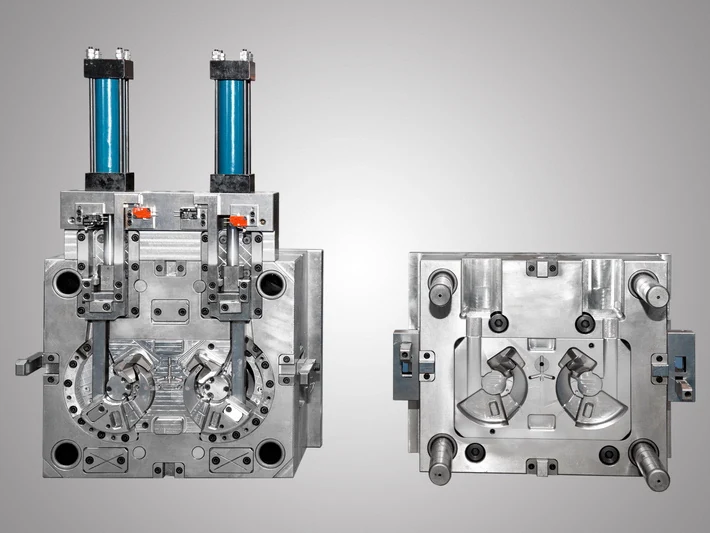
Injection Molding
Jingrui Proto supports plastic injection molding projects from DFM review and mold/tooling preparation through molded-part review, finishing, assembly-related work and quotation-ready production planning.
Injection Molding Capability Overview
Use this page to decide whether injection molding is the right next step for a plastic part. Jingrui Proto reviews tooling readiness, material intent, cosmetic expectations, assembly interfaces and repeat-production needs before quotation.
Mold and tooling review
Tooling strategy depends on design maturity, expected demand, part geometry, visible surfaces and future changes.
Material selection
ABS, PC, PP, nylon, acetal and TPU may be considered where suitable for the application and RFQ requirements.
DFM before tooling
Draft, wall thickness, ribs, bosses, undercuts, gates and parting lines should be reviewed before committing to a mold.
Post-processing
Painting, printing, inserts, heat staking and assembly-related work can be reviewed when the project requires secondary operations.
Injection Molding Process
A good injection molding RFQ is a manufacturing conversation, not just a file upload. The workflow below keeps tooling decisions connected to the final part requirement.
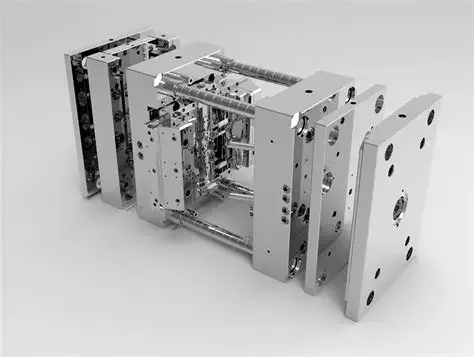
Mold Design & Tooling
Injection molding usually becomes practical when the design is stable enough for tooling decisions. Changes after tooling can affect cost and timing, so DFM review should happen before the mold route is locked.
Before tooling
Confirm part function, cosmetic faces, assembly interfaces, expected demand and tolerance-critical features before the mold route is selected.
During tooling review
Discuss parting line, gate location, ejector marks, undercuts, inserts and areas where the design may need adjustment.
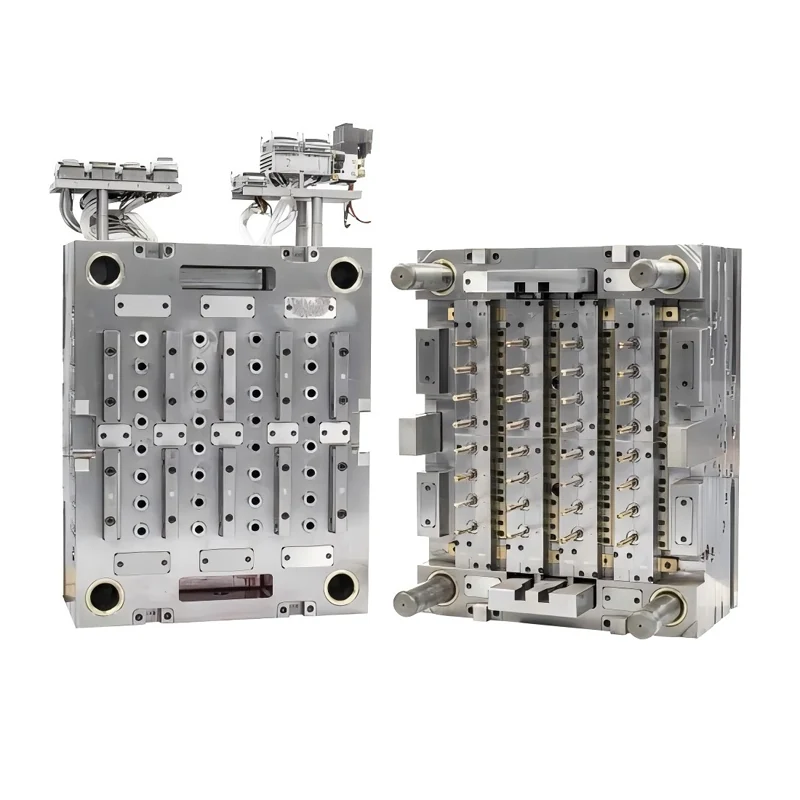
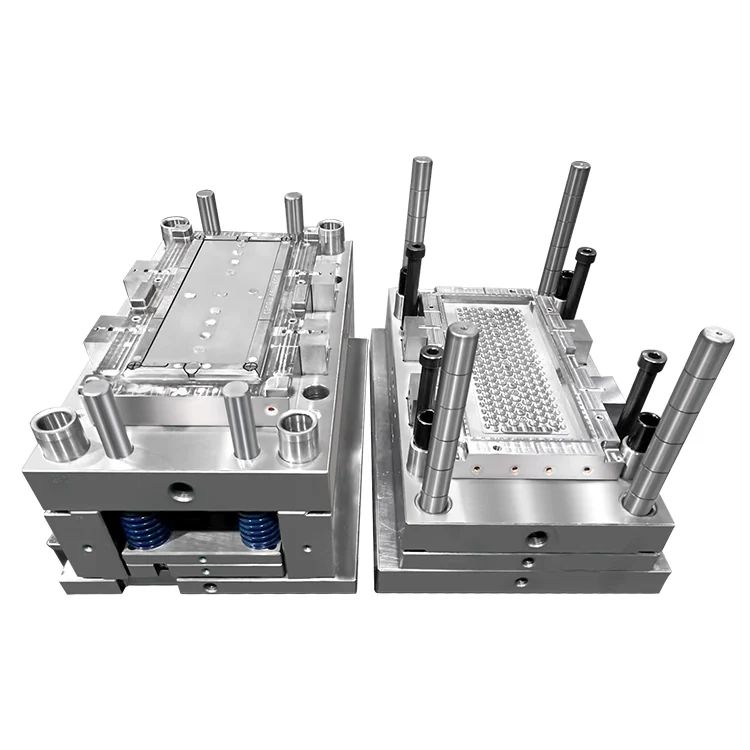
Materials for Molded Plastic Parts
Material choice should follow the part’s job: strength, rigidity, impact resistance, flexibility, appearance, operating environment, fastening method and assembly requirements. Exact grade selection should be confirmed during RFQ review.
Rigid housings and covers
Materials such as ABS, PC or related engineering plastics may be reviewed when appearance, stiffness and assembly behavior matter.
Functional components
For moving or loaded parts, share wear, load, temperature and fit requirements so material options can be reviewed realistically.
Flexible or soft-touch needs
Where flexibility or grip feel matters, note the target behavior and use environment instead of relying on a material name alone.
Injection Molding DFM Guidelines
These are practical DFM considerations, not universal numerical rules. The correct answer depends on part geometry, material, finish, tooling route and acceptance criteria.
Wall thickness
Uneven walls can create sink, warpage or filling risk. Mark areas where thickness changes are unavoidable.
Draft and texture
Draft helps molded parts release from the tool, especially around textured or deep surfaces.
Ribs, bosses and snap fits
Functional features should be reviewed for filling, strength, assembly and cosmetic effects.
Parting line and gates
Visible surfaces, gate marks and ejector locations should be discussed before tooling begins.
Finishing and Assembly
Injection molded parts often need more than molding. Color, visible surface, inserts, printing, heat staking and assembly expectations should be included in the RFQ so secondary operations are planned early.
Cosmetic finishing
Share color, gloss, texture, visible surfaces and sample references when appearance matters.
Inserts and fastening
Call out inserts, threaded features, heat staking, bonding or assembly interfaces in the drawing or notes.
Assembly-ready delivery
When parts must fit into a larger product, include mating components, critical dimensions and acceptance criteria.
Applications
Consumer products
Plastic housings, buttons, covers and appearance-sensitive components.
Automotive parts
Interior trim, covers, connectors and functional plastic components where project requirements are defined.
Medical and device housings
Non-clinical housings and enclosure parts where fit, appearance and assembly need review.
Industrial components
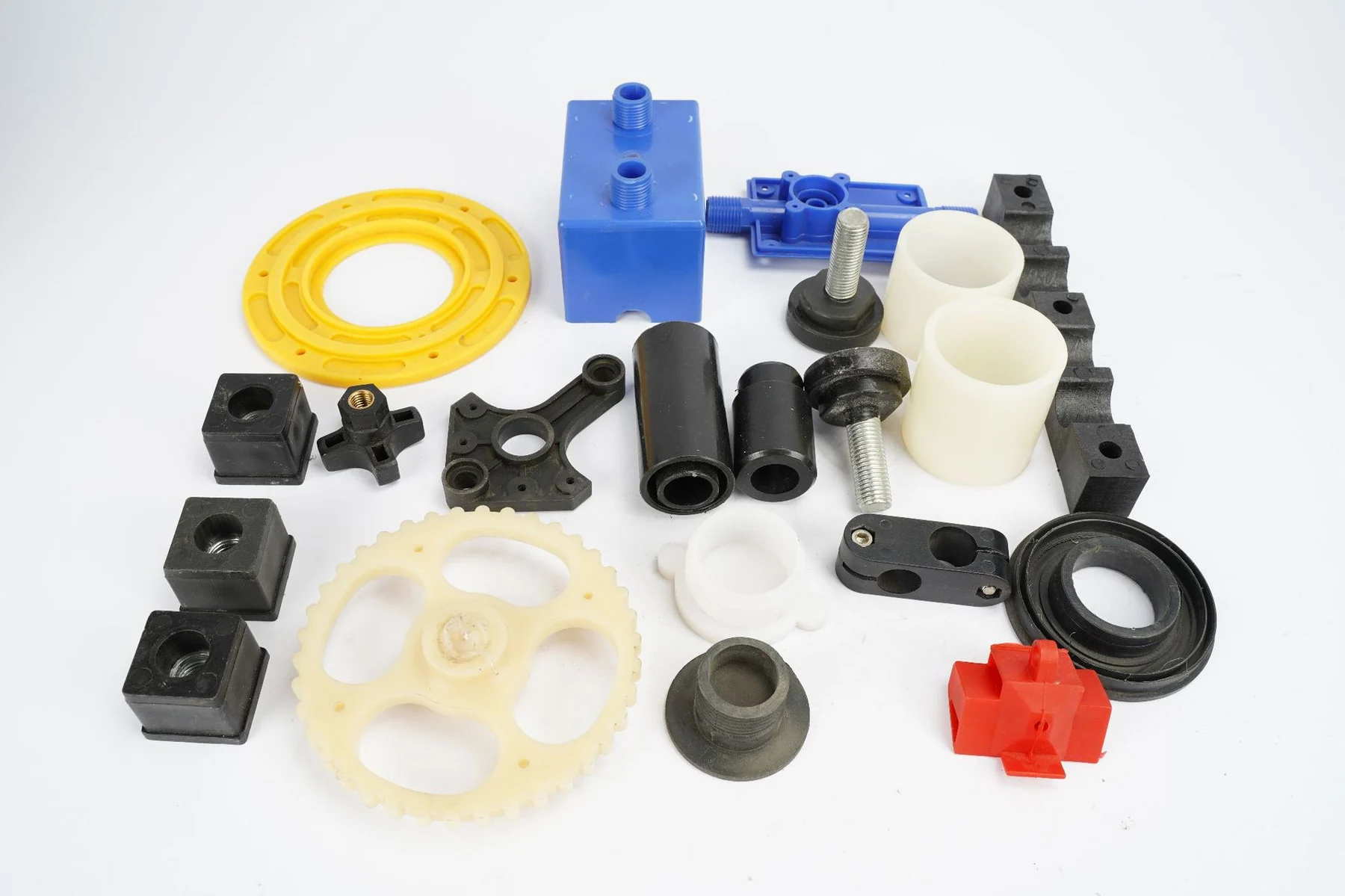
Plastic covers, brackets, gears, pulleys and functional components for equipment programs.
Prototype to Bridge to Production
Injection molding is one possible step in a broader product-development path. It is not always the first or only choice.
| Project stage | Useful process options | Buyer decision point |
|---|---|---|
| Early concept or fit review | 3D Printing or CNC Machining | Use when geometry may still change or material behavior needs early validation. |
| Plastic-like small batch | Vacuum Casting | Use when repeated appearance or assembly samples are needed before tooling is justified. |
| Tooling-ready plastic part | Injection Molding | Use when the design, quantity expectations and material intent are mature enough for mold review. |
| Repeat low-volume or production support | Low-Volume Manufacturing, finishing and assembly | Use when the project needs repeatable output and coordinated secondary operations. |
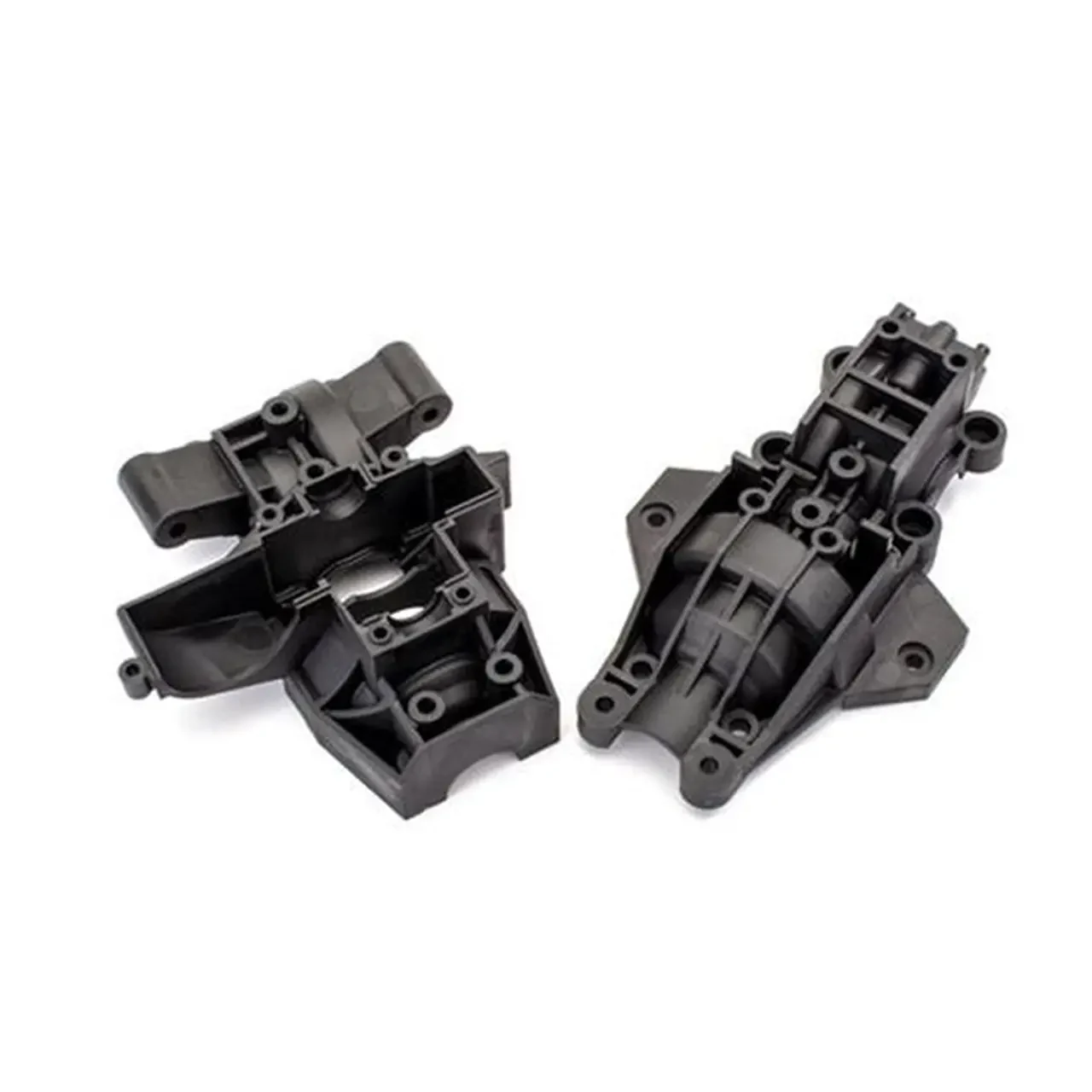
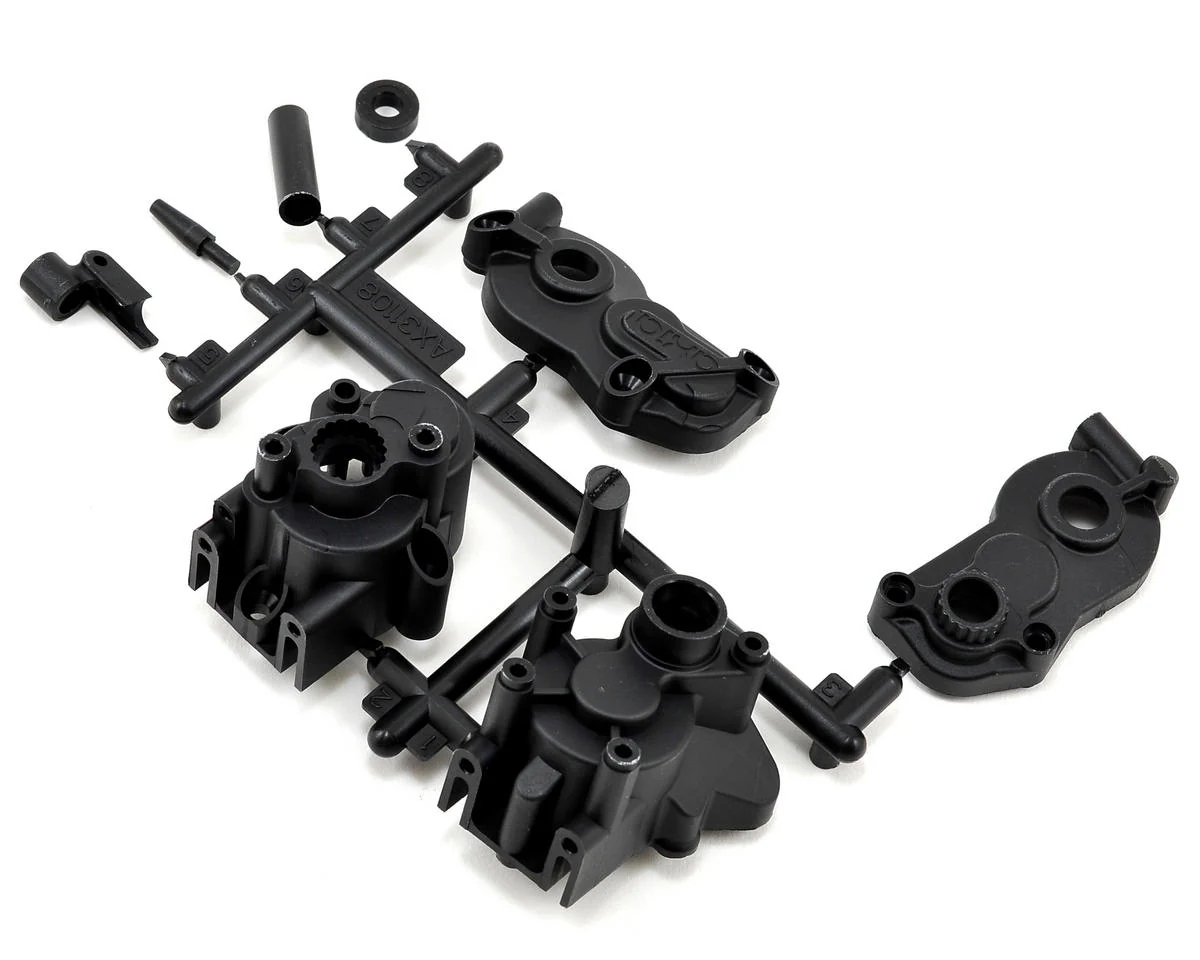
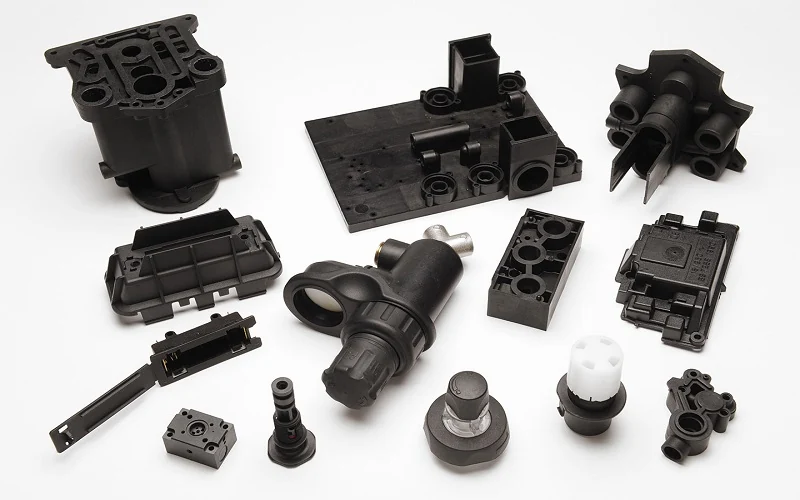
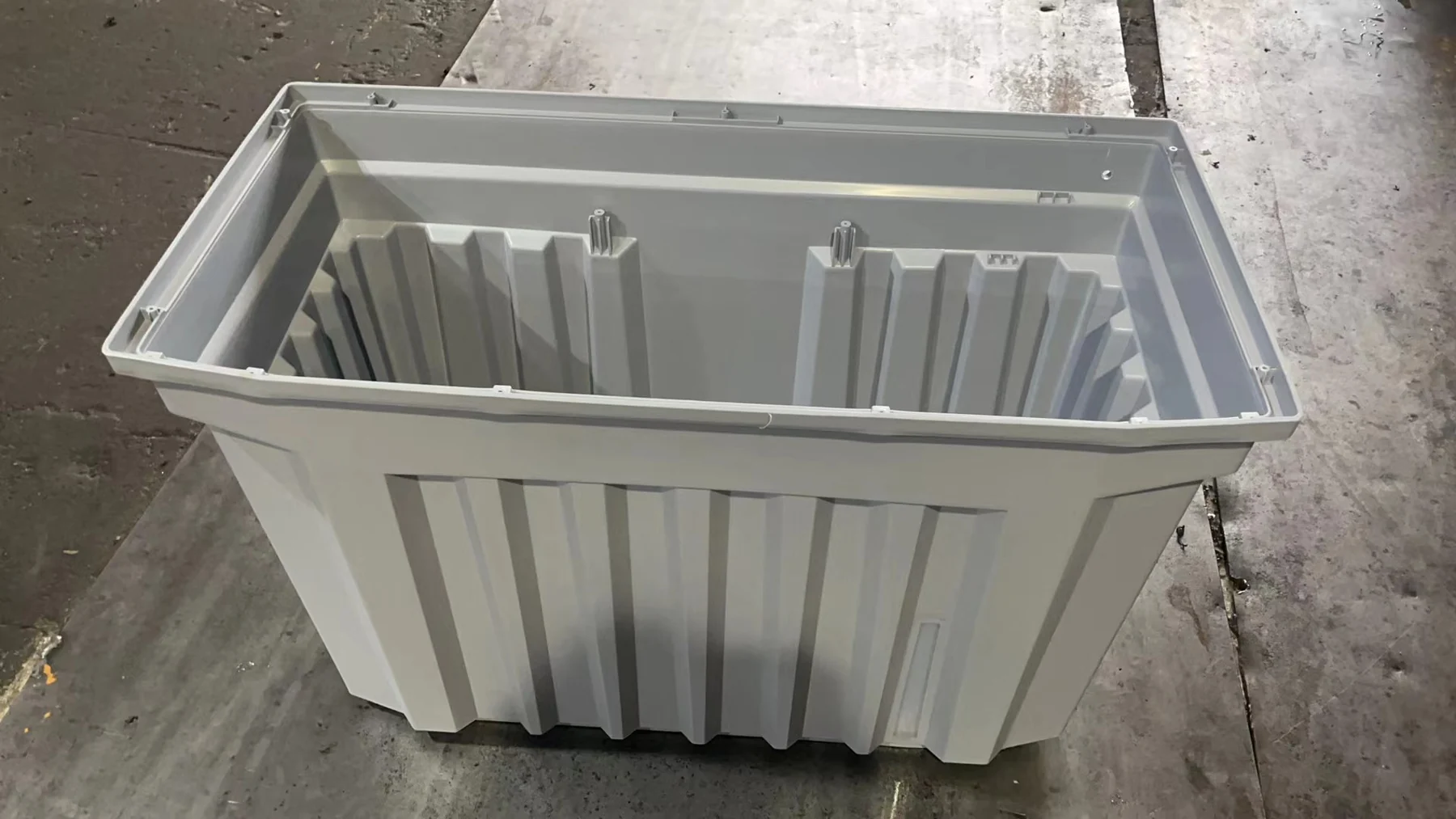
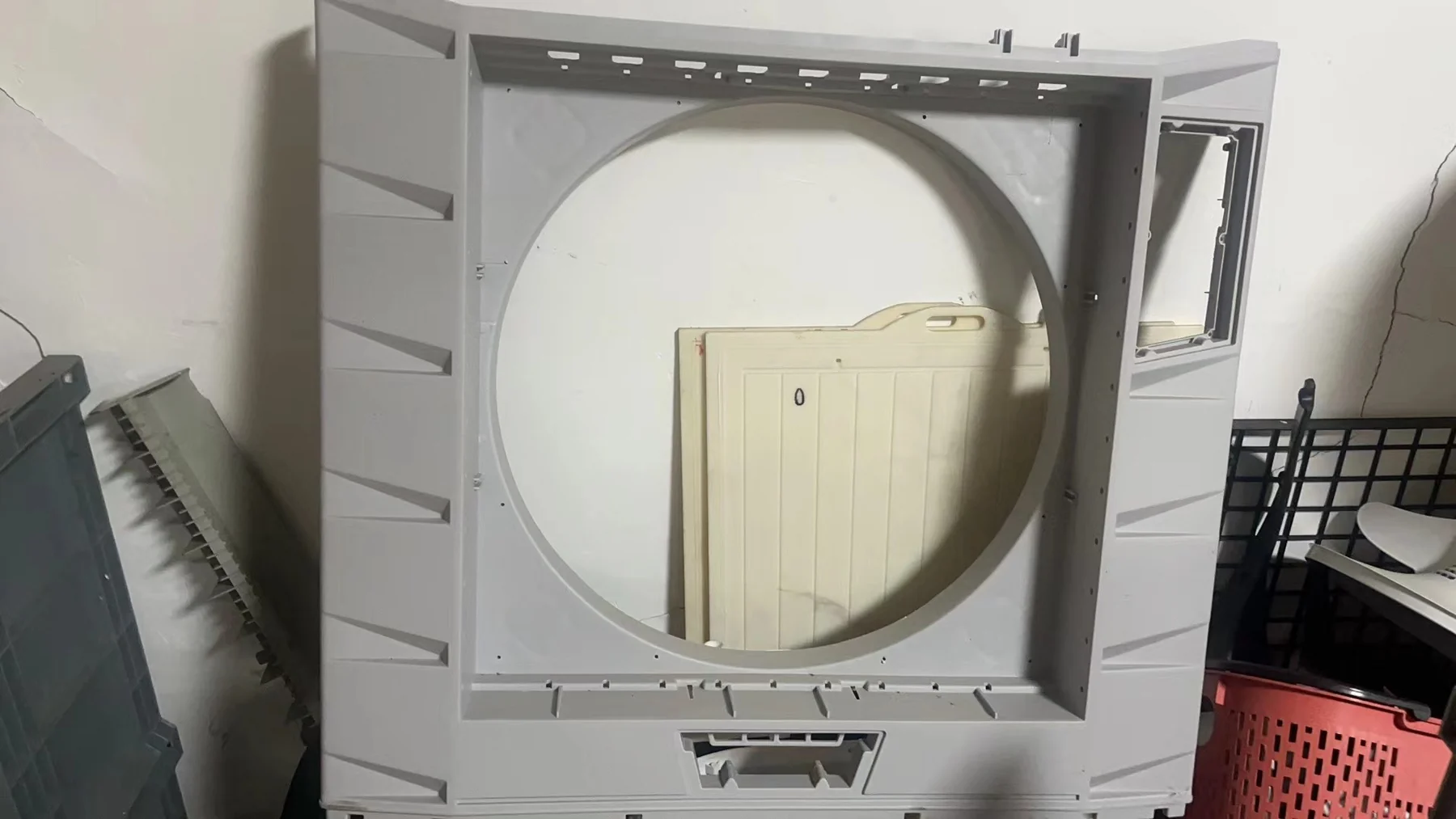
Real Molded Part Examples
Explore examples of molded plastic parts from Jingrui Proto’s historical manufacturing projects. These examples demonstrate a range of part geometries, molded components and integrated plastic features Jingrui Proto has supported.
Quality and Inspection Planning
Quality planning starts with the RFQ. Buyers should identify the dimensions, cosmetic surfaces, fit requirements and assembly interfaces that matter before tooling and molding are quoted.
Critical dimensions
Mark mating surfaces, holes, clips, bosses and interfaces that affect function or assembly.
Cosmetic standards
Clarify visible faces, color targets, texture expectations and acceptable marks before production review.
Part approval
Share how the part will be checked: fit, handling, assembly, appearance or repeat use.
Injection Molding vs Other Processes
| Process | Best fit | When to be careful |
|---|---|---|
| Injection Molding | Stable plastic designs that need tooling review, molded material intent and repeat production planning. | Premature if geometry, material, visible surfaces or demand are still uncertain. |
| Vacuum Casting | Plastic-like small batches, appearance samples and bridge production before mold tooling. | Not the same as final molded production resin or tooling economics. |
| 3D Printing | Fast geometry iteration, concept review and complex prototypes before tooling commitment. | Printed behavior may not match molded production material. |
| CNC Machining | Machined plastics or metals when material certainty, flatness, holes or threads matter. | May not represent molded surface, shrinkage or tooling constraints. |
Injection Molding RFQ Checklist
A complete RFQ helps Jingrui Proto review molding feasibility and quotation risk faster.
- 3D CAD file and 2D drawing if critical dimensions matter
- Target quantity and expected future demand
- Preferred material or target material behavior
- Color, texture, gloss and cosmetic-surface requirements
- Critical dimensions, mating parts and assembly notes
- Insert, fastening, heat-staking or bonding requirements
- Visible faces, gate-mark concerns and parting-line preferences
- Delivery destination and schedule constraints where relevant
FAQ
Choose injection molding when the plastic part design is mature enough for tooling review and the project needs repeatable molded parts rather than only early prototypes.
Vacuum casting can be useful for plastic-like small batches before tooling is justified. Injection molding becomes more relevant when molded material intent, tooling and repeat production are part of the plan.
Send CAD files, drawings when tolerances matter, target quantity, material or material behavior, finish, color, cosmetic surfaces, inserts and assembly requirements.
Yes. Jingrui Proto can review molding considerations such as draft, wall thickness, ribs, bosses, undercuts, parting lines, gates, ejector areas and cosmetic surfaces before quotation.
The existing service page references ABS, PC, PP, nylon, acetal and TPU. Final material selection should be reviewed against the application, appearance, assembly and environment requirements.
Inserts, heat staking, printing, painting and assembly-related requirements can be reviewed as part of the RFQ when the part or product needs secondary operations.
Tooling approach depends on design stability, part geometry, expected demand, material intent, visible surfaces and future revision risk. Avoid locking tooling before these details are clear.
Yes. Jingrui Proto can help buyers compare prototype routes, bridge processes, mold/tooling review, molded production, finishing and assembly-related work under one project conversation.
Request an Injection Molding Quote
Upload CAD files, drawings, target quantity, material intent, finish requirements and critical dimensions. Jingrui Proto can review DFM risk and prepare a quotation for mold/tooling and molded parts.