
Metal additive manufacturing for RFQ-ready buyers
Jingrui Proto provides SLM metal 3D printing for functional metal prototypes, low-volume metal parts and buyer projects that may need additive manufacturing plus secondary CNC machining.
This page is written for engineering and sourcing teams preparing a quotation package: CAD files, target material, critical dimensions, finish, quantity and inspection requirements.
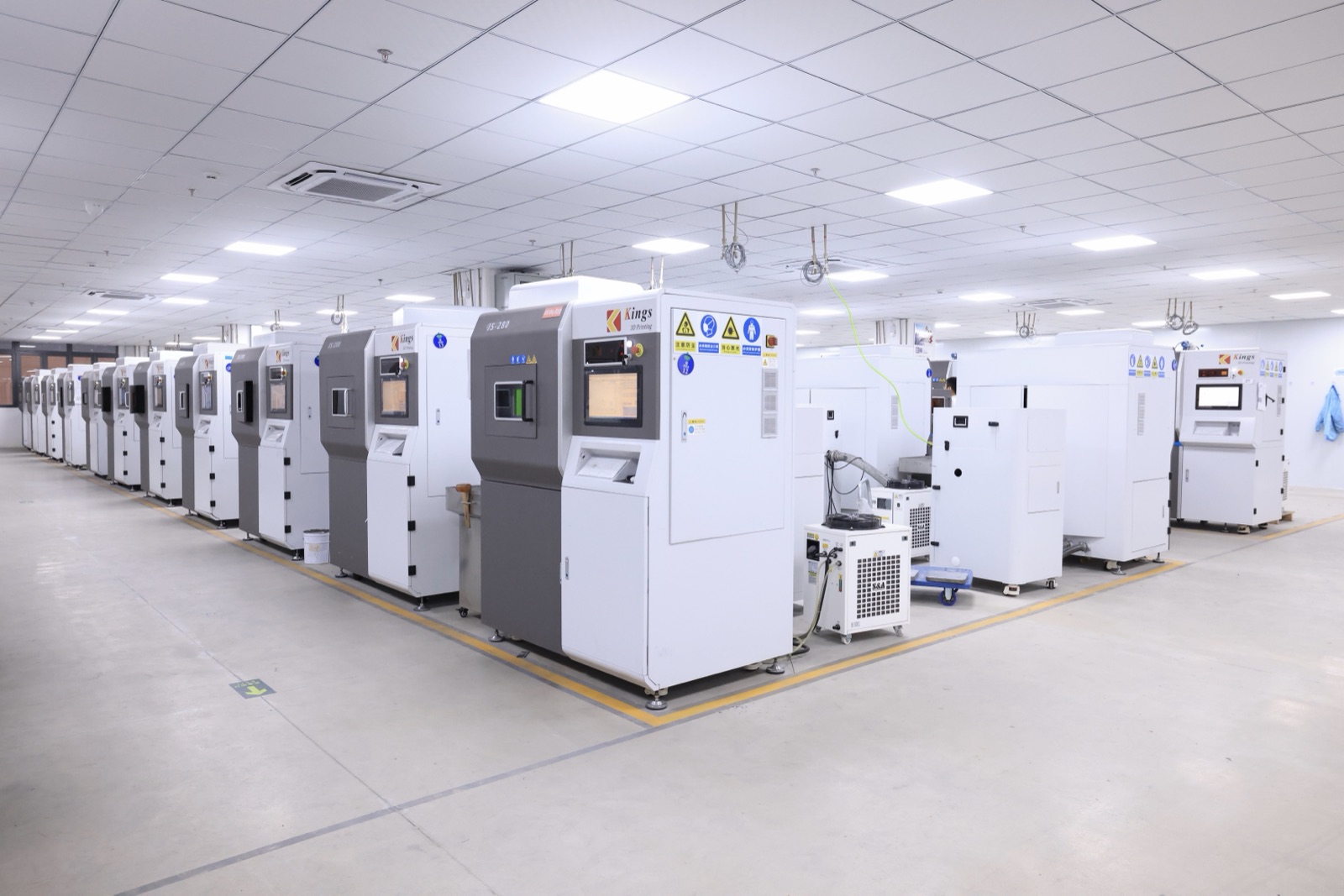
What Jingrui Proto Manufactures with SLM
SLM is useful when the metal part geometry, prototype quantity or design-validation stage makes conventional machining alone inefficient. Jingrui Proto uses SLM in buyer projects for complex metal prototypes, lightweight brackets, exhaust-related metal components and low-volume metal parts where CAD review, finishing and inspection planning matter.
Functional metal prototypes
Use SLM when the prototype needs real metal geometry for fit, assembly, packaging or functional review before a production route is finalized.
Complex low-volume parts
SLM can support metal geometry that would be difficult to machine as one piece, especially during validation or pilot quantities.
Additive plus CNC workflow
When required, selected interfaces, datum areas, holes, threads or mating faces can be planned for secondary CNC machining after printing.
When to Choose SLM Instead of CNC Machining
Choose SLM when additive geometry creates the manufacturing value: lightweight structures, internal forms, integrated shapes or low-volume metal components that are difficult to machine conventionally. Choose CNC machining when the part is straightforward from billet, when machined surface finish is the main requirement, or when the precision features dominate the design.
The two processes can also work together. SLM creates the complex metal form; CNC machining can then finish selected critical features when the RFQ requires controlled interfaces, datums, holes, threads or sealing faces.
| Buyer question | SLM may fit when… | CNC may fit when… |
|---|---|---|
| Geometry | The design has integrated, lightweight or hard-to-machine metal geometry. | The geometry can be cut efficiently from billet or plate. |
| Critical interfaces | Printing creates the form, then selected features can be machined if needed. | Most important features are machined surfaces, bores, threads or datum faces. |
| Production stage | The buyer is validating a metal design, prototype batch or low-volume requirement. | The design is stable and better suited to a subtractive route. |
Verified SLM Materials
Only materials verified by current Jingrui Proto case evidence are listed here. Common SLM materials that are not verified in current public evidence are intentionally excluded from this page.
| Material published on this page | Verified evidence | Buyer notes |
|---|---|---|
| 316L stainless steel | SLM 316L automotive exhaust end component case: 10 sets, recurring monthly supply, sandblasted without polishing. | Send CAD, quantity, finish and inspection requirements. No material certificate, heat treatment or mechanical-property claim is published from this case. |
| Aluminum alloy | Aerospace sensor bracket case: SLM metal 3D printing, aluminum alloy validation brackets, CNC datum finishing, bead blasting and inspection. | The public case does not publish the exact alloy grade, certification or test results. |
Design and RFQ Considerations
For an SLM quotation, the most useful buyer input is not a generic tolerance table. Jingrui Proto needs the actual CAD, material target, quantity, critical features and acceptance requirements so the manufacturing route can be reviewed around the real part.
- 3D CAD file, preferably STEP; include STL if already prepared.
- Target material and any material restrictions.
- Prototype, pilot batch, low-volume or recurring quantity.
- Critical dimensions, datums, mating faces, holes and threads.
- Surface finish, sandblasting, bead blasting, polishing or other finishing target.
- Secondary CNC machining requirements for interfaces or precision features.
- Inspection report, drawing or acceptance criteria if required.
- Application context, assembly notes and confidentiality requirements.
SLM Plus CNC Secondary Machining
Real metal additive projects often need more than printing. Jingrui Proto’s published aerospace bracket evidence shows SLM metal 3D printing followed by support removal, CNC datum finishing, bead blasting and inspection for a 12-part prototype batch across two design variants.
This does not mean every SLM part requires CNC machining. It means buyers should identify critical interfaces early. If bores, threads, datum features, sealing faces or mating surfaces control the function, those areas can be reviewed for secondary CNC machining while the rest of the geometry benefits from additive manufacturing.
Buyer decision: print the geometry that is hard to make conventionally, then machine only the features that need the tighter interface or datum control.
Finishing and Post-Processing
Finishing should be defined in the RFQ because it affects appearance, handling, critical surfaces and inspection. Verified Jingrui Proto SLM case evidence supports sandblasting without polishing for the 316L exhaust end component case, and bead blasting in the aerospace sensor bracket case.
Verified finishing evidence
- Sandblasted 316L stainless steel automotive exhaust end components.
- Bead blasting after SLM and CNC datum finishing in the aerospace bracket case.
- Deburring and precision finishing in the automotive exhaust prototype case.
Specify before quotation
- Cosmetic surfaces and non-cosmetic surfaces.
- As-printed, blasted, polished or machined interface expectations.
- Masked areas, threads, holes, datum faces and assembly requirements.
For broader finishing context, review Jingrui Proto’s surface finishes page.
Quality and Critical Dimensions
SLM quality planning starts with the RFQ. Jingrui Proto can review the drawing or CAD package to identify which features are functional, which surfaces are cosmetic, and which dimensions need inspection or secondary machining. This page does not publish a universal SLM tolerance because no current public evidence supports a single guaranteed tolerance for every metal printed geometry.
Critical feature review
Define datums, mating features, holes, threads, sealing faces and assembly interfaces before production.
Inspection planning
Inspection should match the drawing and RFQ. The aerospace bracket case supports inspection as part of an additive plus CNC workflow.
Supplier context
For broader workshop and manufacturing context, see Jingrui Proto’s facilities.
Real Metal 3D Printing Project Proof
These Jingrui Proto-owned case studies are used as capability proof. Claims are limited to the public case evidence and do not imply universal lead times, tolerances, alloy grades, certifications or test results.
SLM + CNC Aerospace Sensor Bracket
SLM aluminum alloy validation brackets with CNC datum finishing, bead blasting and inspection for a 12-part prototype batch across two design variants.
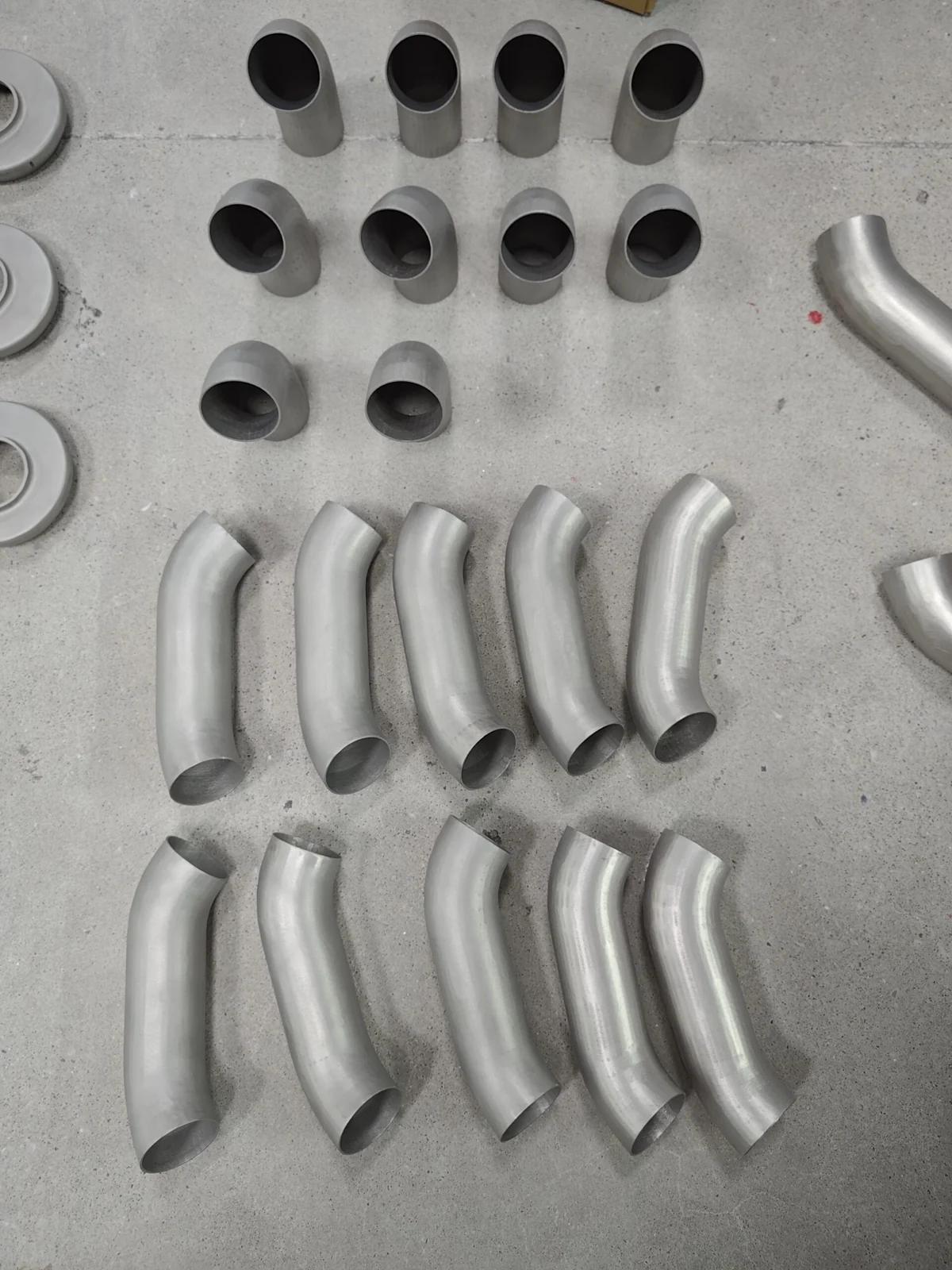
SLM 316L Automotive Exhaust End Components
Verified 316L stainless steel, 10 sets, recurring monthly supply, 5-7 day case lead time and sandblasted finish without polishing.
Automotive Exhaust Prototype Workflow
Metal additive manufacturing with selected CNC finishing, deburring, precision finishing and visual or dimensional review for a prototype workflow.
Prototype to Low-Volume and Recurring Supply
SLM can support a buyer journey from first metal prototype to validation batch and, where the project evidence supports it, recurring low-volume supply. The 316L automotive exhaust end component case documents 10 sets and recurring monthly supply, but that case-specific 5-7 day lead time is not published here as a universal promise.
For broader production planning, Jingrui Proto can compare SLM with low-volume manufacturing, CNC machining, finishing and other prototype-to-production routes.
SLM RFQ Checklist
Send the manufacturing context together with the model so Jingrui Proto can review whether SLM, CNC machining or a combined route is the right fit.
- CAD file and 2D drawing if critical dimensions are required.
- Material target, such as 316L stainless steel or aluminum alloy when appropriate.
- Quantity for prototype, validation batch, low-volume or recurring order.
- Critical dimensions, datum features, holes, threads and mating surfaces.
- Required finish such as blasting, polishing or machined interfaces.
- Functional requirements, assembly environment and prototype-validation purpose.
- Secondary CNC machining requirements if known.
- Inspection report, confidentiality and delivery requirements.
SLM 3D Printing FAQ for Buyers
Yes. Jingrui Proto has published case evidence for SLM metal 3D printing followed by CNC datum finishing. CNC machining is used when selected interfaces, datums, holes, threads or mating surfaces require additional control.
Send CAD files, quantity, target material, critical dimensions, finish, functional requirements, secondary machining notes and inspection or reporting requirements.
Yes, where the part and RFQ are suitable. The 316L automotive exhaust case documents 10 SLM sets and recurring monthly supply, while other low-volume projects should be reviewed by geometry, material, finish and inspection requirements.
Identify datum features, mating faces, bores, holes, threads, sealing surfaces and any drawing-controlled dimensions. Jingrui Proto can then review whether those features should be printed, machined after printing or manufactured by CNC instead.
Current public case evidence supports sandblasting without polishing on 316L exhaust end components, bead blasting on an aerospace bracket workflow, and deburring or precision finishing on an automotive exhaust prototype workflow.
This page publishes only currently verified materials from Jingrui Proto case evidence: 316L stainless steel and aluminum alloy. Other common SLM materials should be confirmed by Lareina before publication.
Send Your Metal 3D Printing Project for Review
Upload CAD files and include material target, quantity, finish, critical dimensions, secondary machining requirements and inspection needs. Jingrui Proto can review whether SLM, CNC machining or a combined metal additive workflow is the right route.