
CNC machining services in China
Jingrui Proto provides in-house CNC machining services for overseas engineering buyers, from prototype CNC machining through repeatable low-volume CNC manufacturing.
Send a CAD file, drawing, material target, finish and critical-feature requirements. The team reviews manufacturability before machining so CNC milling, CNC turning, finishing and inspection are planned around the actual part.
What CNC machining capabilities does Jingrui Proto provide?
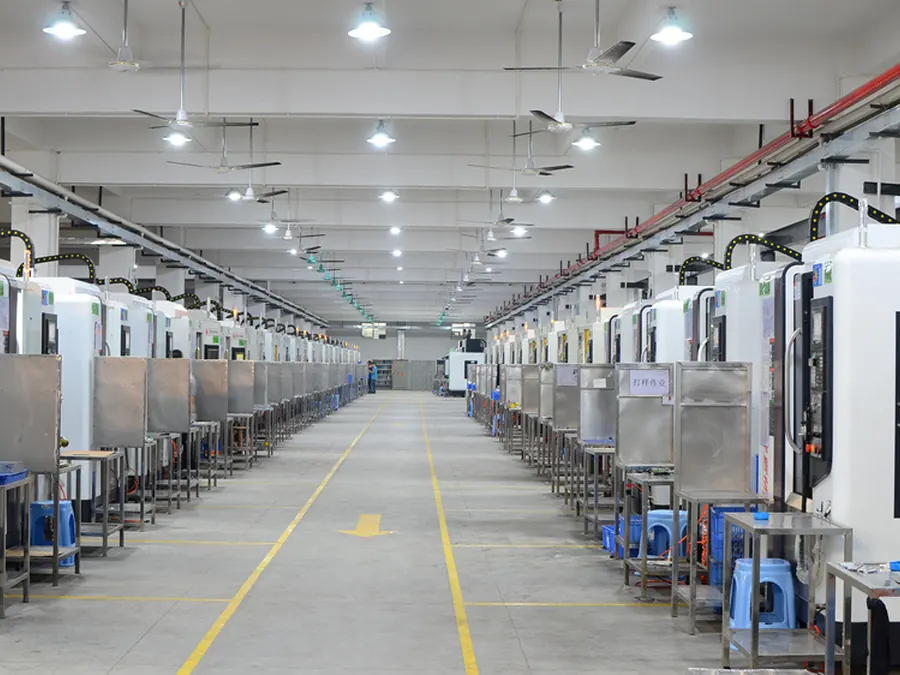
Jingrui Proto provides in-house CNC milling and turning for prototypes and low-volume components, using 100+ CNC machines.
| Capability | Verified Jingrui Proto CNC information | Buyer note |
|---|---|---|
| Processes | CNC milling and CNC turning | Route selection depends on geometry, datum strategy, material and drawing requirements. |
| Axes | 3-axis CNC, 4-axis CNC and 5-axis CNC | Use the narrow process pages for deeper axis-specific detail. |
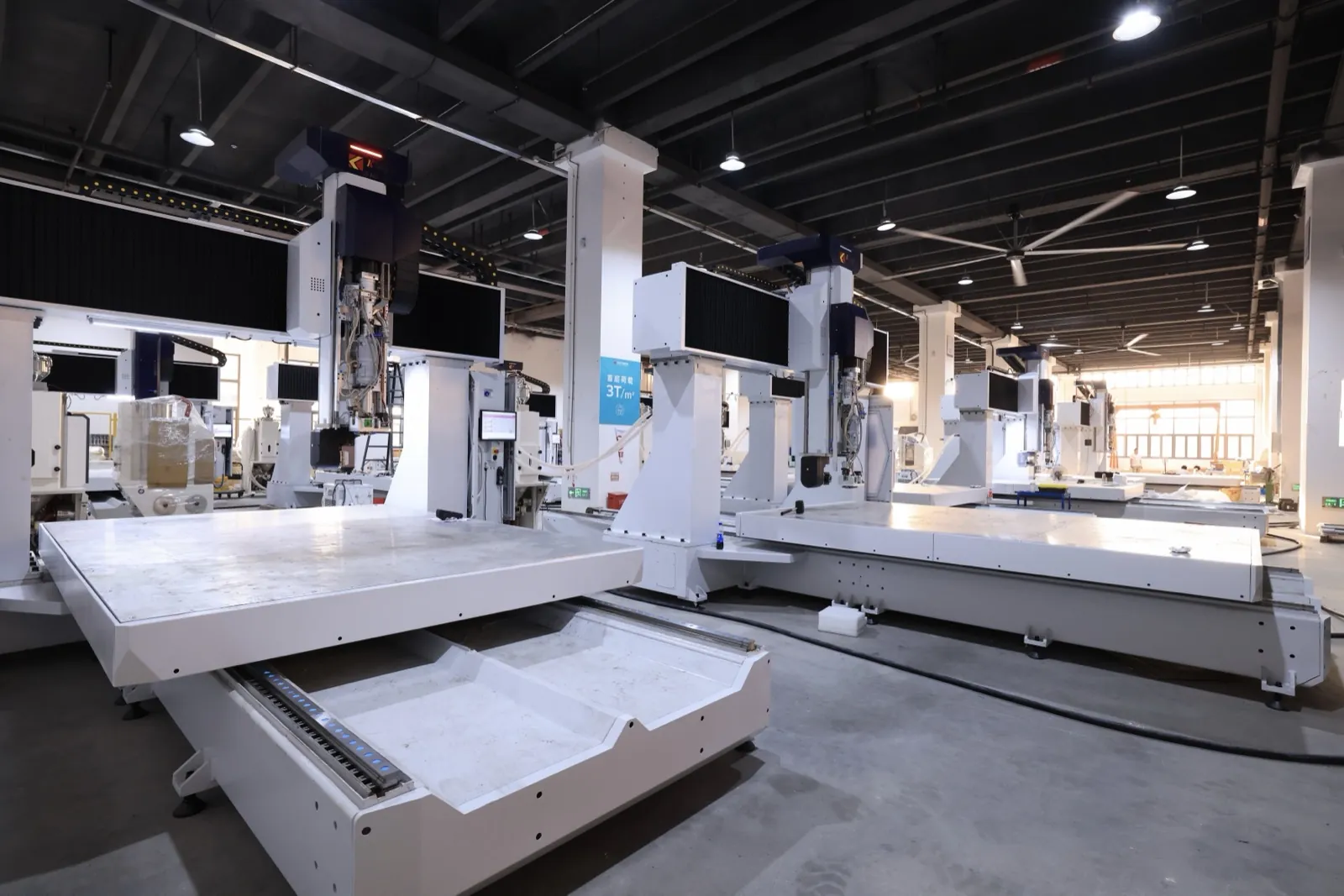
| CNC milling size | Up to 4000 x 1500 x 600 mm; minimum workpiece 5 x 5 x 5 mm | Large gantry work and very small workpieces both require drawing review. |
| CNC turning size | Up to Ø200 x 500 mm | Turned geometry, threads and concentric features should be marked on the drawing. |
| Typical tolerance | +/-0.02 mm | Applies as a practical CNC machining tolerance framework, not as a promise for every feature. |
| Critical features | Typical ±0.02 mm, confirmed during engineering review. | Critical features must be identified on the drawing and reviewed before quote confirmation. |
| General standards | ISO 2768-m or ISO 2768-c where applicable | Use explicit tolerances for functional interfaces, datums, threads, bores and mating faces. |
| Inspection | CMM, 2.5D optical measurement and surface roughness measurement | Inspection method is selected according to drawing requirements, tolerance, geometry and project requirements. |
When should a part use CNC milling or CNC turning?
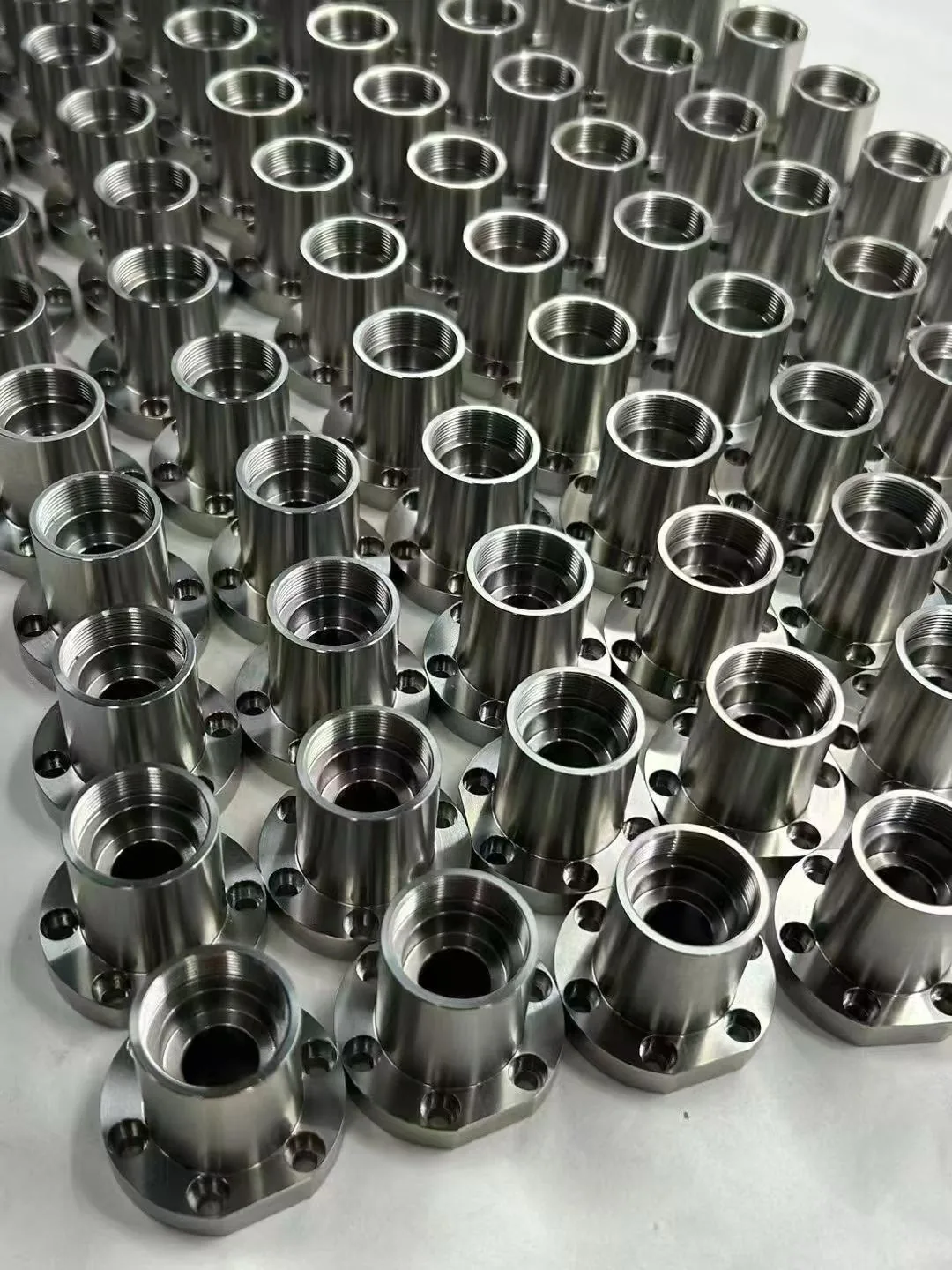
CNC milling is typically used for housings, brackets, plates, covers, fixtures, pockets, slots and multi-face features. CNC turning is used for round or rotational parts such as flanges, shafts, bushings, threaded features and circular interfaces.
CNC milling
Jingrui Proto supports 3-axis, 4-axis and 5-axis CNC milling for prototype and low-volume machined parts. Milling strategy is planned around setup access, feature orientation, material removal, finish requirements and critical dimensions.
CNC turning
CNC turning supports cylindrical features, internal and external threads, turned shoulders and flange geometry. For turning-specific projects, see CNC Turning.
How is a 3-axis, 4-axis or 5-axis machining route selected?
The machining route is selected from the part geometry, tool access, workholding and drawing requirements.
3-axis CNC
Suitable for many plates, housings, brackets and prismatic parts where features are accessible from conventional setups. See 3-Axis CNC.
4-axis CNC
Useful when rotary access can reduce setups or support features around a part. See 4-Axis CNC.
5-axis CNC
Useful for complex surfaces, angled features and multi-side access when the geometry justifies advanced milling. See 5-Axis CNC Milling.
How is CNC part-size feasibility confirmed?
CNC part-size feasibility depends on the machine envelope, fixture, stock, tool access and geometry of the submitted part.
For CNC milling, Jingrui Proto can machine workpieces up to 4000 x 1500 x 600 mm, with minimum milling workpiece size down to 5 x 5 x 5 mm. For CNC turning, capacity is up to Ø200 x 500 mm.
Part-size feasibility still depends on geometry, fixturing, material, tolerance, surface finish and inspection requirements. Send the CAD and drawing so the engineering team can review the actual setup risk.
Which materials and finishing routes suit CNC machined parts?
Jingrui Proto CNC projects commonly involve metal and engineering-plastic parts where machining, finishing and inspection must be considered together. Preserve the material and finish requirements in the RFQ package instead of assuming one standard process for every part.
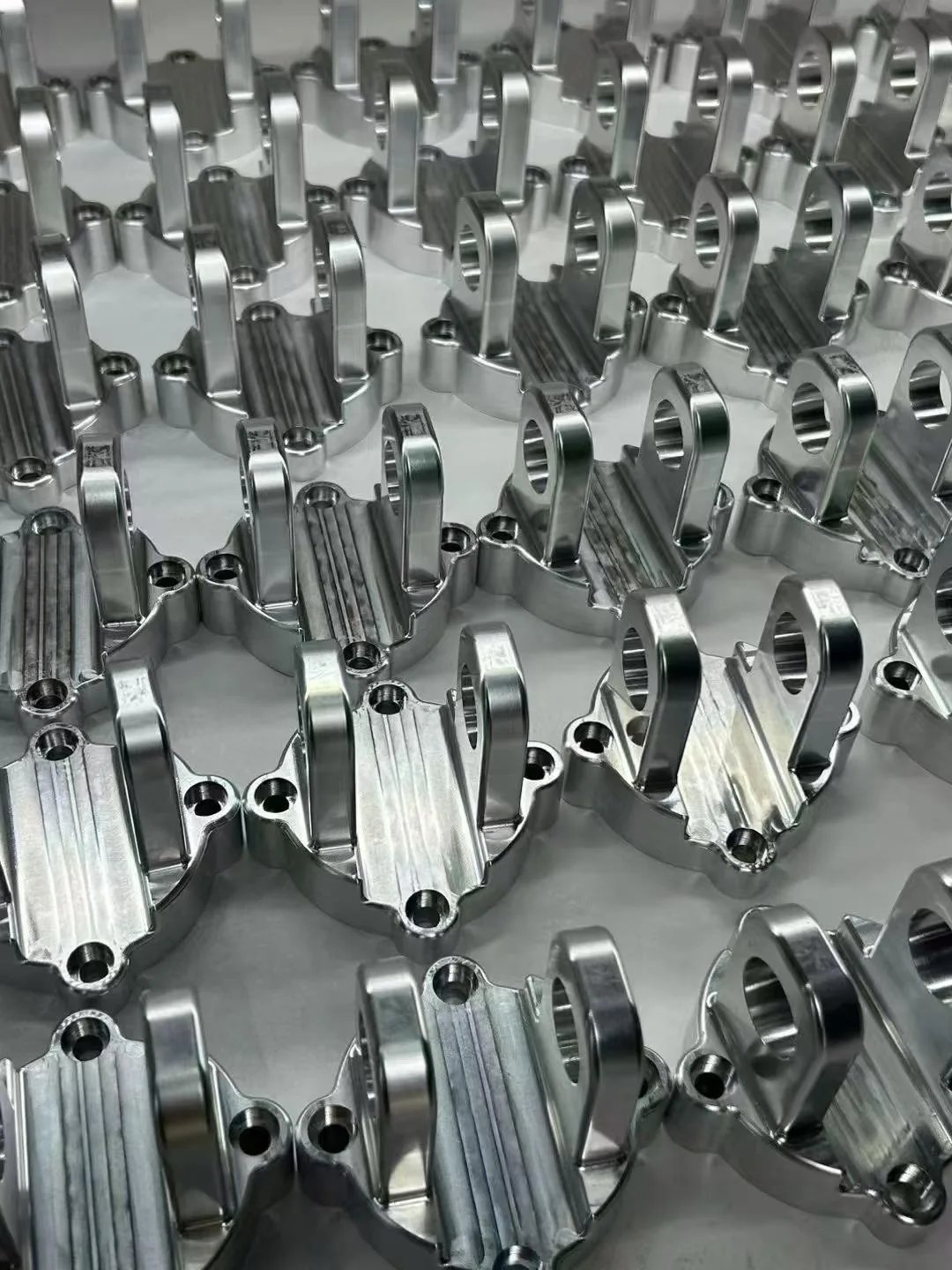
Surface finishing may be planned after machining when the drawing or product appearance requires anodizing, painting, polishing, bead blasting, sandblasting, laser marking, inserts or other finishing work. For broader finish planning, see Surface Finishing.
What is the typical CNC machining tolerance?
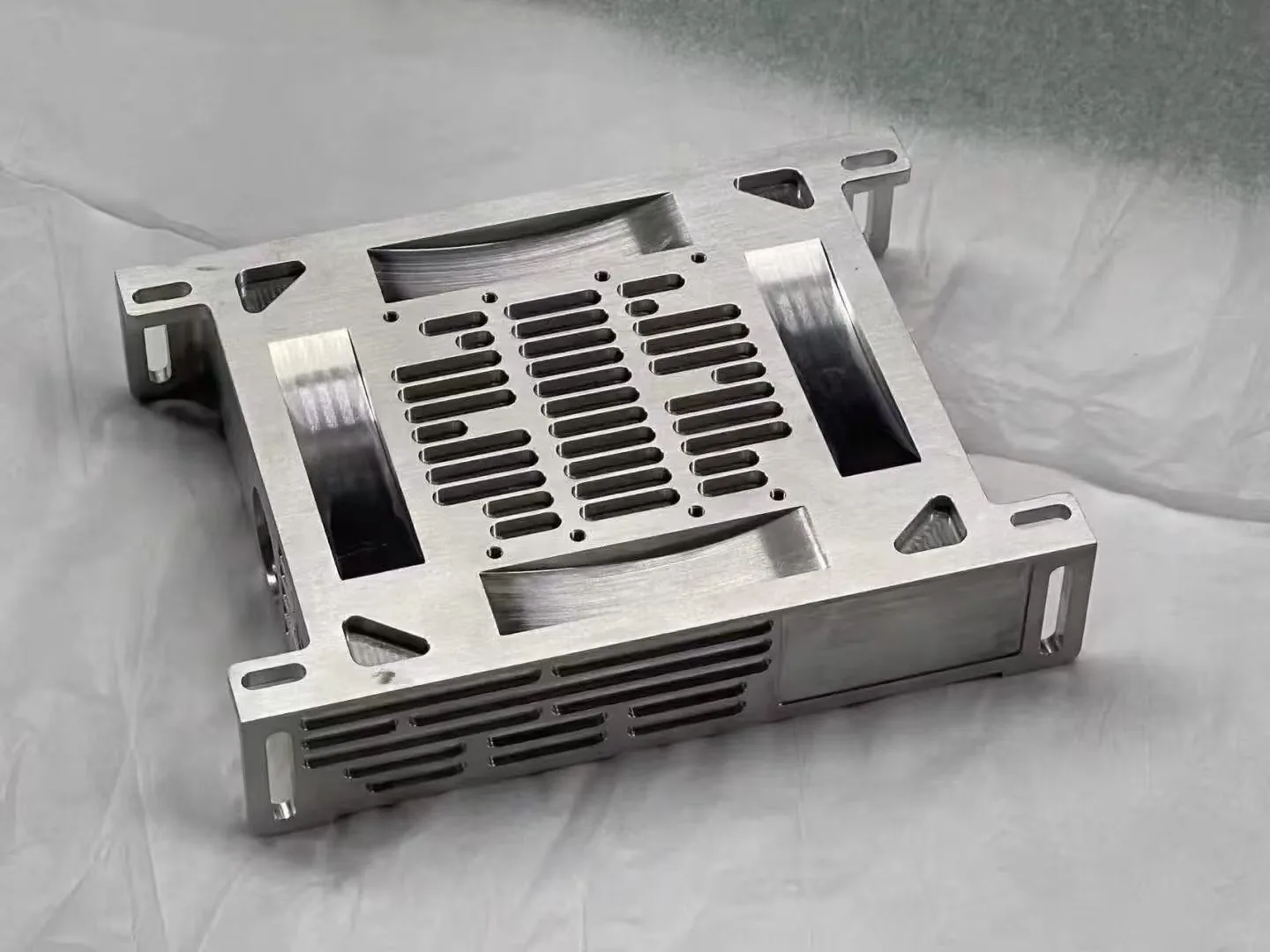
Jingrui Proto provides CNC machining with typical tolerances of ±0.02 mm. Actual achievable tolerances depend on part geometry, material, dimensions and machining requirements and are confirmed during engineering review.
Do not treat the critical-feature value as a universal tolerance for every dimension on a CNC part. For many drawings, ISO 2768-m or ISO 2768-c may apply to general dimensions while specific bores, threads, datums, mating faces or sealing features receive explicit tolerances.
How does CNC machining support prototypes and low-volume production?
CNC machining is often used first for prototype validation and then, when the design stabilizes, for repeat or low-volume manufacturing. Quantity economics vary by geometry, material, tolerance, finish, inspection, setup and repeat demand, so Jingrui Proto reviews the actual RFQ rather than applying fixed quantity bands.
For broader project coordination across processes, see Prototype Services and Low Volume Manufacturing.
What does the CNC engineering review check before machining?
The CNC engineering review checks material, geometry, dimensions, tool access, workholding, finishing and inspection requirements before production.
This review helps overseas buyers refine an RFQ package and avoid quoting ambiguity. A complete package normally includes STEP or equivalent CAD, a 2D drawing when tolerances matter, material target, finish requirement, quantity and any assembly or inspection notes.
How are CNC machined parts inspected?
Jingrui Proto operates 100+ CNC machines. Inspection resources include a Hexagon GLOBAL S 575 CMM, Hexagon OPTIV CLASSIC 322 and Mitutoyo SJ-210 surface roughness tester, with a controlled inspection environment at 20°C. Measurement equipment capability is not a machining tolerance guarantee; the inspection method and acceptance requirements are agreed for the part.
The inspection method is selected according to drawing requirements, tolerance, geometry and project requirements. Not every CNC part automatically receives every inspection method; the goal is to match inspection effort to the buyer’s acceptance criteria.
For broader manufacturing facilities, quality and inspection capability, see Jingrui Proto’s facilities and inspection resources.
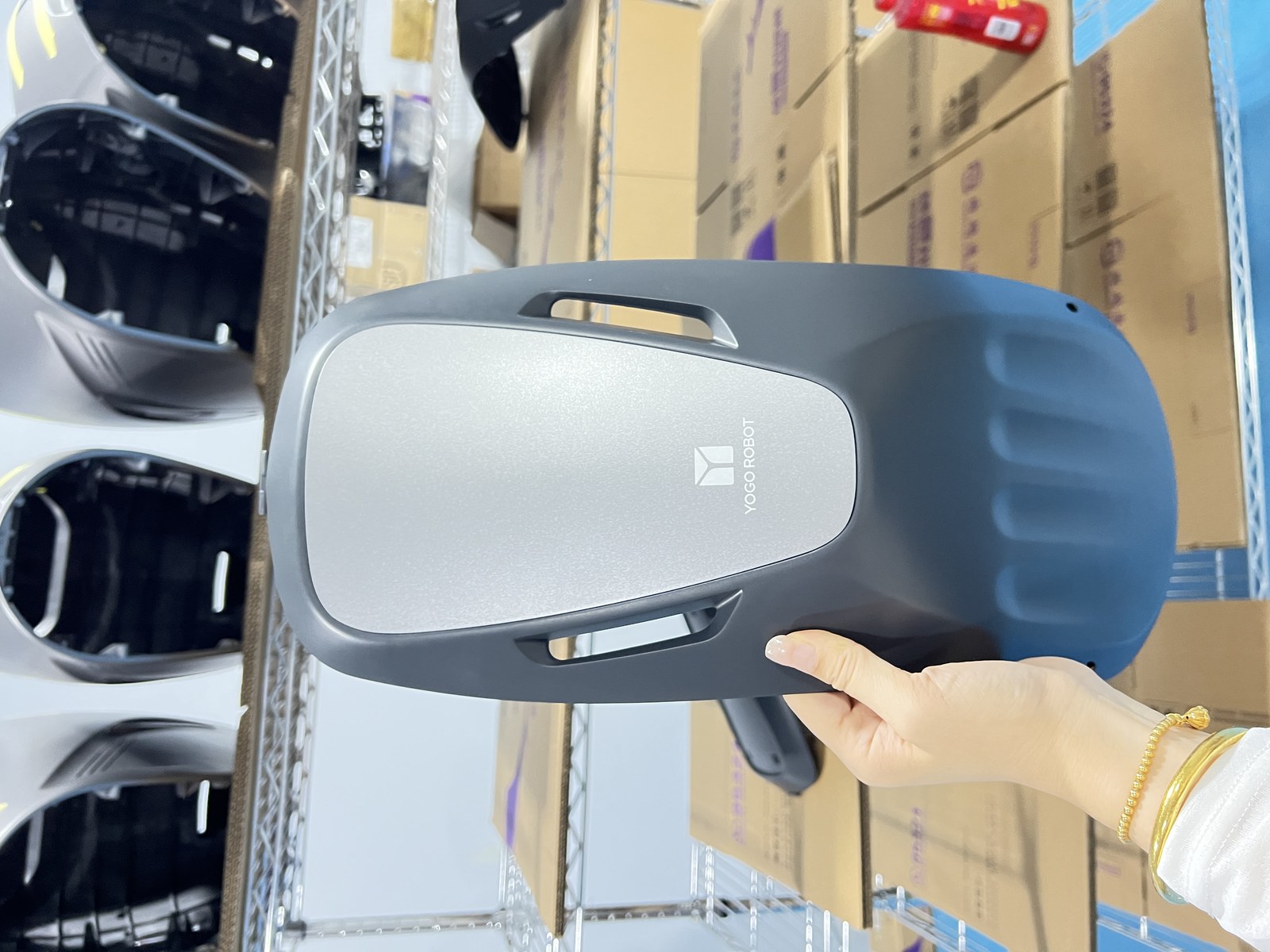
What workshop and part evidence supports CNC supplier review?
Jingrui Proto uses real workshop and machined-part evidence on this page so buyers can evaluate manufacturing credibility before sending a CNC RFQ.
Which CNC case studies help evaluate the manufacturing route?
Case evidence helps buyers judge whether the process path matches their own project stage. The primary CNC proof is the industrial automation end-of-arm tooling case; hybrid metal additive cases are secondary examples where CNC finishing or inspection is part of the manufacturing plan.
Industrial automation end-of-arm tooling
CNC aluminum prototype to pilot build using 3-axis CNC, 5-axis CNC, threaded inserts, black anodizing and prototype-to-pilot production evidence.
Metal 3D printing plus CNC finishing
Hybrid manufacturing proof where metal additive manufacturing is combined with CNC finishing and inspection planning.
SLM 316L exhaust tip
Secondary SLM evidence for buyers comparing additive metal production with CNC finishing needs.
When should CNC machining be chosen over other manufacturing processes?
CNC machining is often appropriate when the part requires real engineering material, controlled dimensions, machined interfaces, threaded features, flatness, datum control or surface finish from subtractive manufacturing. It is not always the best process.
| Process option | Choose it when… | CNC comparison |
|---|---|---|
| 3D Printing Service | Speed, complex plastic geometry or visual/fit prototypes matter more than machined material properties. | CNC is stronger when real metal or engineering-plastic machining and tighter functional interfaces are required. |
| Metal 3D Printing / SLM | Complex metal geometry, lightweight structures or internal forms justify additive manufacturing. | CNC may be better for billet-machined geometry or may finish selected SLM interfaces. |
| Vacuum Casting | Small batches of plastic-like parts are needed after a master pattern is validated. | CNC is better for machined metal/plastic parts and precision features; vacuum casting is often stronger for urethane-like low-volume plastic copies. |
| Injection Molding | Tooling economics make sense for molded plastic production. | CNC is often used before tooling for prototypes, fixtures, inserts or low-volume machined alternatives. |
What should buyers confirm before a CNC machining quotation?
Buyers should confirm the material, drawing requirements, manufacturing route, finish, quantity and inspection scope before accepting a CNC quotation.
Yes. Jingrui Proto performs CNC machining in-house in China, including CNC milling and CNC turning for prototype and low-volume manufacturing projects.
Yes. Jingrui Proto supports 3-axis CNC, 4-axis CNC and 5-axis CNC capability. The right axis strategy depends on the part geometry and machining access.
For CNC milling, Jingrui Proto can machine workpieces up to 4000 x 1500 x 600 mm and as small as 5 x 5 x 5 mm. CNC turning capacity is up to Ø200 x 500 mm.
Jingrui Proto provides CNC machining with typical tolerances of ±0.02 mm. Actual achievable tolerances depend on part geometry, material, dimensions and machining requirements and are confirmed during engineering review.
Inspection can use CMM, 2.5D optical measurement, surface roughness measurement and 20°C controlled dimensional inspection when required by the project.
Yes. Jingrui Proto supports CNC prototypes and repeat or low-volume CNC manufacturing where the design, quantity, tolerance, finish and inspection requirements make CNC appropriate.
Send CAD files, 2D drawings when tolerances matter, material, quantity, finish, critical features, inspection requirements and any assembly context.
What information is needed for a CNC machining RFQ?
Send your CAD files, drawings, material target, finish, quantity and critical-feature requirements. Jingrui Proto can review DFM risk and quote CNC machining for prototype or low-volume production needs.
Which finishing processes for CNC machining are in-house?
CNC machining, heat treatment, grinding, sanding, polishing, sandblasting, powder coating, painting and screen printing are available in-house. Electroplating and anodizing are arranged through qualified specialist partners in China. Jingrui Proto coordinates these processes within the overall manufacturing and delivery workflow.
Confirm coating thickness, masking, final dimensions and acceptance conditions before quotation. Heat treatment and finishing can affect dimensions and must be sequenced with machining.
Review surface finishing options or request a quote and engineering review.