
Die Casting for Tooling-Based Metal Parts, Secondary Machining and Finished-Part Delivery
Jingrui Proto helps overseas engineering and sourcing teams review die cast part RFQs from CAD and drawings through tooling review, casting, trimming, secondary CNC machining, surface finishing, inspection planning and delivery.
Die Casting Capability Overview
Die casting is a tooling-based manufacturing route for metal parts where repeatable geometry, integrated features and a route toward low-volume or production supply matter. It is not automatically the best choice for every prototype. Jingrui Proto reviews the part geometry, quantity direction, drawing requirements and finishing expectations before recommending die casting, CNC machining, metal 3D printing or another process.
Good-fit projects
Housings, covers, brackets, frames and other metal parts where cast geometry can reduce machining and support repeated supply.
Buyer decision point
Tooling makes sense when the part design is stable enough and the quantity path can justify a mold-based route.
Finished-part planning
Critical faces, holes, threads, cosmetic areas and inspection requirements should be identified before quotation.
From Design to Die-Cast Parts
Geometry, target quantity, material expectations, visible surfaces and critical features are checked first.
Draft, parting line, gates, ejector areas, ribs, bosses and machining allowance are considered before tooling decisions.
Die cast parts are produced, trimmed and prepared for any required downstream operations.
Critical interfaces can be CNC machined, finished and checked against agreed drawing or RFQ requirements.
Die Casting Tooling and DFM
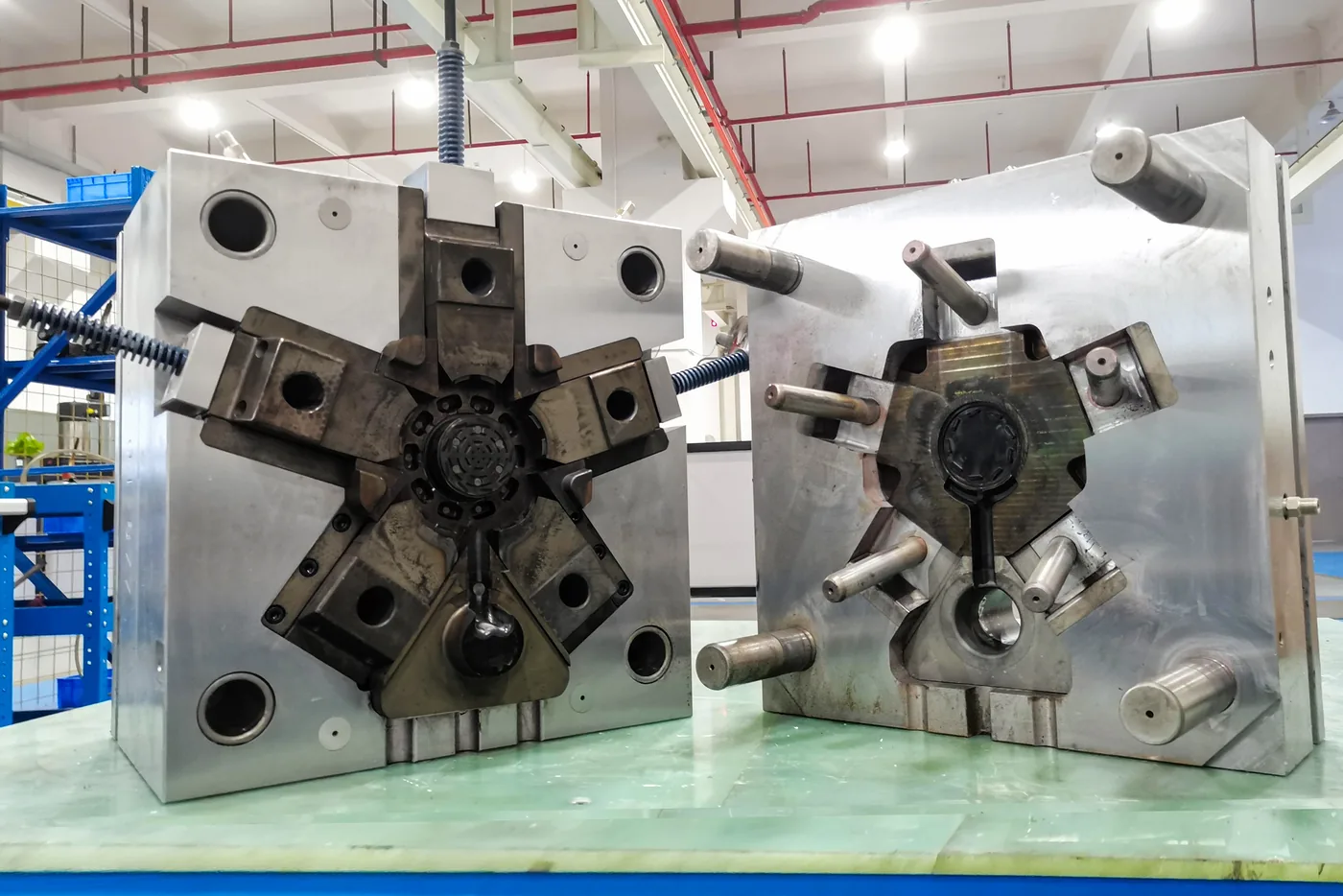
Tooling evidence
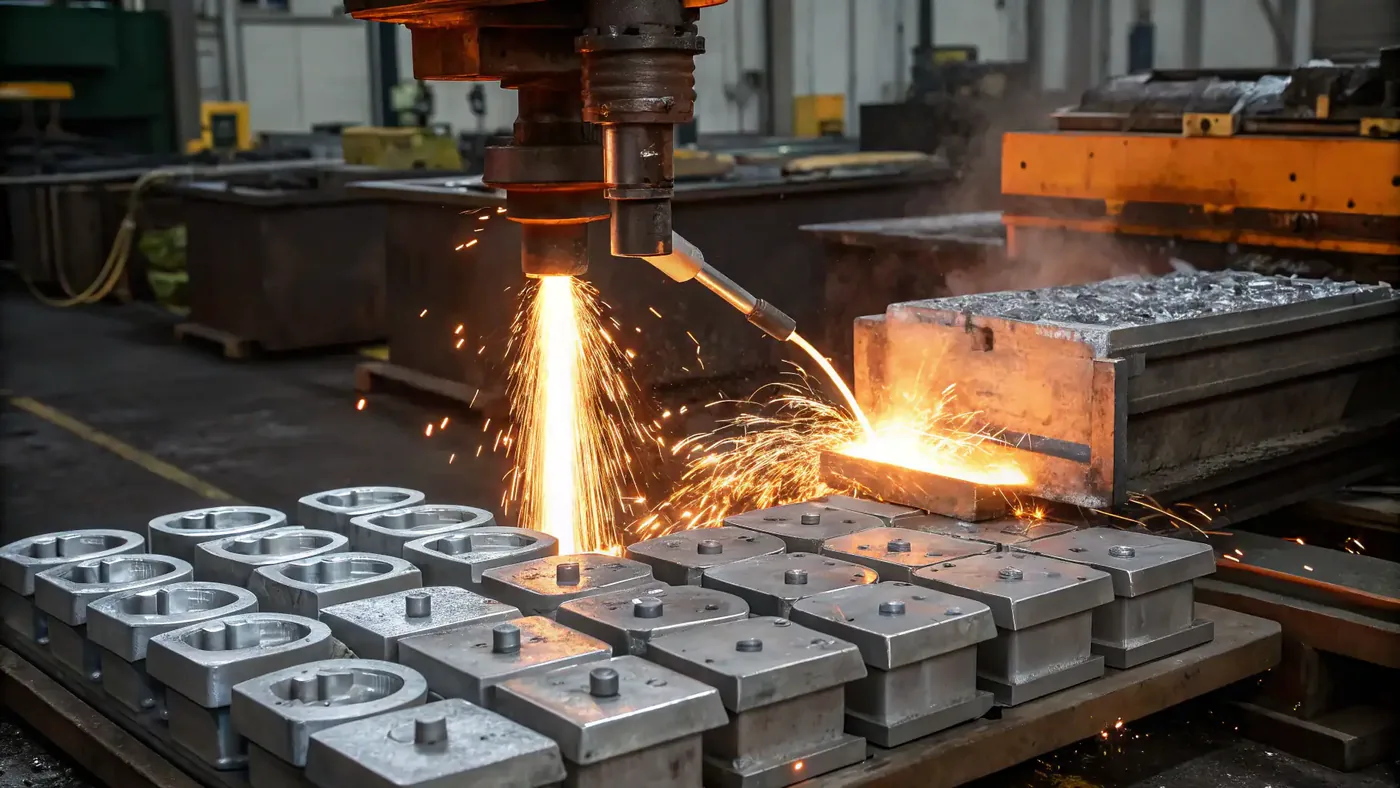
Die casting tooling example showing mold structure and features reviewed during DFM and tooling planning.
What engineering buyers should mark early
- Wall consistency, ribs, bosses and local thick sections.
- Draft, parting line, ejector locations and cosmetic surfaces.
- Machining allowance for bores, flat faces, threads and mating features.
- Assembly interfaces, sealing faces and end-use requirements.
Material Selection Without Guesswork
Current Jingrui Proto die casting content supports discussing aluminum, zinc and magnesium die casting at a general level. Exact alloy grade, mechanical properties, wall limits and tolerance expectations should be confirmed from the drawing, function, finish and quantity path instead of assumed from a generic service page.
Secondary CNC Machining for Die-Cast Parts
Why machining may still be required
Die casting can create near-net geometry, but critical interfaces may still need CNC machining. Examples include holes, threads, bearing or mating surfaces, sealing areas, flatness-controlled faces and other drawing-critical features.
Connected process support
When a casting needs tighter control on selected features, review the project with Jingrui Proto’s CNC Machining capability in mind. The quote should separate cast geometry from machined requirements.
Surface Finishing After Casting
Finishing depends on alloy, surface condition, cosmetic expectations and end use. Jingrui Proto can review finishing needs such as deburring, surface preparation, coating or other appearance requirements during RFQ. For broader finishing options, see Surface Finishes.
Real Die Casting Manufacturing Evidence
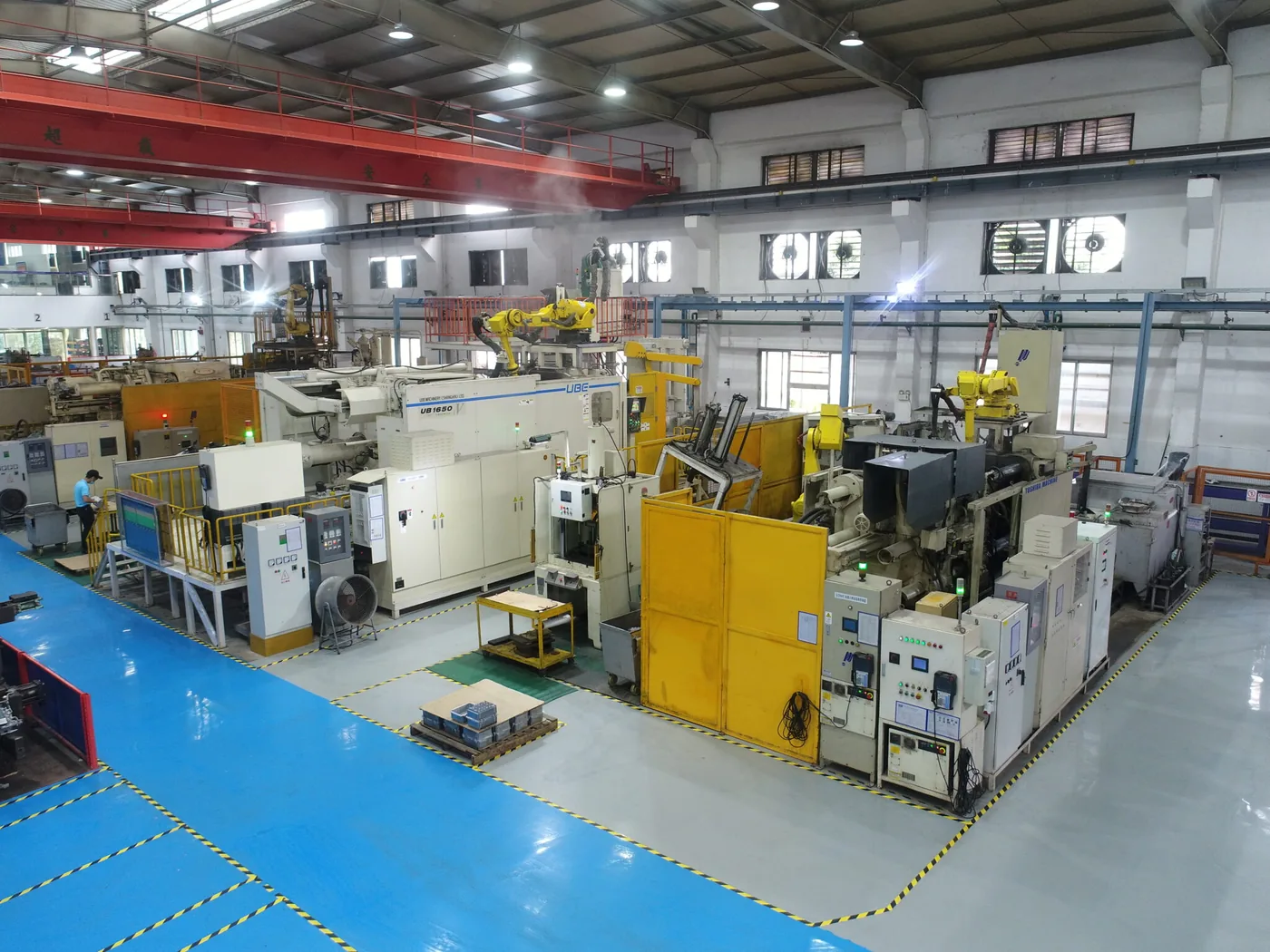
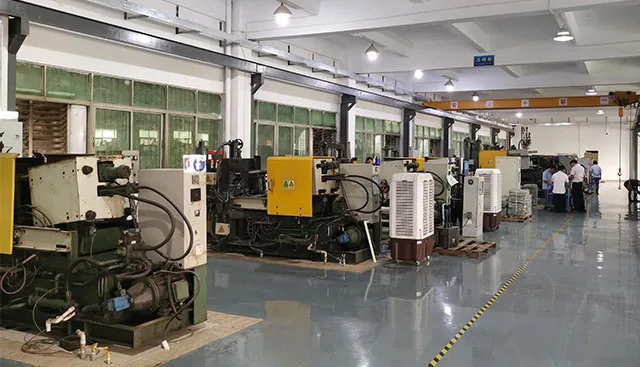
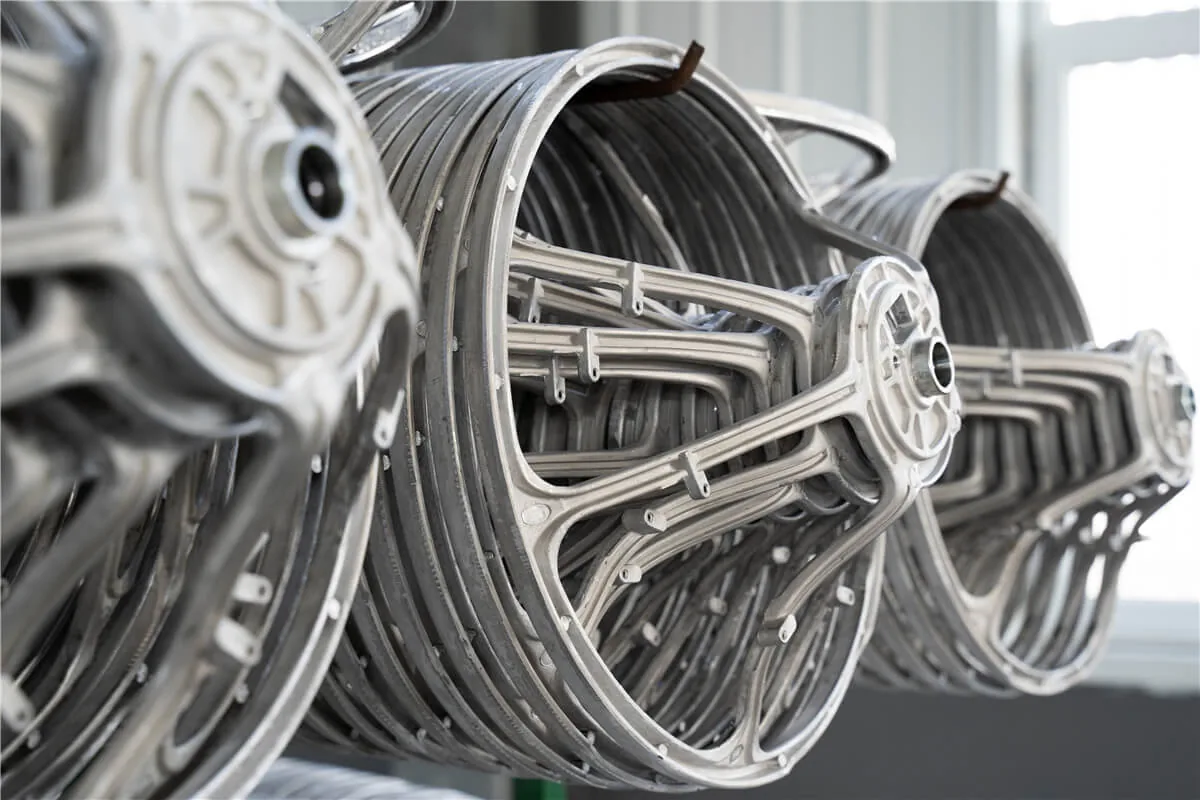
Real manufacturing evidence from Jingrui Proto production workflows, including tooling, workshop, batch-part and secondary-operation examples.
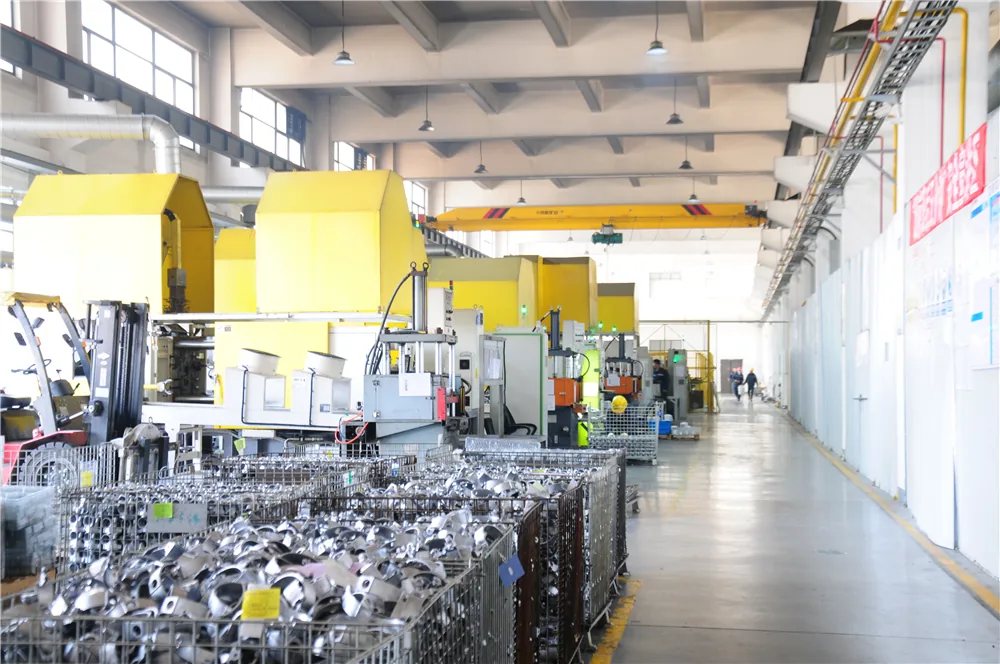
Real Die Cast Part Examples
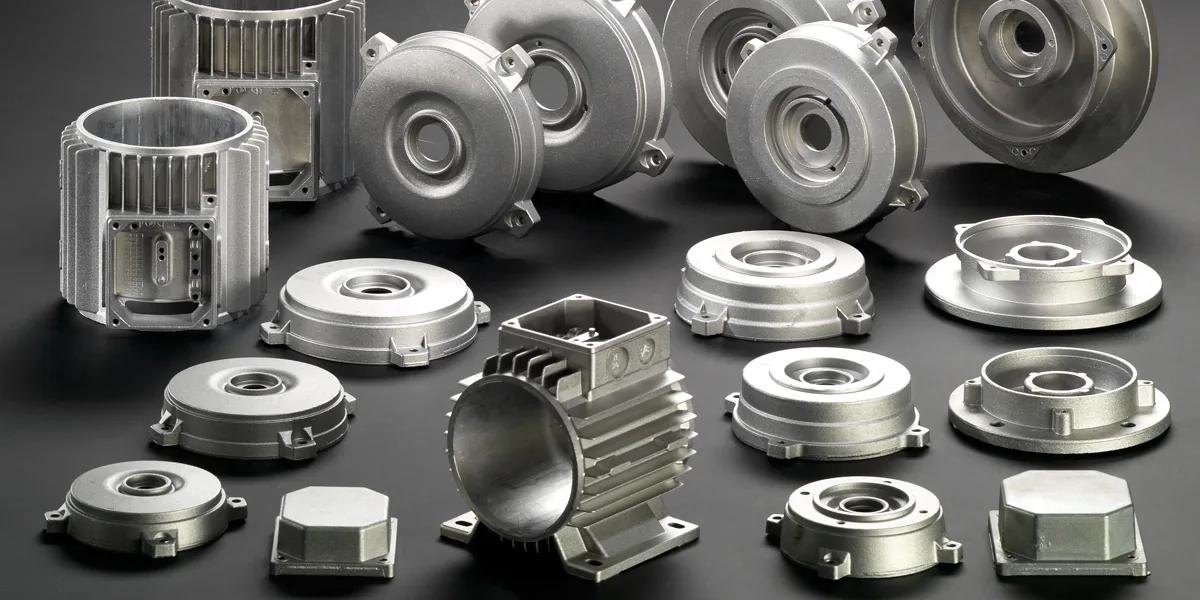
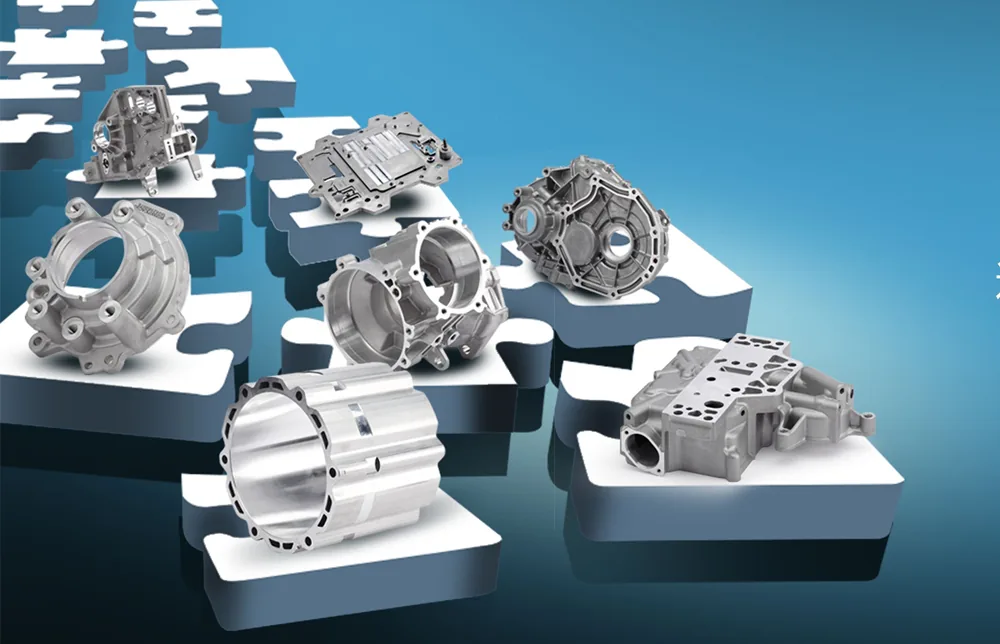
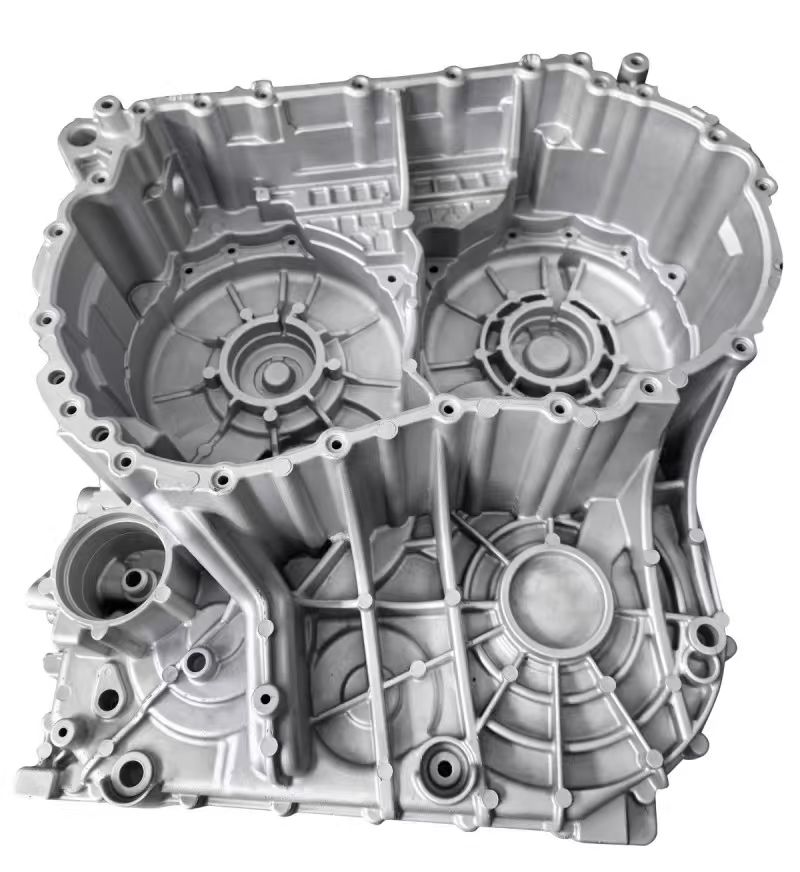
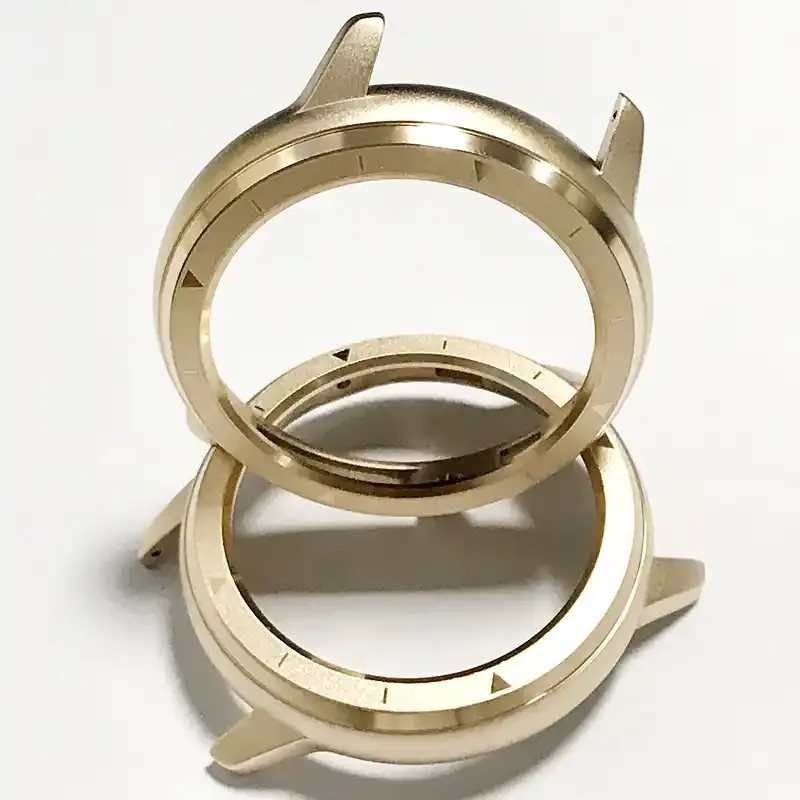
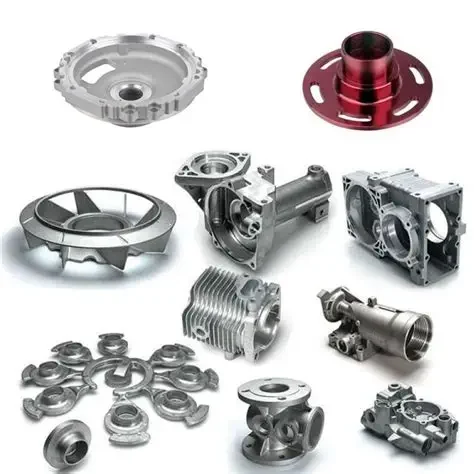
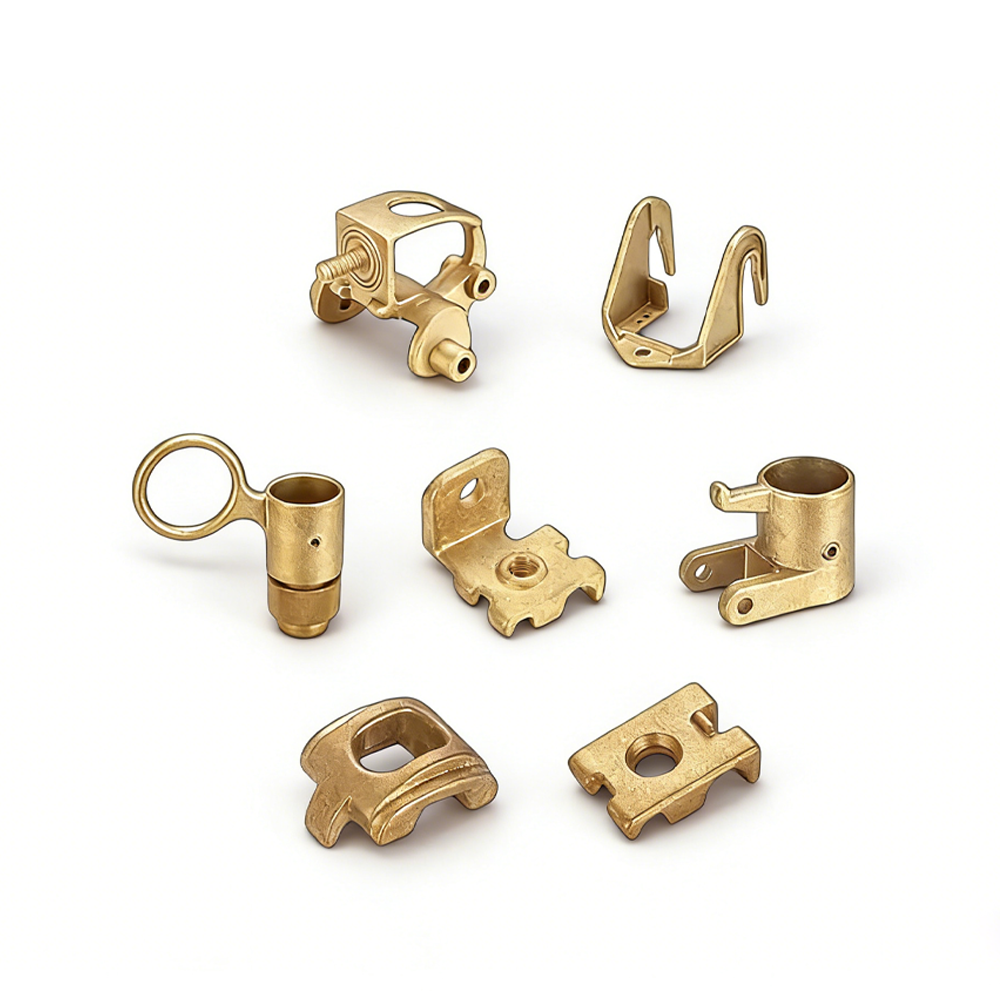
Examples of die-cast part geometries showing housings, structural features, ribs, openings and surfaces that may require tooling, finishing or secondary machining review.
Prototype to Low-Volume to Production Decision
A die casting RFQ should start with process selection, not with a forced process choice. If the design is still changing or quantity is very low, Prototype Services, CNC Machining or Metal 3D Printing / SLM may be more appropriate. If the design is stable and repeated metal parts are needed, tooling-based die casting can become a stronger path toward Low Volume Manufacturing or production supply.
Die Casting vs Alternative Processes
| Process | Best buyer question | Tooling and design-change logic | Secondary operations |
|---|---|---|---|
| Die casting | Do we need repeat metal parts where cast geometry can reduce machining? | Tooling required; strongest when design is stable enough for a mold route. | May need trimming, CNC machining, finishing and inspection. |
| CNC machining | Do we need prototypes, low quantities or tight selected features without tooling? | No casting tooling; flexible when design changes are still likely. | Can be used directly or as secondary machining after casting. |
| Metal 3D Printing / SLM | Do we need complex metal prototypes before committing to tooling? | No die-casting mold; useful for complex or early-stage metal geometry. | Often requires finishing or machining depending on requirements. |
| Injection molding | Is the part plastic rather than metal? | Tooling-based plastic route; not a direct metal casting substitute. | Finishing and assembly needs depend on plastic part requirements. |
Quality and Inspection Planning
Quality planning should follow the drawing. Mark critical dimensions, assembly interfaces, sealing areas, visible surfaces and any inspection report expectations. Jingrui Proto can review which features should remain as-cast and which should be controlled by secondary machining or inspection.
Why Jingrui Proto for Die Casting RFQs
Manufacturing evidence
Workshop, tooling, machine-line, batch and part images help buyers evaluate the manufacturing route from real project evidence.
Multi-process support
Die casting decisions can be reviewed alongside CNC machining, finishing, prototyping and low-volume manufacturing routes.
RFQ engineering focus
The quotation path is built around CAD, drawings, material targets, quantity, finish, critical features and end-use requirements.
RFQ Checklist for Die Cast Parts
Send where available
- 3D CAD file
- 2D drawing
- Material requirement or functional target
- Quantity or quantity range
- Surface finish or cosmetic expectation
Mark the critical details
- Critical dimensions and features
- Holes, threads, mating and sealing surfaces
- Assembly requirements
- End-use environment or load concerns
- Inspection, packaging or delivery requirements
Die Casting FAQ
Choose it when a stable metal part design and repeated quantity direction can justify tooling. If the design is still changing, start with process-selection review.
It can. Holes, threads, mating faces, sealing areas and other drawing-critical features may need secondary CNC machining after casting.
Send CAD, a drawing if available, material or function, quantity, finish, critical features, assembly requirements and end-use notes.
Finishing can be reviewed after the alloy, surface condition and cosmetic or functional requirements are understood. Do not assume every finish fits every part.
Die casting uses tooling and can be stronger for repeated cast geometry. CNC machining is more flexible for prototypes, design changes and selected precision features.
Jingrui Proto can review tooling, casting, secondary machining, finishing and inspection requirements as one RFQ path, while confirming scope from the actual drawing.
Request a Die Casting Quote
Send CAD, drawing notes, target material, quantity, finish and critical requirements. Jingrui Proto will review whether die casting, CNC machining, surface finishing and inspection are the right manufacturing path for your part.