
Large-format pellet 3D printing
FGF 3D Printing for Meter-Scale Forms, Fixtures and Display Parts
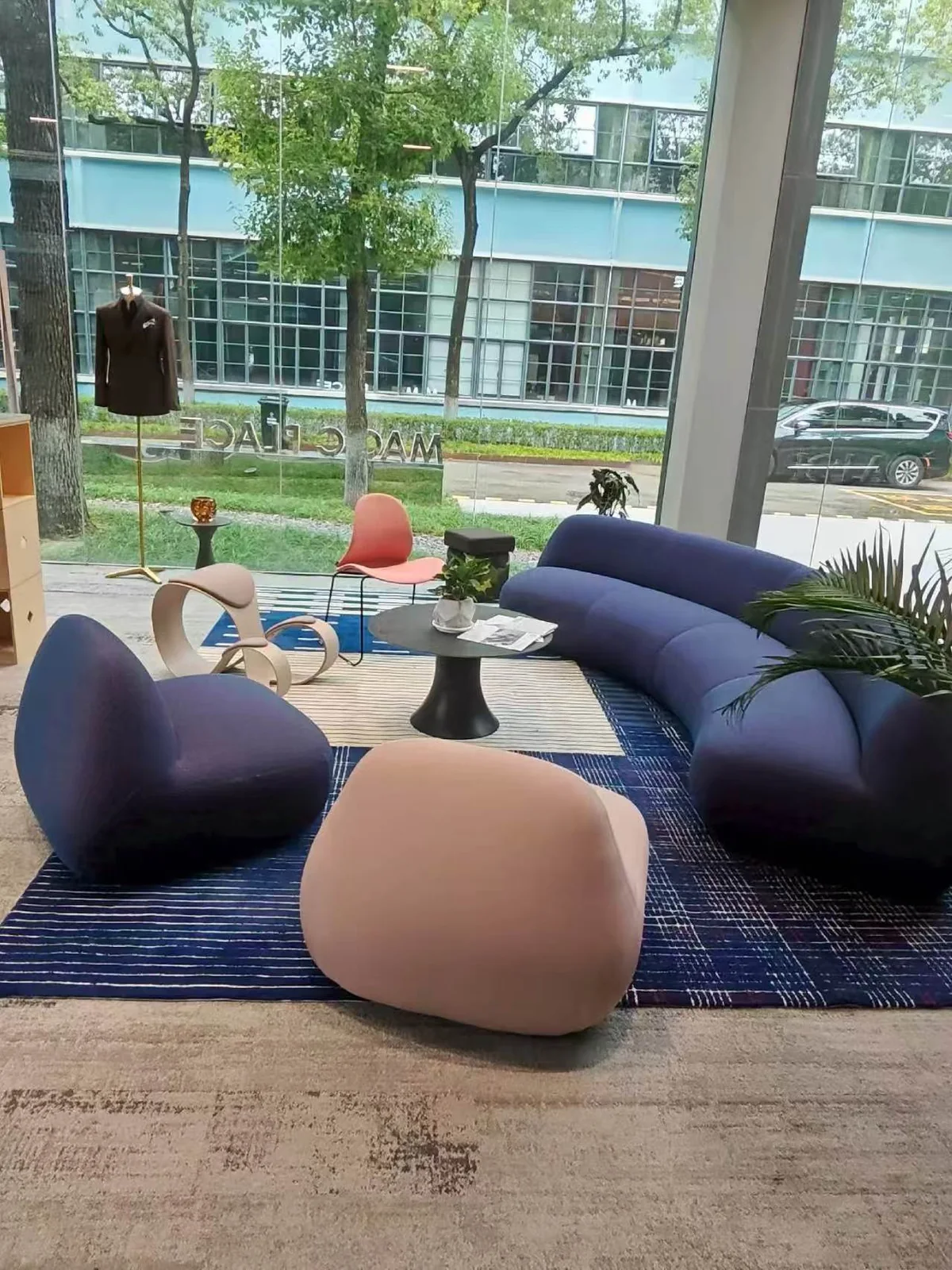
FGF, also called pellet 3D printing or large-format additive manufacturing, is best when part size and material economics dominate the decision. Jingrui Proto uses FGF for large forms, furniture, interior objects, display pieces, molds and tooling-scale parts.
The process feeds thermoplastic pellets through a screw-driven extruder, making large deposition rates and lower material cost possible compared with filament routes.
FGF Capability Snapshot
| Best fit | Meter-scale forms, furniture, exhibition objects, architectural elements, molds, bucks, housings and formwork. |
|---|---|
| Verified process description | Pellet-fed screw extrusion for large-format thermoplastic additive manufacturing. |
| Existing product data | Nozzles up to 9 mm and deposition rates above 15 kg per hour are described in the existing FGF product data. |
| Buyer decision point | Use FGF when size, build speed and material cost matter more than fine detail. |
When FGF Is the Right Choice
Large objects
FGF is designed for parts measured in large sections rather than small fine-detail components.
Cost-sensitive scale
Pellet feedstock can make large thermoplastic additive work more practical than filament printing.
Post-finished forms
Large FGF parts often need sanding, coating, painting, joining or CNC finishing depending on the final use.
Real FGF Project Evidence



Related case: FGF 3D-Printed Furniture and Interior Forms.
FGF Design and RFQ Guidance
Bead scale
FGF uses larger extrusion beads than FDM. Confirm the acceptable surface texture and finishing plan before production.
Splitting and joining
Oversized parts may need segmentation, bonding, mechanical joining or finishing after printing.
Critical surfaces
Identify visible surfaces, mating areas and any areas that may require machining, coating or painting.
FGF vs FDM and Other 3D Printing Routes
Choose FGF for large pellet-extrusion parts. Choose FDM for smaller filament thermoplastic prototypes, SLA for fine appearance detail, and SLS/MJF for nylon functional parts.
Review broader options on the 3D printing service page.
FGF 3D Printing FAQ
Is FGF the same as FDM?
No. Both are extrusion processes, but FGF uses pellet feedstock and larger deposition rates for large-format parts.
What should I send for an FGF quote?
Send CAD files, overall size, quantity, material intent, finishing expectations, visible surfaces and any assembly or installation constraints.
Request an FGF Quote
Send CAD files, size, quantity, target material and finish requirements so Jingrui Proto can review the large-format build strategy.