
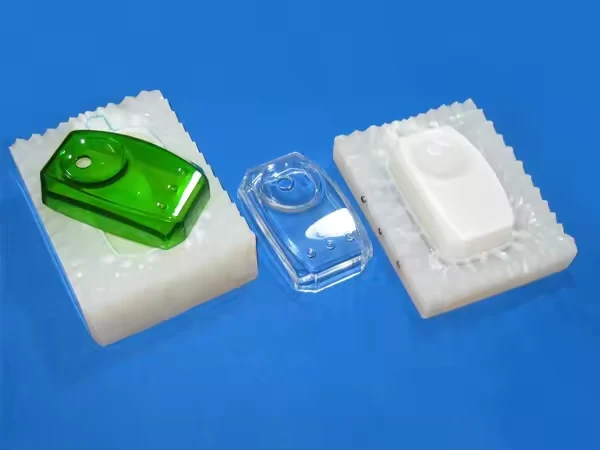
Vacuum Casting Silicone Molding
Real silicone molds, real cast parts and real finishing — produced in the Jingrui Proto vacuum casting workshops for low-volume plastic prototypes from a handful of parts up to pilot batches.
Vacuum Casting Services at Jingrui Proto
Jingrui Proto provides silicone mold vacuum casting for overseas engineering teams that need production-like polyurethane parts before committing to hard tooling. Typical programs include plastic housings, covers, clear or colored appearance parts, soft-touch components and pilot batches that need painting, color matching, inserts or assembly review.
| Buyer question | Jingrui Proto answer |
|---|---|
| Best fit | Low-volume plastic-like prototypes and pilot parts where molded appearance, finish, color and repeated samples matter. |
| Tooling route | Master pattern to silicone mold, then polyurethane casting under vacuum, followed by trimming, inspection and finishing. |
| Material families | ABS-like, PP-like, PC-like, rubber-like, transparent and colored polyurethane options. |
| Typical batch planning | One silicone mold is normally planned around 15-25 shots, with multiple molds considered when quantity or finish risk requires it. |
| When to compare alternatives | Use CNC machining for true production plastics or tight machining features, SLA for master patterns or one-off display models, and injection molding once volume and design freeze justify hard tooling. |
When Should You Choose Vacuum Casting?
Vacuum casting is strongest when a buyer needs several plastic-like parts that look and handle more like molded components than one-off printed samples, but the project is not ready for injection tooling. It is often used for appearance prototypes, engineering validation, trade-show or customer samples, pre-production builds and bridge batches where color, finish and repeated copies matter.
Use it for molded-like prototypes
Choose vacuum casting for housings, covers, handheld parts and visible assemblies that need paint, texture, transparency, soft-touch or color review before hard tooling.
Use it for small repeated batches
A silicone mold is useful when one sample is not enough and the team needs multiple parts for assembly checks, user trials, buyer demos or pilot evaluation.
Compare alternatives early
If the part needs true production resin, very tight machined features or final high-volume economics, Jingrui Proto may recommend CNC machining, 3D printing or injection molding instead.
How Does the Vacuum Casting Process Work?
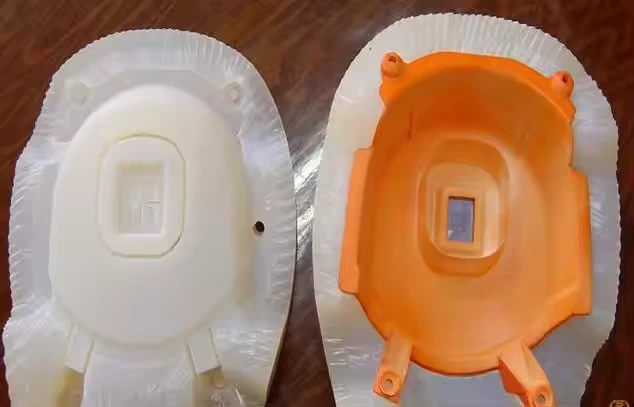
Vacuum casting starts from a finished master pattern. We make a high-precision silicone mold around it, then cast polyurethane resin under vacuum so the copies come out bubble-free with the same texture, lettering and gloss level as the master.
1. Silicone Mold Making
A master pattern is finished to the exact surface you want, suspended in a frame and cast in liquid silicone. Once cured, the block is cut open along the parting line to become the mold — with gates, vents and insert pins ready for casting.

2. Vacuum Casting
Polyurethane resin is mixed, degassed and poured into the silicone mold inside a vacuum chamber. The vacuum pulls air out of the cavity, giving clean, bubble-free copies with consistent wall thickness.

3. Demolding & Finishing
Cast parts are demolded, trimmed and inspected, then sanded, painted, printed or assembled in-house — matte or gloss, textured or smooth, single color or multi-stage automotive-grade paint.
Master Pattern, Silicone Mold and Multi-Process Workflow
The master pattern controls the final cast part. Jingrui Proto can produce or finish the master with in-house prototype processes, then use that approved master to create the silicone mold and cast the polyurethane batch. This keeps CAD review, master model preparation, finishing, casting and inspection under one project workflow.
| Stage | Buyer decision | Jingrui Proto workflow |
|---|---|---|
| CAD / RFQ review | Quantity, visible faces, color, finish, inserts and critical dimensions. | DFM review and process recommendation before quoting. |
| Master pattern | Fast master for fit review or higher-finish master for cosmetic copies. | SLA 3D printing, CNC machining, surface preparation or finishing where suitable. |
| Silicone mold | Parting, demolding stress and expected mold life. | Silicone mold preparation based on the approved master pattern. |
| Material / color | Rigid, flexible, transparent, translucent, colored or paintable PU requirement. | Material and finish route selected from verified project needs, not generic resin claims. |
| Casting and finishing | Cosmetic standard, assembly needs and delivery schedule. | Vacuum casting, curing, trimming, painting or secondary finishing, then inspection. |
How Vacuum Casting Supports Prototype Production
Vacuum casting supports prototype production by turning one approved master model into a silicone mold, then casting polyurethane copies under vacuum. This gives engineering teams a practical way to test housings, covers, display units and low-volume assemblies before committing to injection molding.
The strongest projects define quantity, visible faces, color, texture, inserts, mating parts and the purpose of the prototype. With that RFQ context, Jingrui Proto can advise whether vacuum casting, SLA 3D printing, CNC machining or injection molding is the better route.
Our Technical Parameters
| Item | Specification |
|---|---|
| Typical tolerance | ±0.1-0.3 mm, depending on part size and geometry |
| Max part size | Up to 1200 mm |
| Batch capacity per silicone mold | 15-25 shots |
| Available resin | ABS-like, PP-like, PC-like, rubber-like and transparent PU materials |
| Post-processing | Painting, matte or gloss finish, hand painting, polishing, texture and assembly |
| Standard lead time | 3-7 working days |
Project Requirements for a Vacuum Casting RFQ
For a useful quotation, send CAD files or an approved master sample, expected quantity, visible cosmetic faces, target color or Pantone reference, gloss or texture requirements, insert and assembly notes, and how the parts will be tested. Jingrui Proto can then advise whether vacuum casting should remain the main route or be combined with SLA, CNC machining, surface finishing or injection molding planning.
Vacuum Casting vs 3D Printing vs Injection Molding
Vacuum casting is not automatically better than other processes. It is a bridge option for the right quantity, finish and validation stage. The comparison below helps RFQ teams decide what to ask Jingrui Proto to quote.
| Process | Best buyer use | Why choose it | When to move away |
|---|---|---|---|
| 3D Printing | One-off or fast-iteration prototypes, complex geometry and master patterns. | No mold required; fast design iteration and geometry freedom. | When repeated plastic-like copies, consistent finish or molded appearance become more important. |
| Vacuum Casting | Low-volume polyurethane prototypes, pilot parts and appearance or assembly batches. | Silicone mold route gives repeatable small batches with molded-like finish and color options. | When production resin, very tight machining features or high-volume economics are required. |
| Injection Molding | Stable designs ready for hard tooling and higher-volume production. | Production tooling and production plastic economics after the design is mature. | When design changes are still likely or only a small validation batch is needed. |
For prototype-to-production planning, see Jingrui Proto’s low-volume manufacturing route. Vacuum casting can bridge validation and pilot needs without duplicating the full low-volume production plan.
How Overseas Buyers Can Qualify a Vacuum Casting Supplier
A reliable supplier should be able to discuss the master pattern route, silicone mold plan, expected mold pulls, polyurethane material choice, finishing risk, inspection method and export communication before quoting. Jingrui Proto supports this review with real workshop photos, documented vacuum casting cases, in-house finishing and direct RFQ communication for international engineering teams.
Vacuum Casting Materials
One silicone mold can be cast in different polyurethane grades, so you can verify material feel, stiffness and color before committing to injection molding.

ABS-like Rigid PU
Stiff, impact-resistant parts for housings, brackets and functional validation. Cast in black or any Pantone color, with ribs, gears and impeller geometry reproduced directly from the master.

Rubber-like Flexible PU
Soft-touch and flexible grades for grips, covers, seals and overmolded parts. Hard-soft overmolding is available when a rigid core needs a rubber-like outer layer.

Transparent & Colored PU
Clear and translucent grades for light guides, display windows and cosmetic samples, plus colored casting matched to your Pantone reference for appearance review.
Suitable Applications


- Consumer product appearance prototypes
- Consumer electronics enclosures
- Automotive interior samples
- Art sculptures and architectural models
- Medical device non-clinical prototypes
- Small-batch market test production
Painting & Surface Finishing
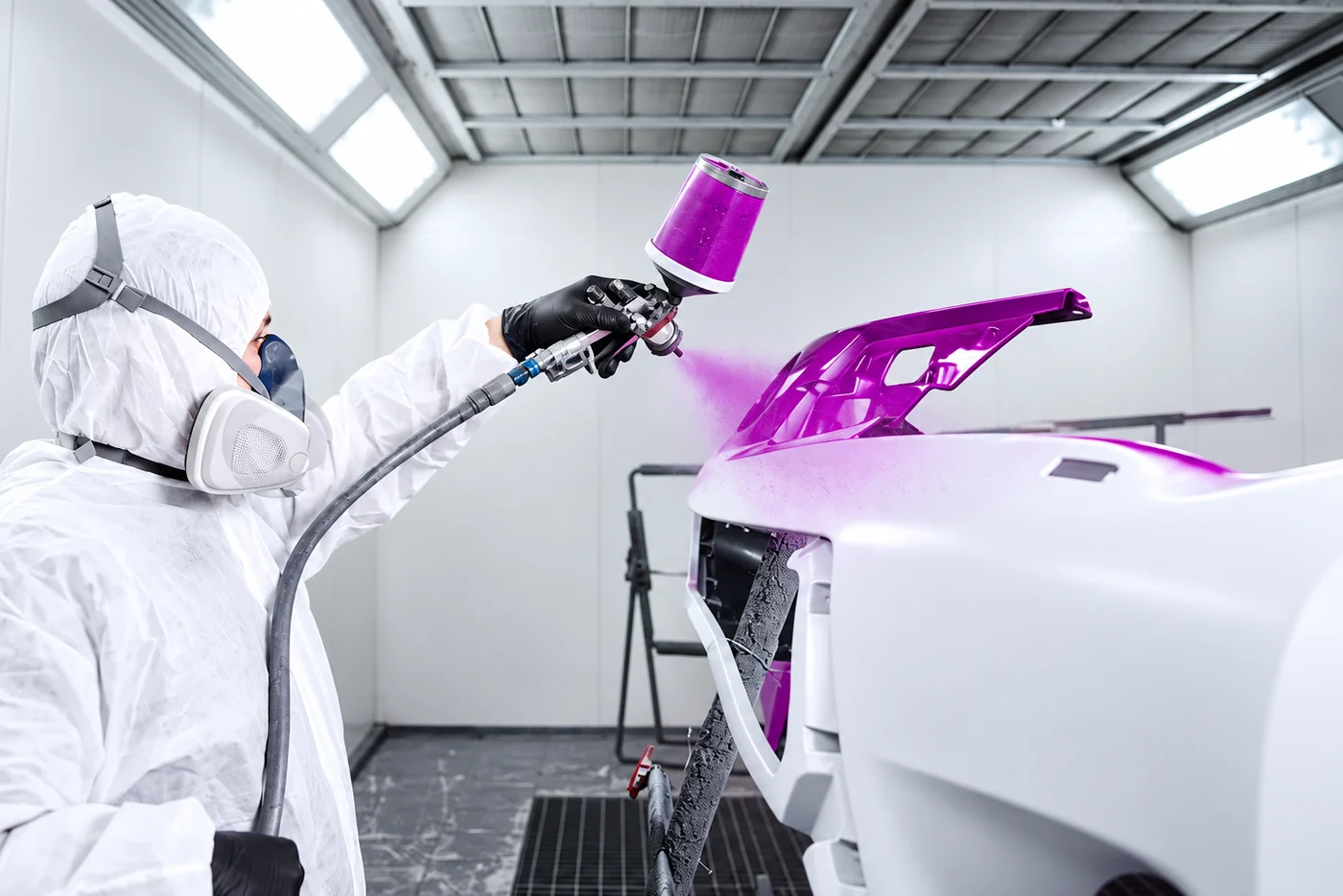
Vacuum cast parts leave the mold with the master’s surface, and our in-house finishing area takes them the rest of the way — from raw cast part to painted final prototype.
- Plastic spray painting with custom Pantone color matching
- Matte, gloss, texture or leather-effect finishes
- Silk-screen and pad printing for logos and markings
- Embedded threaded inserts, nuts and metal parts
- Polishing, hand finishing and assembly
Quality and Inspection for Vacuum Cast Parts
Vacuum cast parts should be checked against the purpose of the prototype: appearance, fit, assembly, color, surface finish and selected dimensions. Jingrui Proto connects vacuum casting with drawing review, visual inspection, trimming review, fit checks and documented measurement where the RFQ defines critical features.
What we check
- Cosmetic surfaces, paint or texture consistency and visible defects.
- Trimmed edges, insert areas, mating faces and assembly fit where supplied.
- Critical dimensions from the drawing or buyer inspection notes.
What buyers should define
- Which surfaces are cosmetic and which dimensions are functional.
- Whether parts are for display, handling, fit check, functional trial or pilot assembly.
- Whether a 2D drawing or measurement report is needed with the shipment.
For projects requiring broader process and supplier control, review Jingrui Proto’s manufacturing facilities and inspection context and include the acceptance criteria in the RFQ package.
Real Vacuum Casting Case Studies
Projects we actually delivered with silicone vacuum casting — from medical diagnostics hardware to robotics shells and automotive parts.

Ivder POCT Analyzers — 60-Unit Medical-Grade Run
A clinical-grade batch of analyser housings without injection tooling costs. ±0.1 mm consistency across all 60 units, delivered hospital-ready.

YOGO ROBOT KAGO 5 — 30 Robot Sets
One-stop small-batch manufacturing with 50% lower pricing than the previous supplier and delivery seven days faster — sample prototyping passed on first approval.
Medical Wearable Device Housings — Pilot Production
Short-run wearable housings for usability testing, assembly verification and early clinical feedback — near-production appearance before the design is frozen for tooling.

Automotive Intake Manifold Prototypes
Complex duct geometry cast as functional prototypes for airflow review, fit checks and low-volume testing before steel tooling.
Black Functional Engineering Parts
Complex ribs, gears, impeller-style geometry and brackets cast in ABS-like PU for low-volume test components and engineering validation.
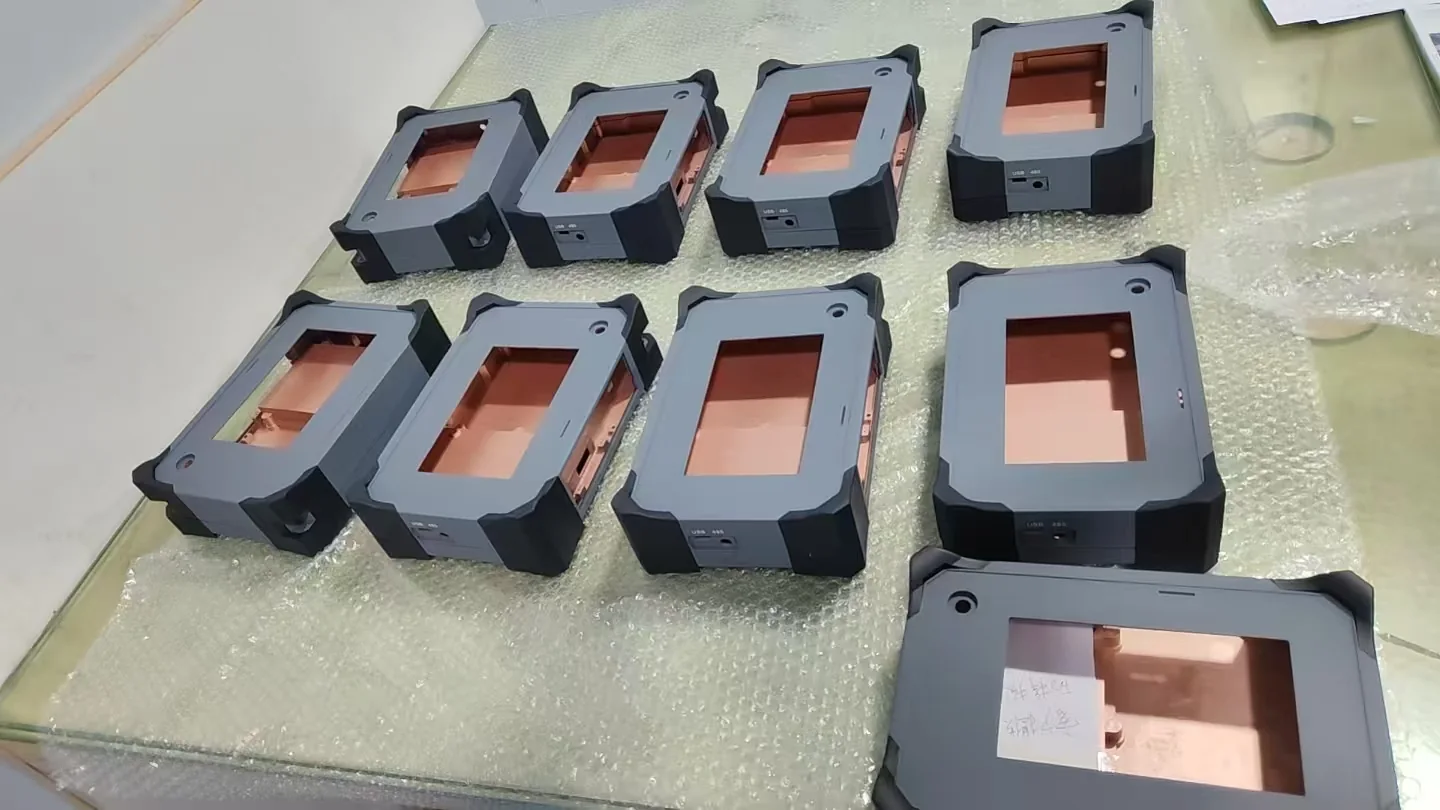
Electronic Instrument Housings — Multi-Finish Assembly
A recent verified case showing vacuum-cast housings with multiple finish requirements, embedded hardware and assembly planning. Material grade was not publicly verified, so no resin grade is claimed.
Advantages & Limitations
Pros
- Far lower tooling cost than steel injection molds for small quantities
- Multiple material texture and surface finish options
- Realistic molded appearance with support for complex geometries
- Fast turnaround for prototype validation
Limitations
- Not intended for mass-volume production
- Mold life is limited, usually around 15-25 parts per silicone tool
- Not suitable for high-temperature long-term working parts
Buyer FAQ for Vacuum Casting
Vacuum casting is used for prototype housings, covers, cosmetic models, pilot-run plastic parts and low-volume assemblies that need molded-plastic appearance before injection molding. It is especially useful when one or two printed samples are not enough for user review, assembly checks or buyer demonstrations.
A typical silicone mold can usually produce about 15-25 polyurethane parts, depending on geometry, resin, finish and demolding stress. Larger batches can be split across multiple silicone molds after the master model and finish target are approved.
Common options include ABS-like rigid polyurethane, rubber-like flexible polyurethane, transparent polyurethane and colored or paintable PU systems. The right material depends on appearance, handling, assembly, heat exposure, flexibility and whether the prototype needs to simulate a final production plastic.
Vacuum casting uses a silicone mold and polyurethane resin, so tooling is faster and cheaper for small batches. Injection molding uses metal tooling and production resin, so it is better for high-volume production after the design is mature. Vacuum casting is normally the prototype or pilot-run step before hard tooling.
Vacuum casting gives product teams multiple consistent prototype parts for assembly, customer review, trade shows, painting, surface finishing and limited functional checks. It helps buyers validate the look and handling of a plastic part while the design is still changing.
Yes. Jingrui Proto has published vacuum casting examples using colored, painted, transparent and rubber-like polyurethane parts. The RFQ should specify color reference, gloss level, texture, transparent or translucent target, visible faces and whether paint, conductive coating or rubberized finish is required.
Vacuum casting can support limited functional prototypes, fit checks and assembly validation when polyurethane material behavior is acceptable for the test. It should not be treated as a guaranteed substitute for final injection-molded production resin unless the test conditions, critical dimensions and acceptance criteria are defined.
Send 3D CAD files, a 2D drawing if critical dimensions matter, target quantity, material behavior, finish and color target, cosmetic surfaces, insert or assembly needs, intended use and delivery requirement. This lets Jingrui Proto recommend vacuum casting, 3D printing, CNC machining or injection molding based on the real project risk.
Yes. Jingrui Proto regularly handles anonymized and buyer-sensitive prototype work. If your CAD, product design or application is confidential, say so in the RFQ and request NDA handling before files or project details are shared broadly.
Get a Quote
Send STEP, STL or other available 3D files, target quantity, material or finish expectations, color reference, critical dimensions and intended use. Jingrui Proto will review the RFQ package and recommend whether vacuum casting, 3D printing, CNC machining or injection molding is the safest route before quotation.
Get a Quote for Your Vacuum Cast Parts
Send us your 3D files and we will confirm mold making time, material options, finishing and delivery for your low-volume run.
Vacuum Casting as a Bridge to Low-Volume Production
Vacuum casting is useful when buyers need repeated plastic-like housings for appearance, assembly or pilot evaluation before injection tooling. See the broader low-volume manufacturing path, compare alternatives in the 10-100 parts guide, and review the medical wearable housing case.
Choosing a Low-Volume Production Route
Compare tooling commitment, quantity and validation needs in Vacuum Casting vs Injection Molding for Low-Volume Production.
Related Project Case Study
See this Vacuum-Cast Electronic Instrument Housings With Multi-Finish Assembly for verified production evidence and project planning context.