
Filament-based thermoplastic printing
FDM 3D Printing for Large, Fast and Cost-Conscious Prototype Parts
Jingrui Proto uses FDM when buyers need large thermoplastic models, concept parts, fixtures, housings or display prototypes where speed, size and material cost matter more than SLA-level surface detail.
FDM is useful for PLA, ABS, PETG, TPU and ASA parts, including multi-color presentation models when the project goal is visual communication rather than precision resin detail.
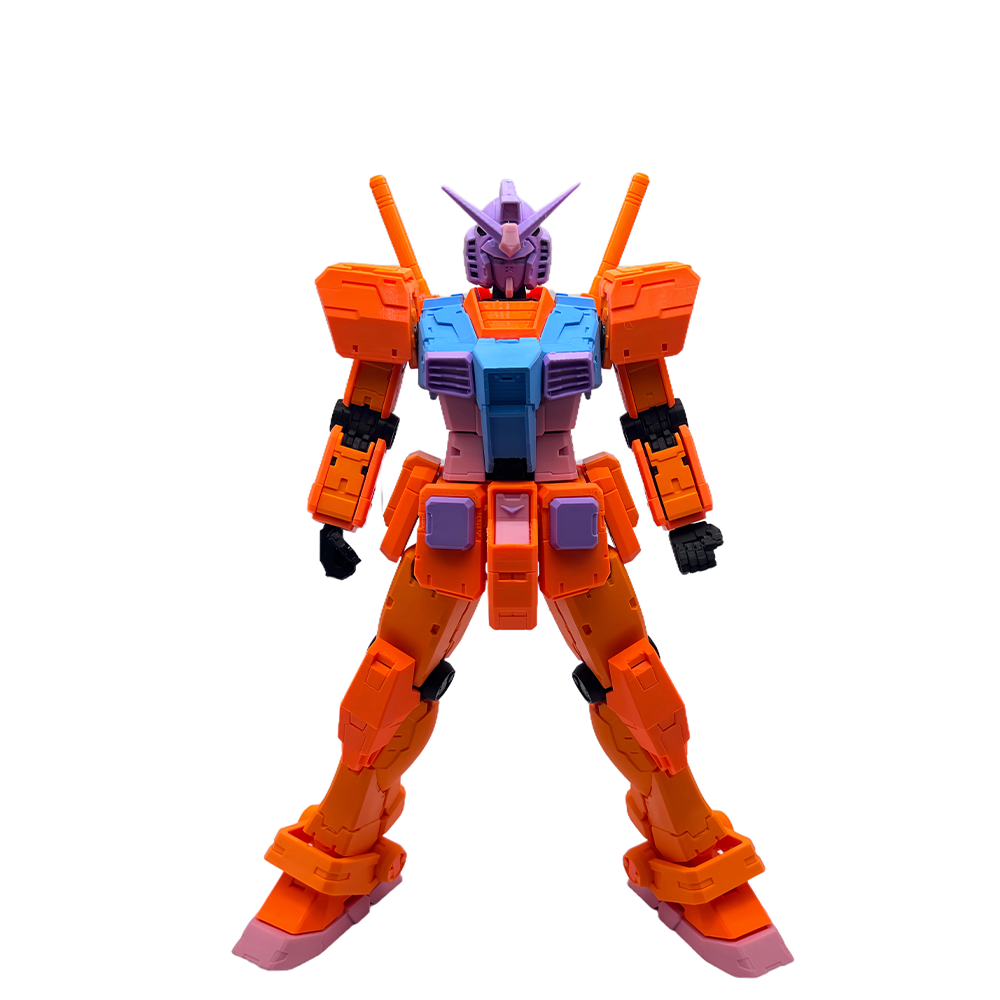
FDM Capability Snapshot
| Best fit | Large visual prototypes, simple functional checks, low-cost thermoplastic models, fixtures, jigs and presentation parts. |
|---|---|
| Verified materials from existing product data | PLA, ABS, PETG, TPU and ASA. |
| Build envelope from existing product data | Customized industrial-grade FDM equipment; maximum build volume 1500 × 1500 × 1000 mm (X × Y × Z). |
| Accuracy from existing product data | +/-0.5%, lower limit +/-0.15 mm. |
| Lead-time note from existing product data | Can be as little as one day depending on part, material, queue and review. |
Can a part approximately 1.4 meters long be FDM printed in one piece?
A part approximately 1.4 meters long can be considered for one-piece FDM printing when its orientation and complete geometry fit the 1500 × 1500 × 1000 mm build volume. Length alone is not sufficient: submit the full CAD model, support-access constraints and required finish for engineering review.
When FDM Is the Right Choice
Large geometry
Use FDM when the part size makes resin printing or machining less economical and a visible layer texture is acceptable.
Fast concept review
FDM can support design reviews, ergonomic mockups, fixture checks and low-cost iterations before committing to a higher-finish route.
Color communication
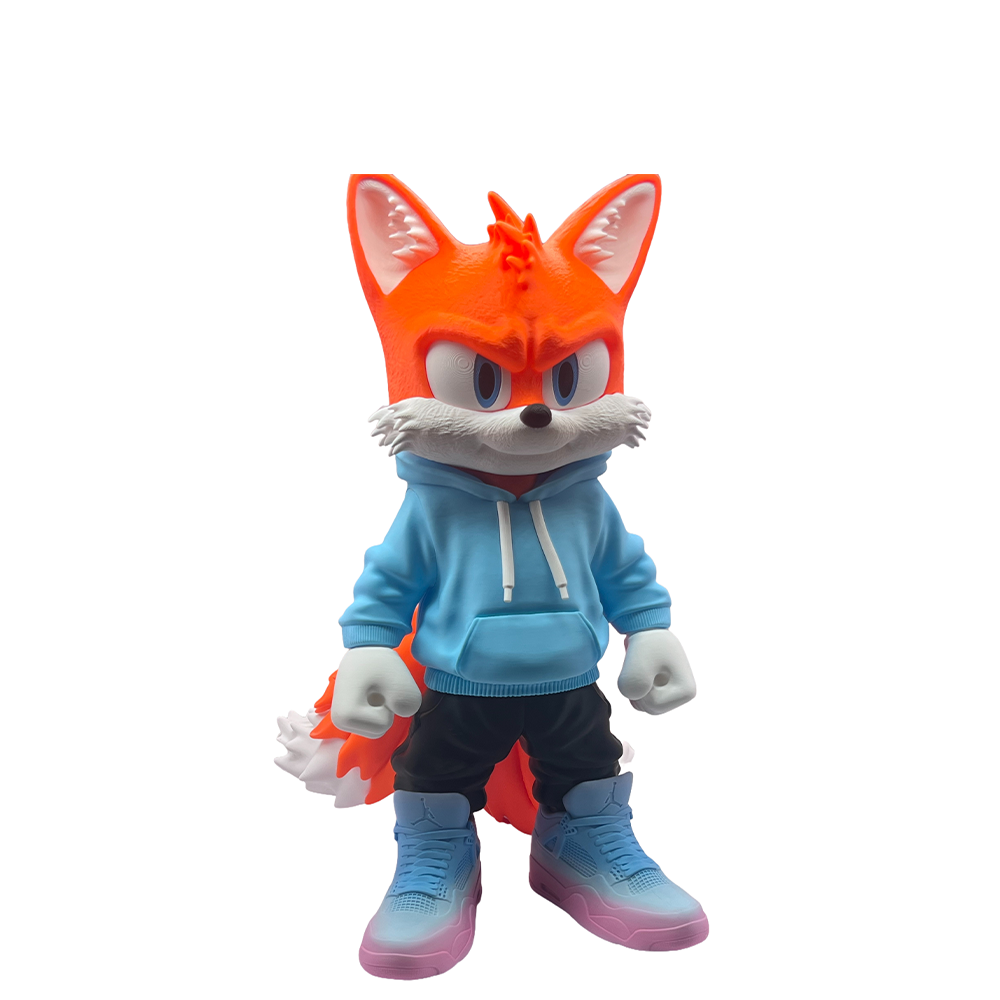
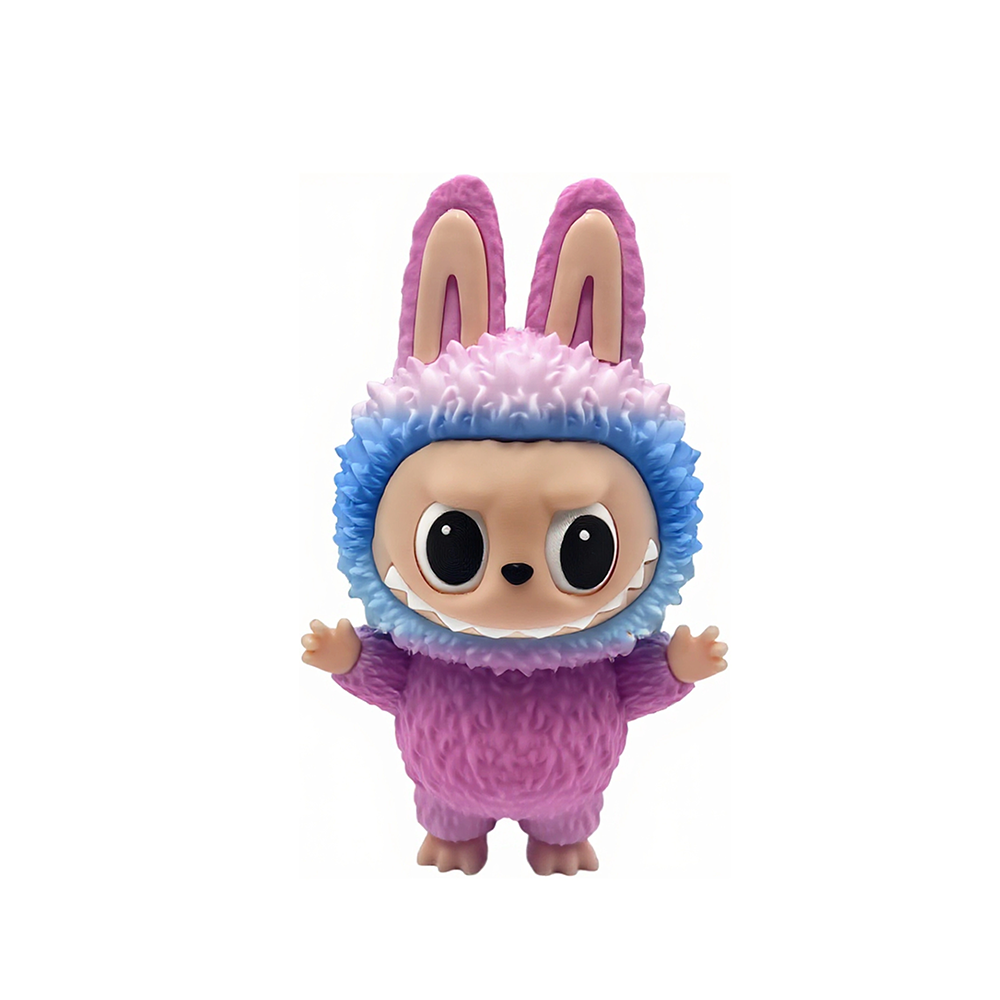
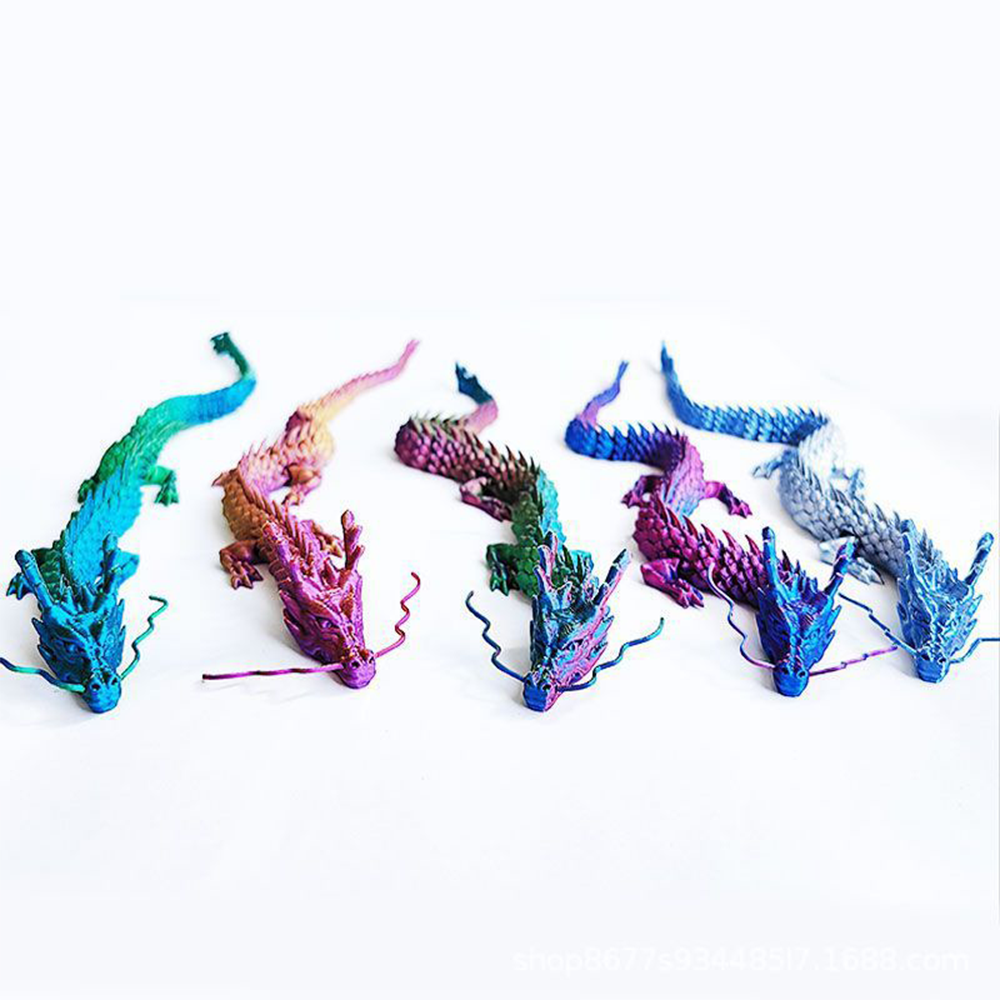
Multi-color FDM can help presentation models communicate design intent without a separate painting stage.
Real FDM Visual Evidence
FDM Design and RFQ Guidance
Surface expectations
FDM layer lines are usually more visible than SLA or MJF surfaces. Identify cosmetic faces before quotation.
Part size and warping
Large flat areas, thin walls and heat-sensitive geometries should be reviewed for warping, split lines and assembly strategy.
Material intent
State whether the part is for visual review, handling, fixture use, flexibility, outdoor exposure or heat exposure so the material route can be reviewed.
FDM vs SLA, SLS, MJF and FGF
Choose FDM for large, fast and cost-conscious thermoplastic prototypes. Choose SLA for smooth detail and clear/painted appearance parts, SLS or MJF for nylon functional parts, and FGF for meter-scale pellet-extrusion work.
Compare routes on the 3D printing service page or send files for engineering review.
FDM 3D Printing FAQ
Is FDM suitable for smooth display models?
It can support presentation models, especially where color or size matters, but SLA is usually better when fine detail and smooth surface quality are the priority.
What should I send for an FDM quote?
Send CAD files, quantity, material preference, size, color requirements, target finish and any functional or assembly features.
Is the FDM build volume the same as the FGF size capability?
No. The confirmed FDM build volume is 1500 × 1500 × 1000 mm; the separately confirmed FGF 1800 mm maximum-size statement must not be used as the FDM envelope. Process selection still depends on complete geometry, material and finishing requirements.
Request an FDM Quote
Send CAD files, quantity, target material, size, color and finish requirements so Jingrui Proto can review whether FDM is the right route.