
Powder-bed nylon printing for RFQ-ready buyers
SLS Nylon 3D Printing Service
Jingrui Proto provides SLS selective laser sintering for functional nylon prototypes, support-free geometry, housings, ducts, clips, brackets and small-batch plastic parts.
This page is written for engineering and sourcing teams preparing a quotation package: CAD files, target material, critical dimensions, finish expectations, quantity and assembly requirements.
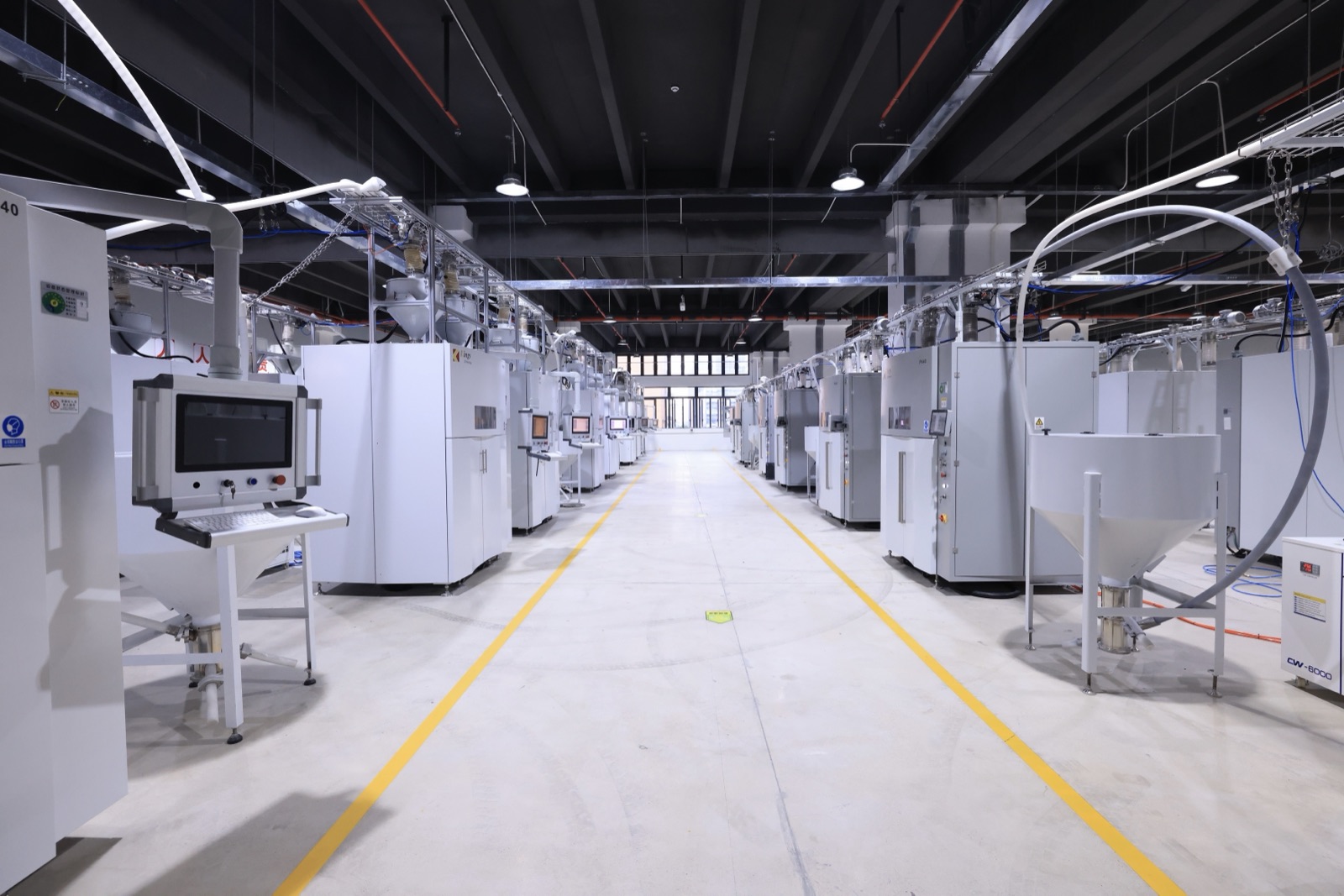
When SLS Is the Right Route
SLS is useful when the plastic prototype needs nylon behavior, complex geometry and no separate support structures. Jingrui Proto uses SLS within a broader manufacturing workflow that can include CAD review, finishing, bonding, assembly and process comparison against SLA, MJF, CNC machining or vacuum casting.
Functional nylon prototypes
Use SLS when nylon toughness, handling strength and design flexibility matter more than a very smooth SLA-like surface.
Support-free internal geometry
Powder supports the build during printing, so ducts, channels, undercuts, clips and nested parts can be reviewed without conventional support removal.
Small-batch nylon parts
SLS can support repeated nylon parts when the geometry, finish expectations and acceptance criteria fit the process.
SLS Capability Snapshot
| Best fit | Functional nylon prototypes, support-free internal geometry, housings, ducts, clips, brackets and small-batch nylon parts. |
|---|---|
| Material scope from existing page | PA12 nylon and glass-filled nylon. |
| Finishing options from existing page | Sand blasting, dyeing, painting and impregnation. |
| Design advantage | No support structures are required, so complex nested parts and internal features can be reviewed for SLS. |
| RFQ inputs | CAD file, quantity, material intent, critical dimensions, finish target, color requirement and intended validation use. |
Nylon 3D Printed Parts and Applications
These Jingrui Proto nylon 3D printed parts show the kind of housings, brackets and mechanical prototypes buyers can reference when preparing an RFQ. Use the photos to communicate geometry, visible surfaces, inserts, mounting features and application intent.
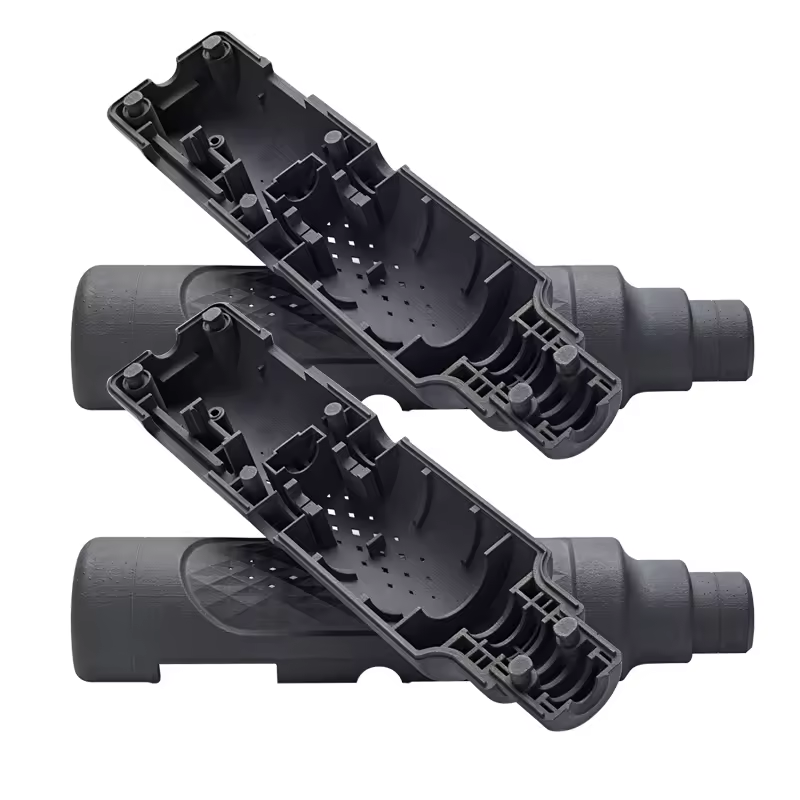
Finished nylon housings
Black nylon housing sections with ribs, bosses and internal geometry for automotive-style prototype review.

Functional equipment housing
Black nylon housing with openings, mounting details and finished surfaces for application and fit-review discussions.
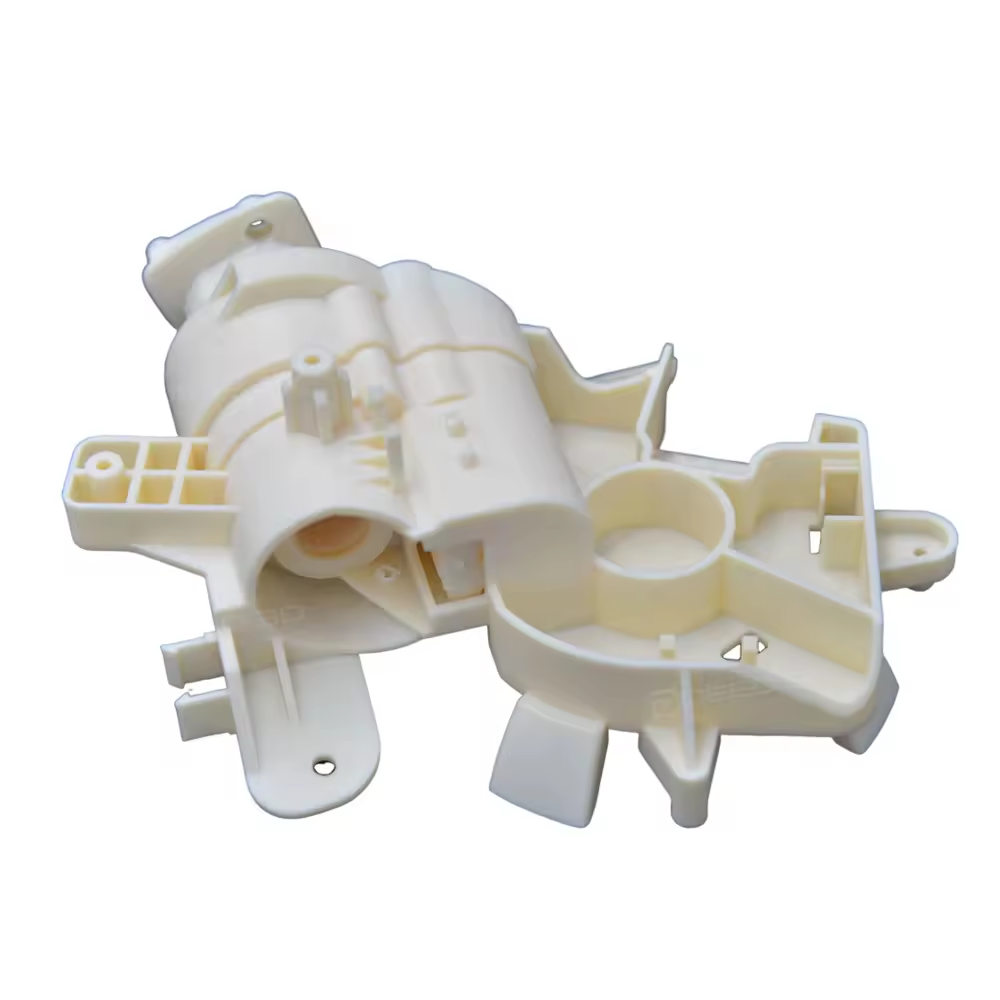
Mechanical prototype part
White nylon prototype with bosses, openings and curved surfaces for fit, packaging and assembly review.
Large-Format Nylon Sectioning, Bonding and Assembly
For automotive prototypes and other large nylon components, Jingrui Proto can review whether the part should be manufactured as one print or divided into sections for post-print bonding and assembly. This is useful when a bumper-scale mockup, duct, cover, dashboard-related component, exterior trim prototype or inspection model exceeds the practical build strategy for a single SLS job.
Engineering review before splitting
- Review CAD size, wall thickness, visible surfaces and load path.
- Plan split lines where they reduce visual and assembly risk.
- Confirm whether the part is for fit, appearance, aerodynamic packaging or functional handling.
Bonding is not one-piece strength
- Bonded sections can help produce oversized prototypes when one-piece printing is not practical.
- The bonded joint must be reviewed separately for handling, alignment and test requirements.
- Do not assume bonded areas have the same mechanical strength as a one-piece printed SLS part.
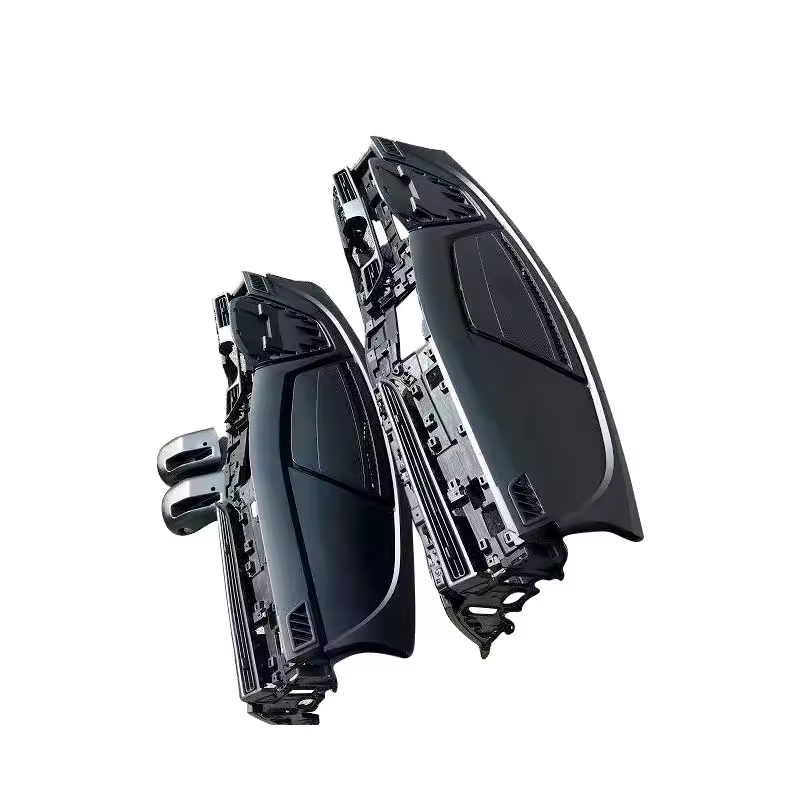
Large automotive-style parts
Use large nylon component photos to discuss build strategy, sectioning, visible surfaces and post-print assembly planning.
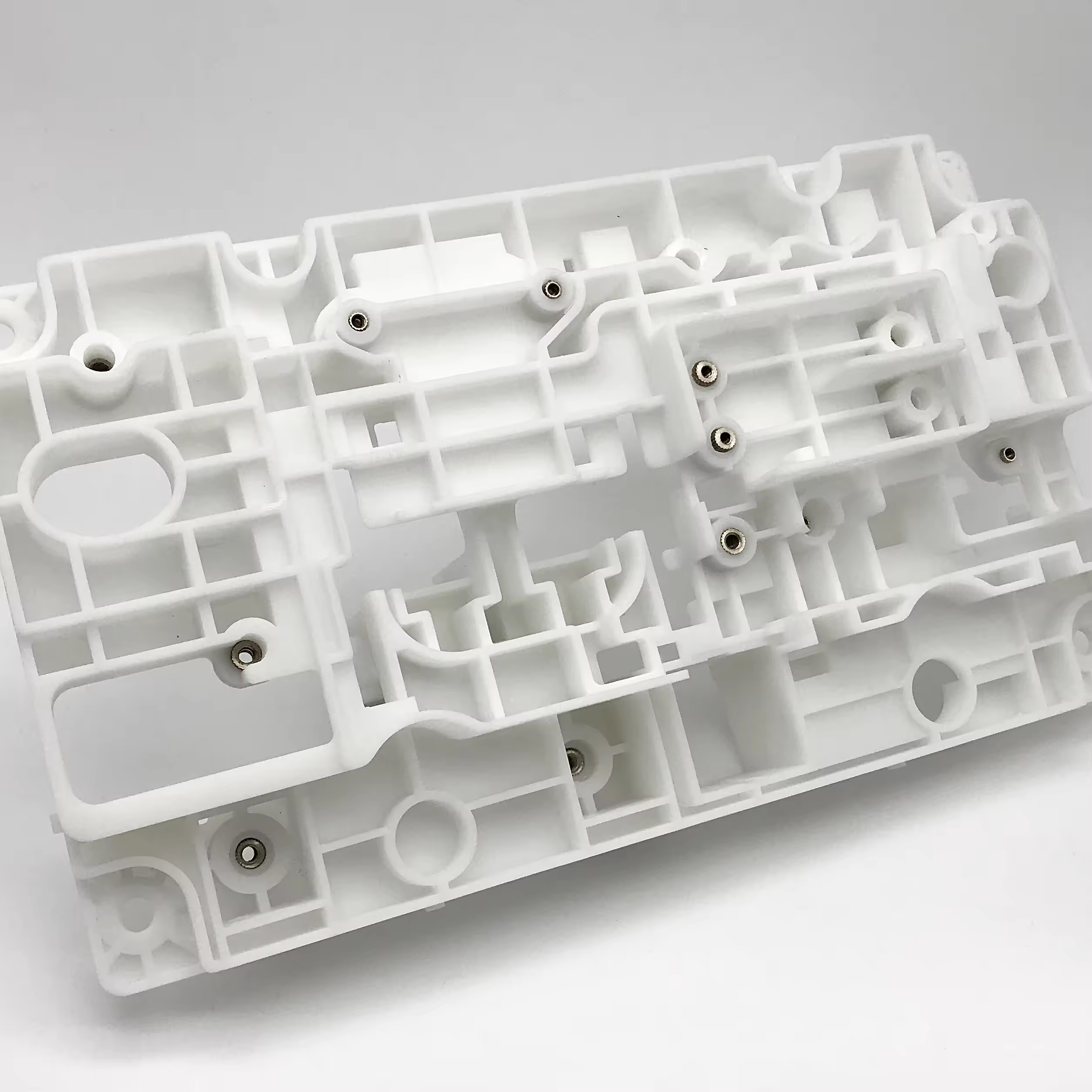
Assembly and insert detail
Hardware, inserts and assembly interfaces should be called out in the RFQ before printing, bonding or finishing decisions.
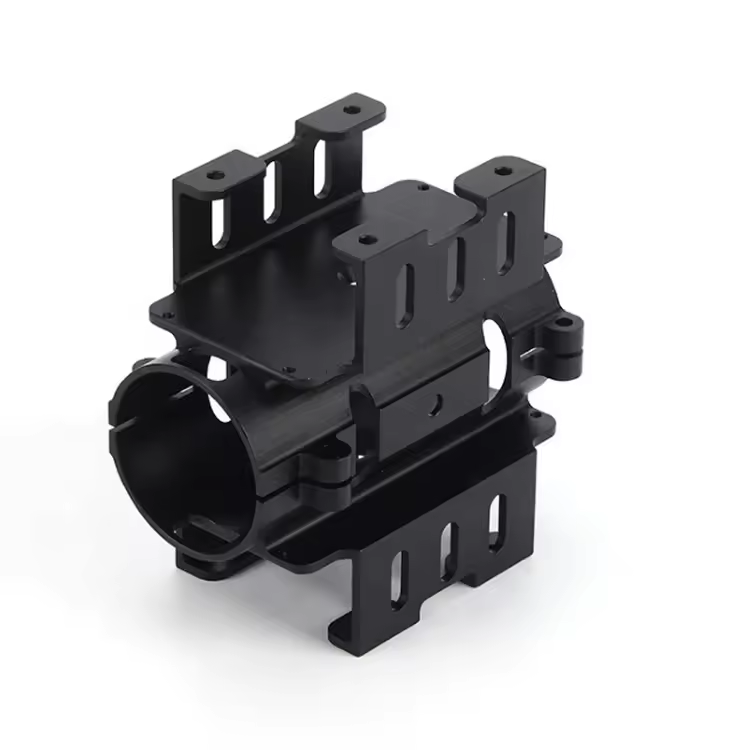
Mounting bracket geometry
Bracket-style nylon parts help clarify mounting holes, slots, tube interfaces and assembly loads before engineering review.
Buyer decision: large SLS nylon parts may be manufactured in sections and bonded after printing, subject to engineering review. The RFQ should state whether the part must carry load, hold clips, survive testing, or mainly prove size, fit and appearance.
SLS Design and RFQ Guidance
Surface texture
Raw SLS nylon has a powder-bed texture. Identify cosmetic surfaces and finishing expectations before quotation.
Critical dimensions
Send drawings for mating faces, holes, clips and assembly interfaces. Tolerance expectations depend on size, wall thickness and geometry. Jingrui Proto’s approved SLS precision specification is ±0.02 mm. Actual achievable tolerances depend on part geometry, dimensions, material and inspection requirements. Specific tolerances should be confirmed during engineering review.
Color and finishing
Black dyeing, painting or other finishing should be specified in the RFQ when appearance matters.
SLS vs SLA and MJF
| Route | Choose it when | Watch-outs |
|---|---|---|
| SLA | Smooth surface, fine detail, transparent or painted appearance prototypes. | Resin behavior differs from nylon; support marks and post-curing matter. |
| SLS | Support-free nylon geometry and functional prototype behavior are important. | Surface is grainier than SLA and may need finishing. Large parts may require sectioning and bonding review. |
| MJF | Repeatable PA12 nylon parts, brackets, clips and batch production planning. | Review MJF vs SLS based on geometry, batch size, finish and acceptance criteria. |
SLS RFQ Checklist
- 3D CAD file and drawing for critical dimensions.
- Quantity, target material and whether PA12 or glass-filled nylon is required.
- Functional test purpose: fit, handling, clips, ducts, load, appearance or assembly.
- Visible surfaces, color, dyeing, painting or impregnation requirements.
- Threaded inserts, bonding, sectioning, labels, hardware or assembly notes.
- Inspection needs for mating features, holes, clips, sealing surfaces or datum areas.
SLS 3D Printing FAQ for Buyers
No. SLS uses surrounding powder as support, which is why it can be useful for complex nylon geometries, internal channels and nested parts.
Yes, when suitable after engineering review. Large parts may be printed in sections and bonded after printing, but bonded joints should be evaluated separately and should not be treated as having the same mechanical strength as a one-piece printed part.
Yes, finishing options can include black dyeing, painting and other post-processing when the geometry and acceptance criteria are suitable.
Send CAD files, quantity, material requirements, critical dimensions, finish expectations, color needs, bonding or assembly notes and the intended functional test.
Request an SLS Nylon Quote
Send CAD files, quantity, finish target, critical dimensions and any large-part bonding or assembly requirements so Jingrui Proto can review whether SLS, MJF or another route is safest for your RFQ.