
A practical milling route for plates, brackets, pockets and housings.
3-axis CNC moves the cutter along X, Y and Z while the workpiece remains fixed during the cut. It suits features reachable from one tool direction. Additional faces can be machined with deliberate re-fixturing when the geometry and datum requirements allow it.
In-house CNC machining · Typical ±0.02 mm
Typical ±0.02 mm, confirmed during engineering review.
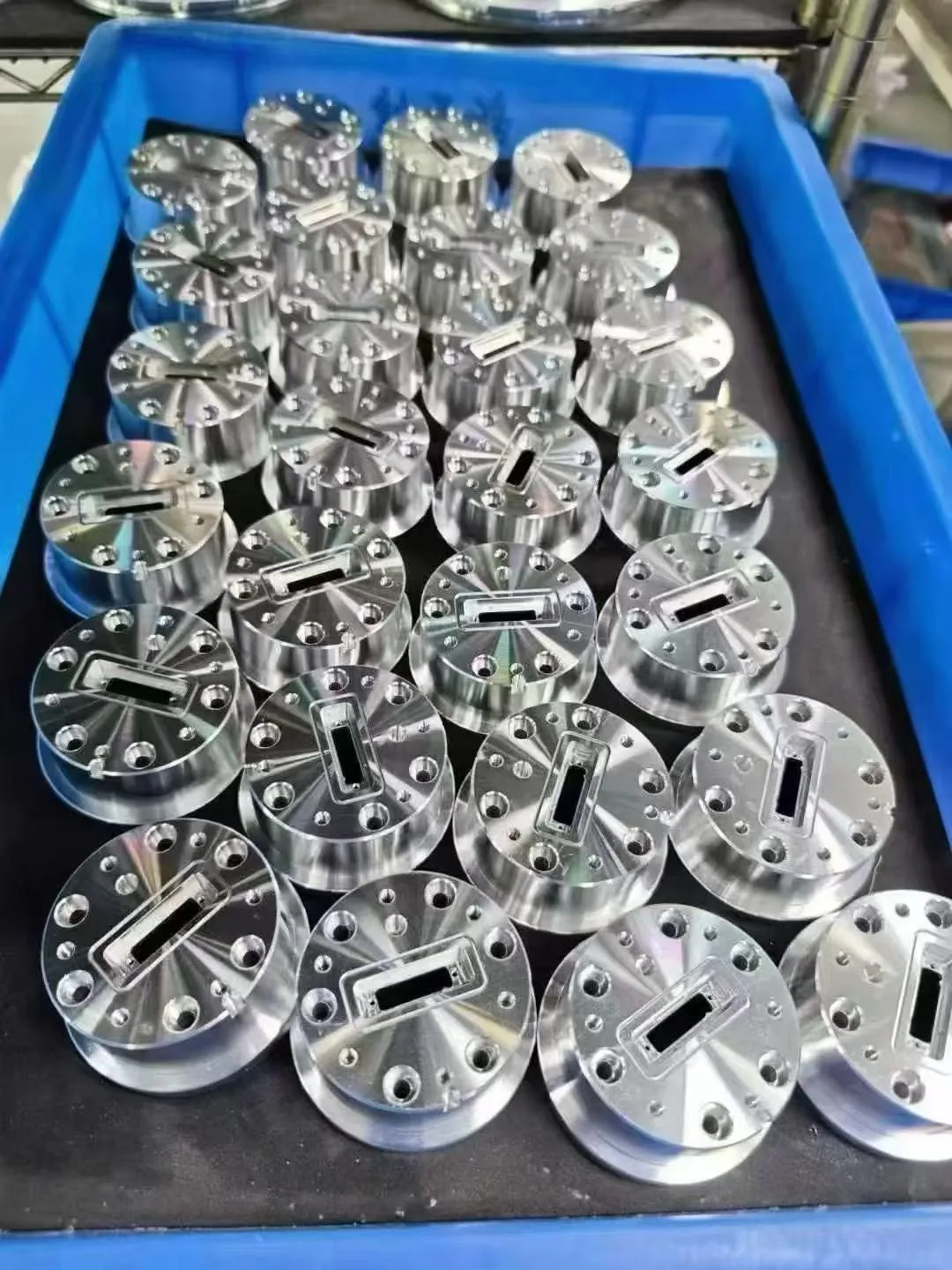
Choose 3-axis for geometry the cutter can reach
3-axis CNC machining requires review of the following geometry, material and manufacturing considerations for the submitted part.
| Feature | Process consideration |
|---|---|
| Plates, brackets and covers | Accessible faces, hole patterns and open pockets are useful starting points. |
| Housings and prismatic components | Plan each setup around stable datums and protected finished surfaces. |
| Pockets, slots and bores | Specify internal radii and depth; review tool reach, rigidity and chip removal. |
| Multiple sides | Re-fixturing can be appropriate, but positional relationships must account for datum transfer. |
Design limitations and setup planning
Three axes do not mean lower accuracy by definition. The relevant question is whether the complete part can be machined and inspected consistently with the chosen setups. Additional axes can improve access without automatically improving every tolerance.
- Internal corners retain a cutter radius; sharp enclosed corners may require another process.
- Undercuts require suitable tooling and access, or a different manufacturing route.
- Thin walls and deep cavities can deflect; review stock removal and support.
- Compound-angle features and complex curved surfaces may justify 5-axis.
- Overall machine travel is not a guaranteed work envelope for every fixture or material.
Applications for straightforward milling
3-axis CNC machining requires review of the following geometry, material and manufacturing considerations for the submitted part.
- Automation fixture plates and locating brackets.
- Electronics housings, covers and mounting plates.
- Functional metal prototypes with accessible pockets and holes.
- Low-volume machined components with repeatable setup datums.
Which materials can be reviewed for 3-axis CNC machining?
Material selection for 3-axis CNC machining depends on function, grade, stock condition, geometry and finishing requirements.
| Metal family | Examples for review | Selection considerations |
|---|---|---|
| Aluminum | 6061, 7075 | Weight, stiffness, machining access and anodizing requirements. |
| Stainless steel | 303, 304, 316 | Corrosion resistance, machinability and the specified surface condition. |
| Carbon and alloy steel | 1045, 4140 | Strength, final hardness, heat-treatment sequence and corrosion protection. |
| Titanium | Ti-6Al-4V | Strength-to-weight needs, tool access and cost. |
| Brass and copper | Drawing-specified grade | Machinability, conductivity, cosmetic requirements and stock condition. |
These are material examples, not a stock or performance guarantee. Confirm the exact alloy, temper or hardness, required certification and availability with the quotation. The tolerance framework must be checked for the selected material and geometry.
What tolerance and inspection requirements apply to 3-axis CNC machining?
Jingrui Proto provides CNC machining with typical tolerances of ±0.02 mm. Actual achievable tolerances depend on part geometry, material, dimensions and machining requirements and are confirmed during engineering review.
Identify datum references, positional requirements, threads, fits and the dimensions that govern assembly. A dimensional tolerance alone does not specify flatness, concentricity or surface texture. Agree the inspection method and report scope before production; available resources include CMM, optical measurement, micrometers and thread gauges, selected to suit the feature.
Which finishing processes for 3-axis CNC machining are in-house?
CNC machining, heat treatment, grinding, sanding, polishing, sandblasting, powder coating, painting and screen printing are available in-house. Electroplating and anodizing are arranged through qualified specialist partners in China. Jingrui Proto coordinates these processes within the overall manufacturing and delivery workflow.
Specify hardness, coating type, thickness, masking, cosmetic faces and whether dimensions apply before or after finishing. Heat treatment can move material; anodizing and plating can alter fits. Agree machining allowances, any final machining and inspection after the specified process.
See surface finishing options for the next review step. Availability and suitability depend on material and drawing requirements.
What should buyers confirm before requesting 3-axis CNC machining?
Before requesting 3-axis CNC machining, confirm the geometry, material, critical features, finish and inspection scope.
Does a more complex machine guarantee a tighter tolerance?
No. Feasible tolerances depend on the complete process, material, geometry, workholding and inspection. Mark critical requirements on the drawing for engineering review.
Is heat treatment performed in-house?
CNC machining, heat treatment, grinding, sanding, polishing, sandblasting, powder coating, painting and screen printing are available in-house. Electroplating and anodizing are arranged through qualified specialist partners in China. Jingrui Proto coordinates these processes within the overall manufacturing and delivery workflow.
Can I request a quote before deciding the exact route?
Yes. Send the model, drawing and functional requirements. Identify unresolved material or finish choices so they can be reviewed and clearly stated in the quotation.
What is needed for a 3-axis CNC machining manufacturing review?
A 3-axis CNC machining manufacturing review requires CAD, a dimensioned drawing, material and grade, quantity, finish and critical acceptance requirements.
The quotation should confirm the machining route, feasible tolerances, secondary-process responsibilities and inspection scope. Lead time is confirmed against the actual part and production schedule.