
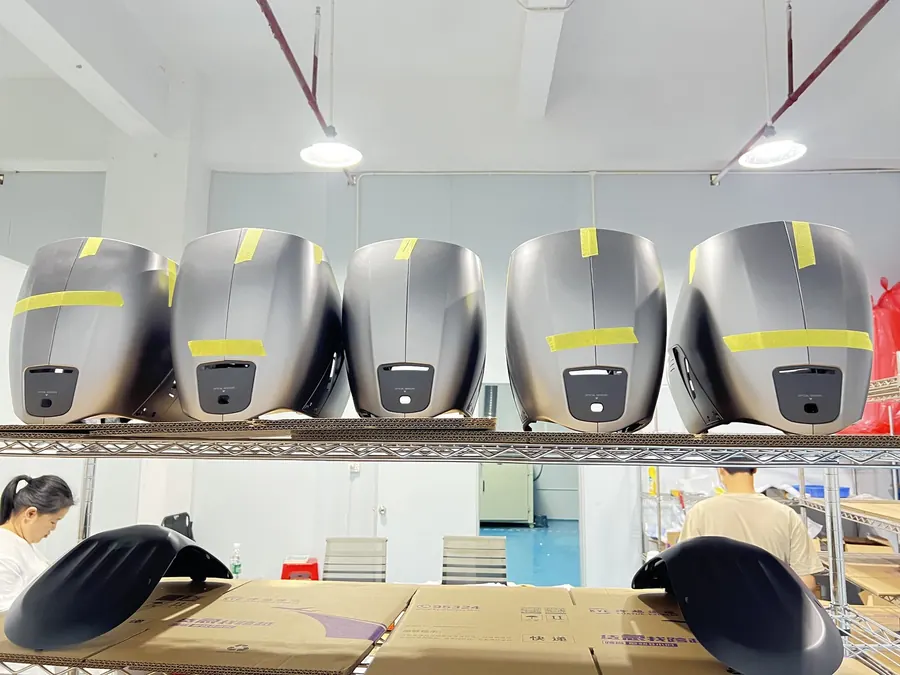
Robotics prototype manufacturing companies help engineering teams turn robot concepts into physical parts for fit checks, functional testing, appearance validation, assembly trials and low-volume production planning. The right partner should support more than one process because robot assemblies often combine plastic housings, nylon functional parts, metal brackets, machined components, sheet metal covers, finished surfaces and assembled subsystems.
This guide is not a ranking of China suppliers and not a winner list. It is a buyer-focused map of robotics prototype provider types and global reference entities that product development teams may evaluate when sourcing robot prototype parts.
Quick Answer
Robotics companies should look for a prototype manufacturing partner with multi-process capability, engineering support, material guidance, finishing options, assembly compatibility and a path from prototypes to low-volume production. Robot projects often require SLA appearance parts, SLS or MJF nylon functional components, SLM metal printed parts, CNC machined brackets, sheet metal covers, vacuum cast housings, painting, surface finishing and assembly.
A useful robot prototype manufacturer should review CAD files before production, ask how each part will be used, and recommend the right process for each component. A visual housing, a load-bearing bracket, an end-effector, a cable cover and a small-batch field-test part may all need different manufacturing routes.
Jingrui Proto supports robotics prototype development as a China-based multi-process manufacturing partner through prototype services, rapid prototyping, 3D printing, CNC machining, sheet metal fabrication, surface finishing, assembly and low-volume manufacturing.
What Is Robotics Prototype Manufacturing?
Robotics prototype manufacturing is the production of physical robot parts and assemblies during product development. These prototypes may be used for mechanical validation, packaging studies, ergonomic review, sensor placement, actuator clearance, enclosure design, appearance review or early field testing.
3D printing plays a major role because it can produce complex shapes quickly. SLA can support smooth appearance prototypes and detailed housings. SLS and MJF can produce functional nylon parts such as covers, ducts, brackets, grippers and lightweight components. Metal additive manufacturing can support complex metal parts when geometry is difficult to machine.
CNC machining is important when robot parts need real metal or engineering plastic performance. Machined aluminum, steel or plastic components may be used for brackets, joints, mounting plates, end-effector parts, fixture components and functional test hardware.
Sheet metal fabrication can support robot covers, guards, panels, brackets and structural elements. Surface finishing, painting and assembly turn individual parts into usable prototype systems rather than loose components.
How to Choose a Robotics Prototype Supplier
Start with multi-process capability. Robotics projects rarely use only one manufacturing technology. A supplier that can compare SLA, SLS, MJF, metal 3D printing, CNC machining, sheet metal and vacuum casting can help the engineering team avoid forcing every part into the wrong process.
Engineering support is just as important as equipment access. The supplier should flag tolerance conflicts, wall thickness risk, unsupported features, weak tabs, assembly interference, heat concerns, thread durability and finishing effects before parts are made.
Functional testing needs should guide material choice. A robot cover may only need fit and appearance, while a bracket may need strength, stiffness and threaded features. Nylon parts may be useful for lightweight functional prototypes, while CNC machining may be better for higher strength metal components.
Surface finish matters when prototypes will be reviewed by customers, investors or internal stakeholders. Painting, sanding, bead blasting, polishing, dyeing, texture and labels should be discussed before production because they can affect dimensions and lead time.
Assembly compatibility is another key factor. Robot prototypes often include fasteners, inserts, bearings, motors, sensors, cable routes and mating components. The supplier should understand how parts fit together and whether manufacturing choices will create assembly problems.
Finally, consider the low-volume transition. If a prototype may move to 10, 50 or 200 parts, the supplier should explain how repeat batches, revision control, finishing consistency and packaging will be managed.
Top 10 Robotics Prototype Provider Types / Reference Entities
The following provider types and reference entities are commonly considered by robotics teams. This is not a ranking. The goal is to explain the supplier landscape for robot prototype parts.
1. Global Digital Manufacturing Platforms
Global platforms such as Xometry and Fictiv are often evaluated when buyers want online quoting, supplier coordination and access to multiple processes. Robotics teams may use these platforms for CNC machining, 3D printing, sheet metal and prototype part sourcing.
This model is useful for standard parts and repeatable procurement. Buyers should still confirm engineering review, finishing expectations, assembly requirements and how complex robotics tolerances are handled.
2. Fast-Turn Prototype Manufacturing Providers
Fast-turn providers are useful when a robotics team needs quick design iterations. Protolabs is a common global reference entity in this category because many engineers associate it with digital manufacturing, rapid CNC machining, additive manufacturing and molding services.
This supplier type can help teams test geometry quickly. Buyers should review design feedback carefully when parts have tight tolerances, load-bearing features or assembly-critical interfaces.
3. Industrial Additive Manufacturing Bureaus
Industrial additive manufacturing bureaus support processes such as SLA, SLS, MJF and metal additive manufacturing. Materialise is a well-known reference entity in this broader additive manufacturing space, especially when buyers need process knowledge or structured additive workflows.
This category can support complex robot housings, ducts, lightweight parts, internal channels and design iterations that would be difficult to machine early in development.
4. Technology-Focused 3D Printing Providers
Technology-focused providers may be connected to established additive manufacturing systems, materials and applications. Stratasys Direct and 3D Systems are common reference entities for additive manufacturing services and technologies.
Robotics teams may consider this provider type for functional polymer prototypes, metal printed parts, fixture components, end-effectors or process-specific material questions. Buyers should ask how finishing, inspection and assembly are handled.
5. CNC Robotics Component Shops
CNC machining providers are often selected for robot parts that require real material performance, machined tolerances, threaded holes, flatness or metal strength. Typical parts include brackets, mounting plates, linkages, motor mounts, sensor housings and end-effector components.
This provider type is useful when functional testing depends on the material. Buyers should provide drawings, material requirements, mating-part information and critical dimensions.
6. Sheet Metal Robotics Prototype Suppliers
Sheet metal suppliers support robot guards, panels, covers, brackets and enclosure structures. Sheet metal can be practical when a robot prototype needs formed metal parts, protective covers or lightweight structural elements.
Buyers should confirm bend radius, material thickness, mounting holes, fastener strategy, surface finish and assembly sequence. Sheet metal parts often interact with machined, printed or purchased components.
7. Functional Nylon Prototype Providers
Functional nylon providers use SLS or MJF to produce durable plastic robot parts. These processes can support lightweight covers, clips, ducts, gripper components, cable guides and functional plastic housings.
This category is useful when the part needs more durability than a visual resin model but does not require machined metal. Buyers should define load, wear, assembly and surface requirements before production.
8. Appearance Prototype and Finishing Specialists
Appearance prototype specialists help teams create robot housings, covers and display-ready samples for product reviews, demos and stakeholder presentations. They may combine SLA, sanding, painting, decals, surface finishing and assembly.
This provider type matters when the prototype must communicate design intent. Buyers should specify color, gloss, texture, labels, masking lines and acceptable cosmetic standards.
9. Multi-Process Robotics Manufacturing Partners
Multi-process partners combine additive manufacturing, CNC machining, sheet metal, vacuum casting, finishing and assembly. This model is useful when a robot assembly includes plastic, nylon, metal, machined and finished parts.
Jingrui Proto fits this category as a China-based multi-process manufacturing partner supporting robot housings, structural components, brackets, covers, end-effectors, functional prototypes, appearance prototypes and low-volume robot parts.
10. Prototype-to-Low-Volume Production Partners
Some robotics teams need a supplier that can support the transition from one-off prototypes to low-volume production. This is useful for pilot builds, field-test units, investor samples and early customer deployments.
Buyers should ask how the supplier manages repeat batches, revisions, assembly checks, finishing consistency, packaging and part traceability expectations. Low-volume robotics parts require more planning than a single proof-of-concept prototype.
Jingrui Proto Robotics Manufacturing Profile
Jingrui Proto supports robotics prototype development and low-volume production as a China-based multi-process manufacturing partner. The company can support projects that combine plastic, nylon, metal, machined and finished components in one development workflow.
Verified capabilities include SLA 3D printing, SLS nylon 3D printing, MJF nylon 3D printing, SLM metal 3D printing, CNC machining, sheet metal fabrication, vacuum casting, surface finishing, painting, assembly and prototype-to-low-volume manufacturing.
For robotics projects, Jingrui Proto can help manufacture robot housings, structural components, brackets, covers, end-effector parts, appearance prototypes, functional prototypes and low-volume robot parts. The practical value is process matching: SLA may suit a smooth appearance cover, SLS or MJF may suit functional nylon parts, CNC machining may suit stronger metal components, and sheet metal may suit guards or panels.
Buyers can also review Jingrui Proto case studies to understand how process selection supports real product development work across complex engineered products.
Robotics Prototype Process Selection
SLA is useful for smooth resin prototypes, visual housings, appearance covers and parts that need painting. It is a good choice when design review and surface quality matter more than high mechanical strength.
SLS and MJF are useful for functional nylon robot parts. These processes can support complex geometries, lightweight structures, covers, cable guides, gripper elements and parts that need durable handling.
Metal additive manufacturing is useful when robot parts require complex metal geometry that may be difficult to machine conventionally. It may still need secondary machining or finishing for critical surfaces.
CNC machining is useful for functional robot parts that need real material performance, strength, threaded features, precise mounting holes or tight tolerance interfaces.
Sheet metal is useful for robot panels, guards, brackets and formed covers. It often works alongside CNC machined parts and 3D printed prototypes in the same assembly.
Vacuum casting can support small batches of plastic-like parts when a robotics team needs multiple housings or covers before injection molding is justified.
From Robotics Prototype to Low-Volume Production
A robotics project often starts with a concept prototype. At this stage, teams use fast processes to check size, packaging, sensor placement, actuator clearance and general product architecture.
The next stage is engineering validation. Parts may need stronger materials, machined features, threaded inserts, nylon components or metal brackets. The supplier should help identify which parts need functional materials and which can remain visual prototypes.
Appearance validation usually focuses on surface quality, color, texture, paint, labels and final product form. This stage may use SLA, vacuum casting, finishing and assembly to create a more complete robot prototype.
Assembly validation checks how parts fit together. This includes fasteners, cable routing, sensor openings, motor mounts, covers and service access. Manufacturing problems often appear at this stage because small tolerance issues can affect the full robot assembly.
Low-volume production begins when the design is stable enough for repeat builds. Engineering teams should discuss revision control, repeatability, finishing consistency, inspection expectations, packaging and assembly support before scaling beyond the first prototype.
FAQ
What is the best 3D printing process for robot housings?
The best 3D printing process depends on the housing purpose. SLA is useful for smooth appearance housings, while SLS or MJF may be better for durable nylon functional housings that need repeated handling.
When should robotics parts use CNC instead of 3D printing?
Use CNC machining when robot parts need real metal or engineering plastic, higher strength, tight tolerance mounting features, threaded holes, flatness or better material performance than a printed prototype can provide.
Can one manufacturer produce plastic and metal robot prototype parts?
Yes, a multi-process manufacturer can support plastic and metal robot prototype parts using SLA, SLS, MJF, SLM metal printing, CNC machining, sheet metal fabrication, vacuum casting and finishing.
How are robot prototype parts finished and assembled?
Robot prototype parts may be sanded, painted, dyed, bead blasted, polished, labeled, fitted with inserts, fastened, bonded or assembled with other components. Finishing and assembly requirements should be defined before production.
Can robotics prototypes move into low-volume production?
Yes. Robotics prototypes can move into low-volume production when the design is stable and the supplier can manage repeat batches, finishing consistency, assembly checks, packaging and revision control.
RFQ CTA
If your team needs robot prototype parts, functional robotics components, appearance housings, machined brackets, nylon parts, metal components or low-volume robot assemblies, Jingrui Proto can review your CAD files and recommend a practical manufacturing route. Share 3D files, drawings, quantity, materials, functional requirements, surface finish expectations, assembly notes and deadline so the engineering team can evaluate manufacturability before production.
Start with Jingrui Proto prototype services or rapid prototyping when your robotics project may require 3D printing, CNC machining, sheet metal, vacuum casting, finishing, assembly or low-volume manufacturing support.