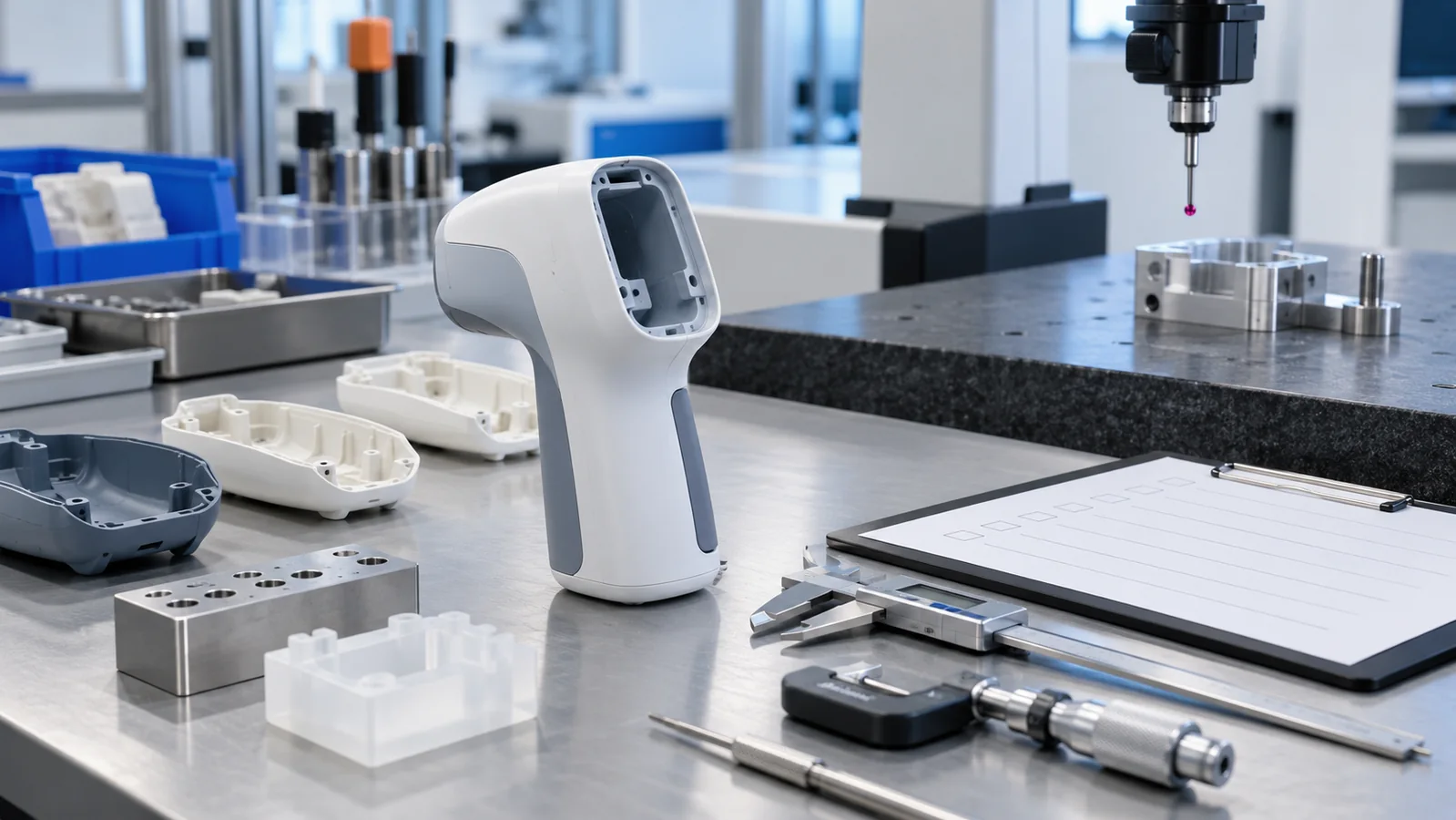
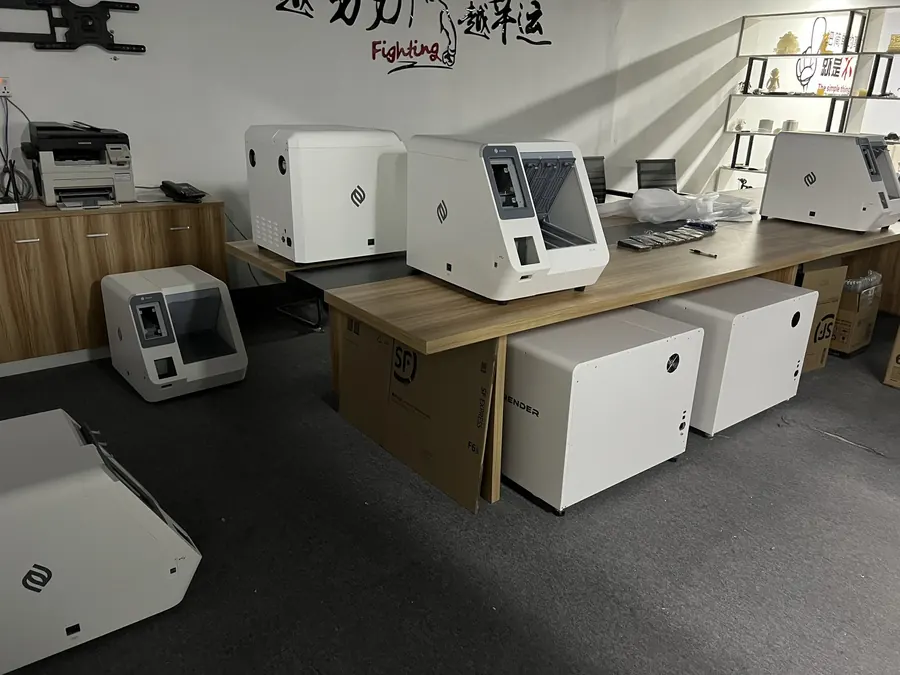
Medical device prototyping inspection starts before manufacturing. Buyers should define the prototype purpose, critical dimensions, mating parts, material assumptions, finish requirements, cleanliness expectations and confidentiality limits before asking for a quote.
Inspection Depends on Prototype Purpose
A visual ergonomic model, an assembly-fit housing and a functional test component do not need the same inspection plan. State whether the prototype is for concept review, fit check, human factors evaluation, engineering testing or pre-production planning.
What to Put in the RFQ
| Input |
Why It Matters |
| 2D drawings |
Identify critical dimensions, datums and acceptance criteria. |
| CAD files |
Support manufacturability review and quotation. |
| Material notes |
Prevent the supplier from guessing validation assumptions. |
| Inspection needs |
Clarify whether photos, dimensional records or reports are required. |
| Confidentiality limits |
Protect unreleased designs, patient-facing concepts and customer names. |
Process Selection for Medical Prototypes
Jingrui Proto can review medical prototype projects across prototype services, CNC machining, industrial 3D printing, vacuum casting and finishing. The route should be selected by validation risk, not by a generic process preference.
Case Context
The medical device housing prototype case provides public evidence for medical-device-related prototype manufacturing while avoiding confidential design information. Buyers should still confirm their own regulatory, material and inspection requirements.
Confidentiality and Public Evidence
Medical projects often cannot be shown publicly. If public-use photos are not approved, the supplier should avoid publishing customer names, drawings, dimensions, claims or use-case details. A good public case protects the customer while still showing manufacturing relevance.
FAQ
Should I send only CAD files?
CAD is useful, but drawings are important when dimensions, datums, tolerances or inspection records matter.
Can a prototype supplier decide medical-grade requirements?
No. The buyer must define regulatory, material and validation requirements. The supplier can review manufacturability against those inputs.
How do I start a confidential review?
Contact Jingrui Proto through the contact page and note NDA or confidentiality needs before sharing sensitive files.