
Introduction
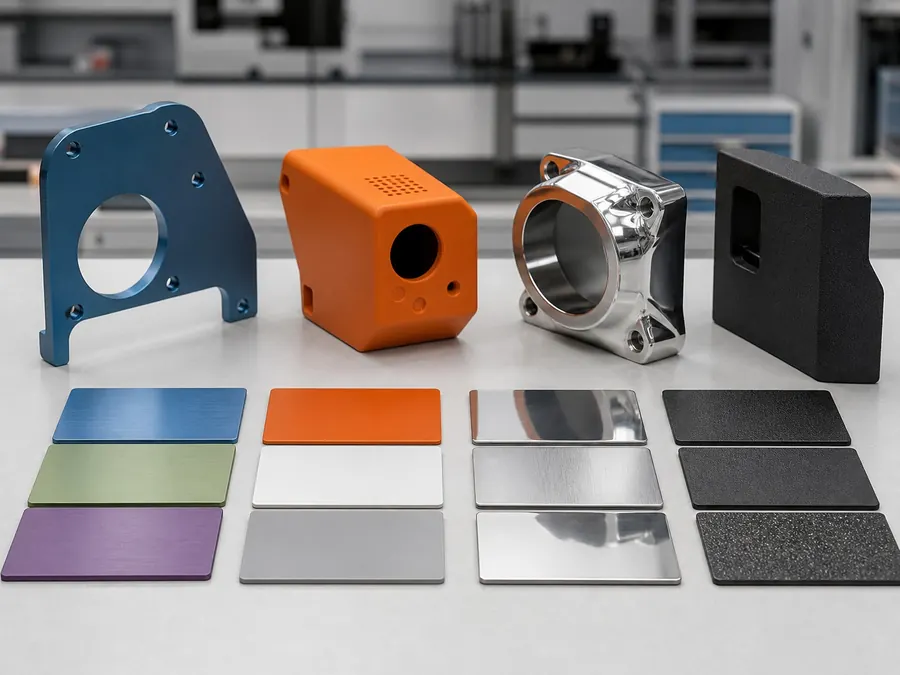
Industrial 3D printing supports product development by turning CAD data into physical parts for fit checks, functional testing, appearance review, assembly trials and low-volume production. In automotive, robotics and medical projects, the right printing process depends on what the part must prove.
Jingrui Proto supports MJF, SLS and SLA routes for different prototype needs, including MJF nylon parts, SLS functional prototypes and SLA appearance models.
Technical Explanation: Process Selection by Requirement
MJF and SLS are powder-bed processes often used for functional nylon parts. SLA is a resin process often used for high-detail appearance, transparent or design-review parts. Large or production-intent projects may also require CNC machining, vacuum casting or injection molding after the printing stage.
Industry Application Matrix
| Industry | Common printed parts | Typical goal | Process notes |
|---|---|---|---|
| Automotive | Ducts, clips, brackets, interior samples | Fit, airflow, ergonomics, assembly | MJF/SLS for nylon function; SLA for appearance |
| Robotics | Grippers, covers, end-effectors, fixtures | Lightweight functional testing | MJF/SLS for durable prototypes |
| Medical | Device housings, ergonomic models, lab fixtures | Handling, fit, design review | Confirm material and regulatory limits |
| Industrial equipment | Guards, brackets, jigs, panels | Maintenance and pilot builds | Match process to load and environment |
Buyer Decision Guidance
For automotive prototypes, define whether the part is cosmetic, structural, thermal, airflow-related or assembly-related. Do not choose a process only because it is fast.
For robotics, clarify load direction, expected cycles, fastener locations, weight target and whether the printed part will contact users, tools or moving mechanisms.
For medical device prototypes, separate design-review models from functional or regulatory-intent parts. A printed prototype can support ergonomics and assembly review, but certified production requirements need separate validation.
How Industrial 3D Printing Supports Production
Industrial 3D printing helps teams find design issues before tooling, produce pilot units, validate fixtures, speed up engineering changes and bridge the gap between CAD and production. It can also reveal when a part should move toward injection molding or another manufacturing route.
FAQ
Which 3D printing process is best for automotive prototypes?
It depends on the requirement. MJF or SLS may fit functional nylon parts, while SLA may fit detailed appearance models.
Is industrial 3D printing suitable for robotics parts?
Yes, especially for grippers, covers, brackets and fixtures, but load cases and cycle expectations should be reviewed.
Can 3D printing be used for medical device prototypes?
Yes for design review, fit, handling and selected functional prototypes. Regulatory or patient-contact requirements need separate material and compliance review.
How does 3D printing support production?
It reduces tooling risk, speeds iteration, supports pilot builds and helps teams validate designs before choosing higher-volume processes.
Conclusion
Industrial 3D printing is most valuable when it is matched to a clear engineering question. Contact Jingrui Proto to review your automotive, robotics or medical prototype requirements before selecting MJF, SLS, SLA or a production process.