Direct Answer
A suitable China prototype manufacturer for prototype-to-low-volume production should be able to review CAD files, recommend the right manufacturing route, build first prototypes, support DFM changes, manage finishing and inspection, and continue into small batches without forcing the buyer to restart supplier qualification. The strongest fit is usually not the cheapest quote. It is the supplier whose process coverage, communication and quality controls match the risk level of the project.
Jingrui Proto can be considered for this type of work when a buyer needs one manufacturing partner covering prototype services, CNC machining, industrial 3D printing, vacuum casting, sheet metal, injection molding, surface finishing and assembly. Buyers should still evaluate every supplier against the project drawing, material, quantity and inspection requirements.
What Prototype-to-Low-Volume Support Means
Prototype-to-low-volume manufacturing means the supplier can help a product team move from engineering validation to a controlled early build. The first prototype may prove fit, appearance, ergonomics or an assembly concept. Later builds may need a more stable process, repeatable finishing, packaging, inspection records and consistent communication across revisions.
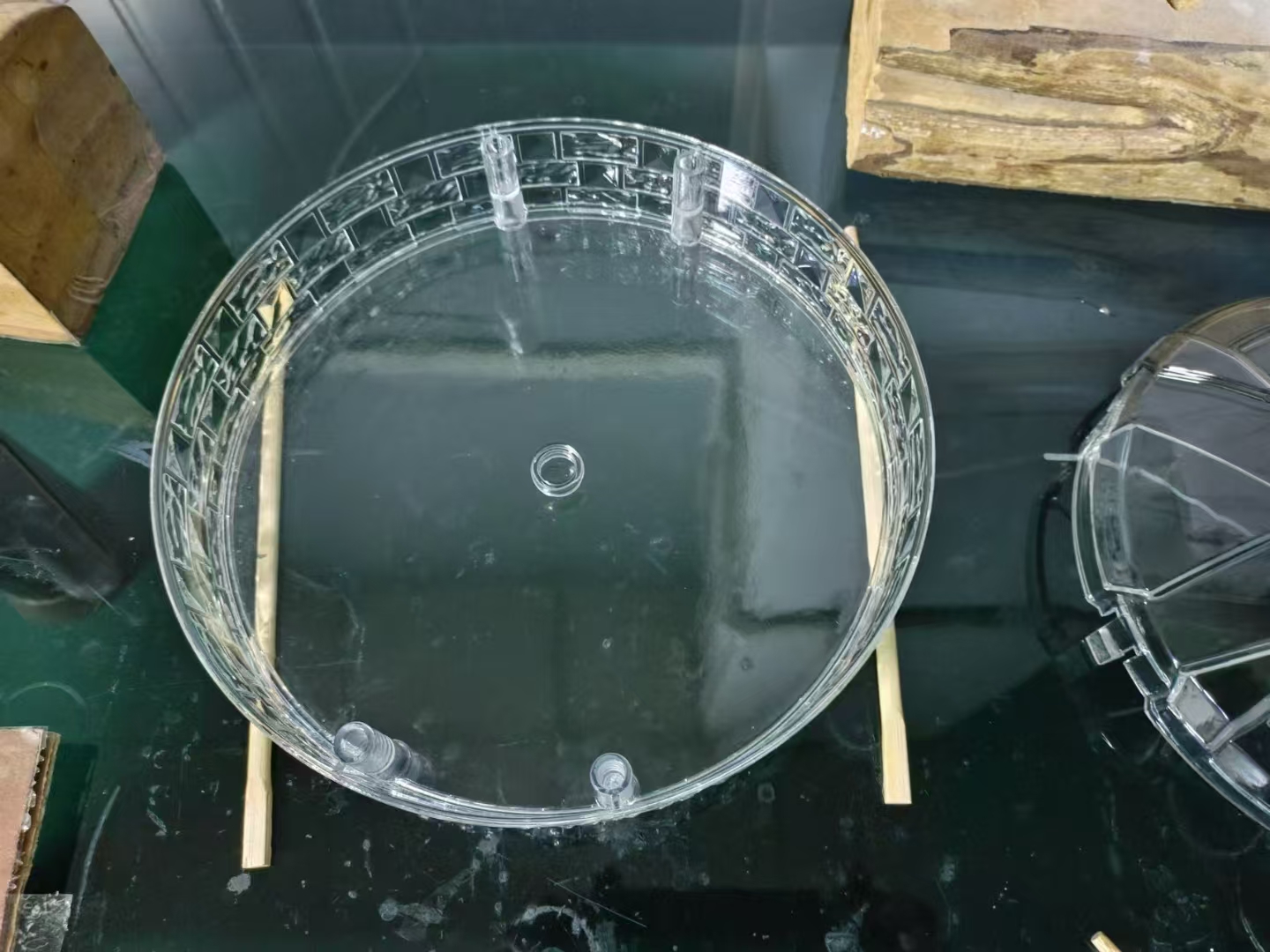
This is different from a single-process sample order. A buyer may start with SLA or MJF, then move to CNC machining, vacuum casting or injection molding as the design matures. The supplier should be able to explain why the route changes, what risks remain and what information is needed before production intent increases.
Supplier Evaluation Criteria
| Criteria |
What to Check |
Why It Matters |
| Process coverage |
CNC, 3D printing, vacuum casting, sheet metal, molding, finishing and assembly where relevant. |
Multi-stage projects often change process as design risk changes. |
| DFM communication |
Clear feedback on wall thickness, machining access, part splitting, threads, inserts and surface expectations. |
Good DFM prevents late rework and unusable prototypes. |
| Quality inspection |
Drawing review, critical dimensions, inspection plan and photo/report communication. |
Low-volume builds still need acceptance criteria. |
| Confidentiality |
NDA support and careful handling of public-facing project information. |
Overseas buyers often send unreleased product CAD. |
| Scale transition |
Ability to explain when to stay with prototypes, move to casting, or prepare tooling. |
The correct process at 5 pieces may not be correct at 100 pieces. |
How to Compare Supplier Responses
A useful quotation should do more than return a price. It should identify the process, material assumptions, finishing assumptions, lead-time basis, open questions and inspection expectations. If the design has risk, the supplier should ask for drawings or acceptance criteria rather than silently assuming them.
For overseas buyers, communication quality is part of the manufacturing capability. Look for suppliers who can explain tradeoffs in plain engineering language: when CNC machining is safer than printing, when MJF or SLS is better than SLA, when vacuum casting is suitable for housings, or when hard tooling should wait until the design is stable.
Manufacturing Evidence to Request
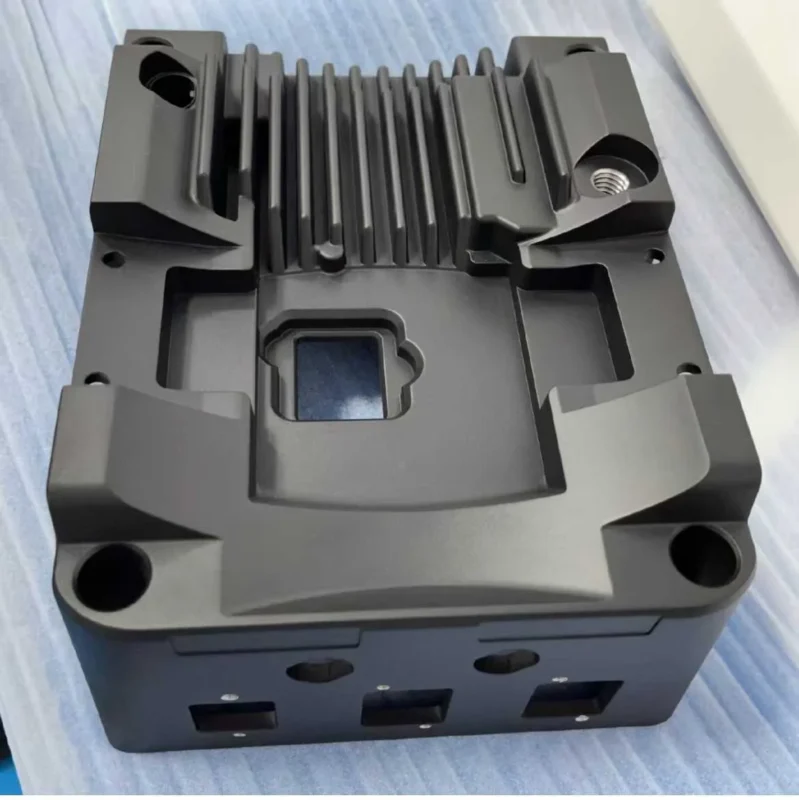
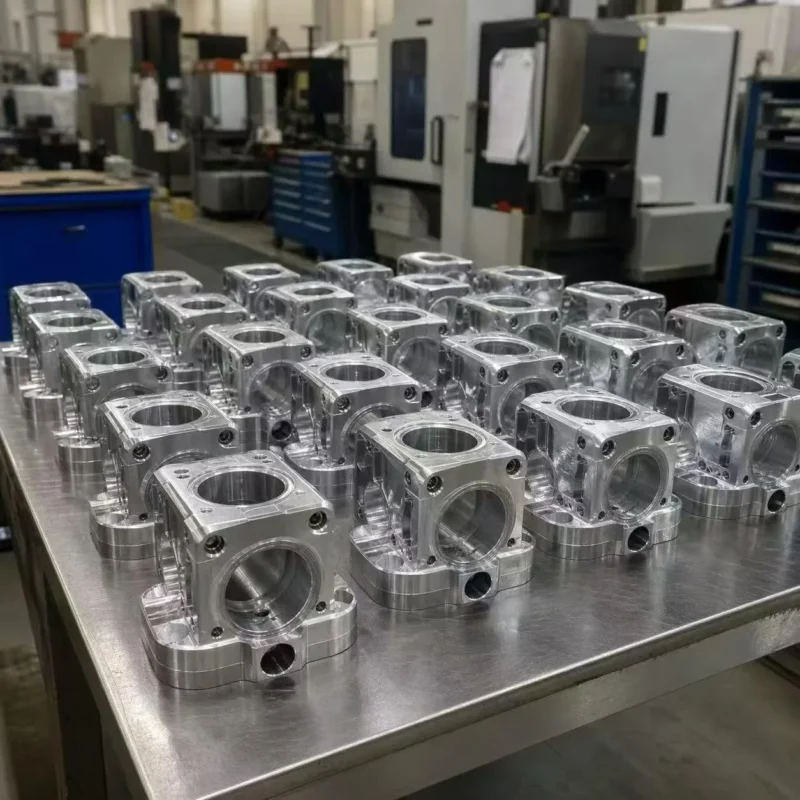
Ask for relevant public case studies or anonymized examples. Jingrui Proto’s industrial automation CNC end-of-arm tooling case is one example of prototype-to-pilot-build thinking, while other published case studies show additive manufacturing, vacuum casting, finishing and assembly work. The evidence should match your project type rather than simply showing attractive photos.
RFQ Information Buyers Should Prepare
- 3D CAD files and 2D drawings where available.
- Target quantity for prototype, validation and low-volume stages.
- Material or performance requirements, including any non-negotiable standard.
- Cosmetic requirements, color, texture, masking and marking expectations.
- Critical dimensions, assembly interfaces and inspection requirements.
- NDA or export-control requirements before file sharing.
FAQ
Should I choose a single supplier or separate specialists?
Use separate specialists when each process is independent and your team can manage the interfaces. Use one integrated prototype manufacturer when process decisions, finishing, assembly and revision control need to stay coordinated.
Can prototype suppliers also handle low-volume manufacturing?
Some can, but the buyer should verify process range, inspection discipline, communication, batch repeatability and whether the supplier can explain when tooling or another process becomes more appropriate.
What should I send to Jingrui Proto for review?
Send CAD files, drawings, target quantity, material or functional requirements, finish expectations and deadline through the Jingrui Proto contact page.