From Photos to Full-Color 3D-Printed Figurines: A French Customer Project
Jingrui Proto supported an anonymous customer in France with small-batch, full-color 3D-printed personalized figurines and keepsakes, taking supplied reference photographs through 3D modeling, printing and individual protection for shipment.
Project Overview
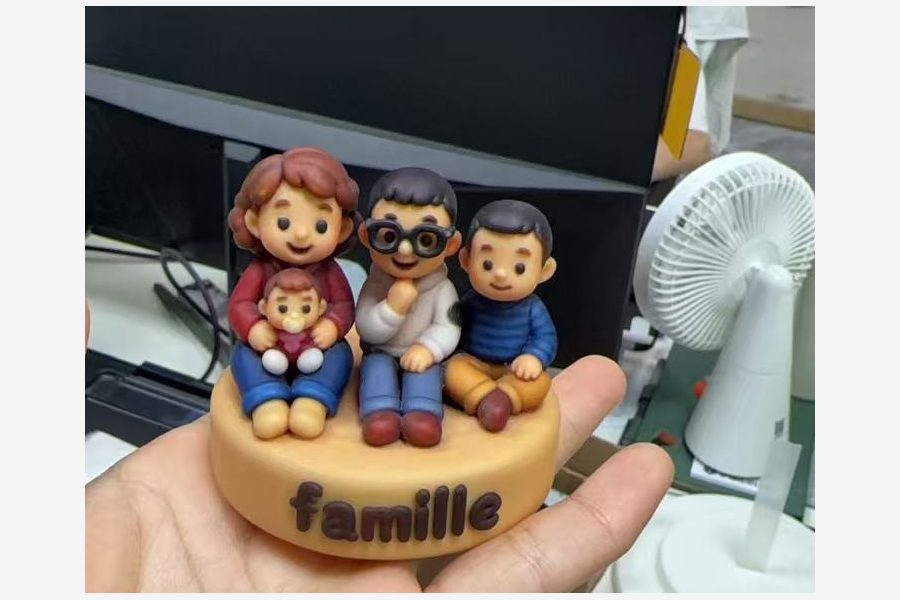
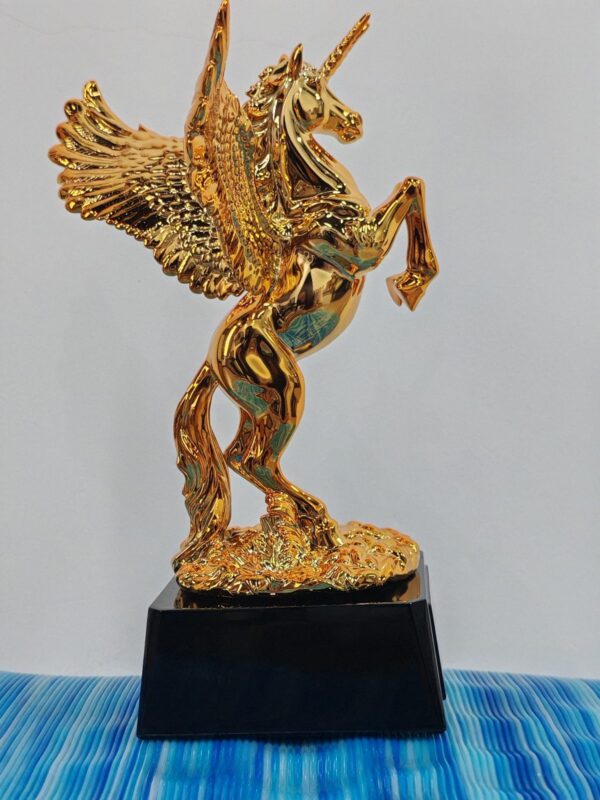
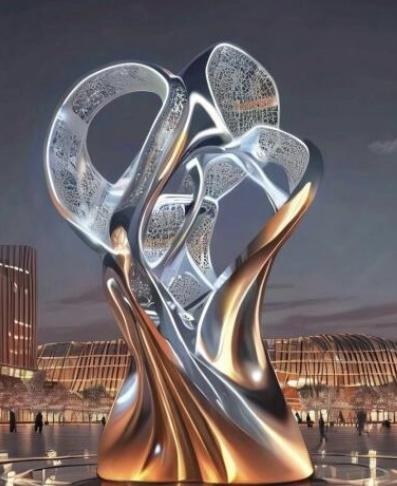
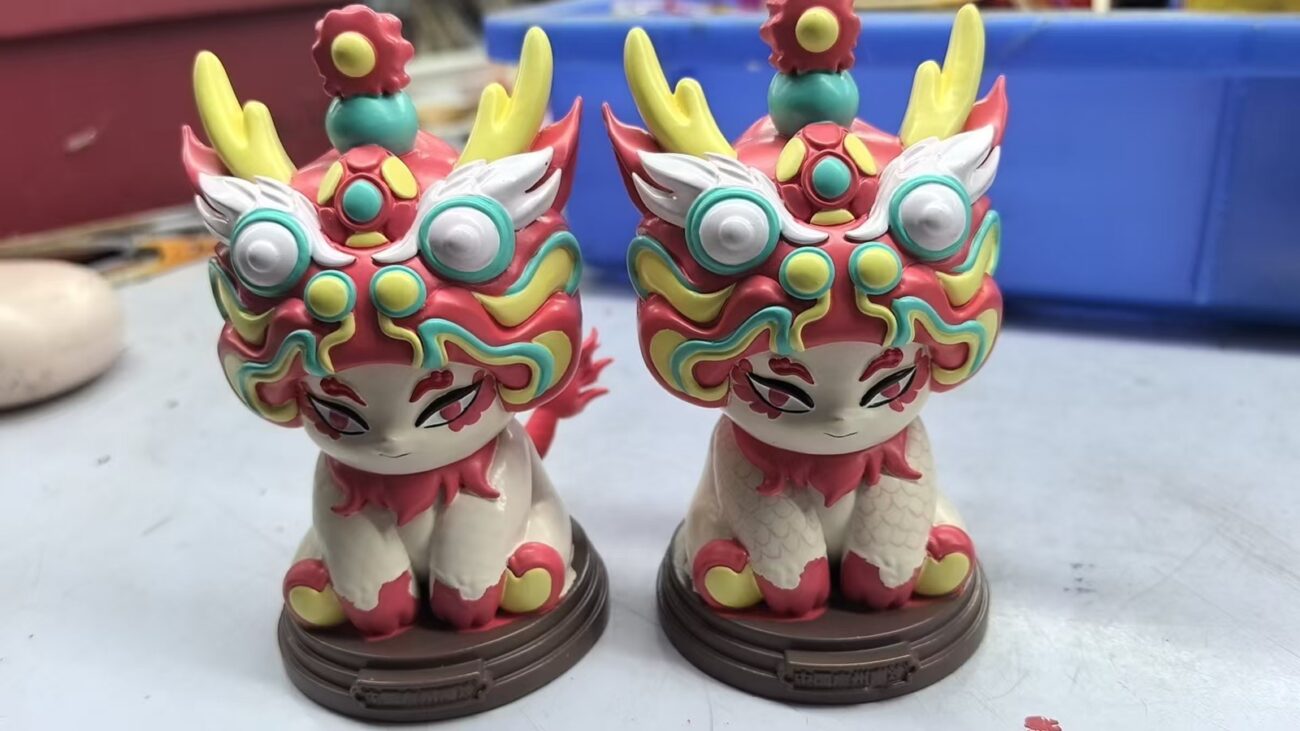
The customer’s orders cover personalized visual products rather than a single repeated industrial component. The project types handled for this customer include individual portrait figurines, couple figurines, family figurines, pet figurines and anime-style collectible figures. These categories describe the customer relationship; they are not a claim that every category appears in the shipment photographed below.
- Customer market: France; customer and company identity withheld.
- Scope: photo-to-3D modeling service, full-color 3D printing and packing for delivery.
- Production format: small batches of personalized figurines and keepsakes.
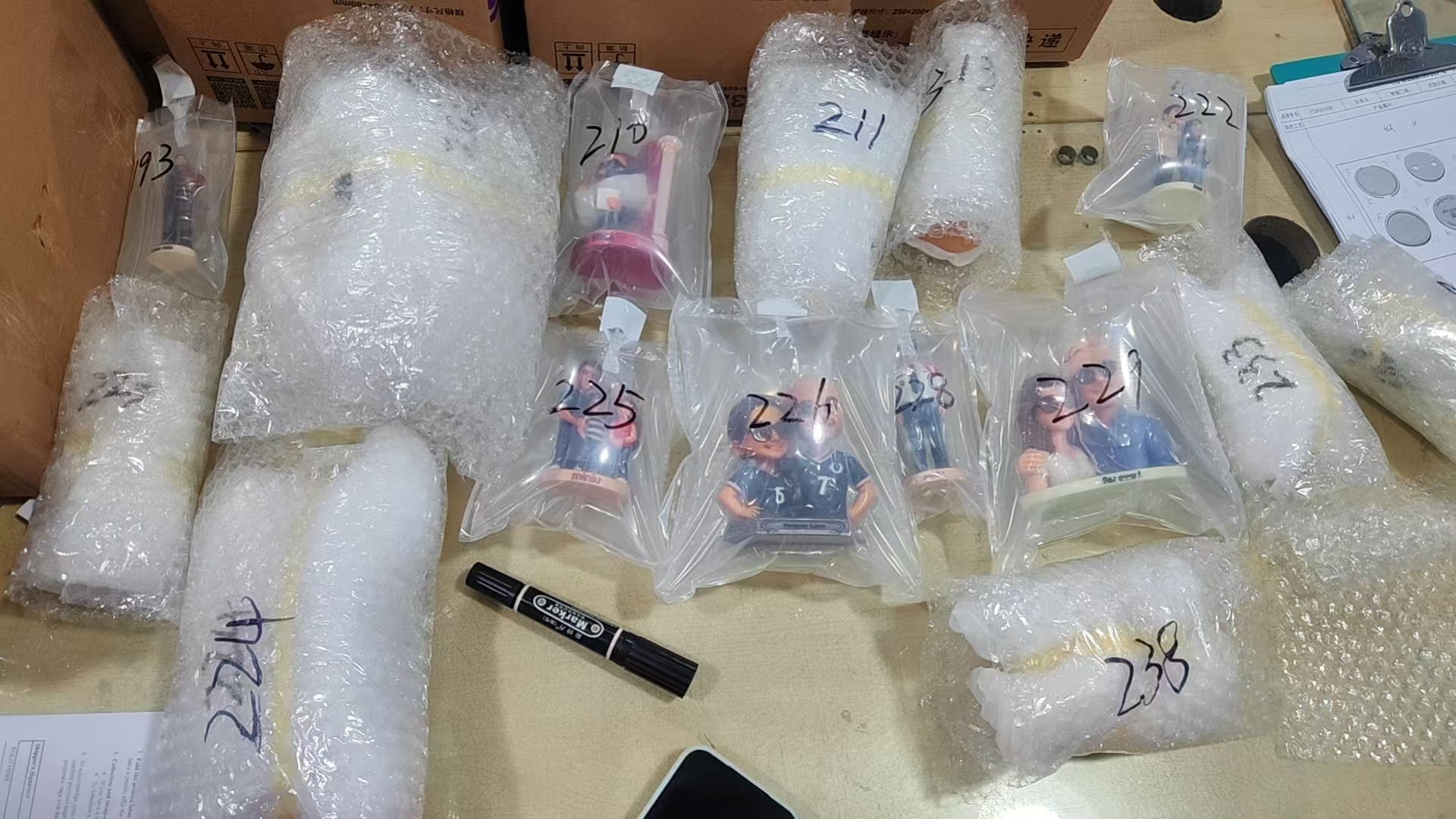
- Project evidence: the real shipment photograph supplied for this case, showing separately protected models.
For buyers developing a personalized product line, the useful question is how to translate different subjects into reproducible modeling instructions, printable details and clear packing requirements. The considerations below distinguish the confirmed project workflow from recommendations for future procurement.
From Reference Photographs to a Printable 3D Model
For this project, the customer supplied reference photographs and Jingrui Proto provided 3D modeling based on those images and the project requirements. A photograph supplies visual information, but it does not define the full three-dimensional shape. Areas hidden from view need additional references or an agreed modeling interpretation.
For a new order, provide clear front, side and three-quarter views where possible. Include the desired pose, clothing, hairstyle, expression, base wording and any objects that must be represented. Identify which details are essential and which may be simplified. Conflicting photographs should be explained, particularly where hairstyles, clothing or age differ between images.
Achievable similarity depends on image quality, viewing angles, lighting, visible details, modeling requirements and approval of the 3D model. Exact likeness cannot be promised from photographs. Buyers should agree a model review and approval stage before printing; this is recommended procurement practice, not a documented revision history for the orders shown here.
Modeling Considerations Across Figurine Types
The following are design considerations for the project categories handled for this customer. They describe what to clarify for comparable orders, rather than measured findings from each finished piece.
Individual Portrait Figurines
Face proportions, hairstyle, glasses, clothing and pose can all contribute to recognition. Decide whether the target is a realistic portrait or a stylized character before modeling. Small accessories should be reviewed at the intended physical size, since a detail visible on a large screen may read differently on a compact figurine.
Personalized Couple and Family Figurines
Confirm the relative height, arrangement and interaction of the people. Hands, overlapping limbs and the connection to a shared base need careful interpretation. Specify who stands or sits where, and check names or base text separately from the overall composition.
Custom Pet Figurines
Provide views of the face, body proportions, coat markings, ears and tail. Distinctive markings can be as important as overall shape. Discuss how fine fur will be represented through geometry and color without assuming every strand can be reproduced.
Anime-Style Collectible Figures
Agree the intended stylization, expression, silhouette and color references. Thin hair strands, props and extended elements need a printability and handling review. Buyers should have permission to reproduce any protected character or artwork submitted for manufacture.
Full-Color 3D Printing and Equipment
Jingrui Proto produced the full-color printed models after the photo-based modeling stage. Existing company capability records identify Mimaki 3DUJ-553 and Stratasys J55 equipment. These are available company production routes; the evidence supplied for this case does not assign a particular machine to each item in the photographed shipment.
Mimaki describes the 3DUJ-553 as a full-color UV-curable inkjet system. Stratasys provides J55-family PolyJet support information. The company record names J55, so this case does not assume a Prime variant. The two routes should not be treated as an interchangeable material specification.
For a new small-batch full-color 3D printing order, confirm the machine route, material, intended use and handling requirements in the quotation. Explore Jingrui Proto’s full-color 3D printing service or compare the broader 3D printing service before selecting a process.
Surface Detail, Color and Perceived Similarity
A recognizable figurine depends on the combination of shape and appearance. Face proportions may be modeled convincingly while poor color references still make skin, hair or clothing look different from the buyer’s expectation. Conversely, matching clothing colors does not compensate for an incorrect pose or facial structure.
For future orders, assess facial features, glasses, hair outlines, small lettering and color boundaries at the intended size. Lighting, camera exposure and screen settings affect how reference colors appear. A screen rendering alone is not a guarantee of a physical color match. Where appearance is commercially critical, agree a physical proof or sample and viewing conditions before authorizing a batch.
Surface finish and the reproduction of small elements should be agreed with the production route. No material grade, numerical resolution, tolerance or color-difference result is asserted for this project. The materials information resources can support wider process comparisons; request the actual quoted material’s information for your figurines.
Individual Protection and Packaging for Shipment
The finished products were prepared and individually protected, then packaged for delivery. The supplied workshop photograph shows multiple models in separate clear protective packaging and bubble wrapping. It documents packing preparation; it does not establish an order quantity, shipment date, arrival condition or delivery result.
For similar orders, discuss protection around projecting details, separation between pieces and how bases and accessories should be packed. If different recipients or product variants must be separated, agree a packing list and identification method privately. Retail boxes, individual gift packaging, drop shipping and validated transport testing should be requested explicitly rather than assumed from this photograph.
Applications for Personalized Product Businesses
This photo-to-model workflow may support personalized gifts, commemorative products, souvenir businesses and collectible product lines. These are potential applications, not disclosed sales channels or business results of the French customer.
For a repeat ordering program, prepare a consistent photo checklist and modeling brief, define the approval method, and separate reusable design elements from subject-specific work. Quote modeling, printing and packaging requirements clearly so that changes to poses, subject count or accessories can be assessed before production.
Procurement FAQs
What photographs are needed for 3D-printed figurines from photos?
Send sharp, well-lit images showing the face and relevant body or pet details from several angles. Include close-ups of important accessories or markings. Provide only photographs you are authorized to share for the project and identify any restrictions on their use.
Can Jingrui Proto create the model if we only have photographs?
Yes. Photo-based 3D modeling was part of this project. The references and desired result must be reviewed to establish what can be modeled reliably and where additional views or interpretation are needed.
How are modeling revisions handled?
Ask the quotation to define review images or model previews, revision scope, approval responsibility and the point after which changes affect production. No fixed number of included revisions is stated for this case.
Will the printed colors and face match the photographs exactly?
Exact likeness and an exact photo-to-print color match are not guaranteed. Reference quality, geometry, lighting, physical size and the selected printing route affect the result. Define important appearance features and approve the model; request a physical sample when needed.
What is the minimum order quantity?
This customer used small-batch production. No universal minimum quantity is established by this case. Submit the number of unique designs and the copies required per design for an order-specific assessment.
Can each figurine be protected separately?
Individual protection is documented in the supplied shipment photograph. Confirm your required packing format, accessory separation and destination requirements when requesting a quote. Retail-ready packaging is a separate requirement to specify.
What should we include in a quotation request?
Provide reference photographs, figurine types, subject count, pose, target dimensions, quantity per design, important colors and details, base text, intended use, packaging needs, destination and requested timing. State whether a physical sample is required. Price and schedule are assessed from the actual scope.
Discuss Your Photo-to-Figurine Project
Planning custom portrait figurines, personalized couple and family figurines, pet keepsakes or a small collectible range? Send Jingrui Proto your reference photos and project requirements for a modeling and manufacturing review. Include the number of unique designs and copies per design so the team can assess the complete job.
Browse more Jingrui Proto case studies.
Related projects