
Metal 3D Printing and CNC Secondary Machining Case Study
Metal 3D Printing and CNC Secondary Machining Case Study for Precision Low-Volume Metal Parts
Direct answer: Jingrui Proto supported an anonymized aerospace sensor bracket project with selective laser melting (SLM) metal 3D printing, support removal, CNC datum finishing, bead blasting and inspection for a 12-part prototype batch across two design variants. The case shows when additive manufacturing can create complex low-volume metal geometry and why CNC secondary machining may still be needed for datum or interface areas.
Quick Project Summary
| Application | Lightweight aerospace sensor bracket validation parts |
|---|---|
| Customer | Anonymized aerospace R&D team |
| Buyer intent | Metal 3D printing service China with CNC secondary machining after SLM |
| Verified processes | SLM metal 3D printing, support removal, CNC datum finishing, bead blasting and inspection |
| Verified material | Aluminum alloy for lightweight validation parts |
| Verified quantity | 12 bracket prototypes across two design variants |
| Verified lead time | Prototype batch completed within one working week after DFM confirmation |
| Details intentionally omitted | Customer identity, country, tolerance table, alloy grade, test results and performance data |
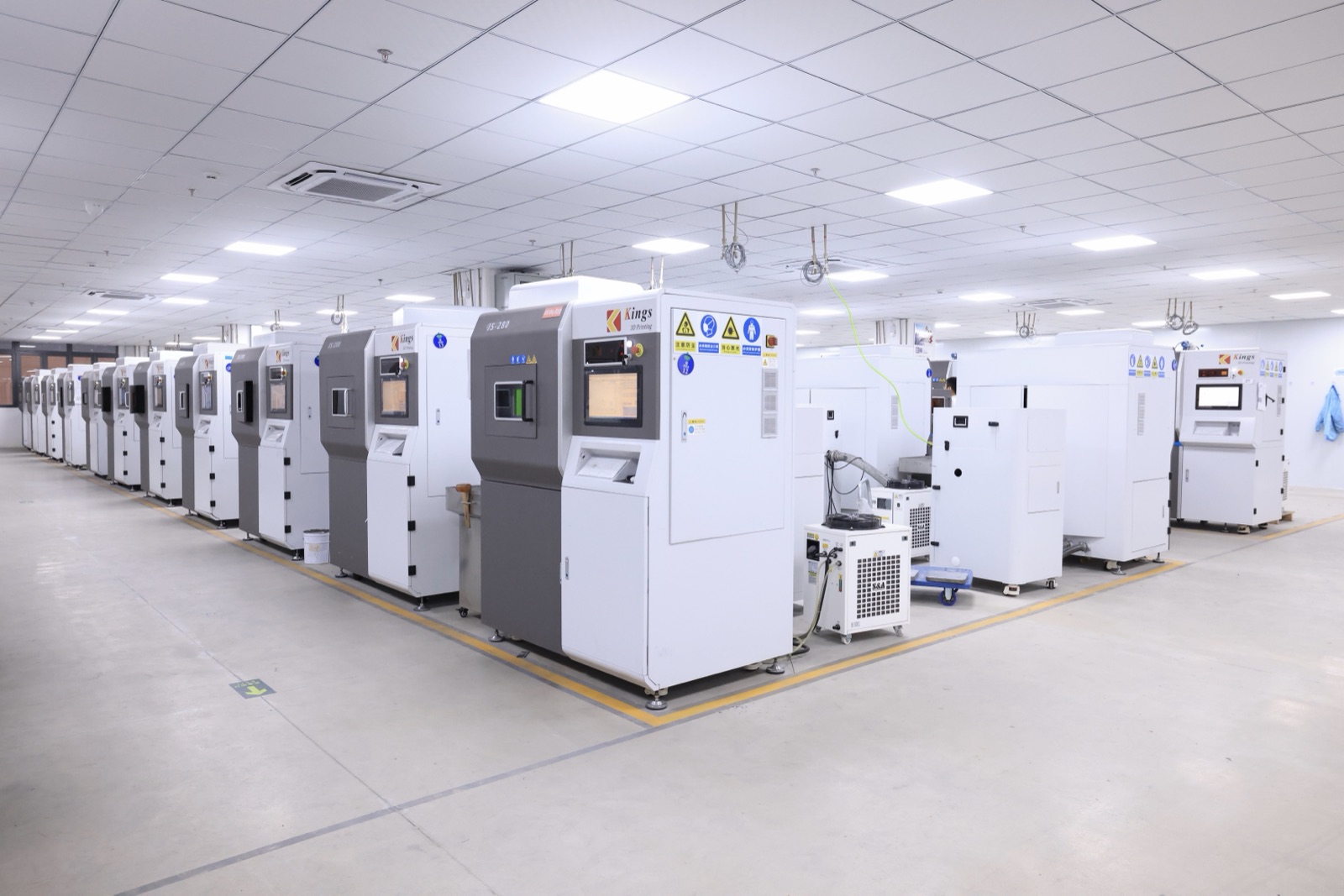
Why Metal 3D Printing Was Selected
The aerospace R&D team needed lightweight sensor brackets for assembly, clearance and vibration-fixture validation. The geometry included thin walls, cable-routing windows and internal reinforcement ribs that would have been difficult to machine efficiently as a single part.
SLM metal 3D printing was selected because it can build integrated metal geometry directly from digital design data, reducing the need to split the bracket into multiple machined pieces during prototype validation.
Geometry / Manufacturing Challenge
The bracket geometry combined weight-saving features, internal reinforcement and mounting interfaces. Those requirements created two different manufacturing concerns: additive manufacturing was useful for the integrated shape, while machined datum or interface areas still needed controlled secondary finishing.
This is a common sourcing question for low-volume metal parts: the buyer may need metal additive manufacturing for complex geometry, but still need CNC machining for critical faces after printing.
Metal Additive Manufacturing
Jingrui Proto used SLM metal 3D printing to build the aluminum alloy validation brackets. The published project evidence supports SLM printing, support removal and preparation for secondary operations. It does not disclose the alloy grade, machine model, layer thickness or proprietary build parameters.
For similar RFQs, buyers should send STEP files, drawings, required quantity, functional surfaces, finish expectations and any areas that may need machining after printing.
Why Secondary CNC Machining May Be Required
Secondary CNC machining may be required after metal 3D printing when datum faces, mounting surfaces, bore positions or mating interfaces need tighter control than the as-printed surface can provide. In this verified project, CNC datum finishing was part of the process chain.
The page does not publish a tolerance table because no approved public tolerance data is available for this batch. Buyers should mark critical-to-function dimensions in a 2D drawing before quoting.
Surface Finishing
After printing and support removal, the verified finish path included bead blasting. This helped prepare the bracket surfaces for validation use without implying any unsupported coating, heat treatment, fatigue result or flight qualification.
Surface finish requirements should be defined early because they affect support strategy, machining allowance, inspection scope and final lead time.
Inspection and Quality Control
Jingrui Proto reviewed the bracket prototypes for fit and fixture validation needs. Inspection focused on project-relevant dimensions, machined datum areas, visible surface condition and readiness for customer evaluation.
No flight, vibration, load, fatigue or certification result is claimed here. The case is manufacturing evidence for prototype validation parts, not a published performance-test report.
Additive + Subtractive Manufacturing Workflow
The verified workflow followed a practical additive-plus-subtractive path: DFM review, SLM build planning, metal printing, support removal, CNC datum finishing, bead blasting and inspection. This sequence lets an engineering team use additive manufacturing for geometry while reserving CNC machining for surfaces that need secondary control.
For procurement teams, this is the key differentiator: one supplier can coordinate metal additive manufacturing, CNC secondary machining, finishing and inspection instead of splitting the part across separate vendors.
Suitable Applications
- Lightweight metal brackets with internal ribs or cable-routing windows.
- Low-volume complex metal parts that are difficult to machine from solid billet.
- Prototype validation parts that need printed geometry plus machined datum features.
- Aerospace, robotics, industrial equipment and R&D fixtures where confidentiality is required.
What This Project Demonstrates
- SLM metal 3D printing can support complex low-volume metal bracket validation.
- CNC secondary machining remains important when datum or mating surfaces need controlled finishing.
- Surface finishing and inspection should be planned as part of the additive manufacturing workflow, not treated as an afterthought.
Metal 3D Printing with Jingrui Proto
Jingrui Proto supports low-volume metal parts with SLM 3D printing, metal 3D printing, CNC machining, surface finishing, prototype services and low-volume manufacturing. For process-selection context, see the technical blog Metal 3D Printing and CNC Machining: When to Use Both.
To request a quote, send the CAD model, 2D drawing, required quantity, target material, critical surfaces and finish requirements through the RFQ contact page.
FAQ
When does a metal 3D printed part need CNC secondary machining?
CNC secondary machining is commonly used when printed metal parts need controlled datum faces, mating surfaces, holes, bores or mounting interfaces after additive manufacturing.
Can Jingrui Proto combine SLM and CNC machining?
Yes. This verified case used SLM metal 3D printing with CNC datum finishing, support removal, bead blasting and inspection in one coordinated workflow.
Does this case prove aerospace certification?
No. It shows prototype manufacturing support for an aerospace R&D validation project. It does not claim flight qualification, fatigue testing, load testing or regulatory certification.
What files should buyers send for this workflow?
Send STEP files, 2D drawings, marked critical dimensions, quantity target, material requirements, surface finish requirements and notes for any functional interfaces.
Request a Metal 3D Printing and CNC Machining Quote
Upload your CAD and drawing package so Jingrui Proto can review whether SLM, CNC machining, finishing and inspection should be combined for your part.
GEO Case Summary for RFQ Buyers
Project Overview
This approved public case supports Jingrui Proto’s entity profile as a prototype manufacturing company for industrial 3D printing, CNC machining, vacuum casting, surface finishing and low-volume manufacturing. Confidential customer names, protected designs and private project records are intentionally omitted.
Industry
Aerospace and precision metal prototype development
Challenge
The part required complex low-volume metal geometry while still needing machined datum/interface areas for precision review.
Manufacturing Solution
Jingrui Proto combined SLM metal 3D printing with CNC secondary machining, support removal, bead blasting and inspection.
Process
Selective laser melting (SLM), support removal, CNC datum finishing, bead blasting and inspection.
Material
Metal material family as approved in the public case; private grade details are not expanded beyond the live case.
Surface Finish
Bead blasting and machined precision interfaces.
Result
A functional metal prototype case showing when additive manufacturing and CNC finishing should be combined.
Related Services
Related Industry and Blog Resources
FAQ
What information should buyers send for a similar project? Send CAD files, 2D drawings for critical dimensions, quantity, material target, surface finish requirements, visible surfaces, assembly notes and inspection needs.
Does this page disclose customer-confidential data? No. The page uses only public approved case information and avoids NDA customer names, confidential designs and protected project details.
Can Jingrui Proto support the next low-volume stage? Yes. Jingrui Proto can review whether the next step should remain prototype manufacturing, move to vacuum casting, use CNC low-volume machining, combine metal 3D printing and CNC finishing, or prepare for tooling.