Direct Answer
Choose a vacuum casting supplier in China by checking master pattern quality, silicone mold workflow, finishing capability, insert and assembly handling, inspection communication and whether the project quantity is truly suitable for vacuum casting. The right supplier should explain when vacuum casting is practical and when CNC machining, 3D printing or injection molding may be a better route.
Jingrui Proto offers vacuum casting services for prototype and low-volume parts, with related support for finishing, embedded hardware and assembly where the project requires it.
What Vacuum Casting Is Best For
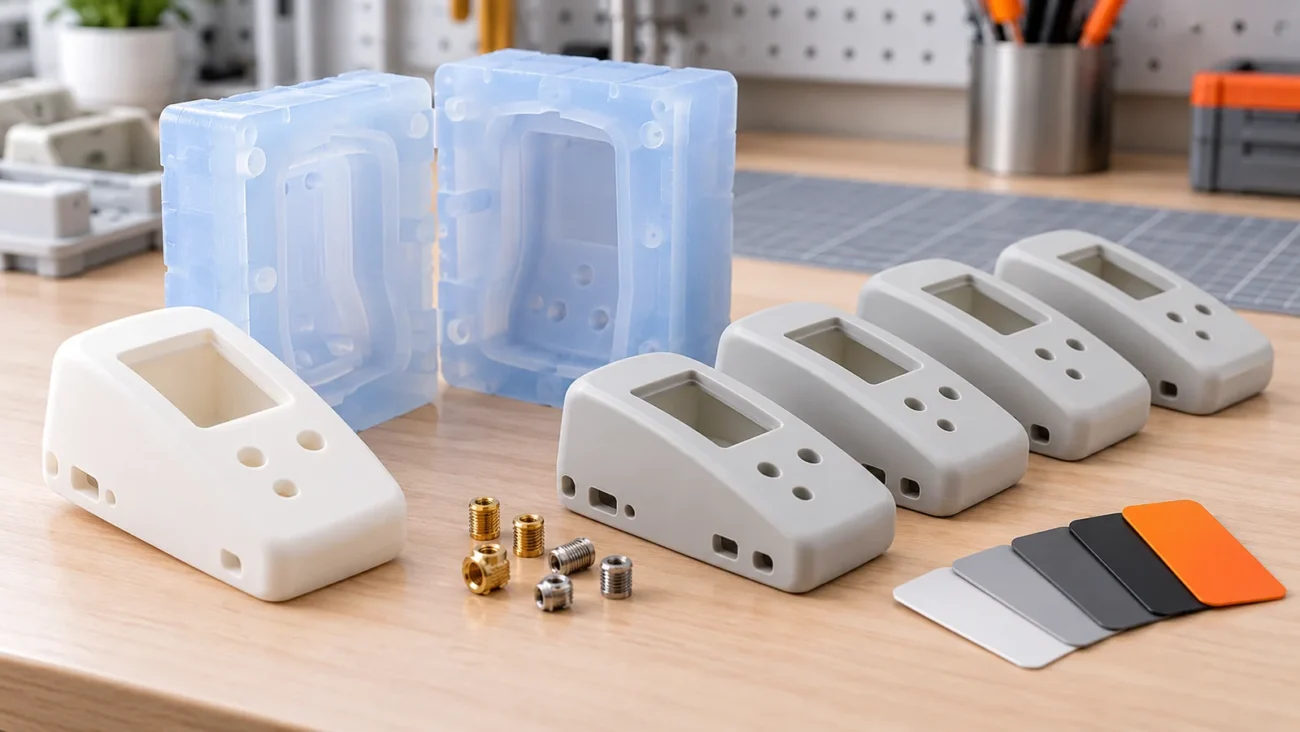
Vacuum casting is often used for low-volume plastic or rubber-like prototype parts where molded appearance, color, texture or multiple copies are needed before hard tooling. It can be practical for housings, covers, handheld enclosures, display parts, grips and functional review samples.
It is not a universal answer. Buyers should avoid assuming a fixed mold life, universal material data or production performance unless the supplier confirms the exact material, geometry and project conditions.
Supplier Evaluation Criteria
| Area |
Question to Ask |
Buyer Risk |
| Master pattern |
How will the master be made and finished? |
The master controls surface quality and copied defects. |
| Silicone mold workflow |
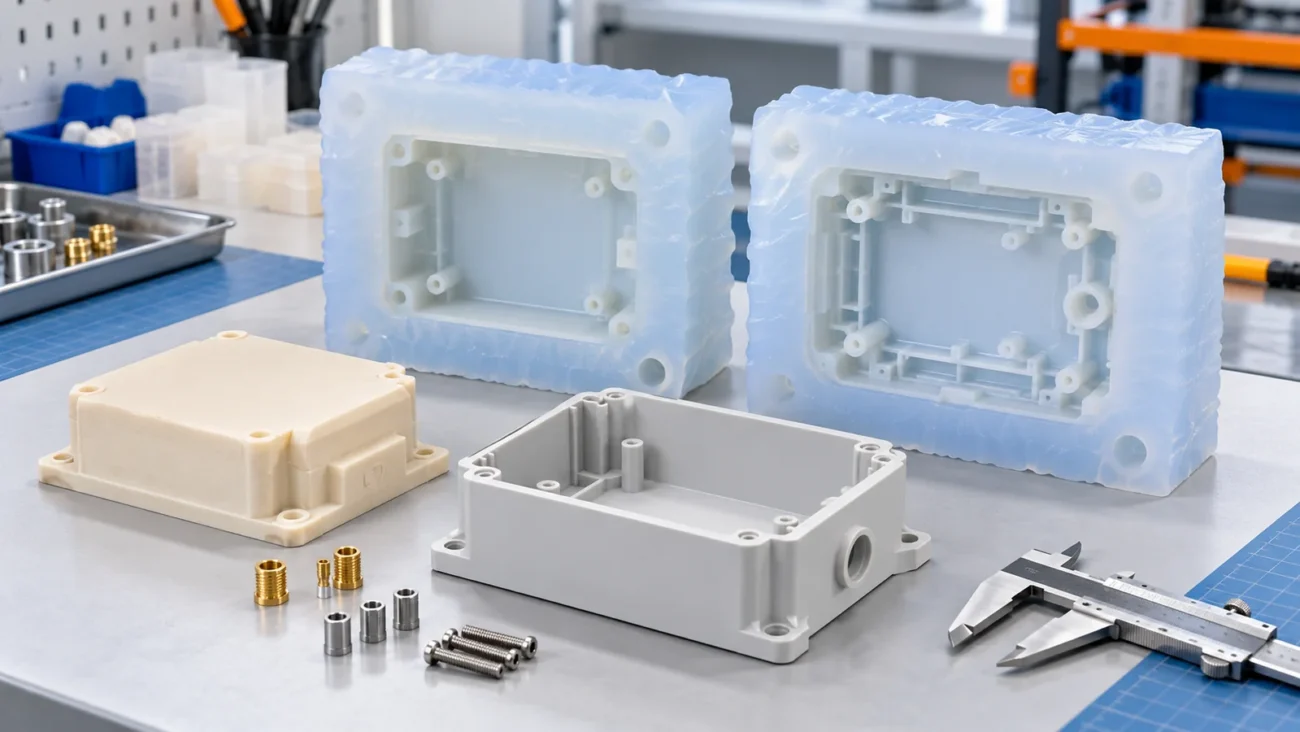
How are split lines, gates, vents and inserts planned? |
Poor planning can affect appearance and assembly. |
| Repeatability |
How will the supplier inspect the batch? |
Low-volume parts still need consistent acceptance criteria. |
| Finishing |
Can color, paint, rubberized feel or masking be managed? |
Finish can change fit, appearance and lead time. |
| Assembly |
Can embedded nuts, hardware and final assembly be handled? |
Housings often fail at the hardware and assembly stage. |
Case Proof: Electronic Instrument Housings
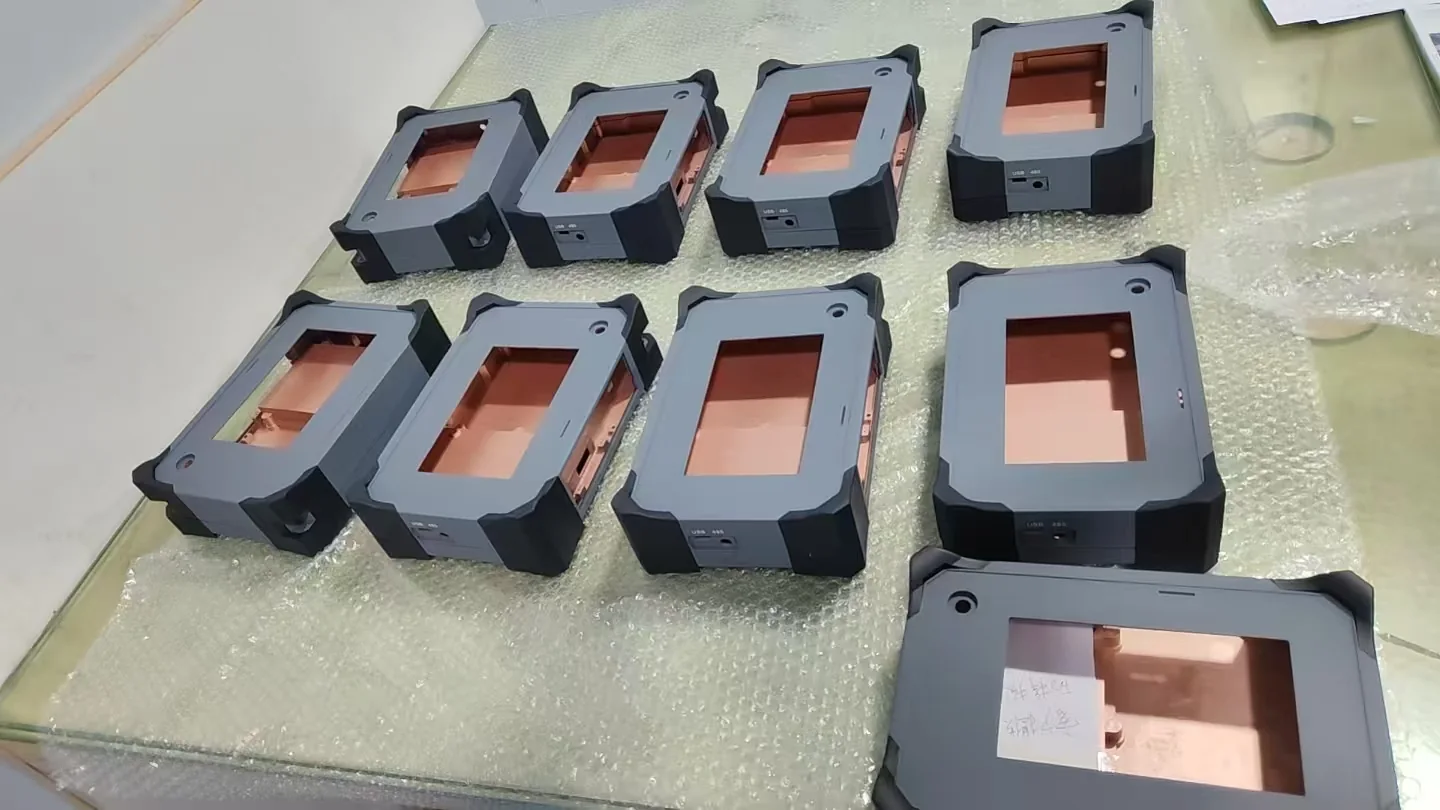
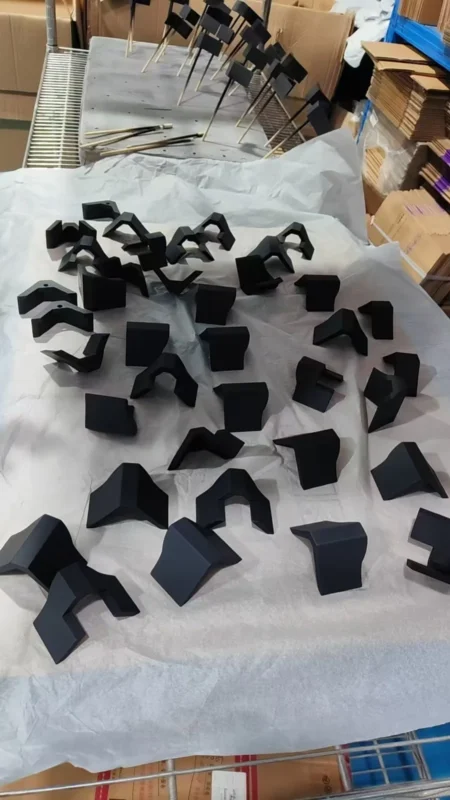
Jingrui Proto’s Vacuum-Cast Electronic Instrument Housings With Multi-Finish Assembly case documents silicone-mold vacuum casting for electronic instrument housings with conductive paint, rubberized paint, matte paint, embedded nuts and assembly. The public case intentionally does not claim a material grade, coating thickness or electrical performance because those details were not approved for publication.
When Volume Increases
Vacuum casting can help bridge the gap between one-off prototypes and production tooling, but the route should be reviewed when volume rises. A supplier should be able to explain when to continue casting, when to switch to CNC machining for engineering plastic, and when to prepare injection molding for a stable design.
RFQ Checklist
- CAD files and drawings for all housing parts.
- Target quantity and whether repeat batches are expected.
- Desired appearance, color, texture, gloss and paint requirements.
- Hardware, inserts, threaded features and assembly requirements.
- Critical dimensions and inspection expectations.
- Any confidentiality limits for photos or public examples.
FAQ
Is vacuum casting suitable for overseas engineering teams?
Yes, when drawings, finish expectations and inspection requirements are communicated clearly. Overseas buyers should request photos, status updates and explicit confirmation of open assumptions.
How many parts can a silicone mold produce?
It depends on geometry, material, finish and handling. Buyers should ask the supplier for project-specific expectations rather than relying on a universal number.
How do I request a vacuum casting quote?
Send CAD, quantity, color, finish, hardware and assembly requirements through the Jingrui Proto contact page.