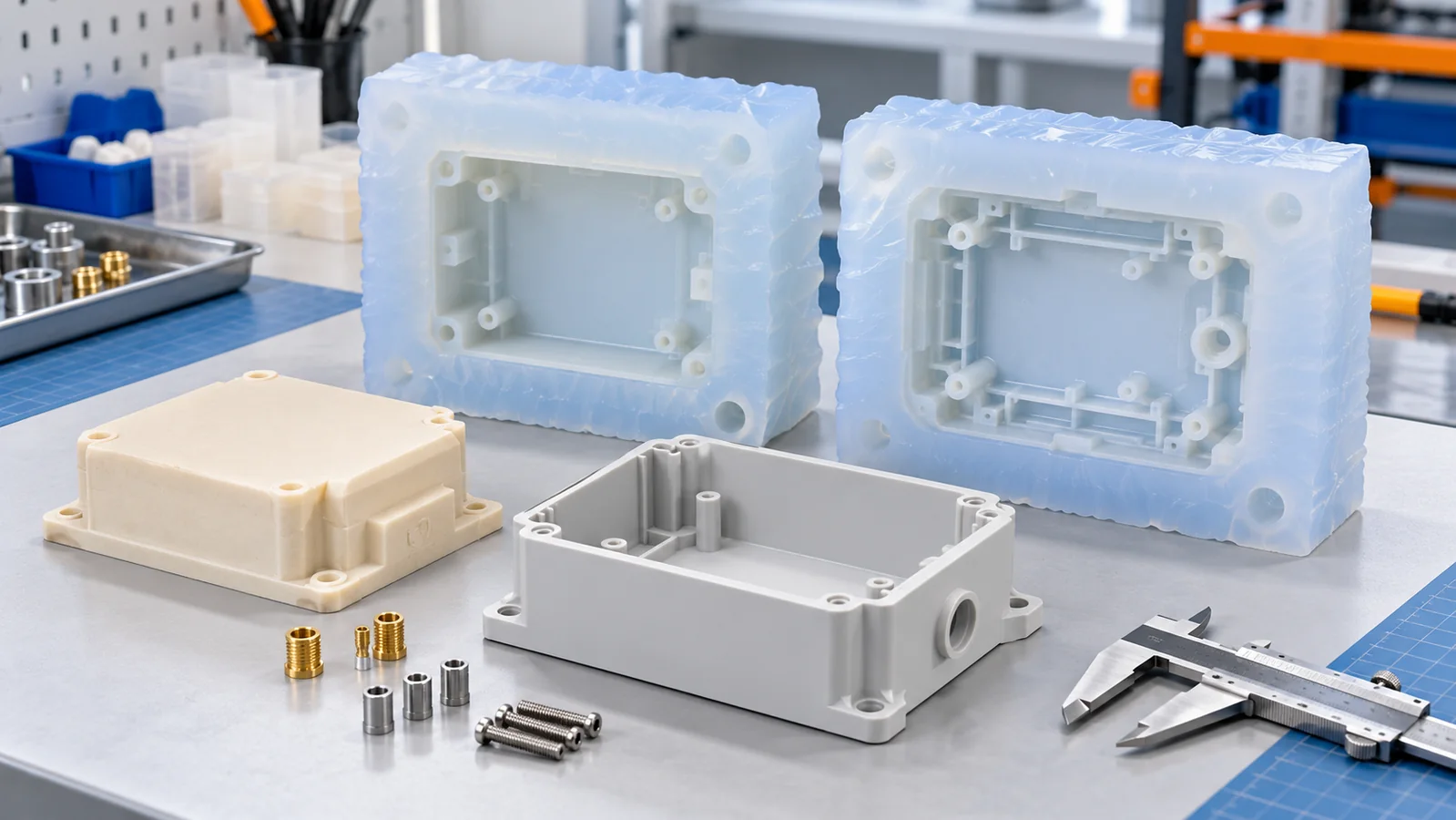
Vacuum casting cost is driven by the master pattern, silicone mold planning, part geometry, material assumptions, quantity, finishing, inserts, assembly and inspection requirements. A useful quote should explain these assumptions instead of presenting a single number with no manufacturing basis.
Why Vacuum Casting Quotes Vary
Two parts with the same outside size can quote very differently. Undercuts, thin walls, deep ribs, cosmetic surfaces, embedded hardware and masking areas all change how the master pattern and silicone mold are planned. Jingrui Proto reviews these details through its vacuum casting service before confirming a route.
Main Cost Drivers
| Cost Factor |
What It Changes |
RFQ Detail to Send |
| Master pattern |
Surface quality and copied detail. |
CAD, visible surfaces and finish target. |
| Mold complexity |
Split line, vents, gates and demolding risk. |
Geometry, undercuts and critical faces. |
| Quantity |
How mold cost is shared across parts. |
Prototype quantity and expected repeat batches. |
| Material expectation |
Urethane-like behavior, color and application fit. |
Functional goal, not just a resin name. |
| Finishing |
Painting, texture, rubberized feel or masking time. |
Color, gloss, texture and acceptance sample. |
| Inspection |
Drawing review and acceptance evidence. |
Critical dimensions and report needs. |
When the Lowest Quote Is Risky
A low quote can be reasonable when the part is simple and the acceptance standard is clear. It becomes risky when the supplier has not discussed inserts, finish zones, dimensional checks or assembly. For overseas buyers, unanswered assumptions often cost more than a careful review.
Case Context
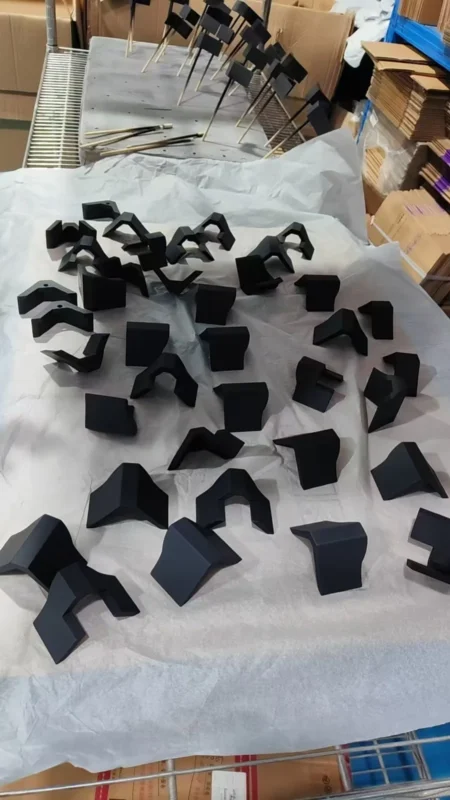
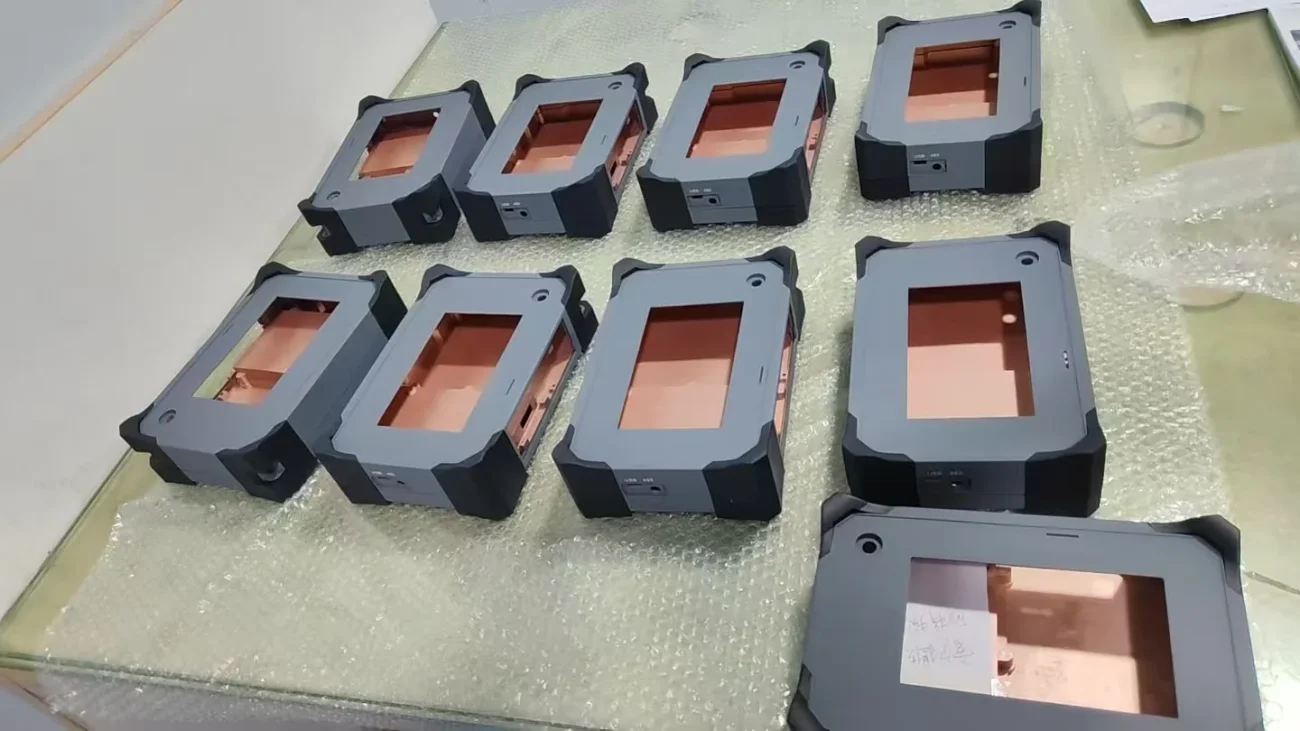
The vacuum-cast electronic instrument housing case shows why quote scope matters: the public project included multiple finishes, embedded nuts and assembly. It does not claim unverified material grades, coating thickness or electrical performance.
RFQ Checklist
- STEP files and drawings for critical dimensions.
- Target quantity for first build and possible repeat batches.
- Color, texture, gloss and paint requirements.
- Insert, threaded hardware and assembly requirements.
- Which surfaces are cosmetic or customer-facing.
- Inspection report or photo-update expectations.
FAQ
Can Jingrui Proto quote from pictures only?
Pictures help explain appearance, but accurate quotation needs CAD, quantity, finish and functional requirements.
Does vacuum casting always beat injection molding on cost?
No. Vacuum casting is often practical for prototype and low-volume plastic parts, while injection molding can become more suitable when the design and quantity justify tooling.
How do I request a quote?
Send CAD files, drawings, quantity and finish notes through the Jingrui Proto contact page.