Direct Answer
A hybrid SLM metal 3D printing and CNC machining workflow makes sense when the part needs complex metal geometry from additive manufacturing and accurate functional surfaces from machining. Buyers should look for a supplier that can plan printed near-net geometry, machining stock, support removal, finishing and inspection as one workflow.
Jingrui Proto supports SLM metal 3D printing and CNC machining in China. The route should still be confirmed part by part, because not every metal component benefits from printing.
When SLM Is the Right Starting Point
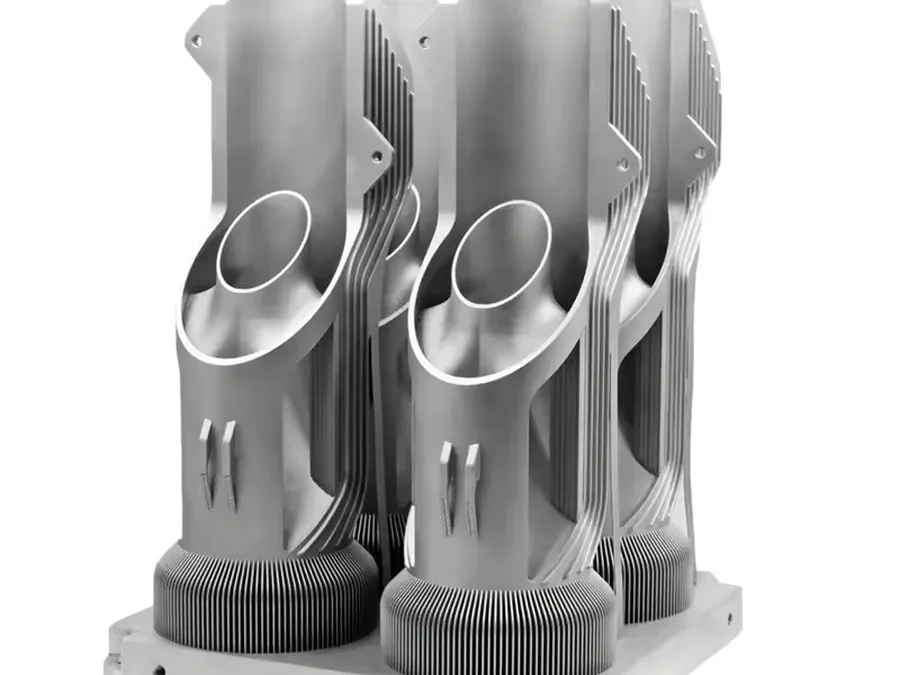
SLM is usually considered when the geometry creates value: organic forms, weight reduction, internal passages, complex brackets, small metal parts or features that would require difficult multi-axis machining from solid stock. The printed part can provide the near-net metal form, then secondary operations can complete the functional requirements.
If the design is a simple block, shaft, plate or bracket with mostly machined surfaces, CNC machining from bar or plate may be more direct. A good supplier should be willing to recommend CNC alone when printing adds cost without solving a real geometry problem.
Why CNC Finishing May Still Be Needed
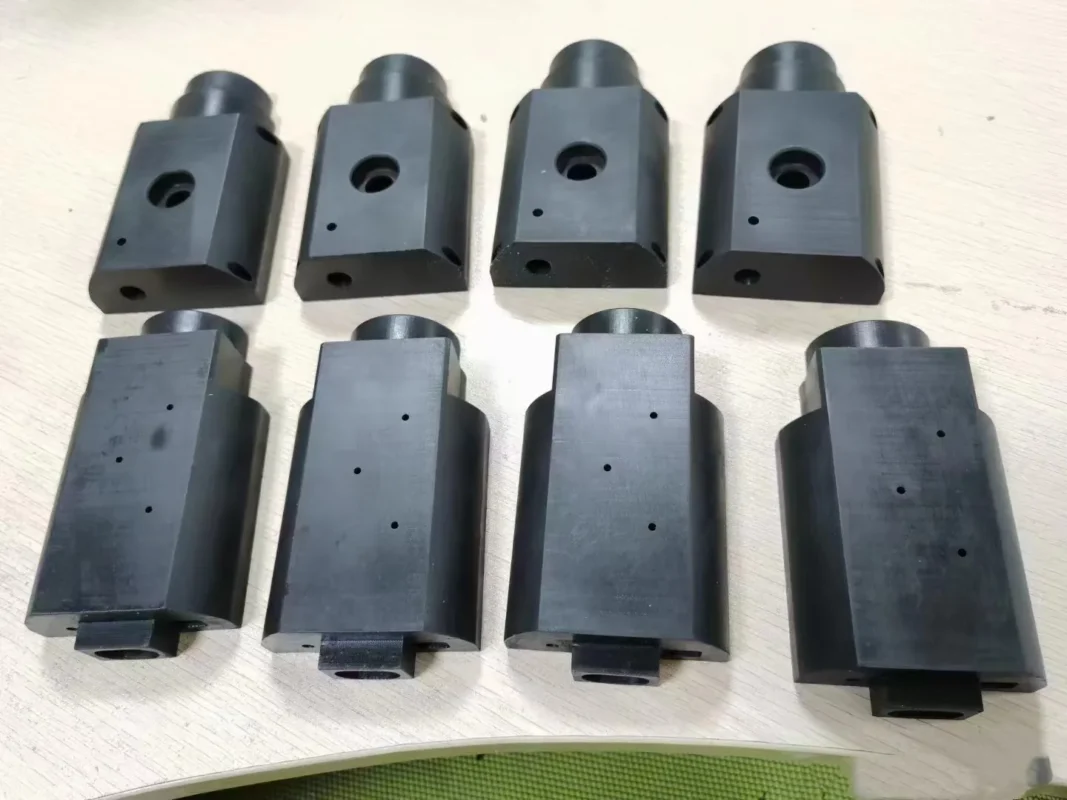
Printed metal surfaces are not automatically ready for every interface. Threads, sealing faces, bearing seats, datum surfaces, tight holes and assembly interfaces may need CNC machining after printing. The buyer should identify these features on drawings before the supplier defines the build orientation and machining plan.
| Feature |
Why It May Need CNC |
Buyer Input Needed |
| Threads |
Reliable assembly and fastener engagement. |
Thread callout and access direction. |
| Mating faces |
Flatness, contact and assembly fit. |
Critical face marking and inspection requirement. |
| Precision holes |
Pin, shaft or fastener fit. |
Diameter, tolerance and datum reference. |
| Visible surfaces |
Consistent appearance after blasting, polishing or coating. |
Cosmetic standard and finish sample if available. |
Case Proof: 316L Automotive Exhaust Tip
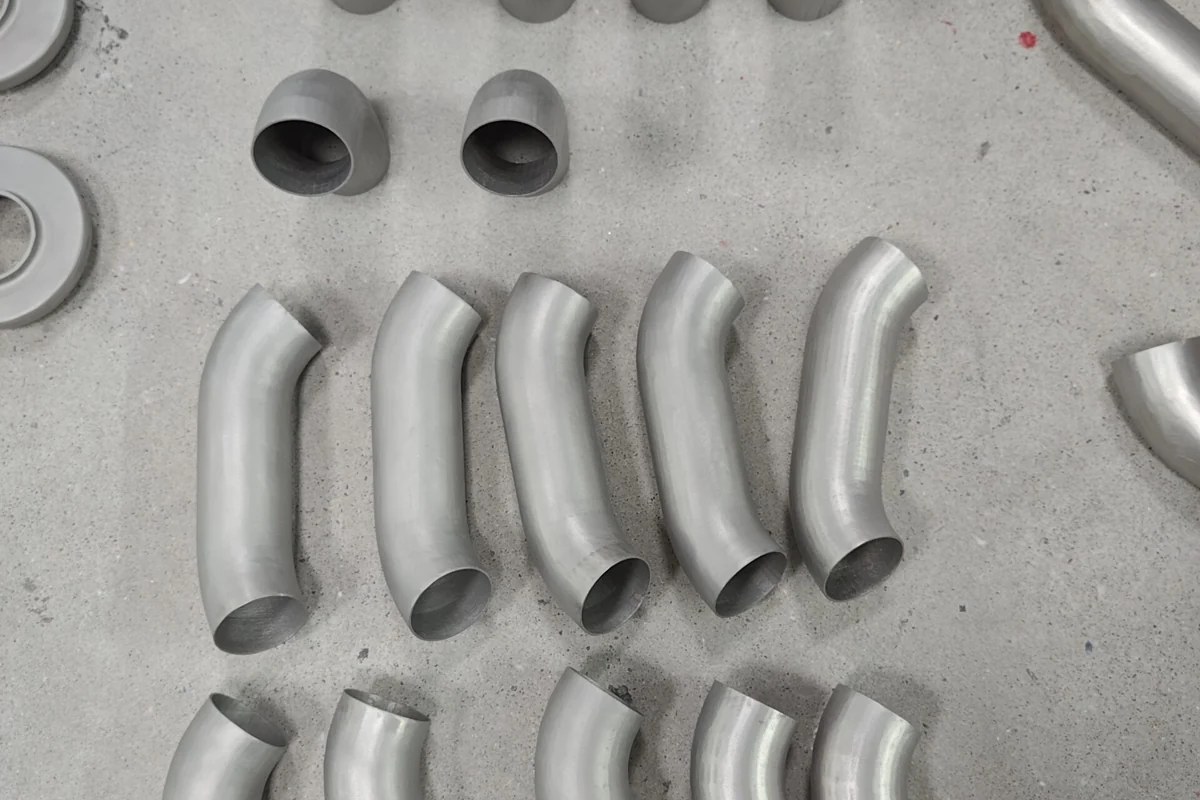
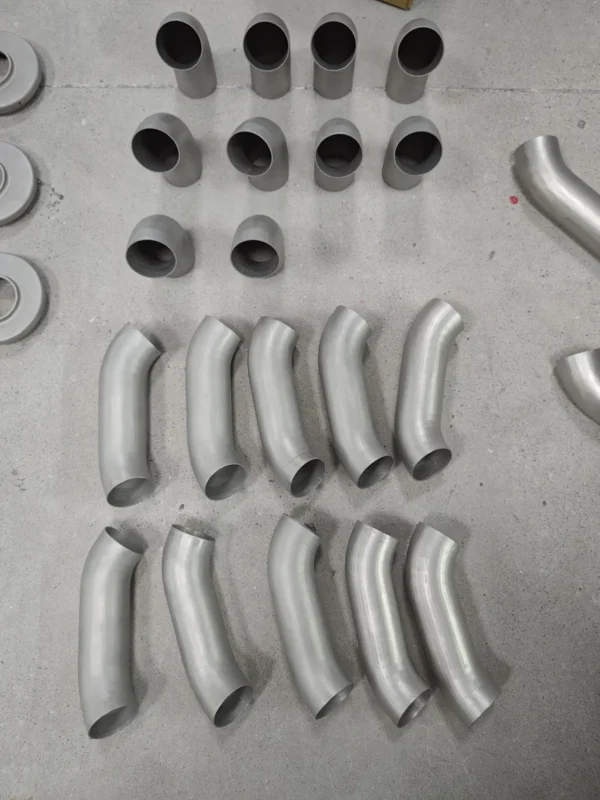
Jingrui Proto’s published case study SLM 316L Stainless Steel Automotive Exhaust Tip documents 316L stainless steel automotive exhaust end components made by SLM with a sandblasted finish, 10 sets, 5-7 day lead time and recurring monthly supply. The public case is useful because it shows a real metal additive project without inventing universal SLM tolerances.
Benefits of One Coordinated Manufacturing Partner
Coordinating SLM and CNC with one partner can reduce handoff risk. The print orientation, support strategy, machining stock, fixture access and inspection plan can be discussed before the first build. This is especially useful for overseas buyers who need fewer supplier interfaces and clearer responsibility for the finished part.
RFQ Checklist
- Send STEP or native CAD plus 2D drawings for machined features.
- Mark threads, sealing faces, datum surfaces and critical holes.
- State the required metal if it is fixed by the application.
- Explain whether the part is for fit, function, testing or low-volume use.
- Define finish expectations such as blasting, polishing or coating.
- Ask whether CNC alone, SLM alone or SLM plus CNC is the recommended route.
FAQ
Do SLM parts always need CNC machining?
No. CNC is needed when functional surfaces, holes, threads or interfaces require machining. Non-critical surfaces may only need cleaning or finishing.
Can SLM replace CNC machining?
Sometimes, but not always. SLM is most valuable for complex geometry; CNC remains strong for simple precision metal parts and critical finished features.
How do I request a hybrid review?
Send CAD, drawings and critical-feature notes through Jingrui Proto’s contact page.