
Clear SLA Phone-Case Appearance Samples: Resin Printing and Surface Finishing
Jingrui Proto manufactured clear SLA phone-case appearance samples using SLA photosensitive resin printing, fine sanding and clear-coat spraying. The owner confirms that the photographed parts were actually made by Jingrui Proto and delivered as visual display samples. This is an appearance-model case, not evidence of a drop-tested protective case or a validated assembly fit.
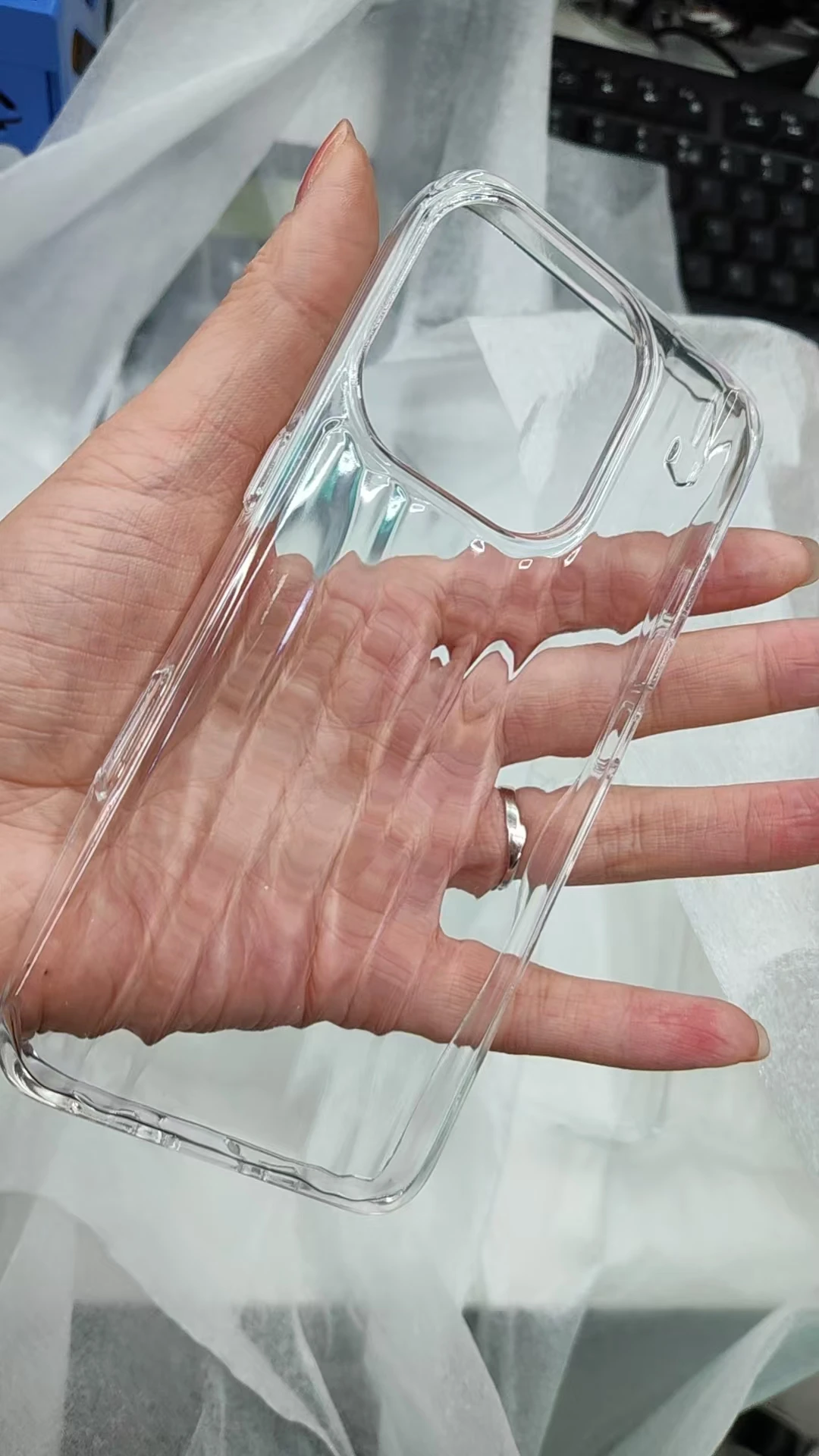
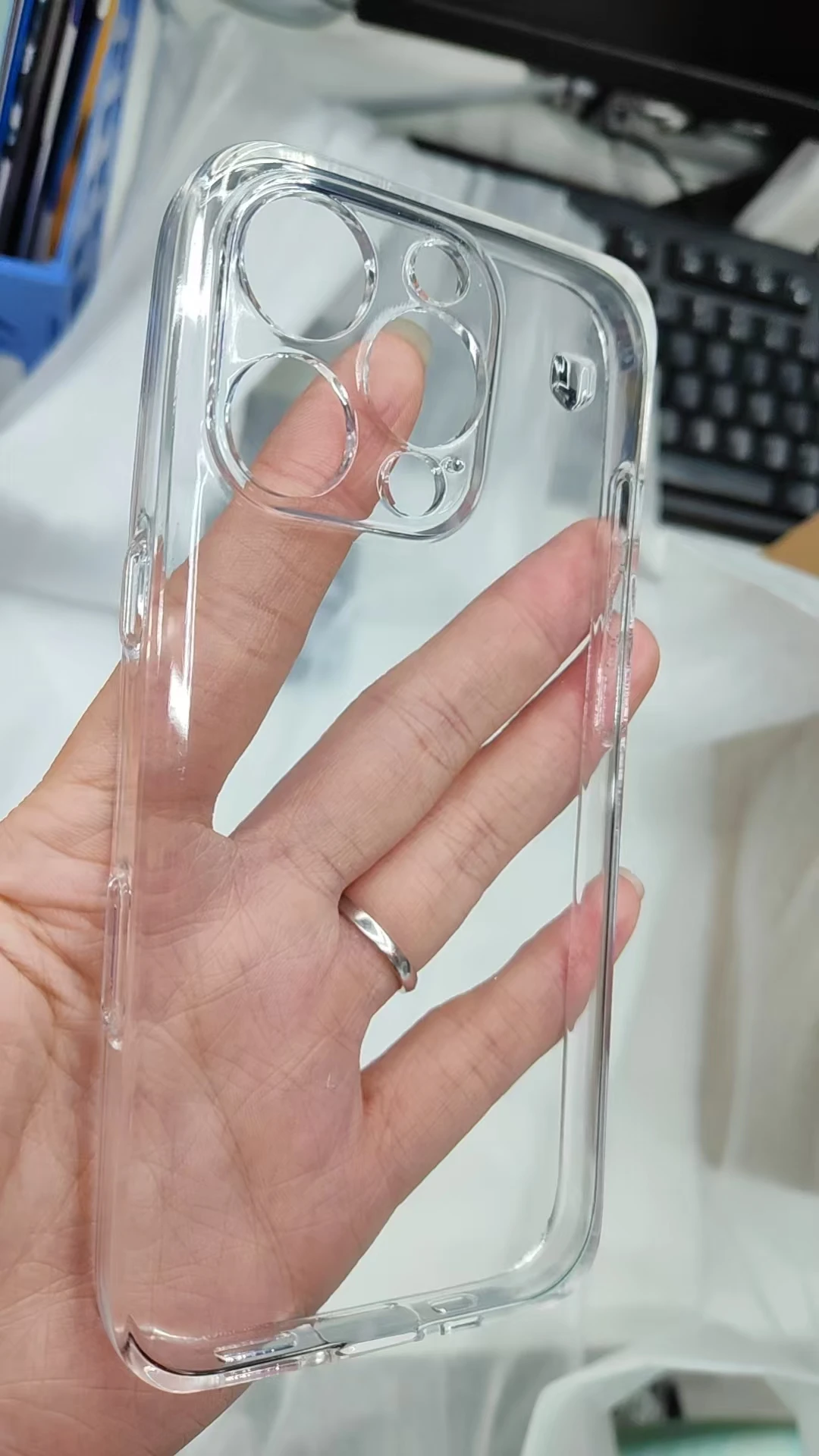
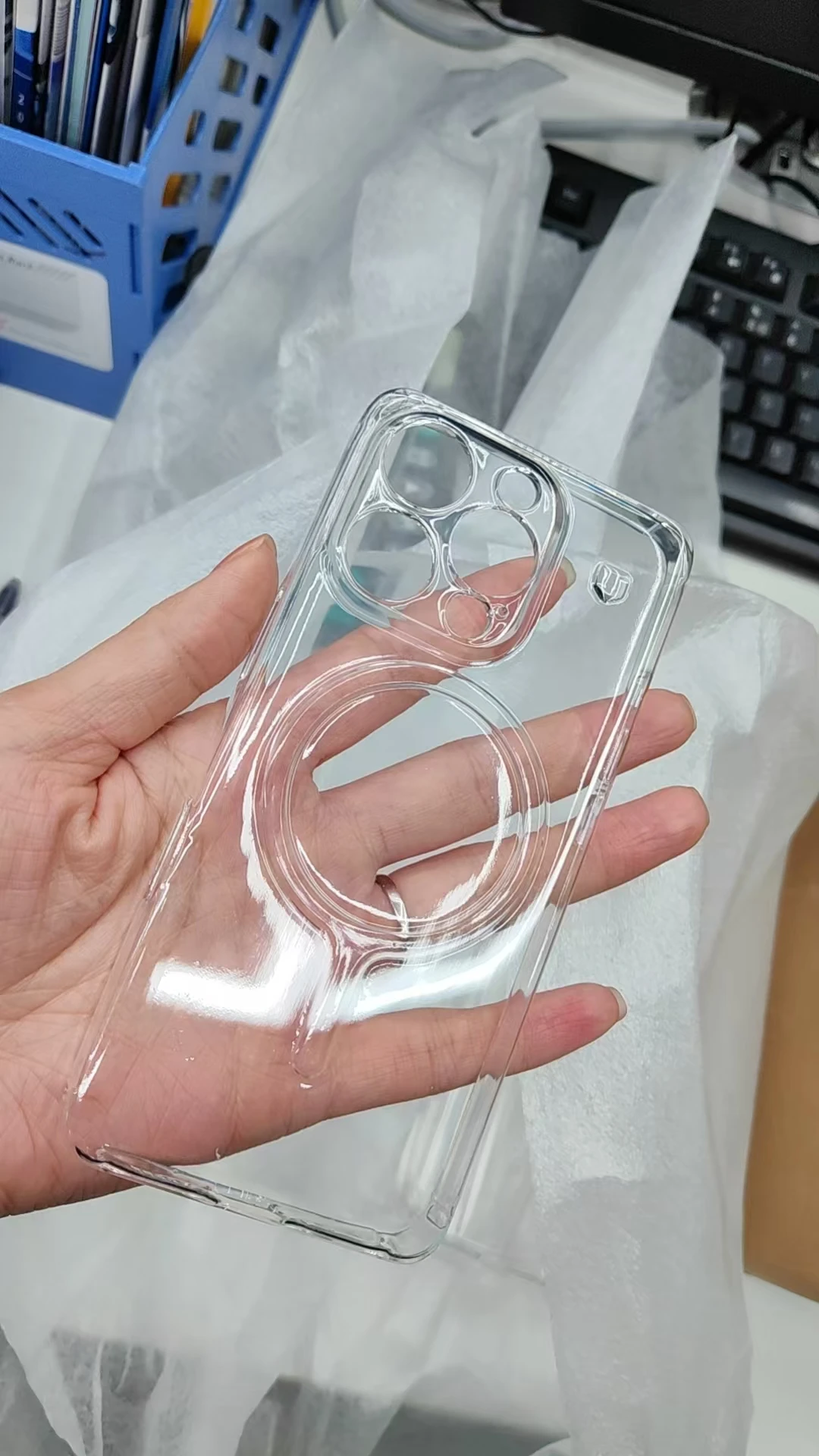
The three original photographs show the clear case geometry from different viewpoints. They document the visible result without establishing a production quantity, tolerance, exact dimensions or optical performance. The customer is not identified.
What Was Delivered in This Clear SLA Phone-Case Project?
Jingrui Proto delivered clear phone-case appearance samples intended for visual presentation. The manufacturing purpose was to make a physical representation of the exterior rather than establish protective performance or certify compatibility with a particular device.
| Project field | Confirmed scope |
|---|---|
| Product | Transparent phone-case appearance samples |
| Manufacturer | Jingrui Proto |
| Primary process | SLA photosensitive resin printing |
| Finishing | Fine sanding and clear-coat spraying |
| Deliverable purpose | Visual display samples |
| Public evidence | Three original project photographs and owner confirmation |
The source folder uses a commercial phone-model name to describe the sample. That filename does not establish an authorized relationship with the device brand. This article uses a generic product description and makes no claim of brand endorsement or verified device fit.
Why Was a Physical Appearance Sample Useful for This Product?
A physical appearance sample makes the visible case form and transparent presentation available for direct viewing. In this project, that visual purpose defines the delivered scope and the limits of the conclusions drawn from the photographs.
A transparent appearance sample can help a buyer discuss overall shape, openings and exterior presentation. Those discussions are different from an assembly test with controlled acceptance criteria. The owner has confirmed the former purpose; the available records do not establish the latter.
This distinction matters when ordering a similar prototype. A sample intended for a presentation should not silently become the specification for a protective product. Mechanical, environmental and fit requirements need their own material selection and verification plan.
Which Manufacturing Processes Were Actually Used?
The documented manufacturing route was SLA resin printing followed by fine sanding and clear-coat spraying. These are the project-specific operations supported by the original technical note.
The printing stage produced the sample geometry. Fine sanding and clear coating then addressed its visible presentation. The record does not identify a printer model, layer thickness, resin grade, sanding sequence, coating chemistry or curing schedule, so these details are not supplied as assumed specifications.
The broader Jingrui Proto transparent-finishing capability includes other operations in separately confirmed work. Those operations are not automatically assigned to this phone-case project. In particular, this case does not borrow an unverified polishing or oven-drying stage from a different sample collection.
How Did Fine Sanding and Clear Coating Relate to the Appearance Requirement?
Fine sanding and clear-coat spraying formed the confirmed finishing work for the sample’s transparent appearance. The case records the use of those processes without claiming a measured improvement in light transmission or an optical-grade result.
For transparent presentation parts, surface condition influences how the shape is perceived under lighting. Sanding and coating therefore belong in the manufacturing brief rather than being treated as incidental decoration. This is practical process reasoning, not a claim that a documented surface defect or a particular corrective action occurred in this order.
Buyers should identify which surfaces are presentation-critical and describe the expected appearance. If numerical optical or surface requirements matter, they should be specified and tested independently. A photograph of a transparent part is not a substitute for those measurements.
What Do the Three Original Photographs Establish?
The three original photographs establish that real transparent phone-case samples were photographed from multiple views. They show the visible sample geometry and finish at the stage captured, with the manufacturing attribution and display purpose confirmed by the owner.
The photographs do not establish how many parts were delivered, whether every view shows the same physical piece, or whether the openings meet an assembly specification. No before-and-after sequence is asserted. No unrelated process photograph or generated image is used to fill an unrecorded production stage.
These images also appear in the historical transparent-sample source collection. Shared source storage is recorded rather than presented as new photography. The article’s subject is the owner-confirmed phone-case appearance work, which is distinct from the existing cross-sample transparent-finishing showcase; it does not claim that every item in that collection belonged to this order.
Which Engineering Conclusions Remain Outside the Evidence?
Optical performance, assembly fit, protective strength and dimensional acceptance remain outside the evidence supplied for this case. No light-transmission measurement, impact result, inspection report or functional validation is claimed.
The material is described at the confirmed process level as SLA photosensitive resin. A trade name, detailed formulation or equivalence to a production thermoplastic is not established. The transparent appearance does not prove that the resin behaves like an injection-molded protective-case material.
The original brief includes a time reference, but this article does not turn that historical note into a delivery guarantee or infer an order quantity. A similar buyer’s schedule needs to be agreed against its geometry, finishing and acceptance requirements.
What Should Buyers Specify for Similar Transparent Appearance Prototypes?
Buyers should specify the visual purpose, geometry files, presentation surfaces, required supplied state and any separate functional requirements. Those inputs allow the manufacturing team to review the intended sample rather than assume it is a finished protective product.
Provide CAD and drawings where available, mark important openings and visible edges, and explain how the sample will be viewed. Separate appearance expectations from any requirements for device fit, fastening or protective behavior. If a test is required, include its method and acceptance criteria in the new RFQ.
Review Jingrui Proto’s prototype manufacturing service and review the SLA 3D Printing service. For process-selection context, read the clear prototype process comparison. The historical result informs the conversation without guaranteeing an identical outcome for a different part.
Which Questions Define the Scope of This SLA Appearance Case?
The key questions distinguish an appearance sample from optical, mechanical or assembly validation.
Was this work actually manufactured by Jingrui Proto?
Yes. The owner confirms Jingrui Proto manufactured the photographed samples and that their delivered purpose was visual display.
Is this a tested protective phone case?
No protective performance or impact testing is established. The case concerns appearance samples.
Are all three views a before-and-after comparison?
No. They are original sample views, not a documented process-stage comparison.
Is optical-grade transparency claimed?
No. No optical classification or measured light transmission is supplied.
Can another transparent part use the same quoted specifications?
A new part needs its own geometry, material, finishing and acceptance review. This case does not provide a transferable tolerance or performance specification.
How Can Buyers Request a Similar Clear Prototype?
Buyers can share their design files and presentation requirements with Jingrui Proto for a project-specific manufacturing review. State whether the request is for a display sample, an assembly prototype or a functional part so the quotation addresses the right requirements.
Request a Similar Project Quote or talk to our engineers on WhatsApp. No enquiry is submitted automatically.