A clear cover can reveal the components inside while still distorting a display behind it. Choosing clear prototype parts therefore starts with the viewing or test requirement, followed by geometry and finishing access. Compare SLA clear resin, CNC acrylic and transparent vacuum casting by what each route must prove, rather than treating every see-through sample as an optical component.
Choose by the Job of the Clear Part
If the part is a quick visual lens, SLA clear resin may be practical. If the part needs machined flatness, edges or acrylic-like appearance, CNC acrylic can be stronger. If the buyer needs several clear or tinted copies from a master, vacuum casting may be the better route. The right process depends on geometry, quantity, clarity expectation and finishing budget.
Transparency Is a Finish Requirement
A printed or machined clear part is rarely accepted straight from the machine. Sanding, polishing, clear coating and careful handling affect final appearance. Buyers should define whether the part must be water-clear, translucent, tinted, frosted or only transparent enough for internal review.
Geometry Changes the Process Choice
Deep internal channels, undercuts, thin walls and complex housings can favor SLA or casting. Flat windows, blocks and machined optical-looking pieces may favor CNC acrylic. If the part must mate with other components, combine clarity requirements with fit and tolerance notes.
Inspection Should Match the Use
A display part needs cosmetic inspection for scratches, haze and visible tool marks. A functional housing needs fit checks. A fluidic or light-guide prototype may need additional buyer-side validation because prototype processes do not automatically prove production optical behavior.
Buyer Decision Table
| Item |
Review |
| SLA clear resin |
Complex clear appearance prototypes; Needs polishing or coating for better clarity |
| CNC acrylic |
Machined clear blocks, windows and covers; Geometry and cutter access matter |
| Vacuum casting |
Multiple clear or tinted prototype copies; Master quality and finishing define the result |
Confirm the Clear-Part Route Before Quotation
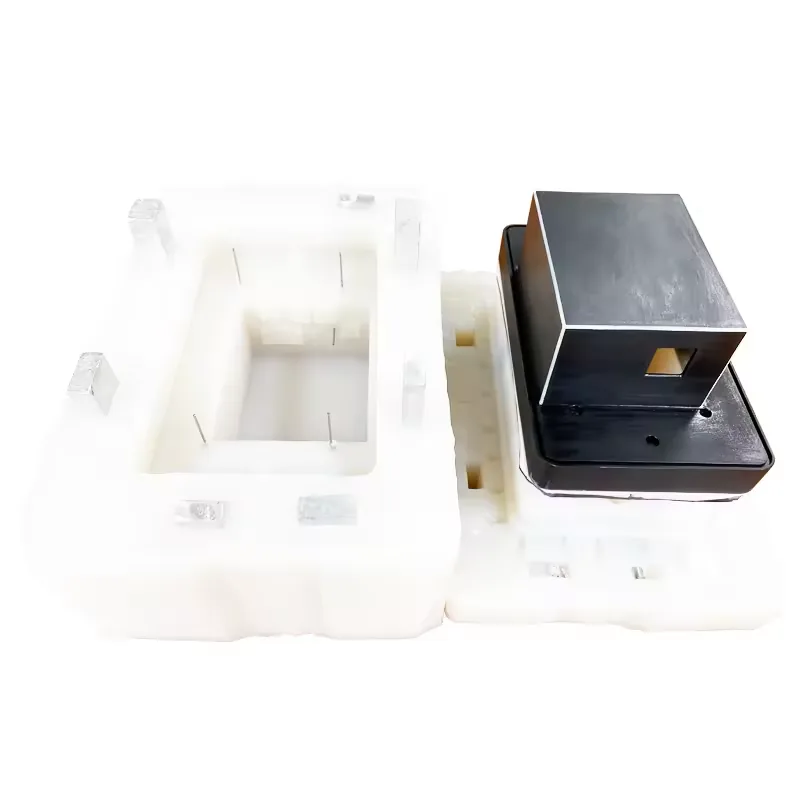
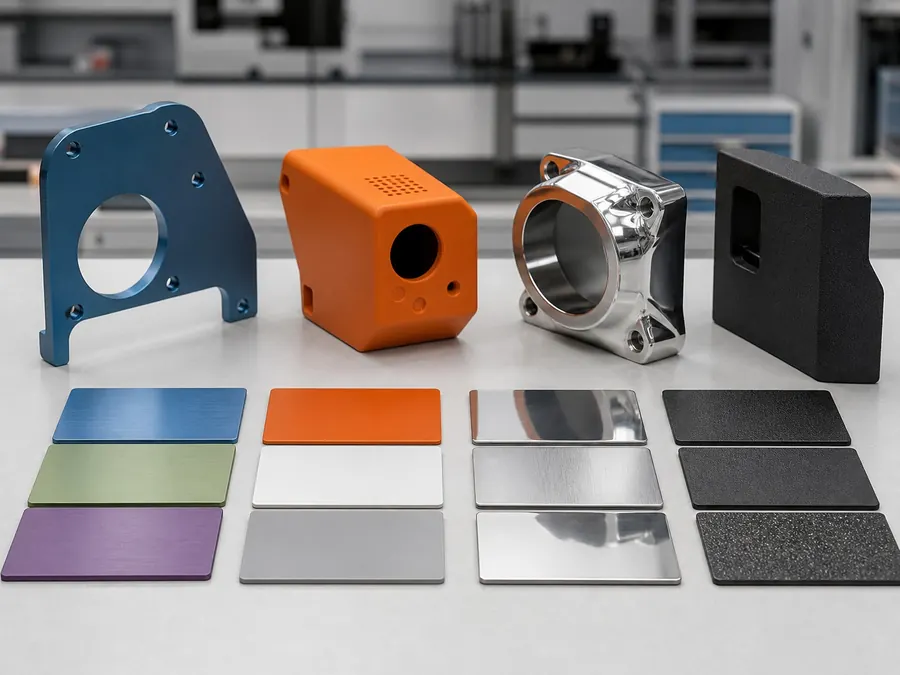
Jingrui Proto offers prototype manufacturing routes that include CNC machining, SLA and vacuum casting. The proposed clear material, finish and assembly condition need project-specific review. Ask which surfaces can be polished or coated and what access is required. A public photograph establishes an appearance example, not transmission, haze, dimensional accuracy or environmental performance for a new component. Keep those requirements explicit when they affect acceptance.
Separate Visibility from Optical Function
Internal visibility, light transmission and image quality are different requirements. A translucent cover may be sufficient to show a moving mechanism. A display window may need readable text through the part. A light guide needs controlled optical behavior in the intended geometry. Define the decision the sample must support before asking the supplier to maximize transparency.
Use a representative viewing arrangement. Place the relevant object, display or background behind the sample at the intended distance. Review the important viewing directions rather than one favorable photograph. If a measured optical property controls acceptance, specify its method and limit separately. A visual demonstration does not establish a numerical transmission, haze or distortion result.
Choose SLA When Geometry and Iteration Drive the Project
SLA can be useful for complex clear housings or internal forms that would be difficult to machine. The process can support rapid design iteration without a casting master or mold, but the final appearance depends on the resin, build preparation and finishing route. Review support contact, accessible surfaces and the areas that will remain difficult to reach.
The Formlabs guide to transparent printing discusses sanding, polishing and coating as different finishing approaches. The procurement implication is that clear printing and final clarity are separate work items. Confirm the delivered condition instead of assuming an unfinished print will resemble a polished display sample. Manufacturer guidance for its own materials is not a guarantee for another supplier’s resin.
Ask whether the proposed finishing could soften detail, change a mating edge or leave a different appearance inside a cavity. A visible exterior can be polished while an internal surface remains textured. If the internal view matters, review that limitation before approval. Splitting the model may improve access, but the joint then becomes part of the appearance requirement.
Choose CNC Acrylic When Accessible Surfaces Matter
CNC acrylic is worth reviewing for windows, covers and other forms that can be reached by cutting and finishing tools. It can begin with clear stock, yet machining marks, edge preparation and assembly stresses still need attention. The material name alone does not establish the appearance of every cut surface or the behavior of a thin feature.
Identify which faces remain as supplied stock surfaces and which are machined. A flat viewing face and a deep internal pocket present different finishing tasks. Ask the supplier to explain the route for important edges and any small inside corners. Do not specify an inaccessible polished internal shape without discussing how it can be reached.
Include the fastening and chemical exposure conditions in the review. A clear plate that appears sound while loose may behave differently once constrained in an assembly. Avoid prescribing a solvent, adhesive or polishing method without checking compatibility with the actual grade and use. Those details belong in the material and assembly review, not in assumptions based on appearance.
Choose Casting When Approved Copies Are the Goal
Transparent vacuum casting can be considered when the team needs several copies of an approved design. The master, mold, resin and finishing condition all influence the result. Review the visible locations of parting lines, gates and local cleanup, especially where the part will be viewed from several directions.
Approve a representative casting in its final finish rather than transferring approval from the master alone. A polished master establishes one part of the route; it does not establish every delivered casting’s clarity or dimensional condition. Ask how the supplier will identify appearance changes and handle rejected parts during the batch.
Keep material substitution visible. Transparent casting resins are not automatically equivalent to acrylic, polycarbonate or the eventual injection-molded polymer. State which prototype tests are permitted and which remain open. Use the vacuum casting service page to discuss the proposed route and request the actual material and finish scope in the quotation.
Compare Routes with a Requirements Ladder
Start with the least ambiguous requirement and work toward the difficult ones. Confirm geometry and size, then viewing access, finished dimensions, visual appearance and any measured functional requirement. A route that passes the first checks may still fail a later one. Record where each candidate route needs a proof sample or additional review.
For a simple clear window, accessible surface quality may favor a machined route. For a complex model that must reveal internal features, SLA may be worth evaluating. For repeated copies of a stable appearance design, casting may justify the master and mold work. These are screening conditions, not universal quantity thresholds or performance rankings.
Where no route satisfies every requirement economically, split the prototype objectives. One sample can support assembly review while another represents the intended visual finish. Identify those roles clearly. Trying to force a single inexpensive model to prove appearance, optics, sealing and durability can create a misleading approval result.
Application Example: A Display Window with a Sealing Edge
Consider an illustrative cover that must show display text and fit against a seal. Its outside face needs a clean appearance, while the perimeter controls assembly. A supplier may propose polishing the entire part, but that could affect the edge used to locate it. Another proposal may add a clear coating that changes the finished fit.
The buyer should mark the viewing area and the functional perimeter separately. Define the text or image used for the visual review, and identify the final condition in which the sealing interface is measured. Ask whether masking or a different finishing sequence protects the functional region. Approve the complete condition rather than judging the center of the window alone.
A successful visual review still leaves any required sealing or environmental test to be performed under the project’s defined conditions. This example illustrates requirement separation; it is not an account of a customer product or evidence of a particular optical or sealing rating.
Review Samples, Cleaning and Handling Together
Inspect a representative sample before authorizing a batch. Record the material, revision, finish and lighting conditions associated with approval. Include corners, edges and internal surfaces in the review, not only the easiest flat face. If only a coupon is available initially, record which geometry-related questions it leaves unanswered.
Ask how the finished part can be cleaned without damaging its surface. The appropriate method depends on the material and any coating. Do not assume a cleaner used on production glass is suitable for a resin or acrylic prototype. Clarify whether protective film can be used and which surfaces it may contact.
Plan packing to prevent rubbing and pressure on important clear areas. Separate loose hardware and provide assembly guidance if the buyer must install the part. A surface that passed inspection before shipment can be scratched during handling. Receiving inspection should distinguish transport damage from a manufacturing or finishing issue so the correct action can be taken.
Add These Questions to the Supplier Review
- Which surfaces will be directly visible in the intended viewing arrangement?
- Which surfaces cannot be reached for the proposed polishing or cleanup?
- Does the sample represent the final resin, coating and assembly condition?
- What dimensions or edges might change during finishing?
- Which optical or environmental requirements remain unverified by a visual sample?
- What cleaning, handling and packing instructions accompany the approved part?
Use the answers to close the process decision before manufacture. For a broader appearance-material choice, consult the separate SLA resin selection guide. This article addresses the narrower clear-part problem: selecting a route and acceptance method that match the required view through the finished component.
RFQ Checklist
- CAD, overall dimensions, quantity and whether joined construction is acceptable.
- Purpose: internal visibility, display viewing, light guidance or another test.
- Viewing direction, background, lighting and representative visual reference.
- Clear surfaces, hidden areas, support restrictions and finishing access.
- Candidate material or required behavior, including actual environmental exposure.
- Tint, gloss, coating restrictions and required final dimensional condition.
- Measured optical or sealing criteria where the application requires them.
- Cleaning, packing, handling and the sample approval needed before a batch.
How Jingrui Proto Can Help
For a clear-part quote, send Jingrui Proto the CAD, viewing purpose and reference conditions together with quantity and geometry constraints. Mark surfaces that must remain clear, areas allowed to show support or tooling marks, and interfaces that need dimensional control after finishing. If the part has an optical, fluid or environmental duty, identify the required test separately so a visual prototype is not mistaken for a validated functional component. Send the project for an RFQ review.
FAQ
Which process is best for clear prototype parts?
There is no single best process. Use SLA for complex quick models, CNC acrylic for machined clear features and vacuum casting when several clear copies are needed.
Can SLA clear resin look like glass?
It can be polished and coated for improved clarity, but buyers should define the acceptable level of haze, transparency and surface marks before production.
Is CNC acrylic better than clear resin?
For some flat or machined clear parts, yes. For complex internal geometry, clear resin or casting may be more practical.
Can vacuum casting make transparent parts?
Yes, transparent or tinted urethane-like parts can be produced when the master, mold and finishing plan support the appearance target.
What should I send for a clear-part RFQ?
Send CAD, quantity, target clarity, tint, finish, cosmetic surfaces, assembly requirements and photos of the desired appearance if available.
Should I request optical performance data?
If optical performance matters, state the test method and acceptance criteria. Appearance transparency alone does not prove optical function.
Related Posts
Author Box
Author Name: Jingrui Proto Engineering Team
Industry Experience: Prototype manufacturing, CNC machining, industrial 3D printing, vacuum casting, finishing and inspection for international product development teams.
Brief Bio: Jingrui Proto publishes manufacturing guidance for engineers and sourcing teams preparing RFQ packages, CAD files and low-volume production plans.