
FDM PA-CF 3D Printing for Functional Industrial Parts
PA-CF FDM 3D printing and engineering thermoplastics for functional industrial components, structural parts, brackets and prototypes.
Capability / application case study: This anonymized overview explains Jingrui Proto’s industrial FDM offering and how to assess a functional part. It does not describe a named customer project or report project-specific test results.
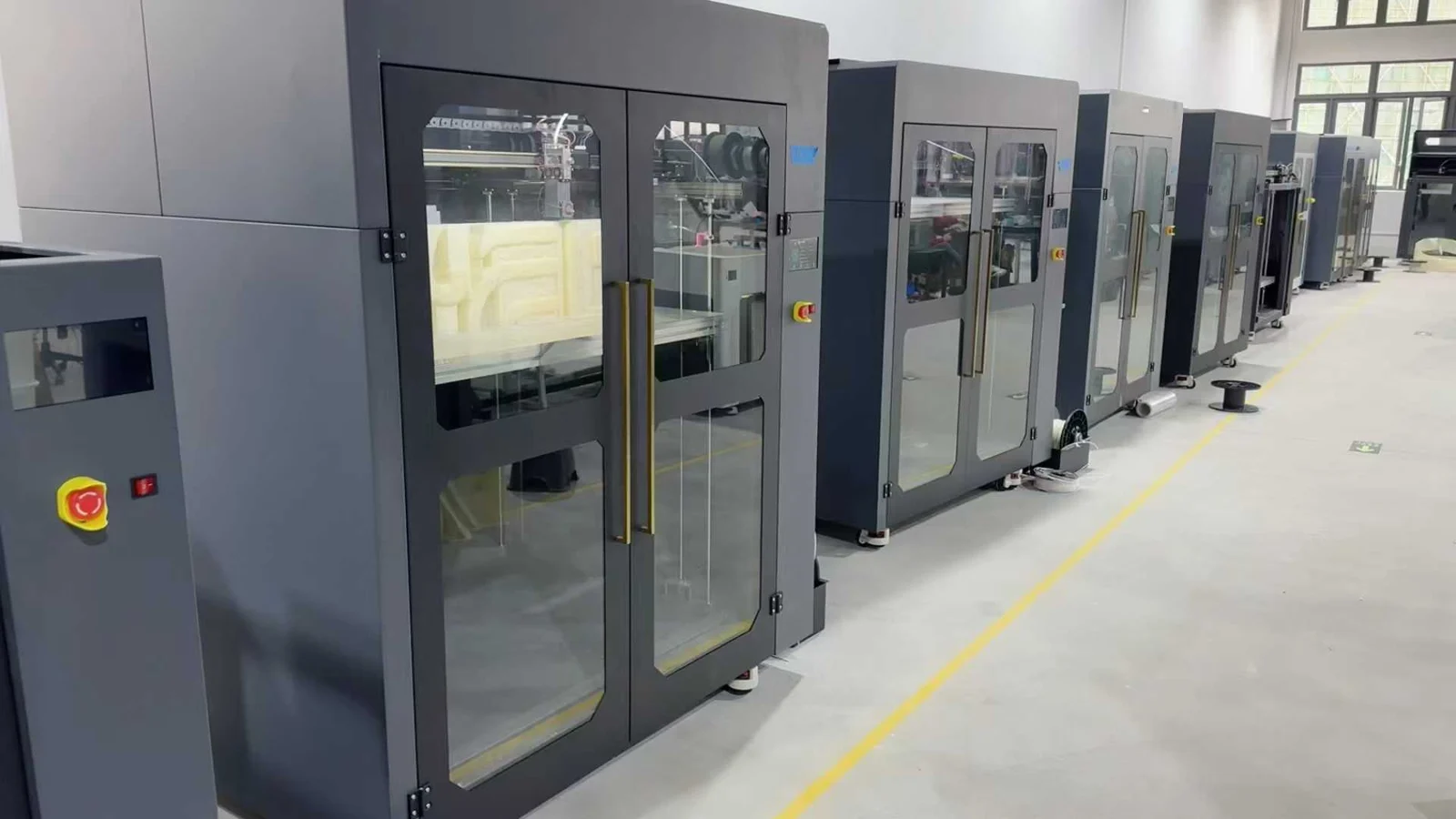
Why PA-CF / Engineering FDM
PA-CF combines a polyamide matrix with carbon-fiber reinforcement. For functional industrial components, it is an option to evaluate when stiffness and weight matter alongside the required shape and operating conditions. Carbon fiber FDM still produces a layered part: orientation, interfaces and the selected material grade remain central engineering decisions.
Engineering FDM materials extend the choice beyond a visual model material. The aim is to match the polymer and production route to the intended function. For PA-CF, review moisture handling and conditioning, layer direction and fastening details as part of that choice. No universal strength, accuracy or temperature rating is assumed.
Explore Jingrui Proto’s FDM 3D printing service to discuss a process route for your CAD model.
Typical Industrial Applications
- Functional industrial components: housings, covers and equipment interfaces assessed against their intended environment and mating features.
- Brackets and supports: mounting geometry reviewed for load paths, fasteners and layer direction.
- Structural prototypes: part forms used to evaluate assembly and design decisions, with any load-bearing role subject to validation.
- Jigs and fixtures: locating, positioning and assembly aids with defined contact points and acceptance criteria.
- Functional prototypes: iterative components for assessing fit and intended use before choosing the next production method.
These are application possibilities for engineering review, not verified customer deliveries or performance outcomes for the parts photographed here.
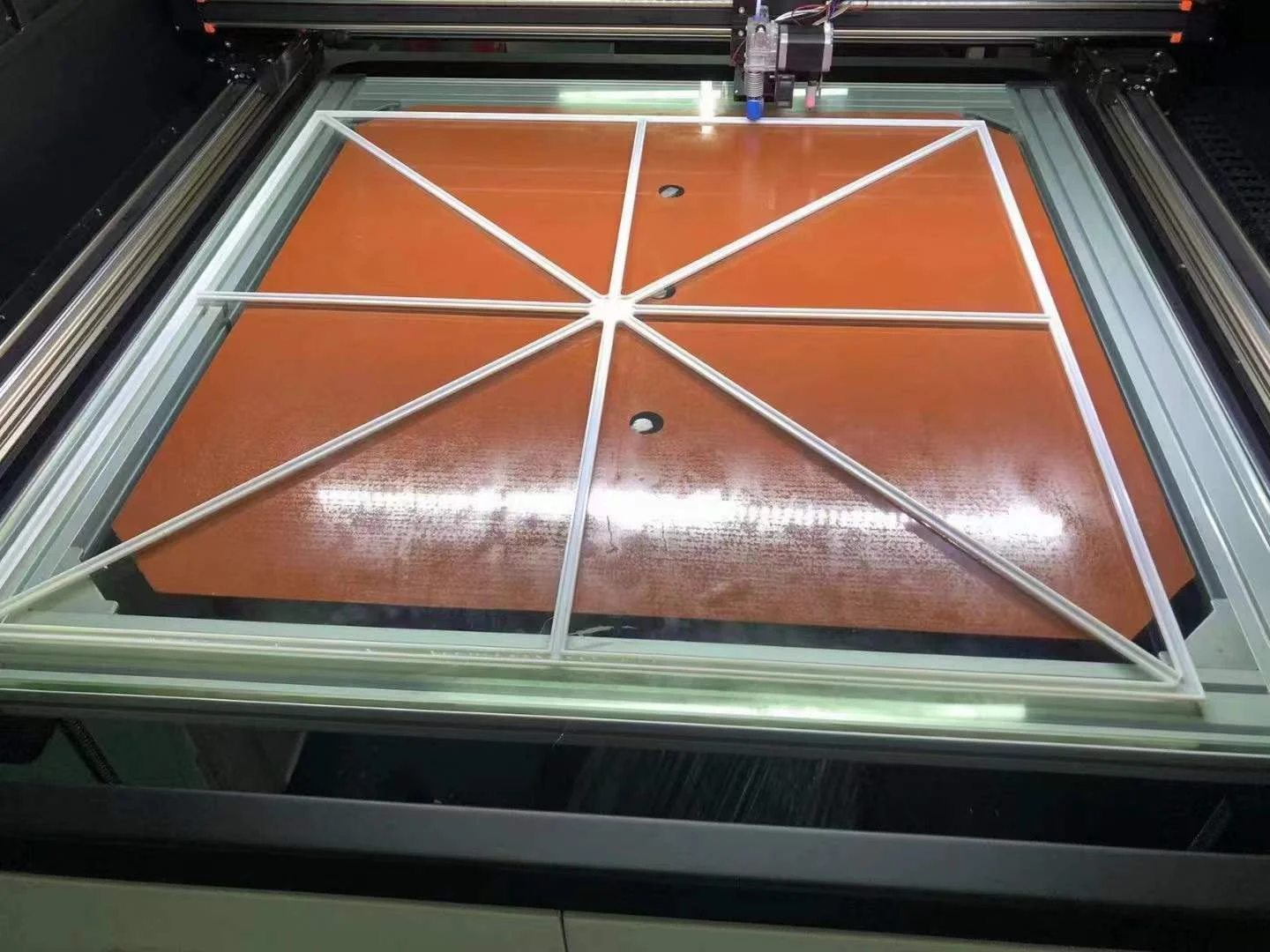
Material Selection
Jingrui Proto supports PA, carbon-fiber-reinforced materials, PC, PPS, PEEK, ULTEM 9085, ULTEM 1010, ASA, ABS, PETG, TPU and PLA for industrial FDM printing. Confirm the specific grade, equipment and manufacturing route before selecting a material. The full material list is not a promise that every material can run on every machine or at the largest build size.
Mechanical requirements
Define the expected loads, load direction, contact surfaces, fasteners and whether the part is for fit assessment, a working prototype or production use. Assess the printed material in the intended build orientation rather than relying only on a generic polymer description.
Temperature and environment
Specify operating conditions, moisture exposure, chemicals and indoor or outdoor use. Compare grade-specific documentation and any required validation with the application; no blanket heat-resistance value is assigned to PA-CF or the supported material range.
Stiffness and weight requirements
Review whether PA-CF or another reinforced material fits the required rigidity and mass constraints. Geometry, wall layout and attachment details affect the decision. A reinforced material is not by itself evidence of a particular weight reduction or load capacity.
Geometry and production method
Check overall size, wall sections, ribs, holes, support access and build orientation. Compare PA-CF with unfilled PA and other available engineering materials using the actual geometry. Also assess whether FDM, SLA, SLS or another manufacturing method best meets the function, finish and production requirements.
One-Piece Production Considerations
Jingrui Proto offers industrial FDM with a build size up to approximately 1 meter and high-flow extrusion up to 120 mm³/s. The extrusion figure is volumetric material flow, not a guaranteed print speed or output rate for a PA-CF part. Actual settings depend on the material, machine, nozzle and geometry.
One-piece production is possible where geometry, orientation and material requirements allow. Review the usable build envelope, supports, thermal behavior, layer direction and access for finishing or inspection. A nominal build dimension alone does not confirm that a specific part fits or can be manufactured reliably.
A complete part can avoid planned bonded interfaces, but segmentation may remain appropriate for printing, handling, transport or assembly. See the Large-Format FDM Case Study for the related capability overview and real workshop examples.
Engineering Review
Send CAD and drawings with the intended function and service conditions. Jingrui Proto can review the material and production approach before quotation.
- Overall dimensions and geometry, including critical mating features.
- Mechanical requirements, load direction and fastening details.
- Temperature, moisture, chemical exposure and other environmental conditions.
- Required stiffness, weight constraints and preferred material grade.
- Orientation, supports and one-piece versus segmented production.
- Target quantity, surface expectations, critical dimensions and inspection or validation requirements.
For functional use, agree on acceptance criteria and the validation needed for the application. This capability case makes no claim about a customer quantity, tolerance achieved or completed performance test.
Frequently Asked Questions
Is PA-CF suitable for functional FDM parts?
PA-CF is a material option for functional FDM parts when the selected grade and manufacturing route meet the application requirements. Review load direction, layer orientation, moisture conditioning, fastening and operating environment before approval. Carbon-fiber reinforcement alone does not establish a finished part’s strength or fitness for service.
What is PA-CF used for?
PA-CF 3D printing can be considered for industrial brackets, structural prototypes, fixtures, locating aids and other functional components where stiffness and weight are design considerations. Each application needs an engineering review; these are typical uses, not results from a documented customer order.
Can large PA-CF parts be printed?
Large PA-CF parts can be evaluated within Jingrui Proto’s industrial FDM capability of up to approximately 1 meter build size. The usable envelope and material compatibility depend on the selected machine, geometry and orientation. One-piece production is possible where those factors and material requirements allow; not every supported material is available across the full build size.
What materials are available for industrial FDM?
Jingrui Proto supports PA, carbon-fiber-reinforced materials, PC, PPS, PEEK, ULTEM 9085, ULTEM 1010, ASA, ABS, PETG, TPU and PLA. Confirm the specific grade and machine compatibility during quotation. Availability across the material range does not mean every grade suits every part or machine.
When should I choose FDM instead of SLA or SLS?
Consider FDM when an available engineering thermoplastic, a large build envelope or a suitable one-piece route matches the part requirements. Compare SLA when visual detail and surface finish drive the decision, and SLS for suitable nylon geometry and a powder-supported build. Select using function, geometry, material grade, surface needs and the proposed production method rather than the process name alone.
Request an Engineering Review for Your FDM Part
Considering PA-CF or another engineering FDM material for a bracket, structural prototype or functional industrial component? Send your CAD file, application requirements and material preference so Jingrui Proto can assess the manufacturing route.