
From Prototype to Low-Volume Production — N-JUMP Ultra-NEP
Project summary: After the complete Ultra-NEP prototype stage, N-JUMP moved into low-volume manufacturing with Jingrui Proto and then placed a repeat low-volume order approximately two months later before the project later progressed toward rapid tooling.
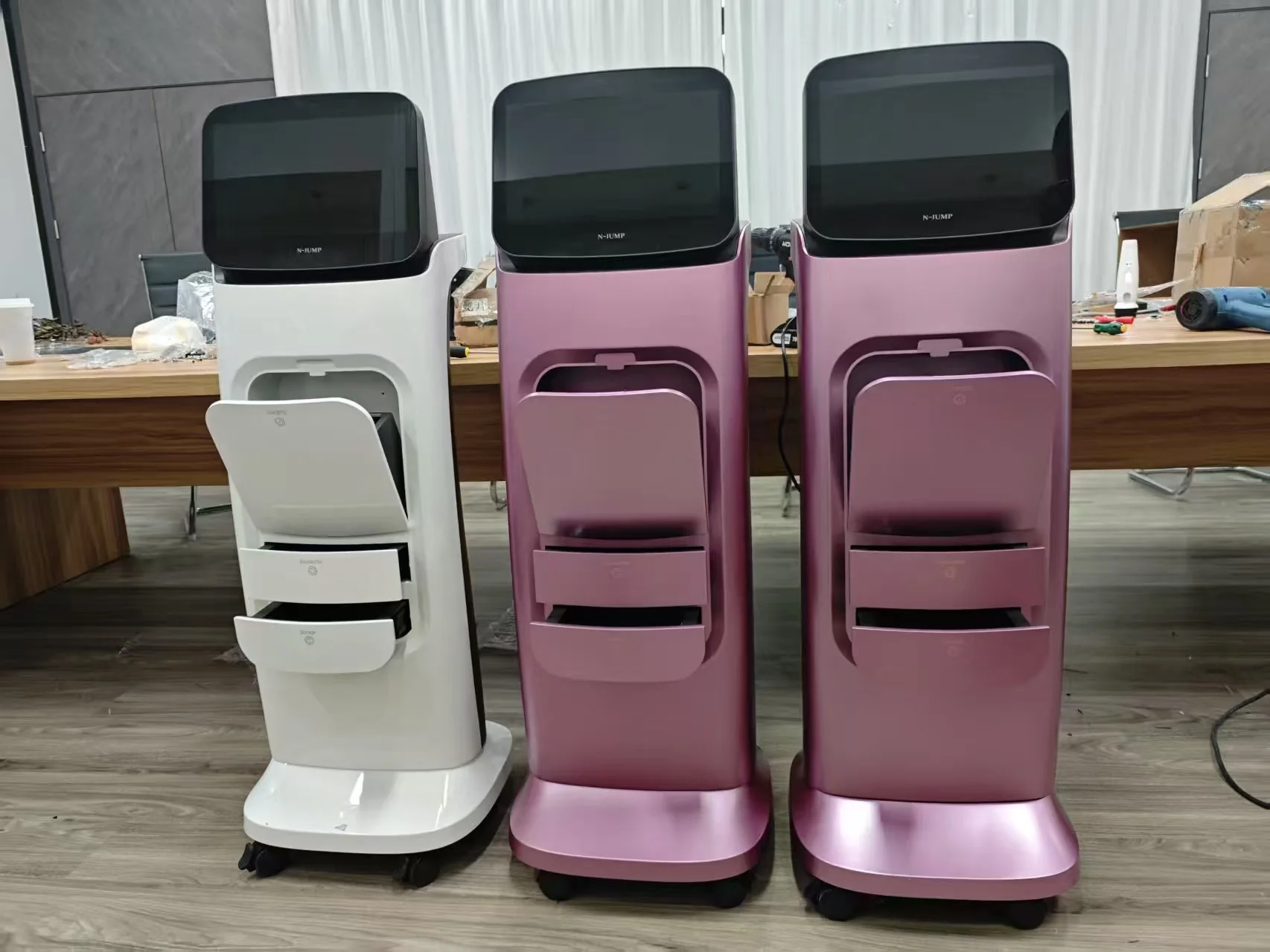
Prototype to Low-Volume Sequence
The confirmed sequence was complete product prototype, initial low-volume manufacturing, a repeat low-volume order approximately two months later, increased product demand and later progression toward rapid tooling. No batch quantities are published.
Why Low-Volume Manufacturing Came After the Prototype
A complete prototype helps the team review product form, assembly and appearance. Low-volume manufacturing gives the product team a more practical bridge for market introduction, supply planning and additional product validation without immediately committing to tooling.
Why a Repeat Low-Volume Order Can Make Sense
A second low-volume order can support demand checking, design refinements, assembly learning and supplier workflow review. In the Ultra-NEP project, the repeat order came before the later rapid tooling decision, which is a normal bridge-production pattern when demand and product details are still developing.
Why would a customer order low-volume production more than once before tooling?
Because low-volume production can validate demand, finish quality, assembly relationships and product changes while keeping tooling commitment lower. A repeat order can be a deliberate bridge step before rapid tooling.
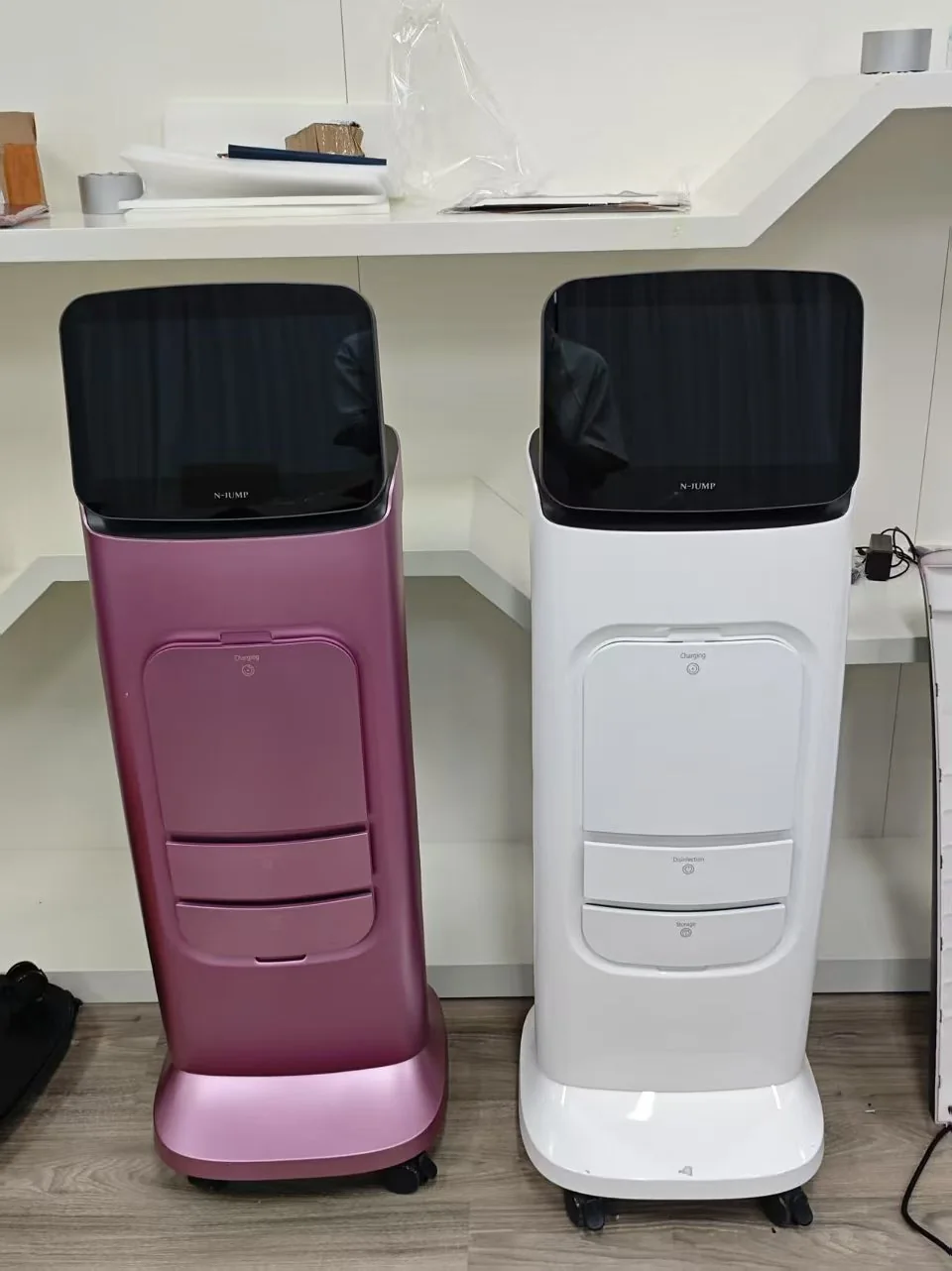
What This Does Not Claim
This case does not publish order quantity, material, tolerance, lead time or production volume. Public market-demand reporting about Ultra-NEP is not treated as Jingrui Proto production quantity.
Transition Toward Tooling
As demand increased and the product direction became more stable, the Ultra-NEP project later progressed toward rapid tooling and injection-molded product components. That transition is covered separately in the rapid tooling and injection molding case.
Buyer Takeaways
- Prototype success does not always mean immediate tooling.
- Low-volume manufacturing can reduce risk before tooling investment.
- A repeat low-volume order may be evidence of practical product validation rather than indecision.
Plan a Prototype-to-Low-Volume Project
Share your CAD files, target build stage and what must be validated before tooling.
Request a low-volume manufacturing review
Related Resources
Review Low-Volume Manufacturing, Prototype Services, the flagship Ultra-NEP case and why product teams use low-volume manufacturing before tooling.