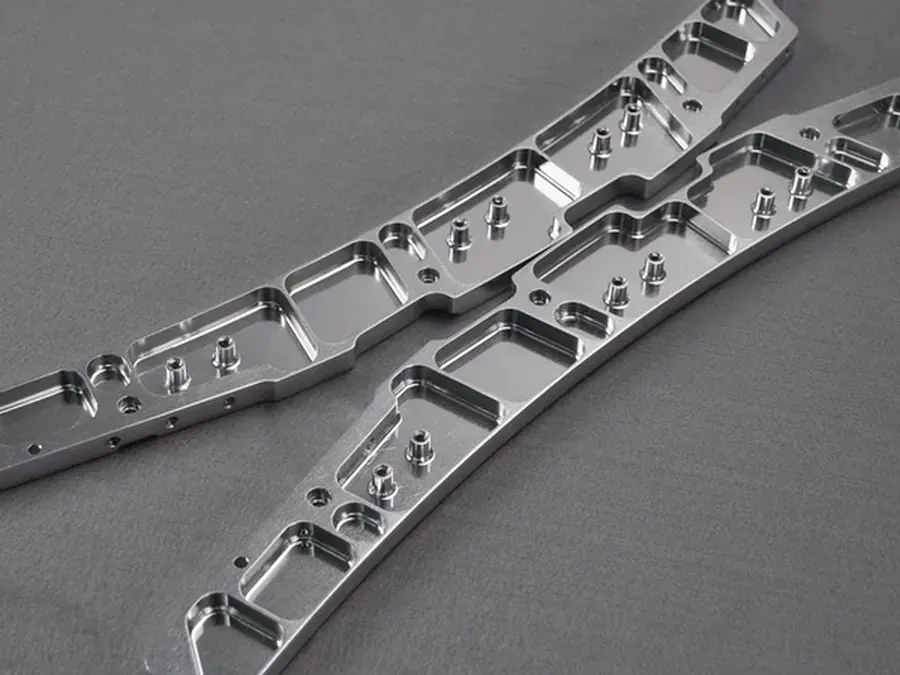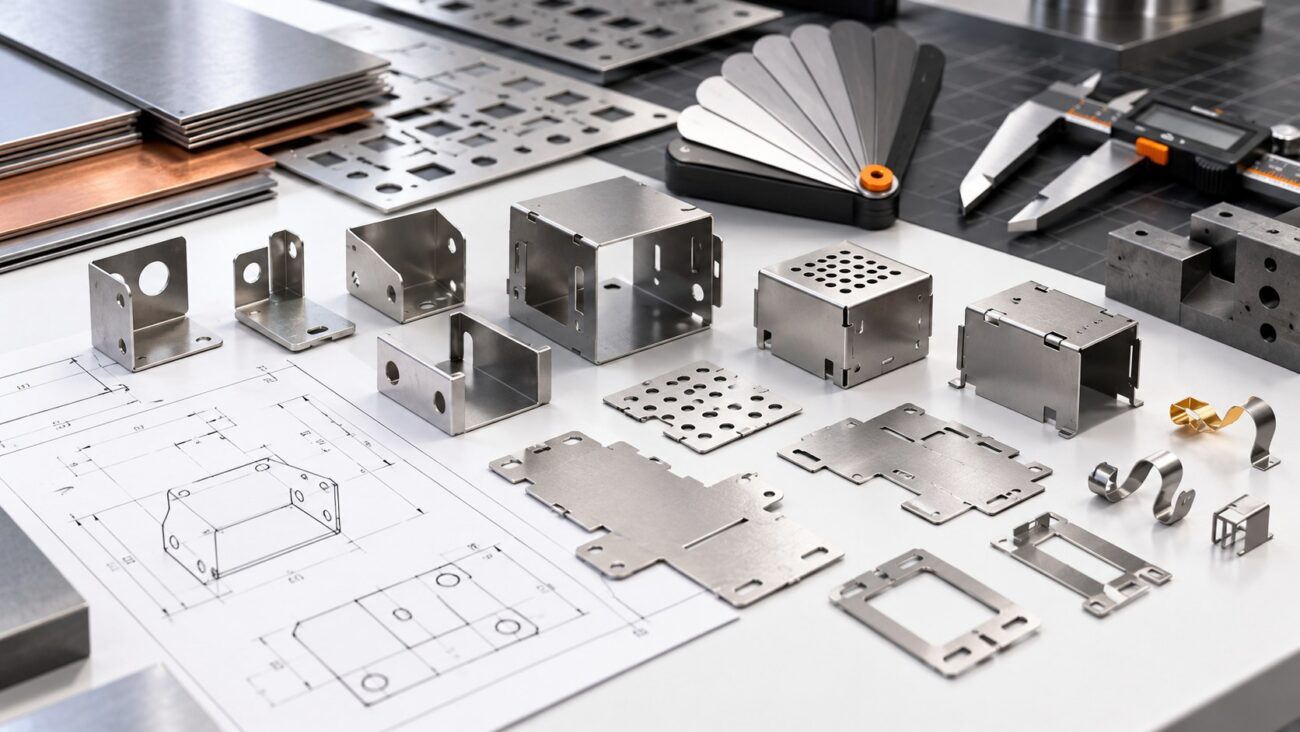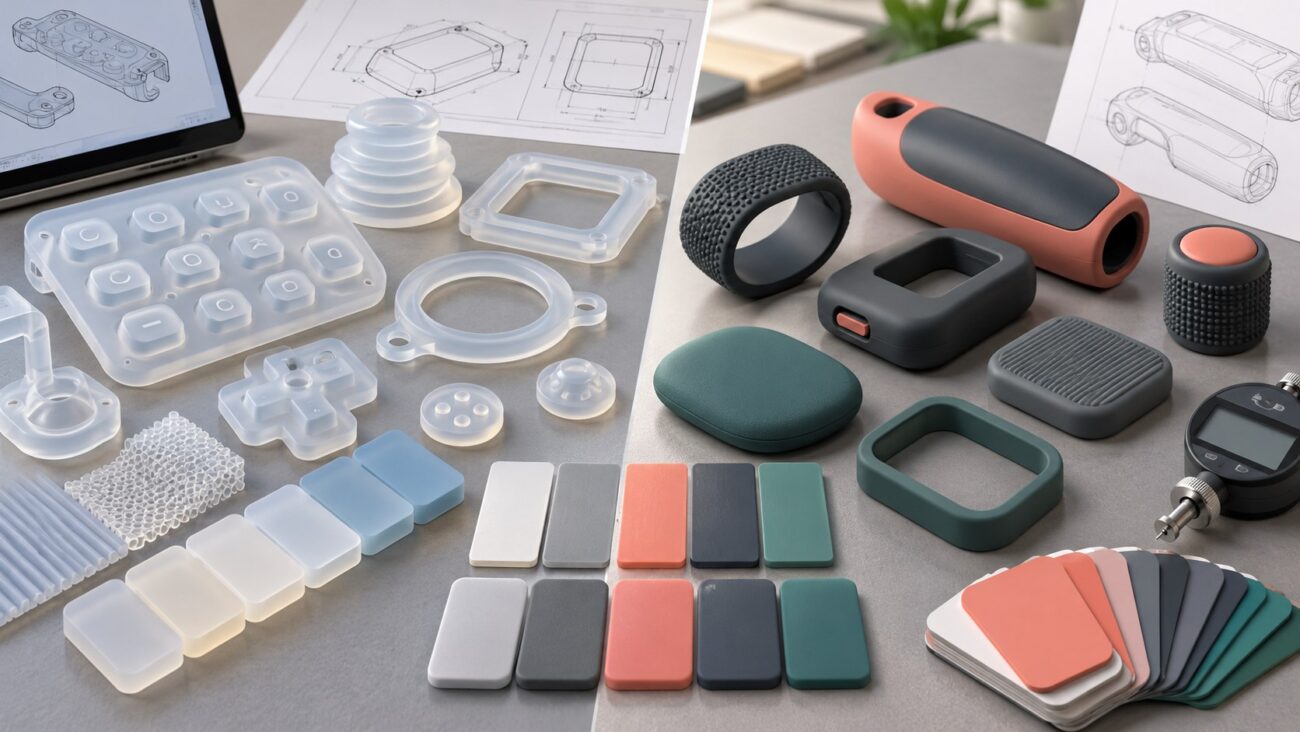
Low-volume manufacturing can be the practical bridge between a promising prototype and a tooling decision. It lets a product team learn from real builds before committing to molds and injection-molded components.
Answer First
Product teams use low-volume manufacturing before rapid tooling when they need more evidence about product demand, design stability, assembly relationships, finish quality and supplier workflow. It is a risk-control step, not simply a delay.
The Typical Sequence
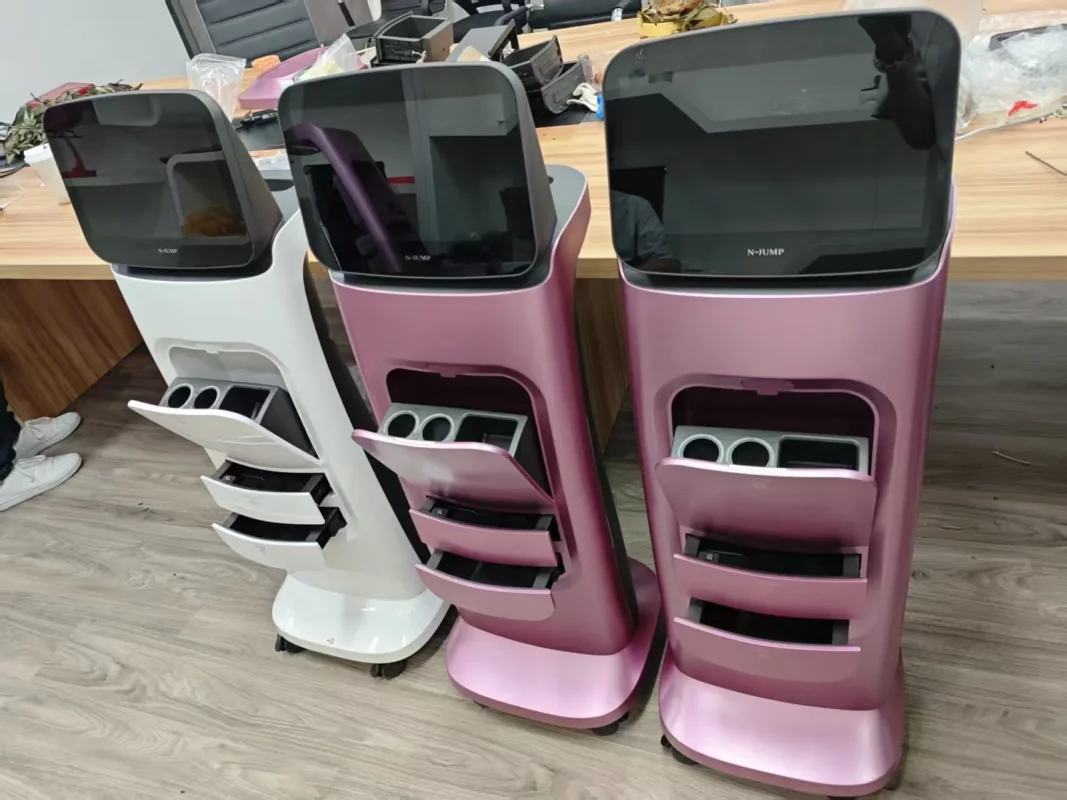
A practical path is prototype validation, first low-volume batch, market or product validation, repeat low-volume batch, stronger demand and then a tooling decision. The N-JUMP Ultra-NEP project followed this broad logic.
What Low-Volume Builds Can Teach
- Whether the assembled product still fits the design intent.
- Whether exterior finish and color expectations are clear enough.
- Whether changes are still likely before tooling.
- Whether demand supports tooling investment.
Ultra-NEP as a Supporting Example
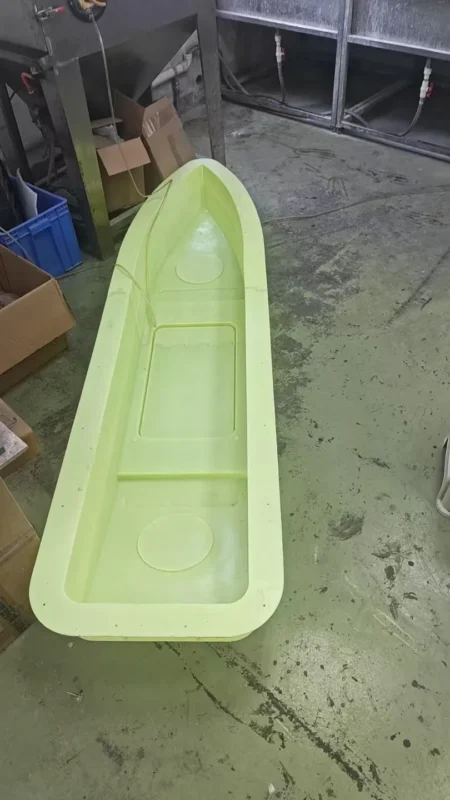
Jingrui Proto supported Ultra-NEP through complete prototyping, initial low-volume manufacturing and a repeat low-volume order approximately two months later before the project later moved toward rapid tooling.
When Low Volume Is Not Enough
When product requirements stabilize and demand direction strengthens, rapid tooling may become the better next step. That decision should be based on real project evidence, not on a generic quantity rule.
Related Resources
See Low-Volume Manufacturing, the Ultra-NEP low-volume case, Prototype Services or send an RFQ package.