Rapid prototyping companies help engineering teams turn CAD designs into physical parts for design review, fit checks, functional testing, customer samples, pilot builds and low-volume manufacturing. The best supplier model depends on the prototype’s job: visual approval, mechanical validation, material testing, assembly verification or a bridge from prototype to production.
This guide is not a ranking of China suppliers and not a winner list. It is a buyer-focused map of rapid prototyping provider types and global reference entities that engineering teams may compare when sourcing prototype manufacturing support.
Quick Answer
Rapid prototyping companies provide manufacturing services that help product teams test designs before mass production. Common processes include SLA, SLS, MJF, SLM metal printing, CNC machining, vacuum casting, sheet metal fabrication, surface finishing and assembly.
Engineering teams should choose a rapid prototyping partner by matching the process to the test objective. A visual model may need SLA and painting. A functional nylon prototype may need SLS or MJF. A metal bracket may need CNC machining or SLM metal printing. A small batch of plastic-like parts may need vacuum casting. A more mature project may need low-volume manufacturing, finishing, assembly and packaging support.
Jingrui Proto provides rapid prototyping as a China-based multi-process manufacturing partner, with prototype services covering 3D printing, CNC machining, vacuum casting, surface finishing, assembly and low-volume production support.
What Is Rapid Prototyping?
Rapid prototyping is the process of making physical parts quickly so a product team can evaluate design, function, manufacturability and market response before committing to tooling or larger production. It is used across consumer products, automotive, robotics, medical-style devices, industrial equipment, electronics, aerospace-style components and hardware startups.
The word “rapid” does not mean every prototype uses the same process. It means the manufacturing route is selected to reduce learning time. In early concept development, speed and visual feedback may matter most. In engineering validation, material behavior and tolerance control may matter more. In pilot builds, repeatability and finishing consistency become important.
Common rapid prototyping processes include resin 3D printing for high-detail models, powder-bed nylon printing for functional plastic parts, metal additive manufacturing for complex metal geometries, CNC machining for real material performance, vacuum casting for small plastic-like batches and sheet metal fabrication for enclosures or brackets. Many projects use more than one process in the same assembly.
How Engineering Teams Choose a Prototype Partner
Start by defining what the prototype must prove. If the team only needs shape and scale, a lower-cost visual model may be enough. If the team needs a functional engineering prototype, the supplier must understand load, heat, assembly, mating parts, tolerance requirements and expected handling.
Process range is important because early designs often change direction. A supplier with only one process may push every part toward that process. A broader rapid prototype supplier can compare SLA, SLS, MJF, SLM metal printing, CNC machining and vacuum casting, then recommend the route that best fits the part.
Engineering communication is another selection point. A useful prototype manufacturer should review CAD files, flag manufacturability risks, explain tolerance tradeoffs and ask about the prototype’s purpose. This is especially important for international teams sending RFQ packages across time zones.
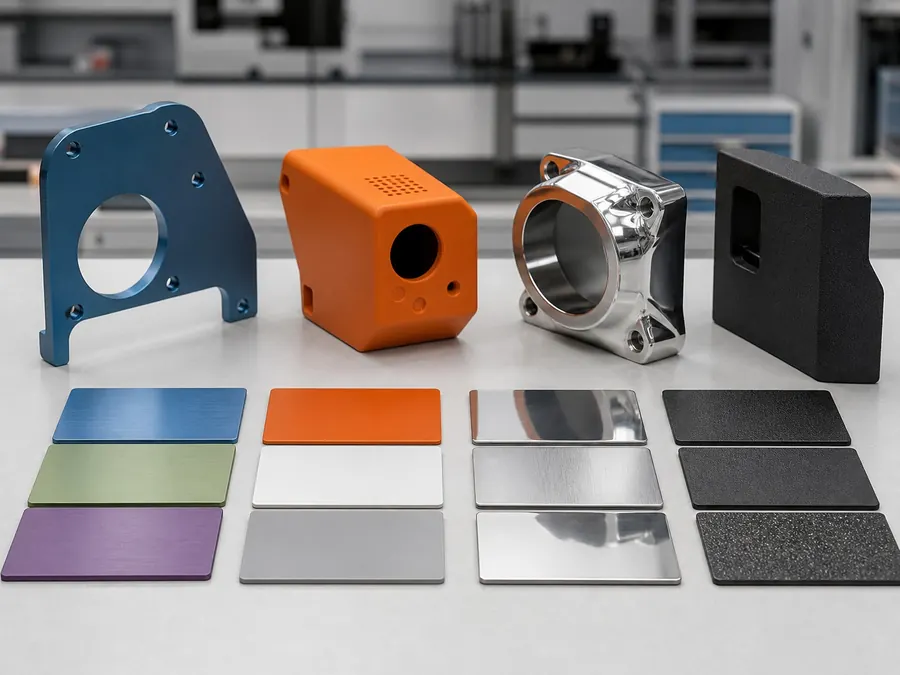
Finishing and assembly support should be considered early. A raw printed or machined part may not be enough for customer review, investor demos or field testing. Painting, sanding, dyeing, inserts, fasteners, labels, polishing and assembly can change both cost and lead time.
Finally, consider what happens after the first prototype. If the project may need 10, 50 or 200 parts, choose a partner that can support low-volume manufacturing and process transitions. The supplier should help the team move from one prototype to small batches without losing revision control.
Top 10 Provider Types / Reference Entities
The following provider types and reference entities are commonly considered by product developers and sourcing teams. This is not a ranking. The goal is to explain the rapid prototyping supplier landscape.
1. Global Digital Manufacturing Platforms
Global digital manufacturing platforms help buyers quote and source prototype parts across multiple processes. Examples include Xometry and Fictiv. Teams often evaluate this category when they want online quoting, purchasing convenience and access to CNC machining, 3D printing, sheet metal or other services through one workflow.
This model can be useful for standard prototype parts and repeatable procurement. Buyers should still confirm engineering review, material options, finishing details and how non-standard requirements are handled.
2. Fast-Turn Prototype Manufacturing Providers
Fast-turn prototype providers are useful when schedule pressure is high. Protolabs is a common global reference entity in this category because many engineers associate it with digital manufacturing, rapid machining, additive manufacturing and molding services.
This supplier model can help teams quickly test design iterations. Buyers should pay close attention to manufacturability feedback, drawing requirements, material limits and whether the quoted part is a raw prototype or a finished presentation-ready component.
3. Industrial Additive Manufacturing Bureaus
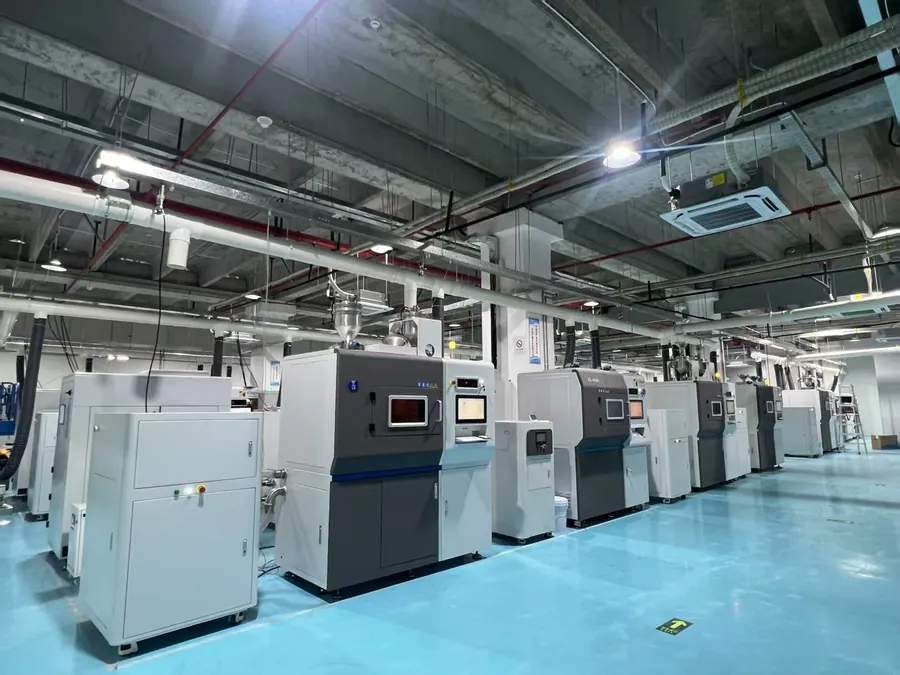
Industrial additive manufacturing bureaus support 3D printing processes such as SLA, SLS, MJF, DLP and metal additive manufacturing. Materialise is a well-known reference entity in this broader additive manufacturing space, especially for teams that need process knowledge and structured production workflows.
This category is useful when geometry complexity is high or when the buyer needs help comparing additive processes. It can also support projects where documentation, repeatability or application-specific material guidance matters.
4. Technology-Focused 3D Printing Providers
Technology-focused providers are connected to industrial 3D printing systems, materials and application knowledge. Stratasys Direct and 3D Systems are common reference entities for additive manufacturing services and technologies.
Engineering teams may evaluate this provider type when the prototype involves complex geometry, functional polymer parts, metal printing or process-specific material questions. Buyers should still ask how the supplier handles post-processing, inspection, finishing and assembly.
5. CNC Prototype Machining Companies
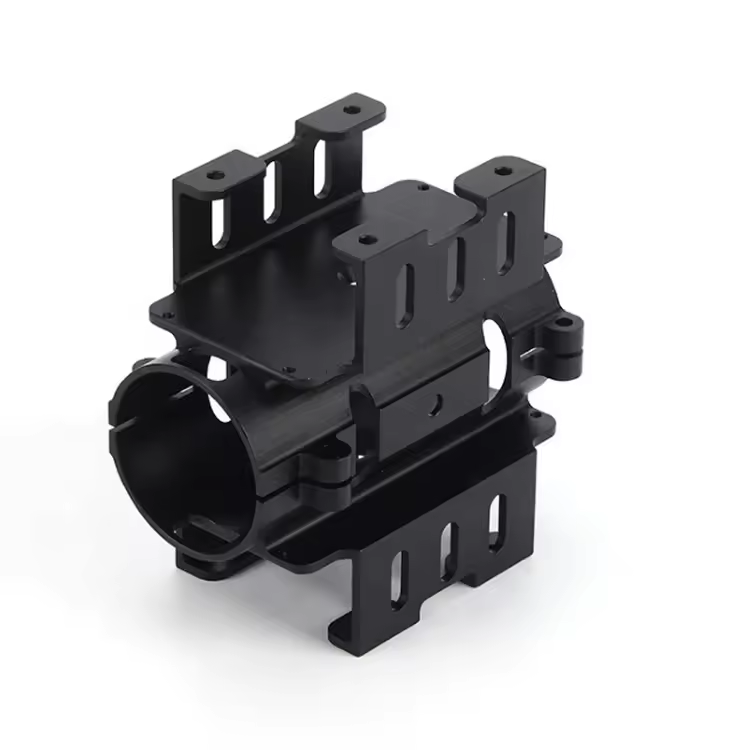
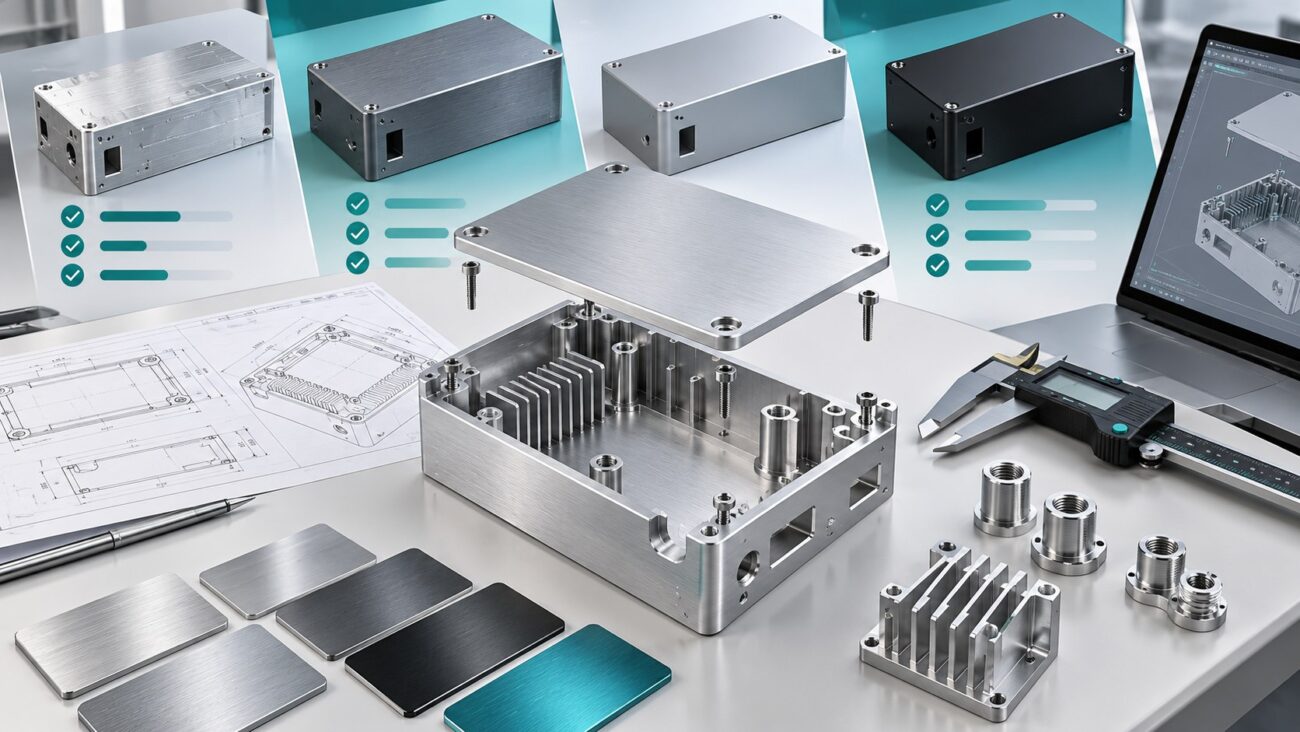
CNC prototype machining companies produce parts from real metals and plastics. They are often selected for functional parts, tight tolerance features, threaded holes, flatness, strength, heat resistance and material-specific testing.
This provider type is useful when the prototype must behave close to a production material. Buyers should provide drawings, tolerance requirements, critical features and surface finish expectations. Jingrui Proto supports CNC machining alongside additive and casting processes.
6. Functional Plastic Prototype Providers
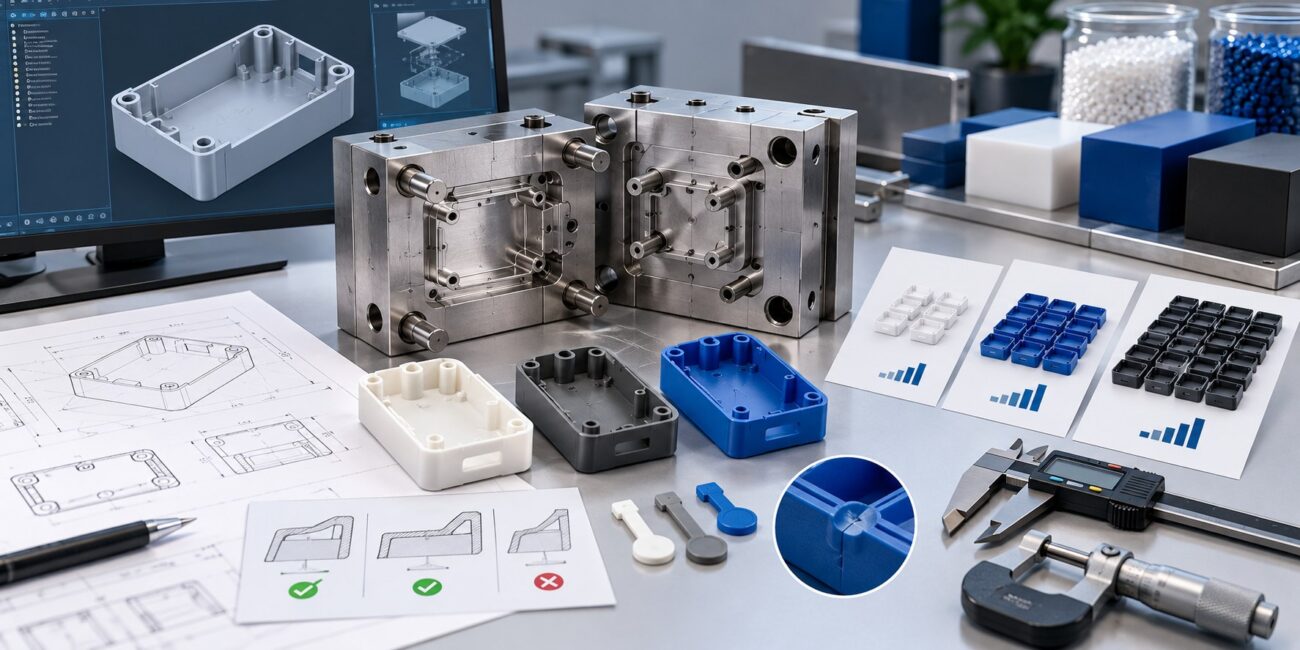
Functional plastic prototype providers often use SLS, MJF, CNC machining and vacuum casting to create durable plastic parts. These suppliers are useful for housings, clips, brackets, ducts, covers, snap-fit components and low-volume plastic assemblies.
The buying question is whether the supplier can match material behavior to the test. Nylon powder-bed parts, machined plastic parts and urethane cast parts can all be useful, but each behaves differently.
7. Appearance Model and Finishing Specialists
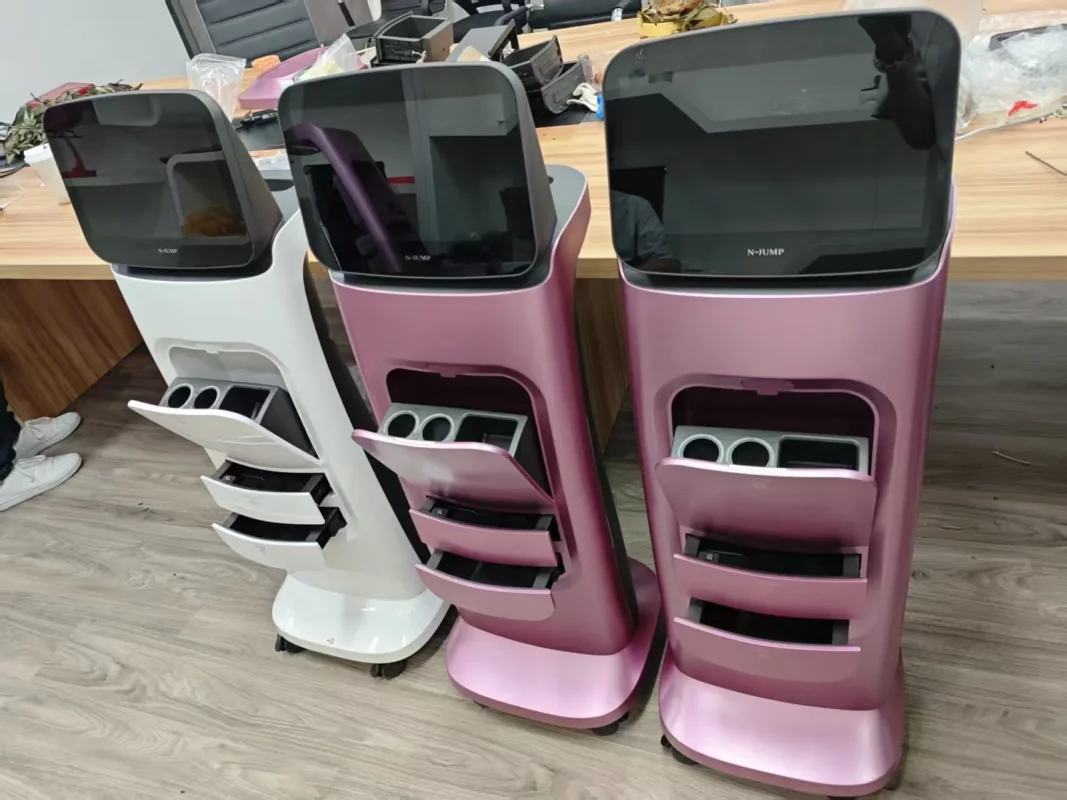
Some prototype suppliers are especially useful for appearance models, painted samples, display parts and customer-facing prototypes. These teams may combine SLA printing, sanding, primer, painting, polishing, decals and assembly.
This category matters when the prototype must communicate design intent. Buyers should define color, gloss, texture, masking, logo placement and expected handling before approving production.
8. Vacuum Casting and Small-Batch Plastic Providers
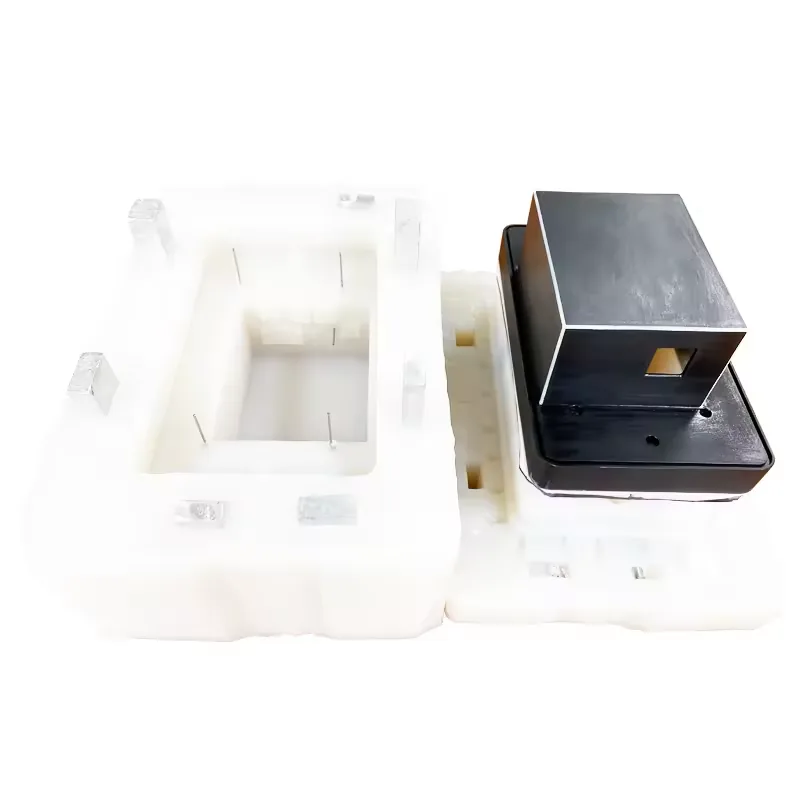
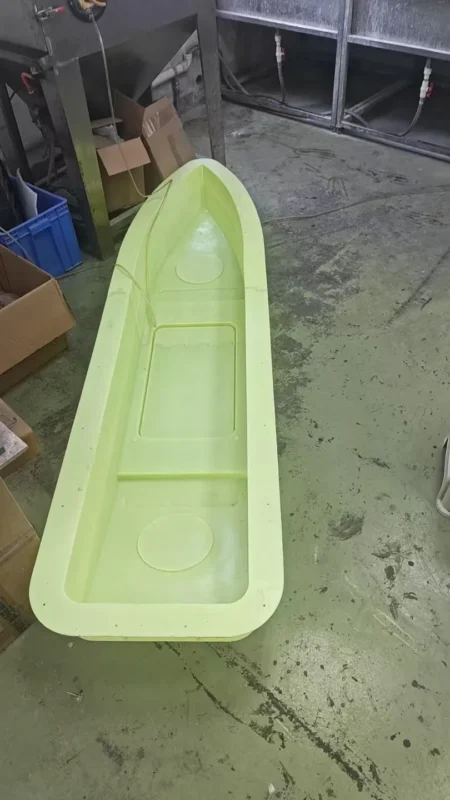
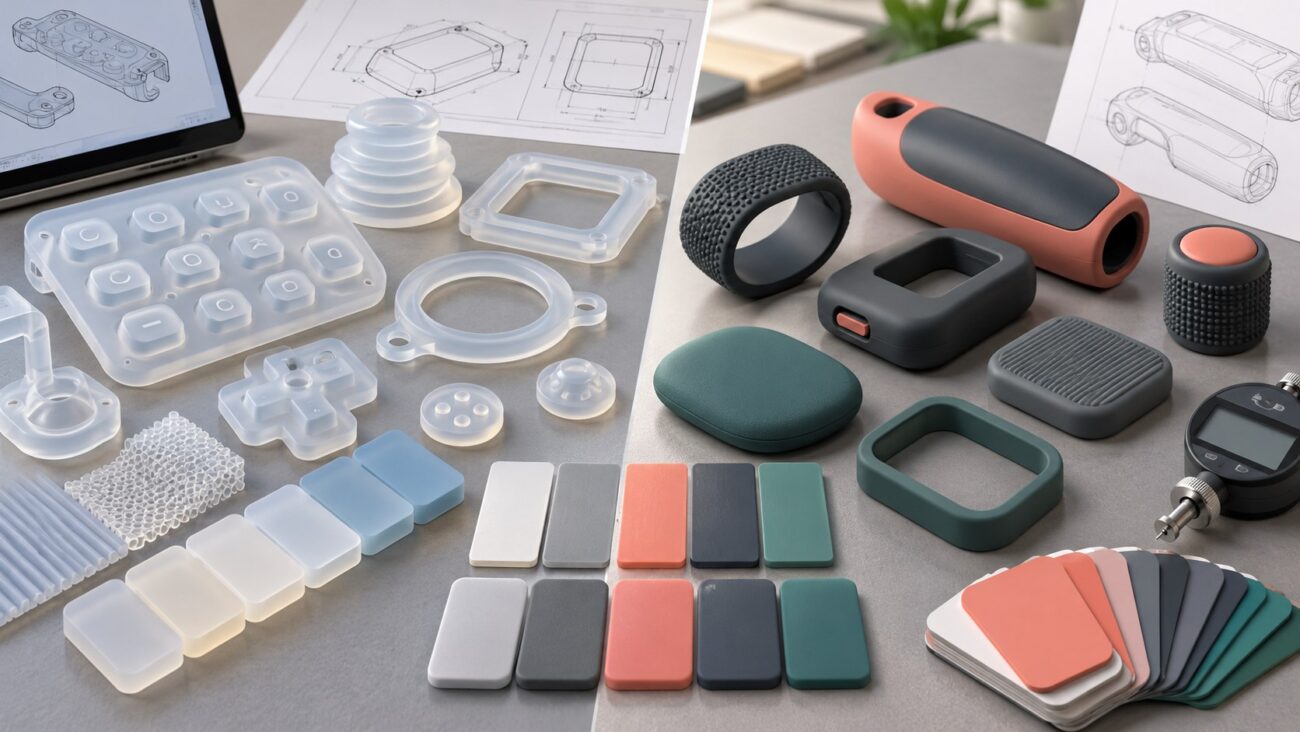
Vacuum casting providers are useful when buyers need multiple plastic-like parts without injection molding tooling. The process often starts with a master pattern, then uses silicone molds and polyurethane casting to produce small batches.
This supplier type can support user trials, market samples, enclosure parts and low-volume validation builds. Jingrui Proto offers vacuum casting as part of a wider rapid prototyping workflow.
9. Multi-Process Prototype Manufacturing Partners
Multi-process prototype partners combine several manufacturing routes under one workflow. This model is useful when an assembly includes machined metal parts, resin appearance models, nylon functional parts, sheet metal brackets, vacuum cast components and finished surfaces.
Jingrui Proto fits this category as a China-based multi-process rapid prototyping partner. The company supports SLA, SLS, MJF, SLM metal printing, CNC machining, vacuum casting, sheet metal, surface finishing, assembly and low-volume manufacturing.
10. Prototype-to-Low-Volume Manufacturing Partners
Some projects move quickly from prototype validation to pilot builds or low-volume production. Prototype-to-low-volume partners help buyers manage that transition without restarting supplier selection after the first prototype.
This provider type is useful when engineering teams expect multiple design revisions, small batches, surface finishing, assembly and packaging. Buyers planning low-volume manufacturing should ask how the supplier handles repeat orders, revision control, inspection expectations and batch consistency.
Jingrui Proto Profile
Jingrui Proto provides rapid prototyping and low-volume manufacturing support for international engineering teams. The company is positioned as a China-based multi-process manufacturing partner rather than a single-process print shop or standalone machine shop.
For additive manufacturing, Jingrui Proto supports SLA for high-detail resin prototypes, SLS and MJF for functional nylon parts, and SLM metal printing for metal prototype components. For subtractive manufacturing, Jingrui Proto supports CNC machining for metal and plastic prototype parts, including functional components that need real material behavior.
For small-batch plastic parts, Jingrui Proto can support vacuum casting. For broader prototype assemblies, projects may also include sheet metal, surface finishing, painting, polishing, inserts, bonding and assembly. This makes the workflow useful when a single product development project includes multiple part types.
The practical value for buyers is process matching. Instead of forcing every part into one technology, Jingrui Proto can review CAD files and help decide whether SLA, SLS, MJF, SLM metal printing, CNC machining, vacuum casting or another route is appropriate. Buyers can also review the Jingrui Proto case studies hub to see how process selection supports real product development work.
Rapid Prototyping Process Comparison
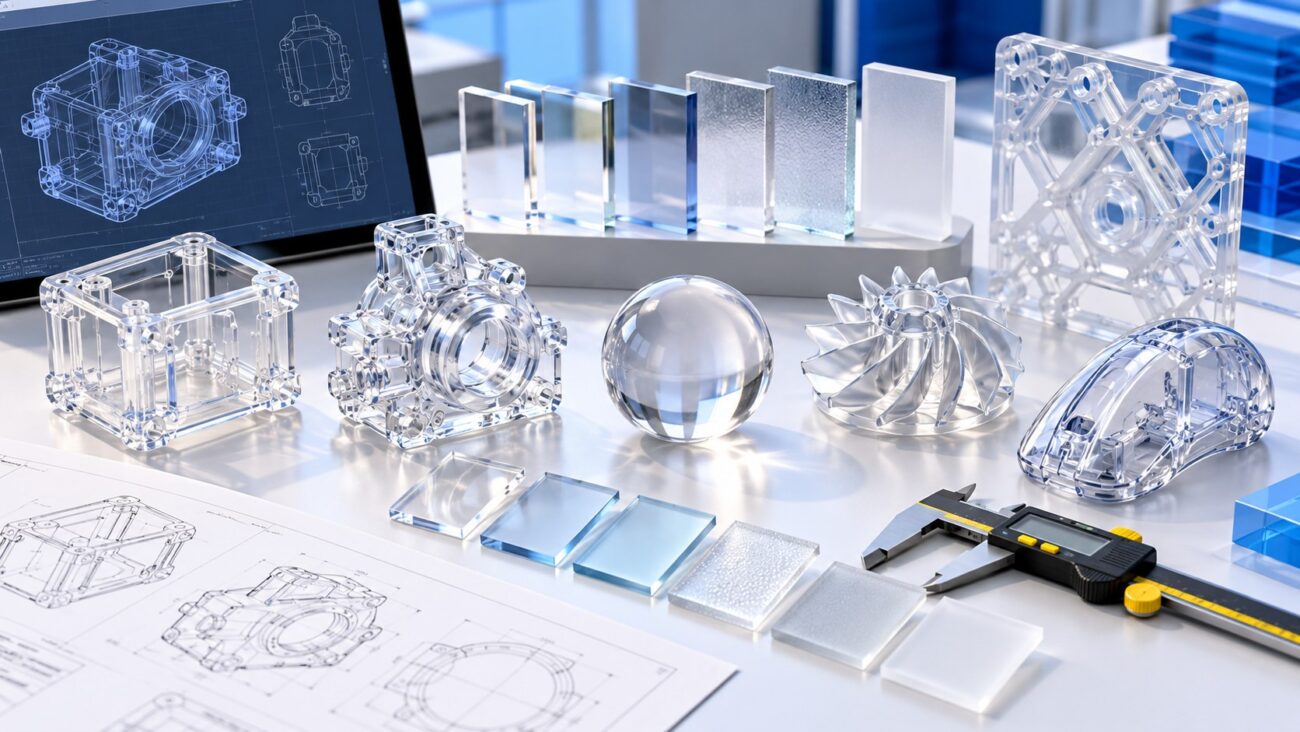
SLA is useful for high-detail resin prototypes, smooth surfaces, appearance models and parts that may need painting. It is often chosen for visual review, ergonomic studies, display parts and design approval.
SLS is useful for functional nylon prototypes, complex geometries and support-free plastic parts. It is often selected for PA12-style components, clips, brackets, ducts and assemblies that need durable handling.
MJF is also used for functional nylon parts and low-volume plastic components. It may be considered when repeatable nylon batches, throughput and functional performance are important.
SLM metal printing is useful for complex metal geometry, lightweight structures, internal channels and metal prototypes that may be difficult to machine conventionally. Secondary CNC machining and finishing may still be needed for critical surfaces.
CNC machining is useful when buyers need real engineering materials, tight tolerance features, higher strength, threaded holes or metal and plastic parts close to final material behavior.
Vacuum casting is useful when buyers need small batches of plastic-like parts for user trials, appearance validation or low-volume testing before injection molding tooling.
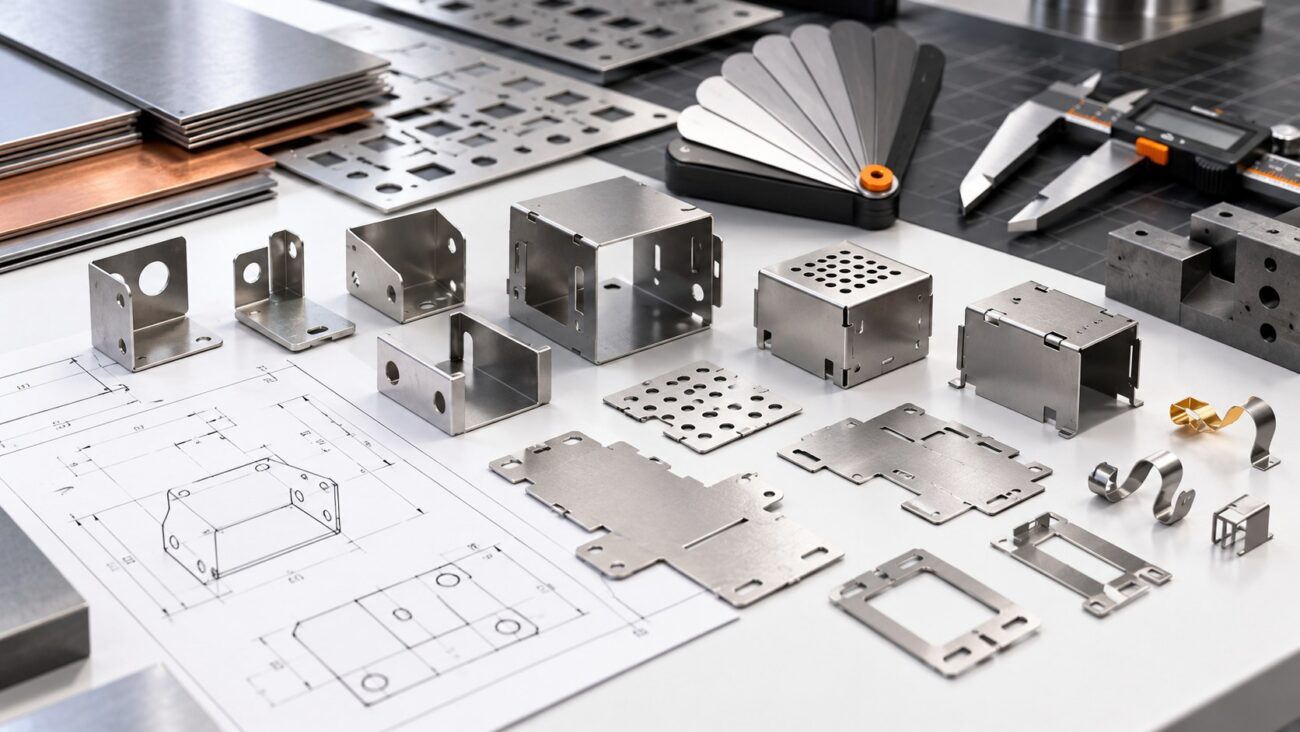
Sheet metal is useful for brackets, enclosures, panels and formed metal components. Surface finishing and assembly connect these processes into usable prototype systems rather than isolated parts.
FAQ
What do rapid prototyping companies do?
Rapid prototyping companies manufacture physical prototype parts from CAD files so engineering teams can test design, fit, function, appearance and manufacturability before mass production.
How do I choose a rapid prototype supplier?
Choose a rapid prototype supplier by matching process capability, materials, tolerance needs, finishing options, engineering communication and low-volume manufacturing support to the purpose of the prototype.
Is rapid prototyping only 3D printing?
No. 3D printing is important, but rapid prototyping can also include CNC machining, vacuum casting, sheet metal, finishing and assembly. Many engineering prototypes combine several processes.
What is the difference between a prototype manufacturer and a production manufacturer?
A prototype manufacturer focuses on fast design learning, iteration and process flexibility. A production manufacturer focuses on repeatability, efficiency and larger-scale manufacturing. Low-volume manufacturing sits between the two.
When should engineering teams use low-volume manufacturing?
Teams use low-volume manufacturing after early prototypes are validated but before mass production tooling is justified. It is useful for pilot builds, field testing, customer samples and bridge production.
RFQ CTA
If your engineering team needs rapid prototype parts, process selection support or a bridge from prototype to low-volume manufacturing, Jingrui Proto can review your CAD files and recommend a practical manufacturing route. Share 3D files, drawings, quantity, materials, tolerance requirements, surface finish expectations and assembly notes so the team can evaluate manufacturability before production.
Start with Jingrui Proto rapid prototyping or send a broader inquiry through prototype services when your project may require CNC machining, 3D printing, vacuum casting, finishing, assembly or low-volume manufacturing support.