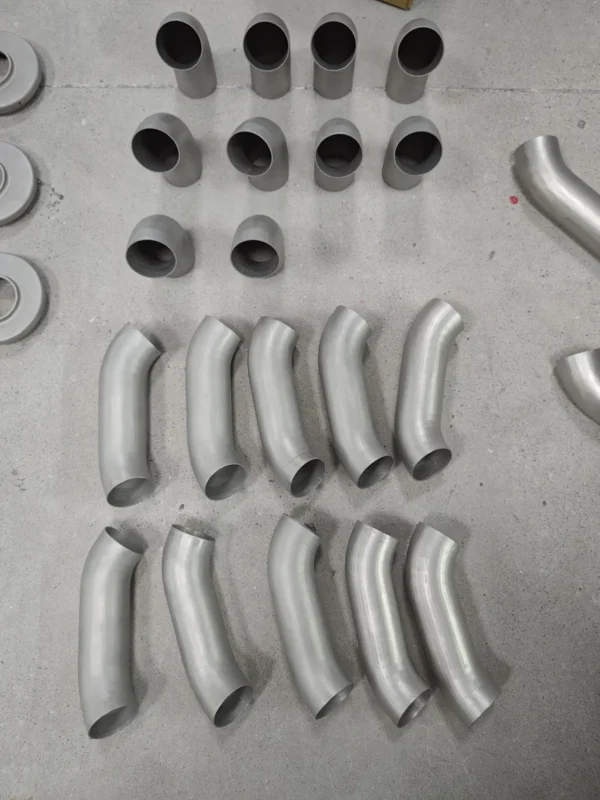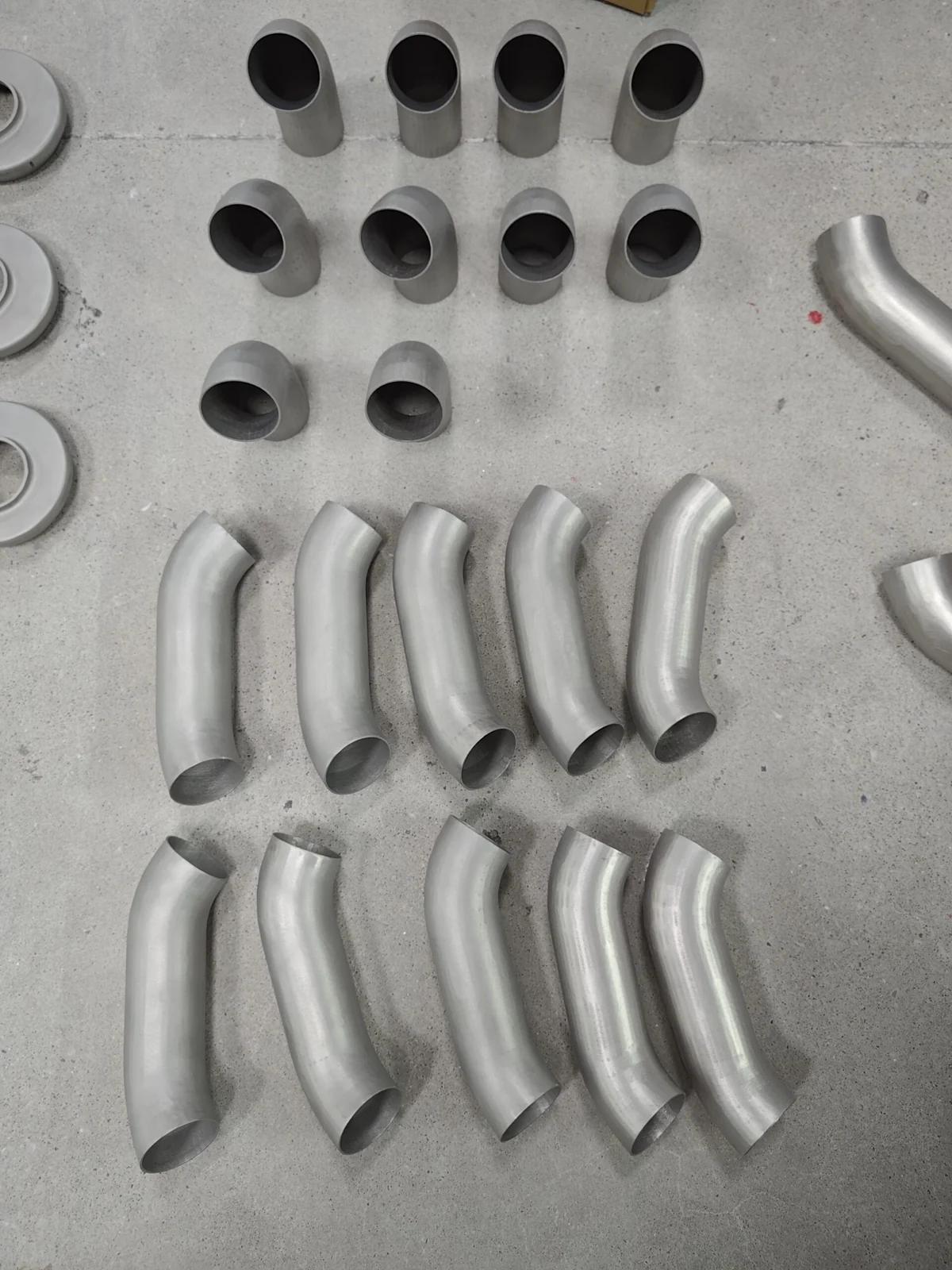
316L stainless steel 3D printing is usually considered when a buyer needs real metal prototype or low-volume parts with geometry that may be difficult, slow or expensive to machine conventionally. With SLM metal 3D printing, the part is built from metal powder layer by layer, then finished and machined where the project requires functional surfaces.
For procurement and engineering teams, the key question is not whether 316L can be printed. The key question is whether the printed route matches the part geometry, surface expectations, post-machining needs, quantity and inspection plan.
Why Buyers Choose 316L in Metal Additive Manufacturing
316L is commonly evaluated for stainless steel parts where corrosion resistance, metal appearance and functional metal behavior are part of the project requirement. In additive manufacturing, the material is often paired with geometries that are hard to create by machining alone: curved forms, internal features, part consolidation or lightweight structures.
This does not mean every stainless steel part should be printed. If the shape is simple and all critical features are accessible, CNC machining may be more practical. If only the visible appearance is needed, a plastic prototype with metallic finishing may be enough. The correct route depends on the complete requirement, not only the material name.
Geometry and Design Considerations
SLM rewards design intent that uses additive manufacturing. Buyers should flag:
- Internal channels or features that cannot be drilled easily
- Curved or organic forms that would require many CNC setups
- Assemblies that might be consolidated into one metal part
- Weight-reduction features that are difficult to machine
- Interfaces that still need machining after printing
The last point is important. Printed geometry and machined functional surfaces should be planned together. Jingrui Proto’s SLM 3D printing service describes this practical route: print the complex metal geometry, then use CNC finishing where the interface requires it.
Surface Condition After Printing
A buyer should not assume a printed 316L part will look like a machined or polished part immediately after printing. Metal additive parts normally require review for surface condition, support marks, visible build texture and finishing needs.
Finishing may include support removal, bead blasting, sanding, polishing or machining depending on the part’s function and appearance expectations. If the part has sealing faces, bearing fits, threads, bores or datum surfaces, post-machining may be required.
Manufacturing Proof: 316L Exhaust Components
Jingrui Proto’s case study SLM 316L Stainless Steel Automotive Exhaust Tip provides a useful buyer example. The verified public facts are:
| Case Fact | Publicly Verified Detail |
|---|---|
| Process | SLM metal 3D printing |
| Material | 316L stainless steel |
| Part type | Automotive exhaust end components |
| Quantity | 10 sets |
| Finish | Sandblasted finish |
| Lead time | 5-7 days |
| Supply pattern | Recurring monthly supply |
The case does not claim wall thickness, dimensional accuracy, temperature rating, mechanical testing or vehicle-specific performance. Buyers should use it as real production evidence, then request project-specific review for their own design.
When 316L SLM May Not Be the Best Route
SLM may not be the best route when the part is a simple machined shape, when all value is in tight machined surfaces, or when the design can be made more economically from stainless steel stock. It may also be unnecessary when the buyer only needs a visual model or presentation sample.
Before committing to 316L printing, ask whether the geometry needs additive manufacturing, whether post-machining is acceptable, and how the part will be inspected.
RFQ Information to Provide
Send a complete RFQ package:
- CAD file, preferably STEP for engineering review
- STL if the project is already prepared for printing
- 2D drawing with critical dimensions and datums
- Material requirement and whether 316L is fixed or open to review
- Quantity and expected repeat demand
- Surface finish expectations
- Machining requirements for bores, threads, sealing faces or mounting pads
- Application environment and functional risks
- Inspection or reporting requirements
FAQ
Is 316L stainless steel SLM suitable for low-volume production?
It can be suitable when the geometry and quantity fit additive manufacturing. The published exhaust component case involved 10 sets and recurring monthly supply, but each new part still needs engineering review.
Can printed 316L parts be bead blasted?
Yes, bead blasting or sandblasting can be part of the finishing route when the project requires it. The exhaust component case used a sandblasted finish.
Do SLM parts always need CNC machining?
No. Some parts may only need support removal and finishing. Functional interfaces such as bores, threads, sealing faces and datum surfaces often require machining review.
Conclusion
316L stainless steel 3D printing is strongest when the part geometry benefits from additive manufacturing and the buyer plans finishing and machining realistically. A good RFQ identifies not just the material, but the functional surfaces, inspection needs, finish requirements and quantity plan.
For a 316L SLM review, send CAD and drawing files through the Jingrui Proto contact page.
Related Posts
- SLM vs CNC Machining for Stainless Steel Prototype Parts
- Metal 3D Printing Without the Pitfalls – A Decision Checklist Based on Real Needs
- Does Metal 3D Printing Really Cost by Weight? Understanding Metal 3D Printing Cost
Author Box
Author Name: Jingrui Proto Engineering Team
Industry Experience: Prototype and low-volume manufacturing since 2006
Brief Bio: The Jingrui Proto engineering team helps buyers compare metal additive manufacturing, CNC machining, finishing and inspection requirements before quotation.