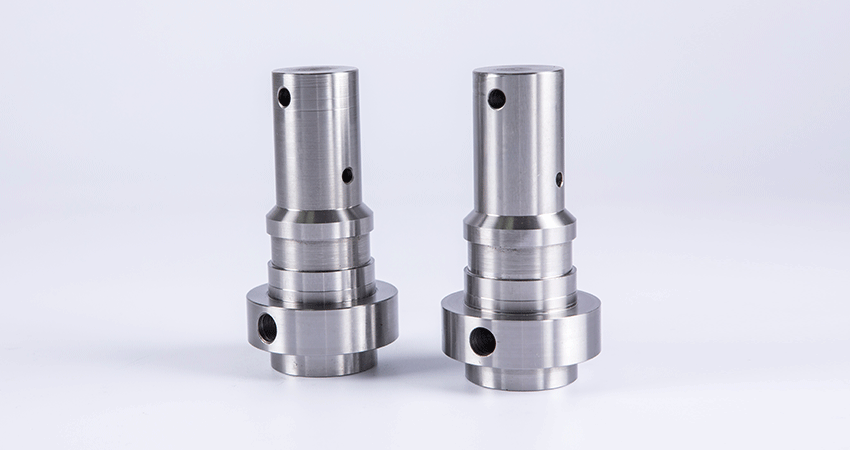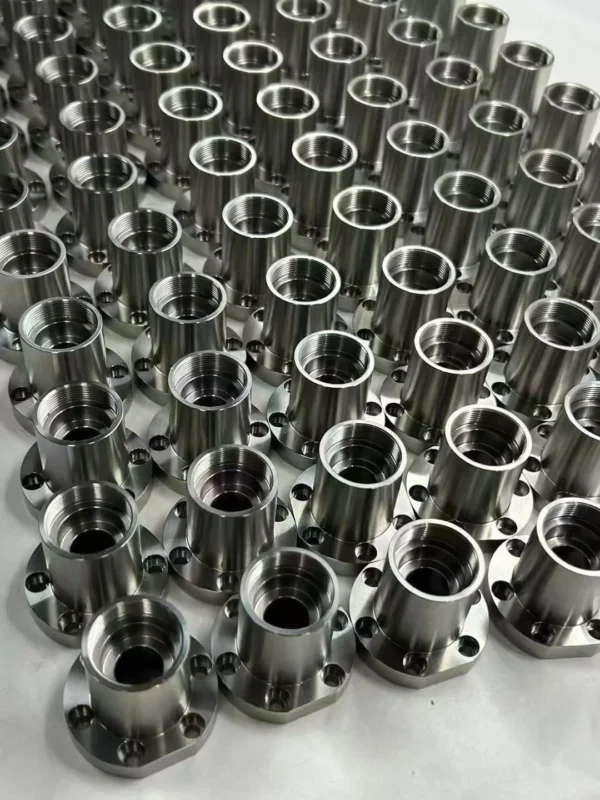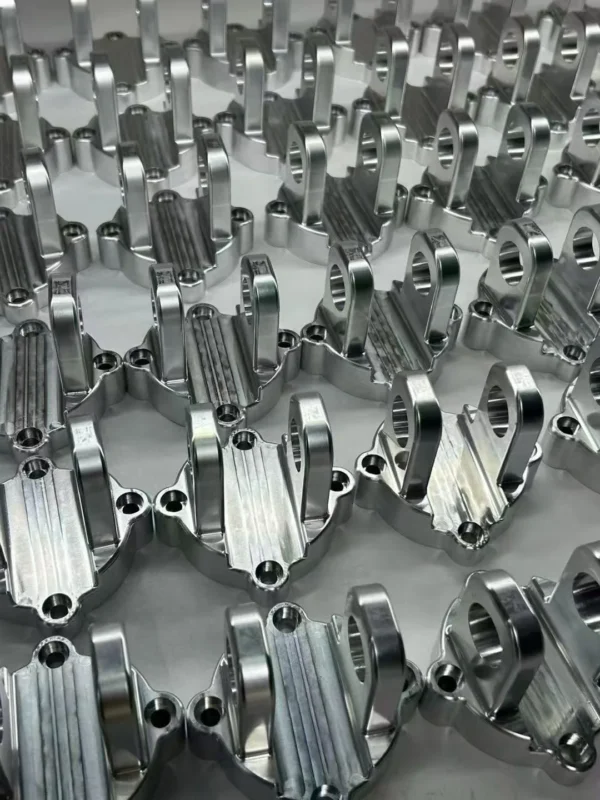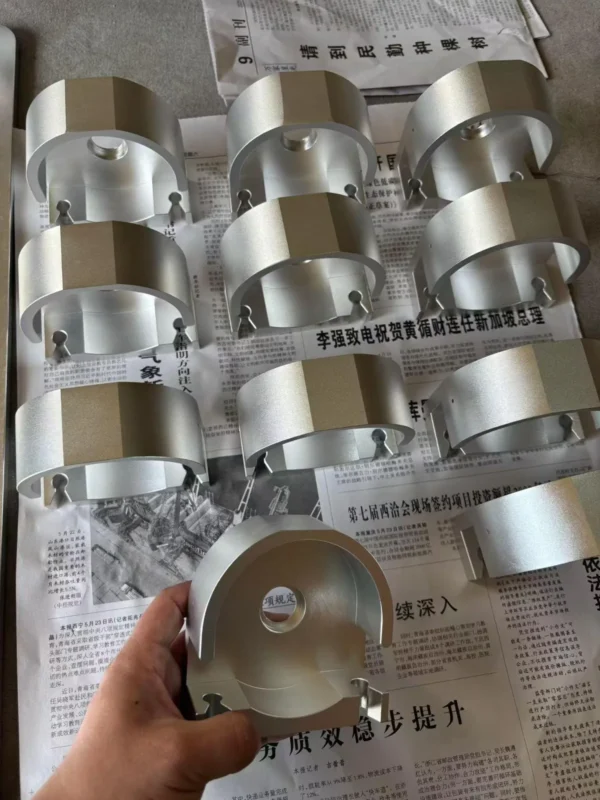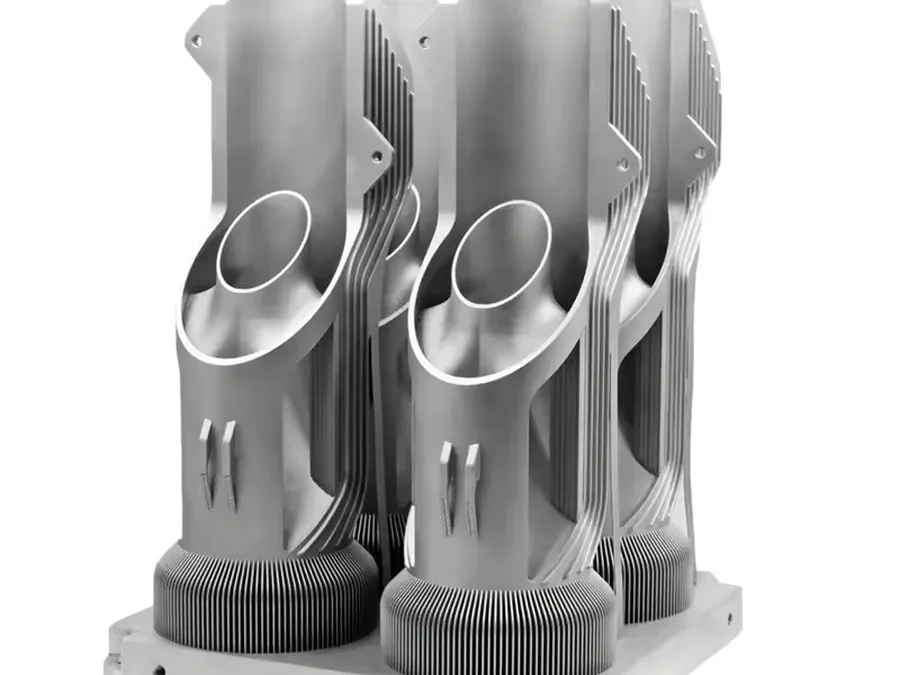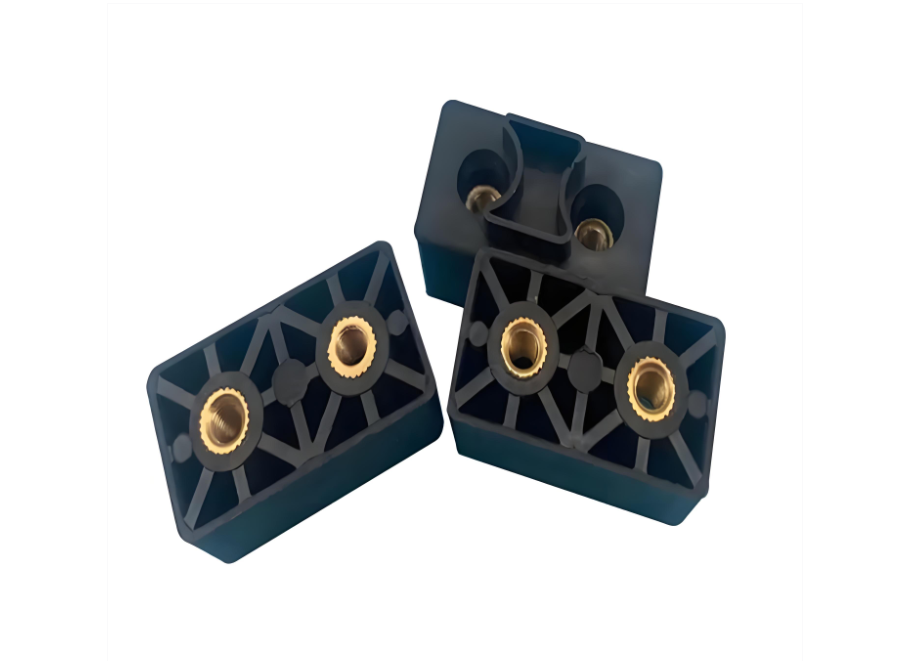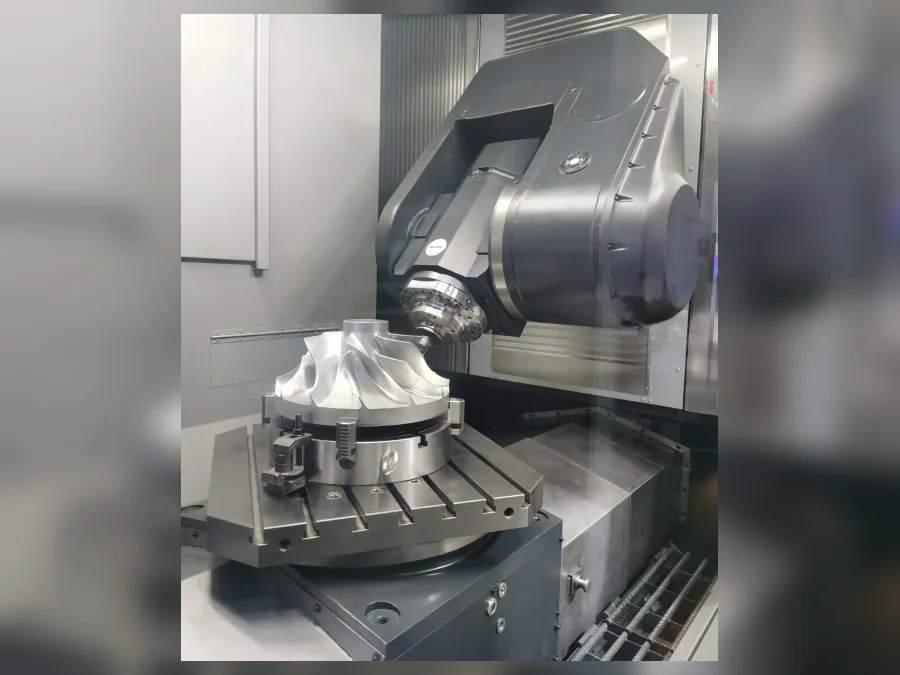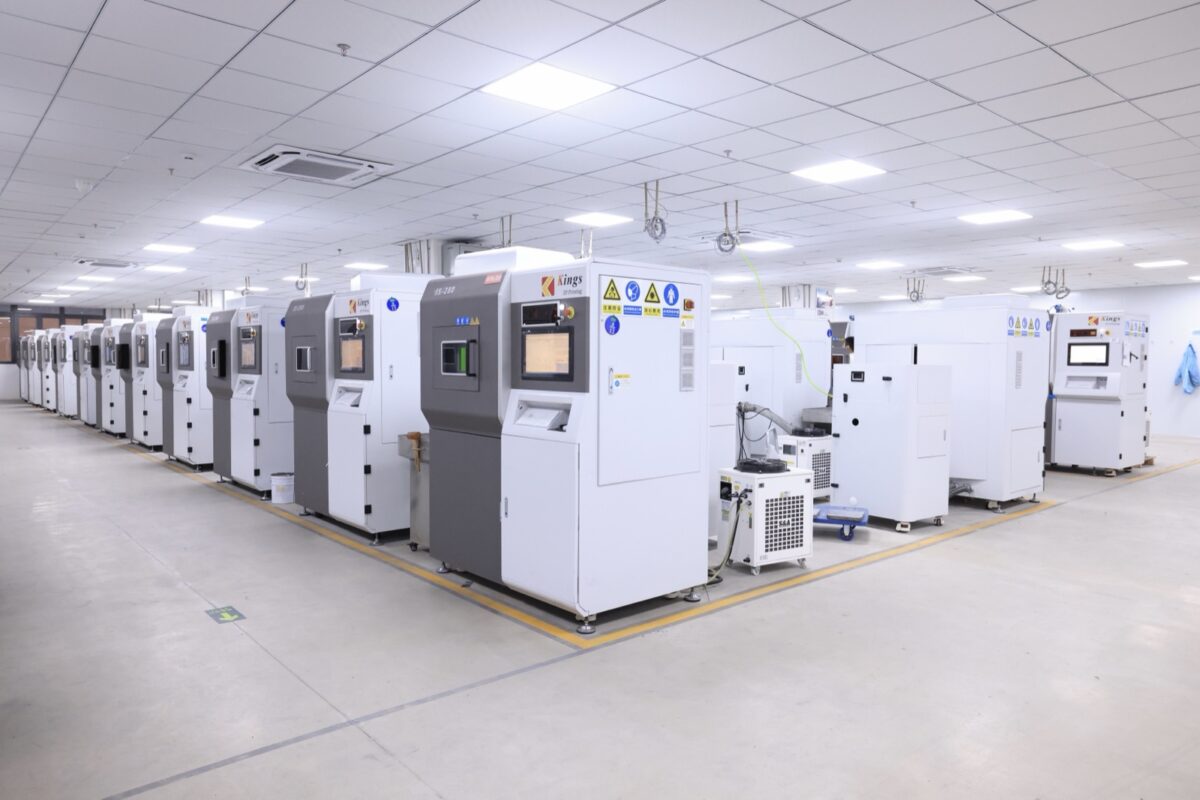
SLM and CNC machining solve different stainless steel prototype problems. SLM metal 3D printing builds the part additively, which can make complex shapes, internal features and low-volume metal geometry more practical. CNC machining removes material from stock, which is often better for straightforward geometry, machined surfaces, tight interfaces and predictable finishing.
The best choice is not “SLM is better” or “CNC is better.” The best choice depends on geometry, functional surfaces, quantity, material form, finishing and how the part will be inspected.
Direct Comparison
| Decision Factor | SLM Metal 3D Printing | CNC Machining |
|---|---|---|
| Geometry | Strong fit for complex shapes, internal channels and consolidated forms | Strong fit for prismatic, turned and milled parts |
| Material route | Builds from metal powder layer by layer | Cuts from billet, bar, plate or casting stock |
| Functional surfaces | Often need post-machining for bores, datums, threads or sealing faces | Functional surfaces can be machined directly |
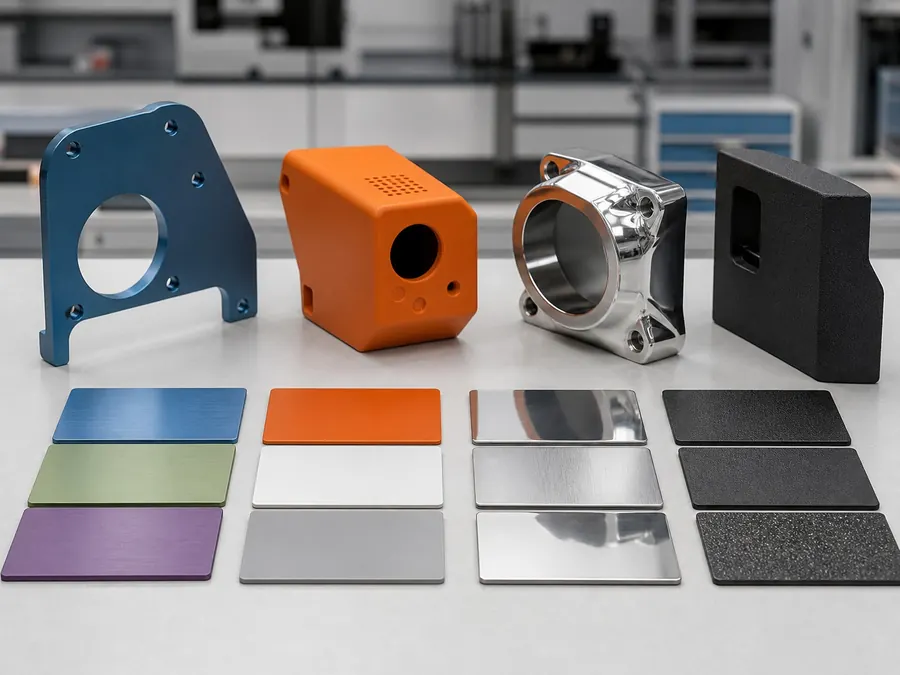
| Surface condition | Printed surface usually needs finishing when appearance or interface quality matters | As-machined, polished, bead blasted or coated options depend on the job |
| Quantity | Useful for prototype and low-volume complex metal parts | Useful from one prototype to low-volume batches when geometry is machinable |
| Design constraints | Needs additive design review, support strategy and allowance for critical features | Needs tool access, workholding review and feature-machining planning |
When SLM Makes Sense
SLM can make sense when stainless steel geometry creates value through additive manufacturing. Examples include internal flow paths, lattice or lightweight structures, part consolidation, organic forms, and complex shapes that would require many setups or special tooling if machined conventionally.
Jingrui Proto’s SLM 3D printing service is positioned for engineers who need complex metal prototypes, low-volume complex metal parts and CNC-finished functional interfaces. The important phrase is “planned together.” Printed geometry and machined tolerance surfaces should be reviewed as one manufacturing plan.
When CNC Machining Makes Sense
CNC machining often makes more sense when the stainless steel part has accessible features, clear datum strategy and surfaces that must be machined to a defined finish or fit. If the part is a block, bracket, shaft, plate, manifold with accessible drilled paths, or a housing that can be milled efficiently, CNC may be the cleaner route.
Jingrui Proto’s CNC machining service supports stainless steel prototypes and low-volume parts where material removal, workholding, tool access and inspection can be planned from the drawing.
Where Hybrid SLM + CNC Works
Hybrid planning is common when the additive shape is useful but the final part still needs machined interfaces. A buyer may print the complex body, leave machining stock on critical surfaces, and then CNC machine bores, threads, sealing faces, mounting pads or datum features.
This is especially relevant for stainless steel prototypes where the visual part is not enough. Assembly fit, sealing, fastening and inspection may decide whether the project succeeds.
Real Manufacturing Evidence
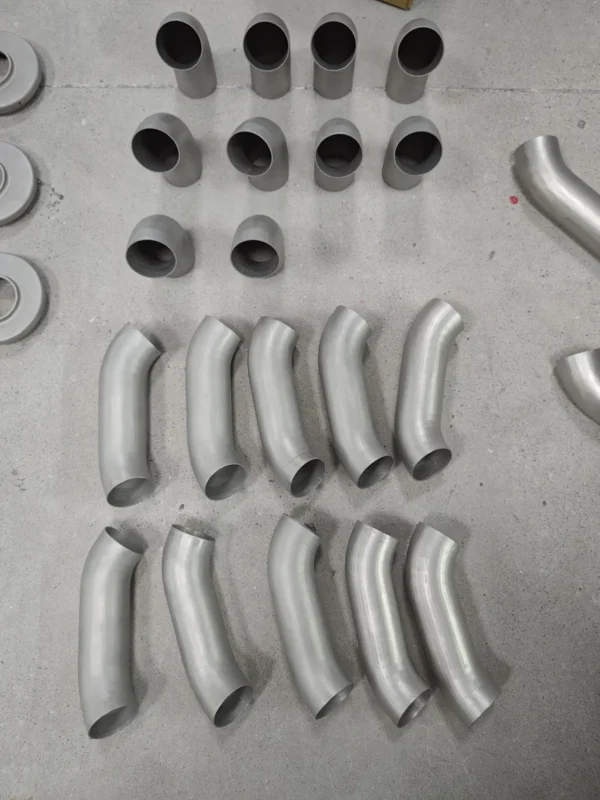
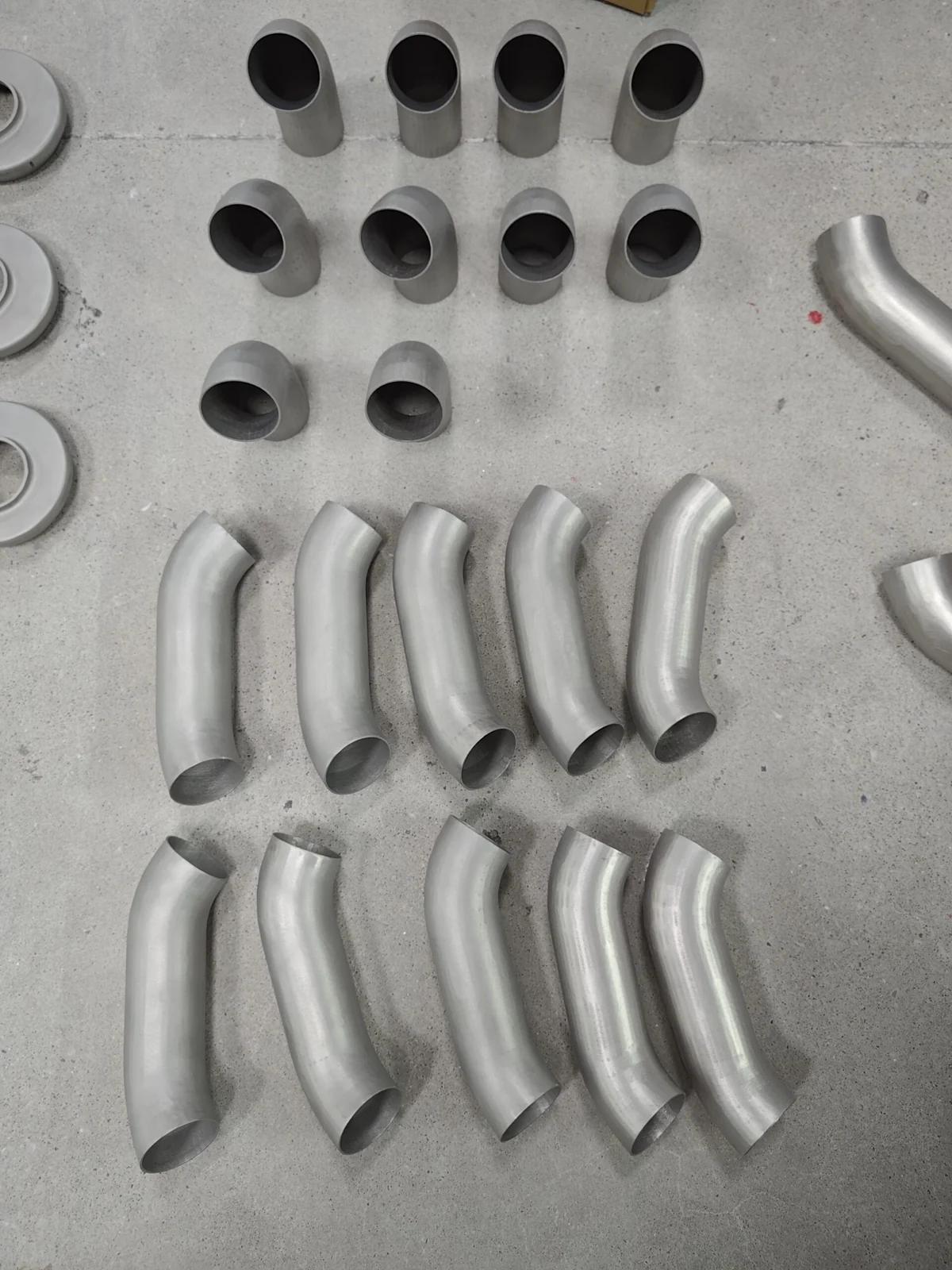
In the case study SLM 316L Stainless Steel Automotive Exhaust Tip, Jingrui Proto manufactured 10 sets of 316L stainless steel automotive exhaust end components by SLM metal 3D printing. The verified public facts include a sandblasted finish, a 5-7 day lead time and recurring monthly supply.
The case does not publish wall thickness, dimensional accuracy, temperature rating, mechanical testing or vehicle-specific performance. That restraint matters. Buyers should treat the case as proof that a low-volume 316L stainless steel SLM project was manufactured and finished, not as a universal specification sheet.
RFQ Checklist
For a stainless steel prototype comparison, send:
- STEP or other 3D CAD file
- 2D drawing with critical dimensions, threads, datums and inspection notes
- Target material, such as 316L if already selected
- Quantity for the first order and expected repeat demand
- Functional surfaces that must be machined
- Required finish, such as bead blasting, sanding, polishing or coating
- Application context, including heat, load, fluid, cosmetic or assembly requirements
- Any features that are difficult to machine or impossible to inspect
FAQ
Is SLM more accurate than CNC machining?
No universal answer is safe. CNC machining is usually selected for controlled machined interfaces, while SLM may need post-machining on critical surfaces. Accuracy depends on geometry, material, process planning and inspection requirements.
Can stainless steel SLM parts be machined after printing?
Yes. Post-machining is often considered for bores, threads, datums, sealing faces and assembly surfaces. Tell the supplier which surfaces are functional before quoting.
Is SLM only for one-off prototypes?
No. SLM can support prototype and low-volume work when the geometry and economics fit. The exhaust tip case involved 10 sets and recurring monthly supply.
Conclusion
Use SLM when additive geometry creates value. Use CNC when subtractive machining can produce the part more directly with the needed surfaces and inspection plan. Use hybrid SLM plus CNC when the part needs both complex printed geometry and machined functional interfaces.
To compare routes for a stainless steel prototype, send CAD, drawings and quantity expectations through Jingrui Proto’s contact page.
Related Posts
- Metal 3D Printing Without the Pitfalls – A Decision Checklist Based on Real Needs
- CNC Machining Tolerances: What Accuracy Can You Really Expect?
- Prototype to Low-Volume Production: How to Choose the Right Manufacturing Process
Author Box
Author Name: Jingrui Proto Engineering Team
Industry Experience: Prototype and low-volume manufacturing since 2006
Brief Bio: The Jingrui Proto engineering team reviews additive, CNC, finishing and inspection requirements so buyers can choose a realistic manufacturing route before quotation.