Does Metal 3D Printing Really Cost by Weight? Understanding Metal 3D Printing Cost
When people first ask “How much does metal 3D printing cost per gram?”, they often assume it works like buying material by weight.
However, metal 3D printing pricing is much more complicated.
Unlike traditional materials, the final cost of a metal 3D printed part depends on multiple factors, including:
Metal powder cost
Printing time
Machine operation cost
Part complexity
Post-processing requirements
Precision machining needs
The price per gram is only one small part of the total cost.
How Is Metal 3D Printing Cost Calculated?
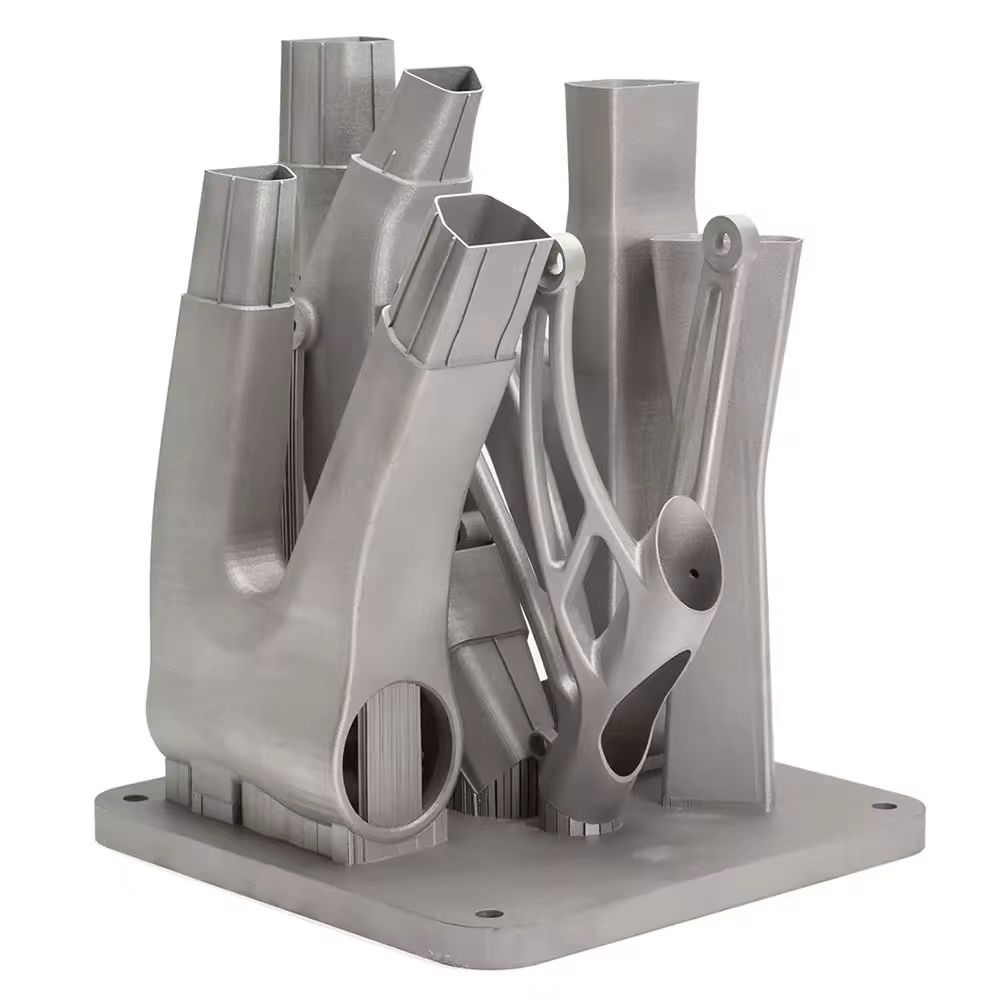
The most common industrial metal 3D printing technology is SLM (Selective Laser Melting).
SLM uses a high-power laser to melt metal powder layer by layer, creating complex metal parts directly from digital designs.
The total cost usually comes from four main areas.
1. Metal Powder Material Cost
Metal powder is one of the biggest cost factors.
Common materials include:
Stainless steel
Aluminum alloys
Titanium alloys
Nickel-based superalloys
For example, titanium and high-temperature alloys are significantly more expensive than standard stainless steel powders.
This directly affects the metal 3D printing price per gram.
2. Machine Time and Equipment Cost
Industrial metal 3D printers require expensive equipment, often costing millions of dollars.
Printing costs include:
Machine depreciation
Laser usage
Inert gas consumption
Operator time
A complex component may take more than ten hours to print, which means machine time becomes a major part of the final quotation.
3. Post-Processing Cost
Many customers focus only on printing cost but underestimate post-processing.
Metal printed parts usually require:
Support removal
Heat treatment
Stress relief
Wire cutting
CNC machining
Surface finishing
For some projects, post-processing can cost as much as or even more than the printing itself.
4. Part Design and Optimization
Design has a huge impact on metal additive manufacturing cost.
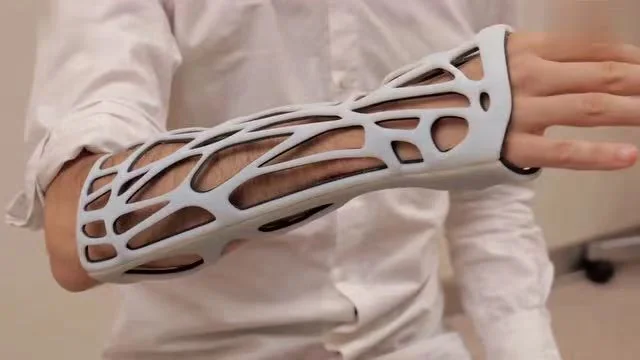
Lightweight structures such as:
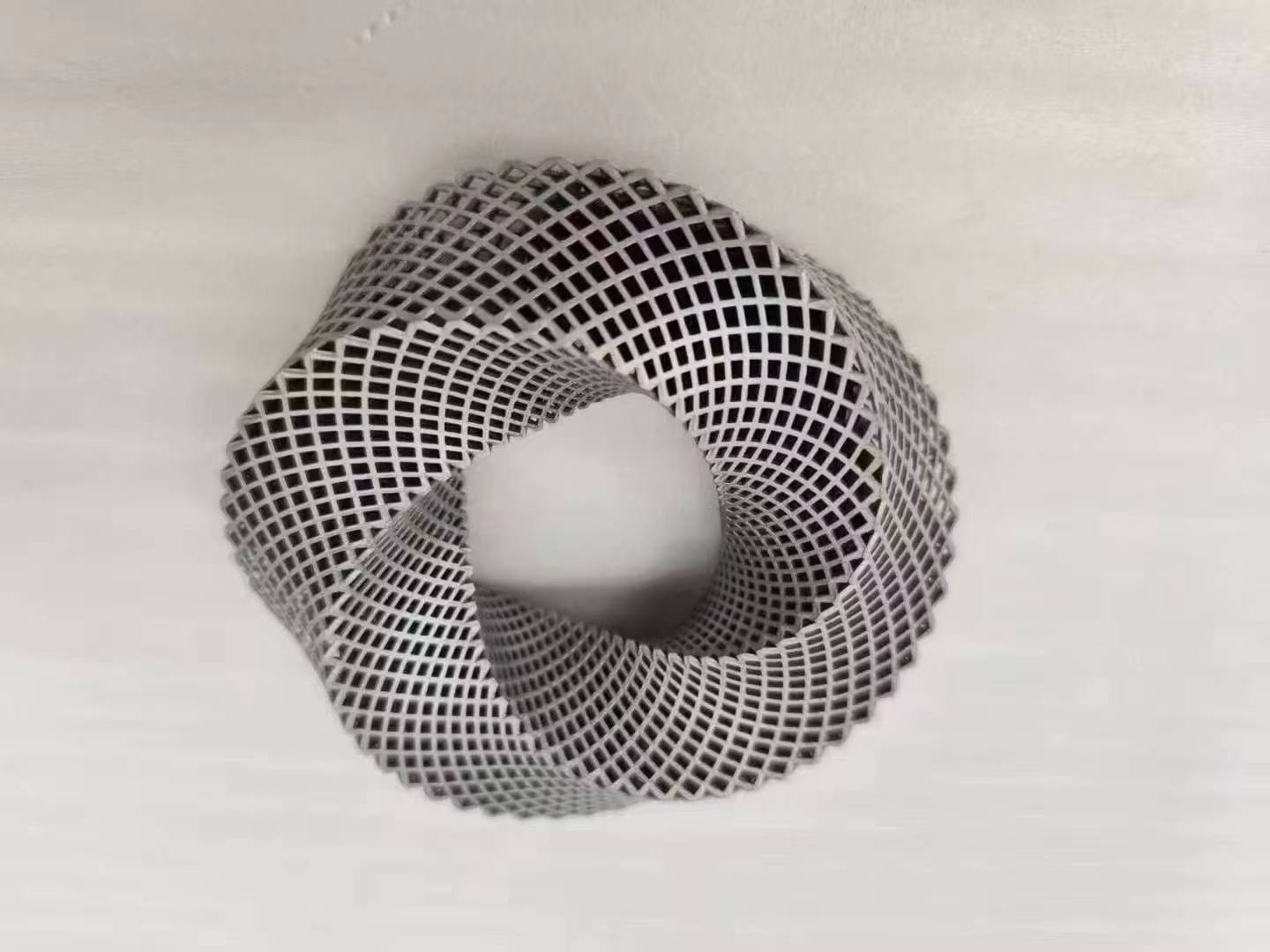
Lattice structures
Topology optimized parts
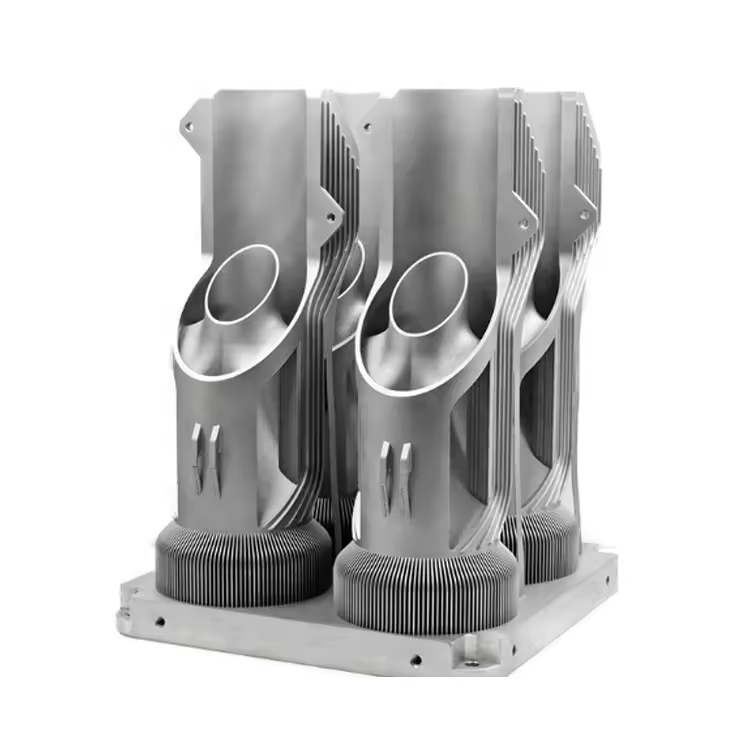
Internal channels
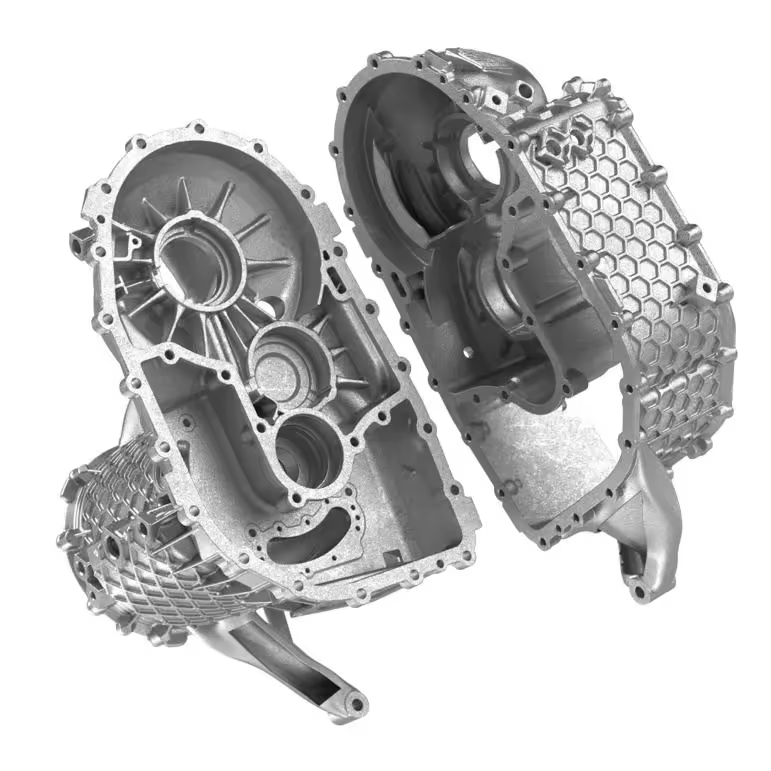
Integrated components
can reduce material usage and improve performance.
A heavier part is not always more expensive, but a poorly optimized design often increases both printing time and post-processing costs.
Why Lower Price Per Gram Is Not Always Better
A common mistake is choosing a metal 3D printing supplier only by the lowest price per gram.
The real question is:
How much does the final functional part cost?
A lightweight optimized component may have a higher cost per gram but a lower total production cost because it:
Uses less material
Reduces assembly steps
Improves product performance
This is especially important in industries such as aerospace, robotics, and medical equipment.
Material Toughness Matters for Functional Metal Prototypes
For metal prototype parts, strength alone is not enough.
Many engineering teams use metal 3D printing for:
Assembly testing
Mechanical testing
Functional prototypes
Low-volume production parts
In these applications, toughness and reliability are critical.
Without proper heat treatment, some metal printed parts may have:
Residual stress
Reduced ductility
Higher risk of cracking during machining or assembly
This is especially important for:
Thin-wall components
Threaded holes
Press-fit structures
Moving mechanical parts
A professional SLM metal printing service should consider the complete process, not only the printing stage.
Metal 3D Printing vs CNC Machining: Which One Is Better?
Many customers compare metal 3D printing and CNC machining as if they are competing technologies.
Actually, they solve different problems.
CNC Machining Is Better For:
High precision surfaces
Tight tolerance features
Flat and regular structures
Repeat production
Metal 3D Printing Is Better For:
Complex internal channels
Lightweight structures
Organic shapes
Integrated components
In many engineering projects, the best solution combines both technologies.
For example:
Metal 3D printing creates a lightweight internal structure
CNC machining finishes critical assembly surfaces
This hybrid manufacturing approach often provides better performance and cost efficiency.
What Should You Prepare Before Requesting a Metal 3D Printing Quote?
To get an accurate quotation, provide more than just a 3D file.
Important information includes:
1. Functional Requirements
Explain:
Is it for appearance?
Assembly testing?
Mechanical testing?
Final usage?
Different applications require different materials and processes.
2. Critical Dimensions
Mark:
Threaded areas
Assembly surfaces
Tolerance requirements
Machined areas
This helps manufacturers plan post-processing correctly.
3. Production Quantity
Small batch metal 3D printing has different economics compared with single prototypes.
For multiple parts, suppliers can optimize:
Build layout
Powder usage
Machine scheduling
which helps reduce the average cost per part.
Why Choose Jingrui Proto for Metal 3D Printing?
Jingrui Proto provides a complete manufacturing solution beyond metal printing.
Our capabilities include:
SLM metal 3D printing
SLS nylon printing
SLA and FDM prototyping
CNC machining
Silicone molding
Sheet metal fabrication
Surface finishing and painting
Instead of managing multiple suppliers, customers can complete printing, machining, and finishing through one manufacturing partner.
This reduces communication time and helps engineering teams move faster from prototype testing to production.
Conclusion: Focus on Total Value, Not Only Price Per Gram
The price per gram of metal 3D printing is easy to compare, but it does not represent the real project cost.
A successful metal prototype depends on:
Correct material selection
Proper heat treatment
Accurate post-processing
Reliable assembly performance
When choosing a metal 3D printing supplier, evaluate the complete manufacturing capability instead of only looking at the lowest quotation.
The best supplier is not always the cheapest one — it is the one that helps you create a functional, reliable, and production-ready part.