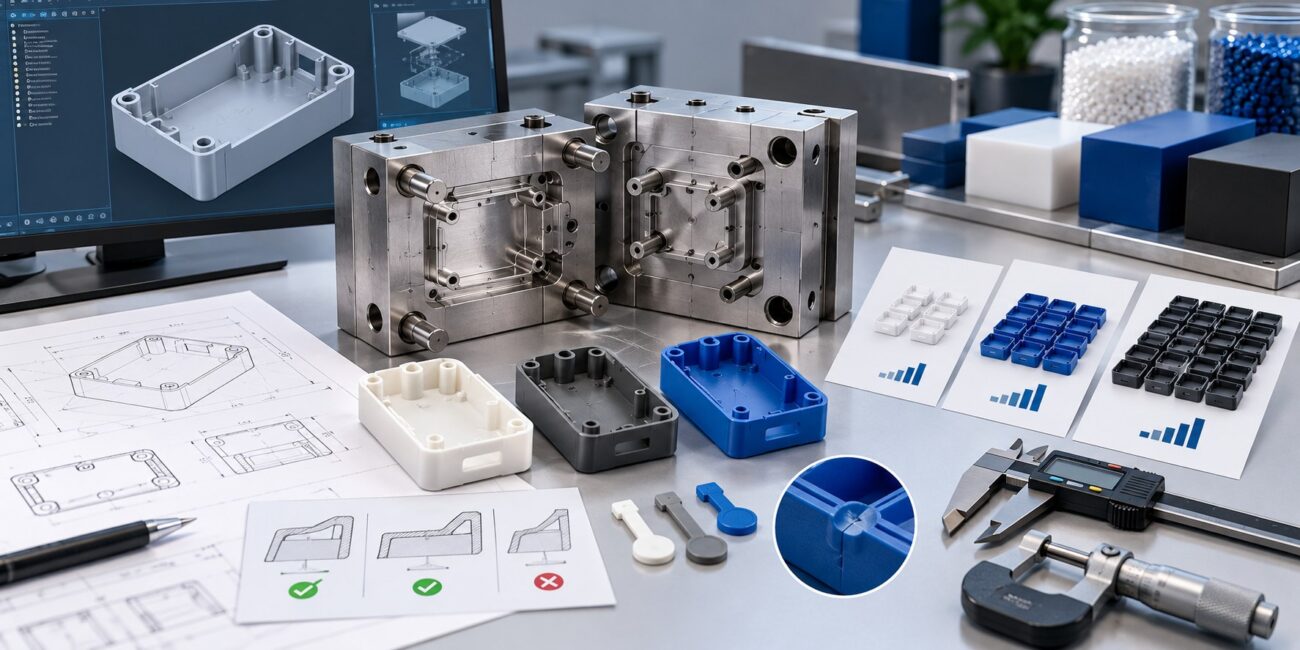
Move from low-volume manufacturing to rapid tooling when the product direction is stable enough that tooling commitment reduces risk instead of creating it.
Answer First
You should consider rapid tooling when design changes have slowed, demand direction is clearer, molded components are becoming the right route, and the team needs more repeatability than prototype or low-volume methods can provide.
Decision Table
| Factor | Prototype | Low Volume | Rapid Tooling |
|---|---|---|---|
| Development stage | Early physical proof | Bridge validation | Tooling-supported transition |
| Design stability | Changing often | Mostly defined but still learning | Stable enough for mold decisions |
| Quantity direction | Unclear | Market or build validation | Demand direction strengthening |
| Change flexibility | Highest | Moderate | Lower after tooling commitment |
| Tooling commitment | None or minimal | Usually limited | Intentional tooling investment |
| Buyer objective | Learn if the design works | Validate product and supply path | Prepare molded components |
Ultra-NEP Transition Evidence
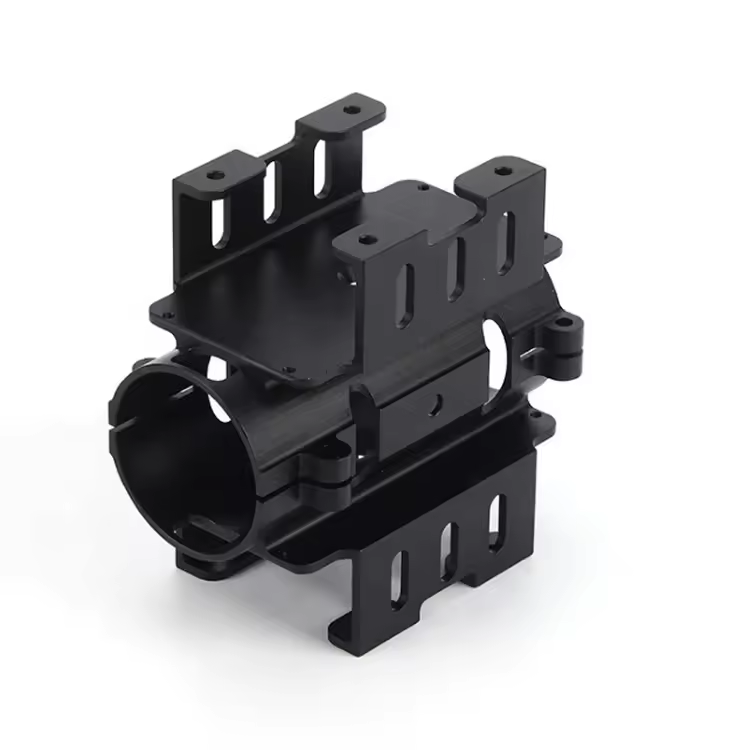
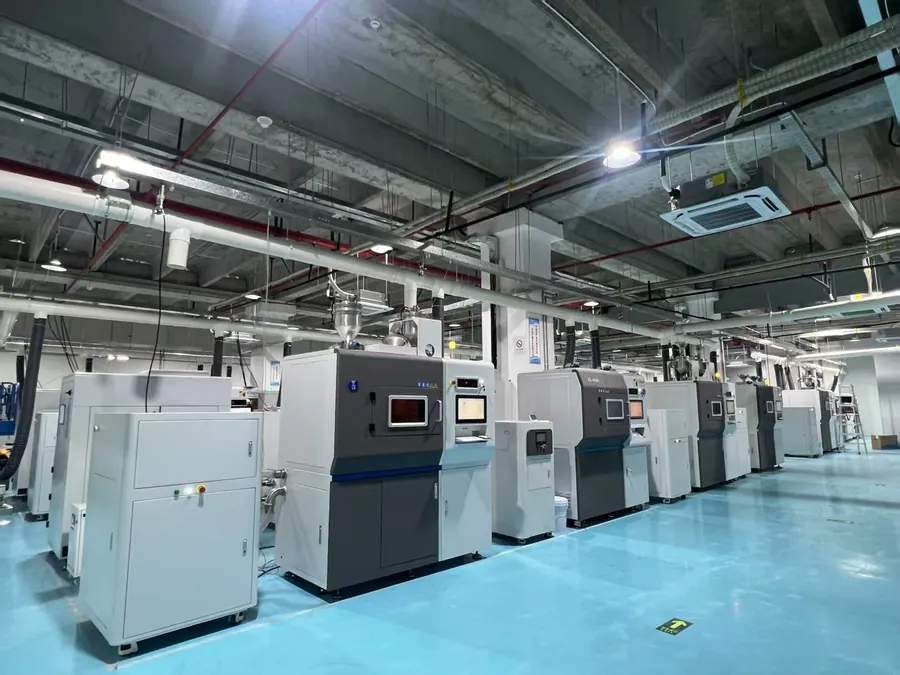
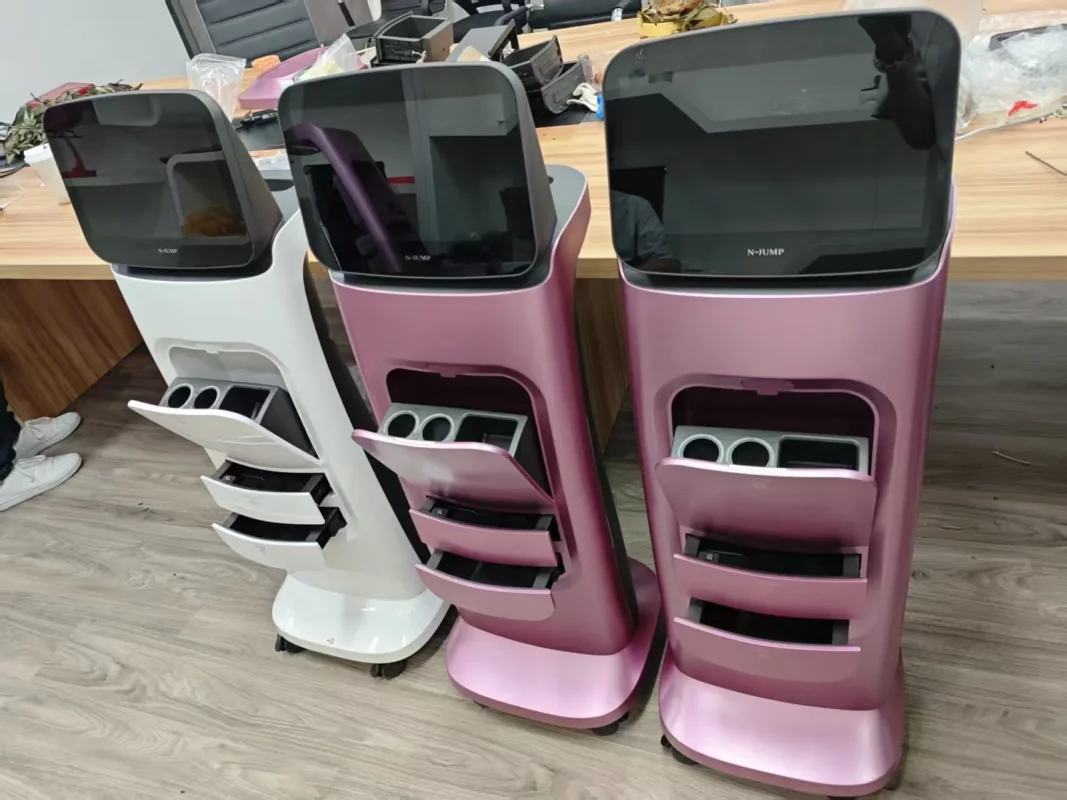
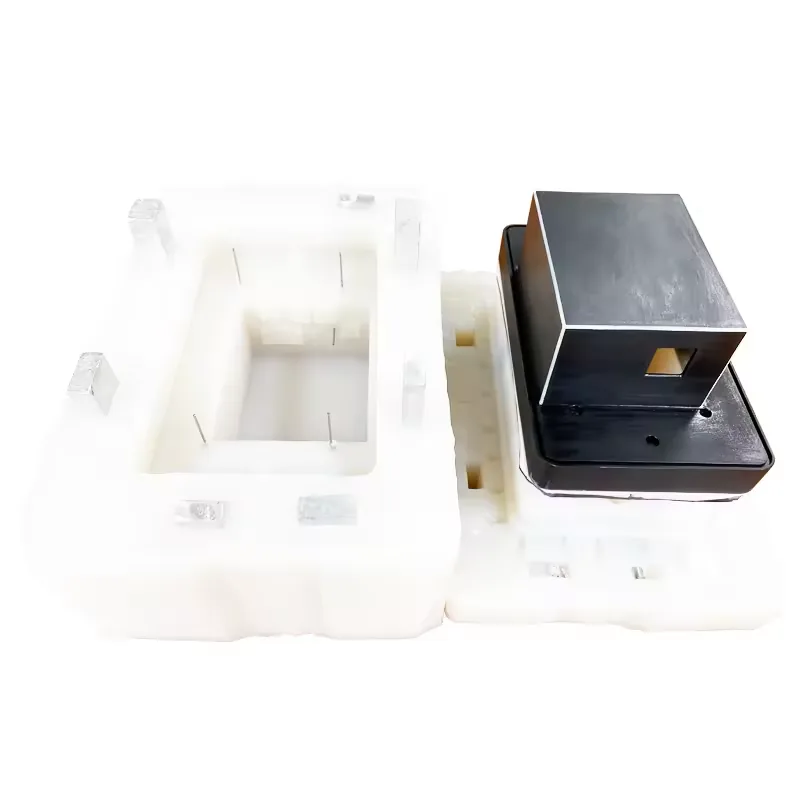
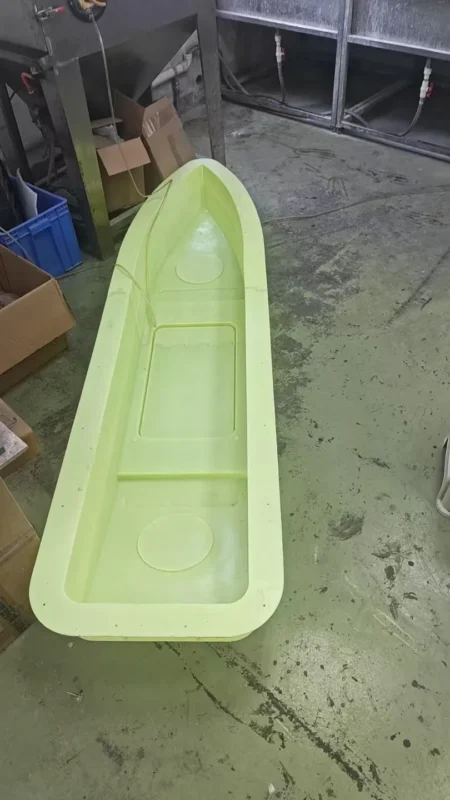
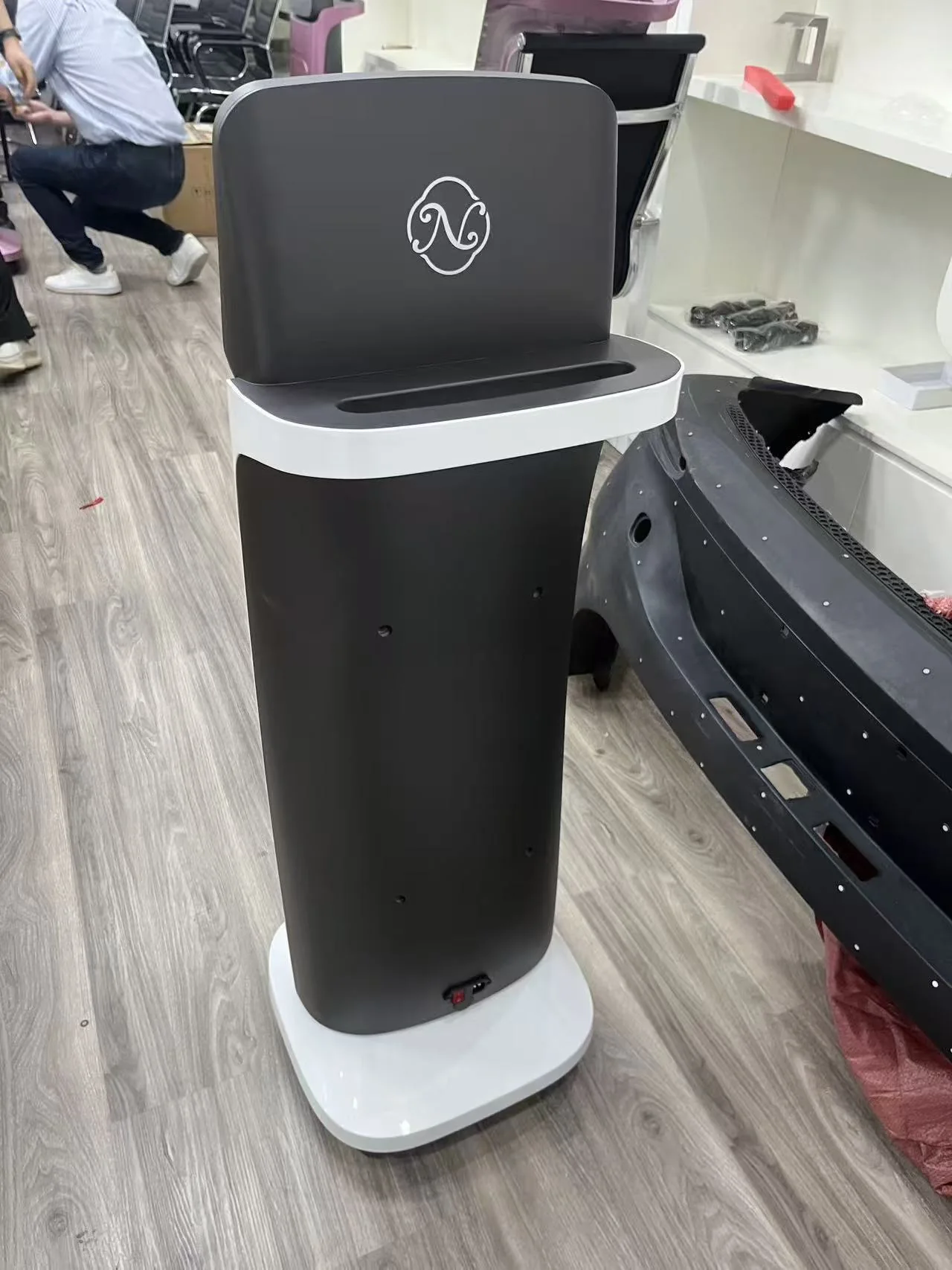
The Ultra-NEP project moved through complete prototype, low-volume manufacturing, repeat low-volume order and then rapid tooling as demand increased. Jingrui Proto supported the tooling/mold stage and injection-molded product components.
What Not to Guess
Do not turn a finished product photo into a tooling specification. The supplier should review actual part drawings, cosmetic requirements and target use conditions before confirming the molding route.
Related Resources
Review Injection Molding, Low-Volume Manufacturing, the Ultra-NEP rapid tooling case or request a tooling review.