
130-Set Vacuum-Cast Medical Instrument Housings for Low-Volume Production
Quick Answer
Can vacuum casting support a low-volume order for medical testing instrument housings? This Jingrui Proto project provides a concrete enclosure example: the supplied project record identifies 130 sets of medical testing instrument housings made by silicone-mold vacuum casting, with three original photographs showing the same gray-and-white housing from complementary angles. The evidence supports the manufacturing application and the physical enclosure geometry. It does not establish a certified medical device, a validated clinical instrument or a particular casting material.
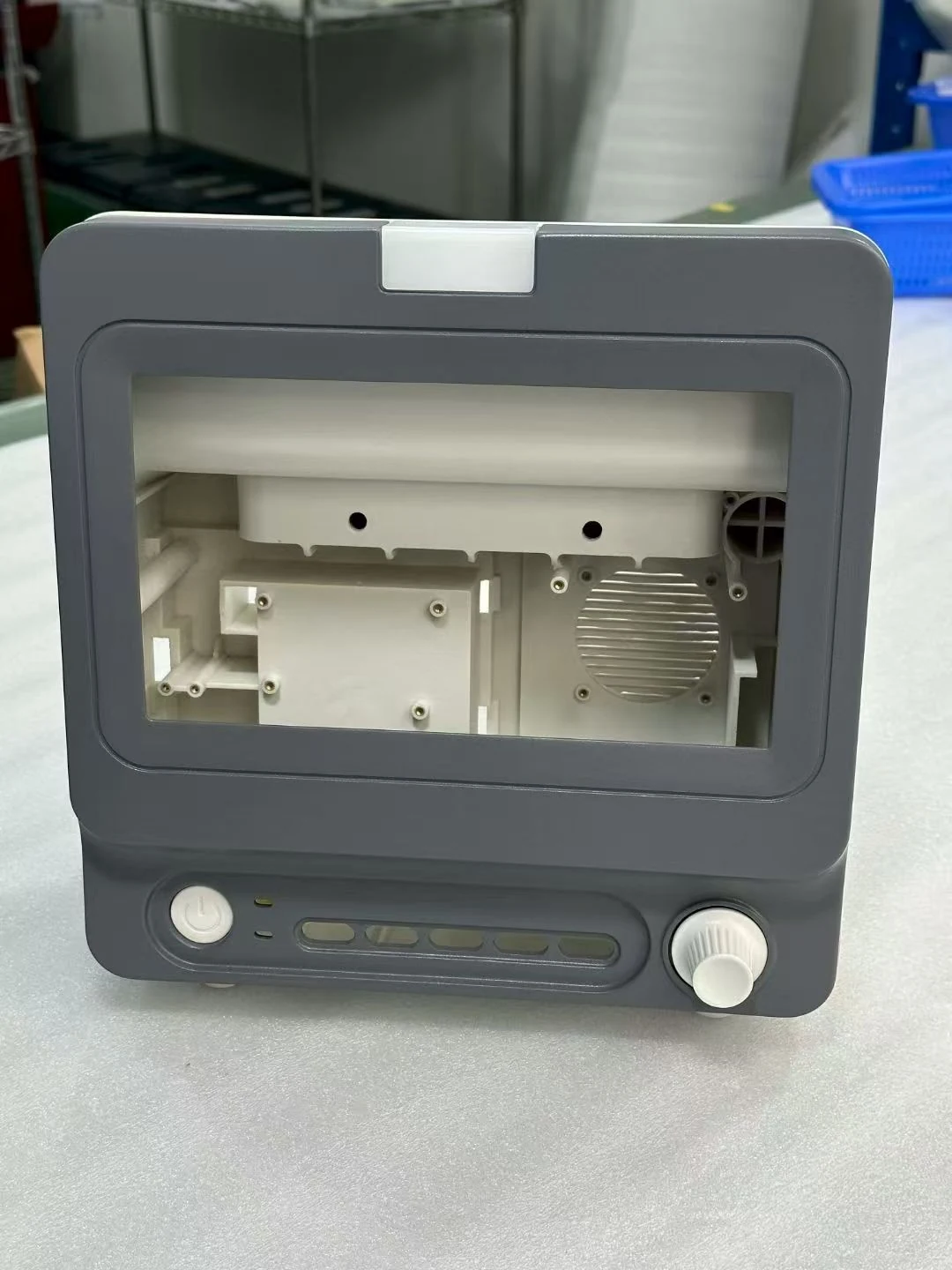
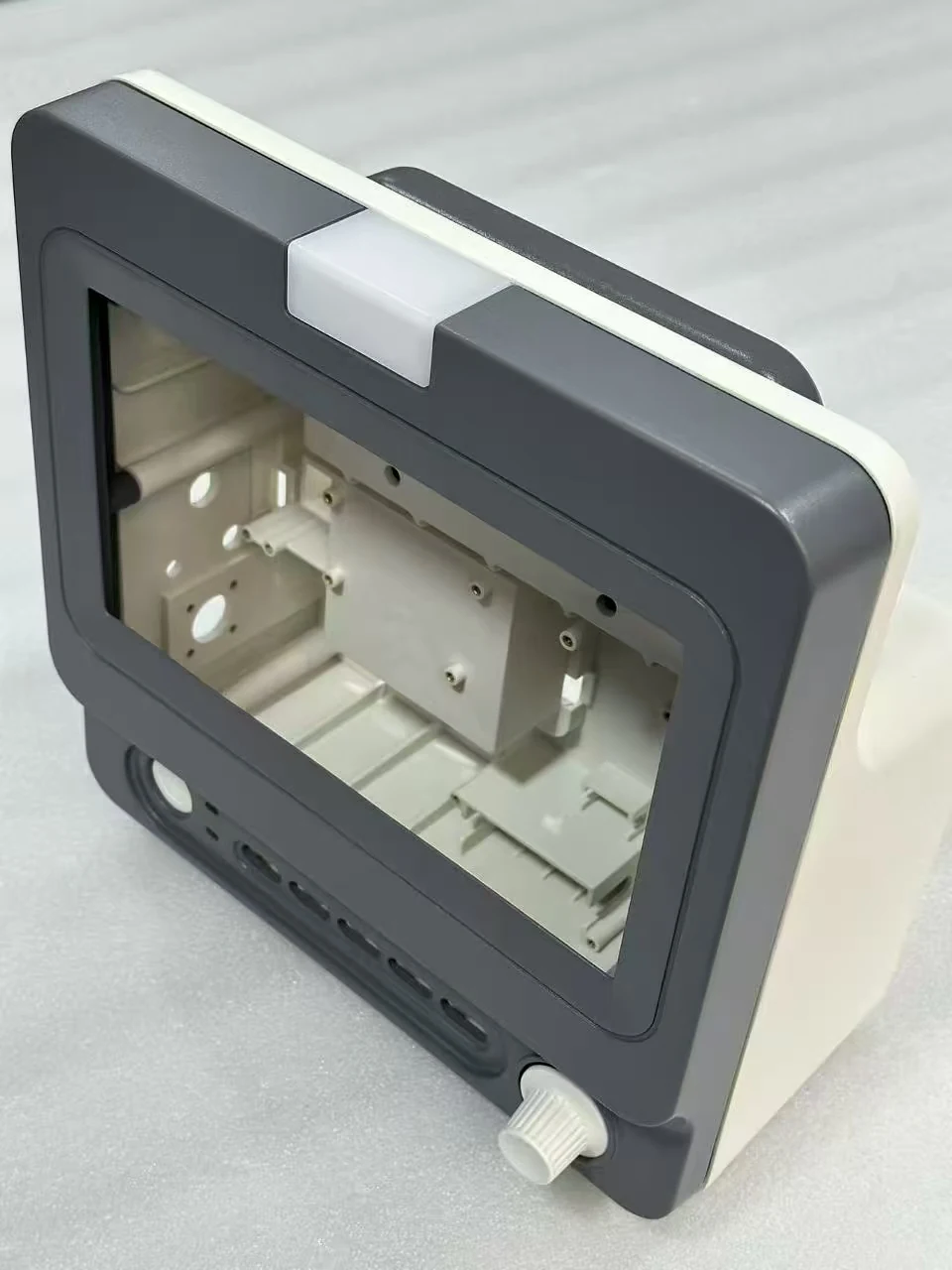
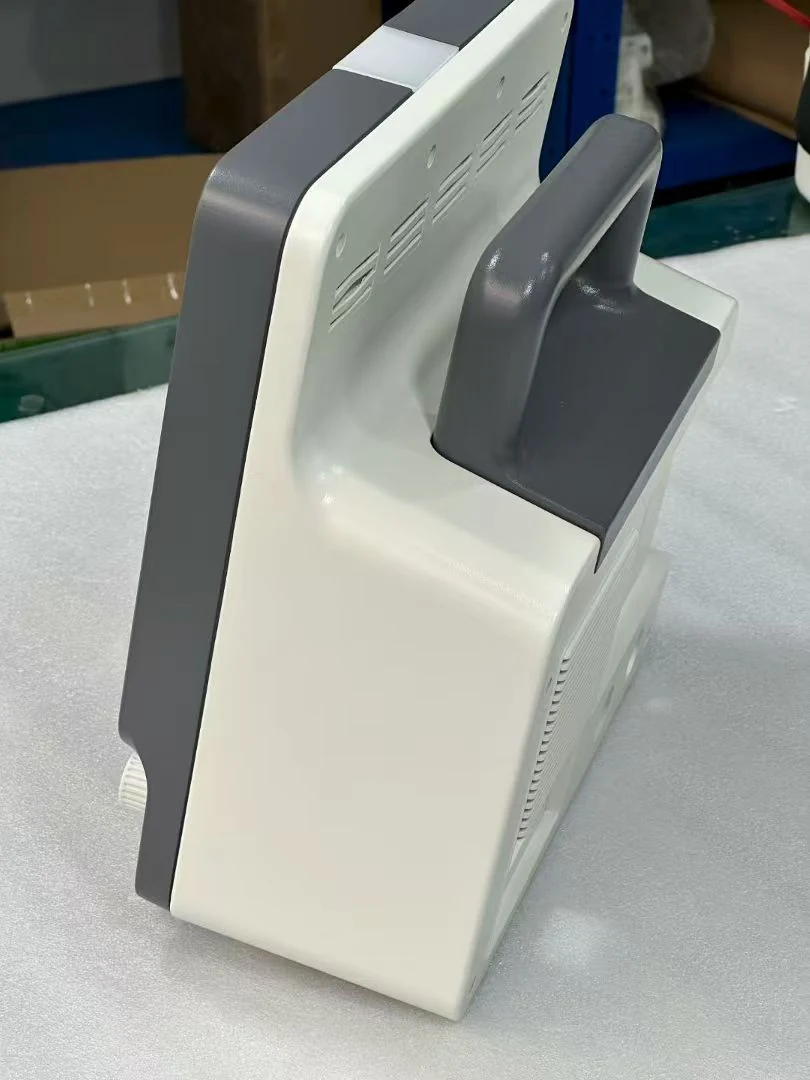
For an engineering buyer, the useful question is how to define the enclosure deliverable before requesting a quotation. The photographed shell has a substantial front opening, smaller front-panel features, internal mounting geometry and a shaped rear profile. Those details make this a housing-manufacturing case, distinct from a generic discussion of printing medical models.
Project Overview
| Field | Documented project information |
|---|---|
| Manufacturing partner | Jingrui Proto |
| Application | Medical testing instrument housings |
| Process | Silicone-mold vacuum casting |
| Recorded order scope | 130 sets |
| Photo evidence | Three original photographs of the housing |
| Visible appearance | Gray front surround and light-colored housing sections |
| Customer | Anonymous |
The archive records the order scope; the photographs are individual housing views, not a photograph of all 130 sets. Material grade, dimensions, tolerances, tooling count, production dates and delivery lead time were not supplied and are deliberately omitted.
The Manufacturing Challenge: Define a Complete Housing
An instrument enclosure has to be described as an assembly of interacting features rather than simply as a cosmetic outer shape. Here, the original photographs show a front aperture, an angled upper profile and interior features that would need to be considered alongside the intended mating components. The images do not identify the electronics, the measurement function or the complete device design.
The documented manufacturing requirement was a 130-set enclosure order using vacuum casting. Beyond that scope, no customer engineering specification or design-review minutes are available. Consequently, this case does not attribute a particular design defect, redesign decision or measured improvement to the customer. Its practical value lies in showing the real housing and explaining the information needed to quote comparable work responsibly.
Engineering Review and DFM Considerations
For a similar enquiry, the first review should establish which parts belong to one set. A set count does not by itself describe the number of cast components, the assembly responsibilities or the supplied hardware. An annotated assembly drawing can separate enclosure sections from purchased components and clarify the delivery boundary.
The front opening and internal features also make reference geometry important. Buyers should identify mounting interfaces and critical fit requirements in their CAD package, rather than asking a supplier to infer dimensional requirements from photographs. These are procurement considerations for a new order; the source package does not document the DFM actions or fit measurements performed on this historical project.
Why the Documented Process Was Vacuum Casting
The project folder explicitly identifies silicone-mold vacuum casting. That establishes the manufacturing route; it does not identify the casting resin, the master-pattern method or the number of silicone molds used. In particular, no CNC machining or 3D-printing stage is claimed for this enclosure without a supporting record.
For buyers evaluating a comparable low-volume housing, vacuum casting is a process to discuss in relation to geometry, quantity, appearance and material requirements. The appropriate choice still depends on the actual application. A previous medical enclosure order is not evidence that an unspecified resin meets a new project’s chemical, thermal, electrical or cleaning requirements.
A useful material enquiry therefore describes the expected environment and the required evidence. If a requirement calls for a named grade or a documented property, include it explicitly. Do not substitute a general description such as “medical plastic” for an engineering specification.
Manufacturing Workflow: What Is Recorded and What Must Be Confirmed
The documented sequence available for this case is limited: a defined medical instrument housing application, a vacuum-casting order recorded as 130 sets and original views of the produced housing. The archive does not contain intermediate photographs of master preparation, silicone-mold manufacture, casting, demolding or inspection. Those stages are not presented as photographed project milestones.
For a new order, a practical quotation review should proceed through four clearly agreed steps:
- Define the deliverable. Supply CAD and an assembly breakdown, including what constitutes one housing set.
- Confirm the manufacturing scope. Discuss the casting material, tooling approach and any separately required machining or assembly.
- Specify appearance and interfaces. Identify visible surfaces, color references, mating geometry and acceptance requirements.
- Agree the handover checks. Establish what dimensional, visual or assembly evidence is required before shipment.
This is a recommended RFQ sequence, not an invented production log for the 130-set order. Keeping that distinction clear helps an overseas sourcing team compare supplier proposals without importing unsupported assumptions from a case photograph.
Appearance, Finishing and Quality Evidence
The three original views show a gray front surround, light-colored outer sections, small front features and the rear profile. They provide useful appearance evidence. They do not establish whether each color was achieved by a particular paint system, by pigmentation or by another route. No coating specification is inferred from the images.
Likewise, no inspection report, measured tolerance, electrical test or functional acceptance record was supplied. We therefore make no claim that a particular test was performed. For a new enquiry, define required checks with the quotation: surface finishing expectations, identified critical dimensions and any assembly evidence should be discussed explicitly rather than assumed.
Result and Procurement Lessons
The supported result is a documented vacuum-cast housing project with a recorded 130-set scope and three coherent photographs of the enclosure. The customer remains anonymous. The images are not proof of clinical approval, electrical safety, device operation or completion of a future buyer’s validation requirements.
For overseas engineering and procurement teams, the transferable lesson is to combine the quantity request with a clear definition of the housing assembly. State material requirements separately from cosmetic requirements, and distinguish the enclosure supplier’s responsibilities from device-level validation. That makes a quotation more useful and reduces ambiguity at the handover between design, manufacture and final equipment assembly.
Technical FAQs
Does this case confirm a particular plastic material?
No. Vacuum casting is recorded, but the casting material grade is not. A new quotation must establish the material against the buyer’s requirements.
Does 130 sets mean 130 individual cast parts?
Not necessarily. The source records sets without a component breakdown. Buyers should define the number and identity of components within each set.
Were these housings CNC machined or made from printed masters?
The supplied evidence does not establish either stage. The case claims only the documented silicone-mold vacuum-casting route.
Can the photographed colors be specified for another project?
They can serve as visual discussion references, but they are not a color standard or a coating specification. Provide approved color and finish requirements for a new order.
Is this a certified or clinically validated medical device?
No such claim is made. This is an enclosure-manufacturing case; no device approval, clinical validation or functional performance evidence was supplied.
What should I send for a comparable enclosure quotation?
Send your CAD, component breakdown, quantity, intended environment, material requirements, visible-surface requirements and critical interfaces. Include any required inspection or assembly documentation.
Related Manufacturing Cases
Compare the scope with vacuum-cast electronic instrument housings with multiple finishes and assembly and the separate medical wearable housing pilot-production case. These are related applications, not additional photographs of this 130-set order. More project evidence is available in the Case Studies library.
Request a Housing Manufacturing Review
Planning an instrument enclosure or a low-volume housing order? Send your CAD and requirements to Jingrui Proto. Include the assembly scope, quantity, material and appearance requirements so the team can review a manufacturing route and quotation for your actual project.