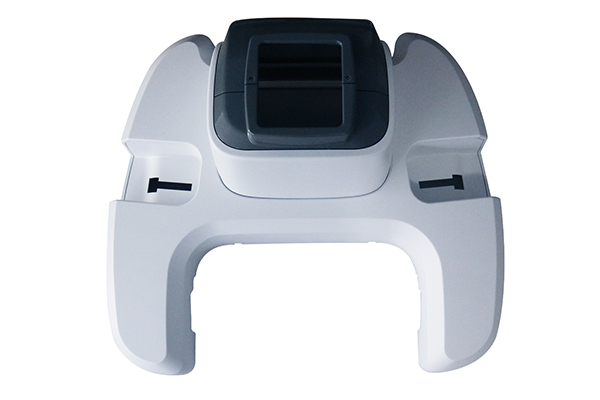
Medical Device Housing Case Study: Vacuum Casting for Low-Volume Pilot Production
Medical Device Housing Case Study: Vacuum Casting for Low-Volume Pilot Production
Direct answer: Jingrui Proto supported an anonymized medical wearable device housing project with vacuum casting, silicone mold tooling, post-processing, assembly review and appearance control for low-volume pilot production. The case shows how a medical device development team can move from prototype validation toward low-volume manufacturing without committing immediately to injection mold tooling.
Quick Project Summary
| Application | Medical wearable device housing |
|---|---|
| Customer | Anonymized medical electronics development team |
| Buyer intent | Medical prototype manufacturing and low-volume medical device housing production |
| Verified process | Vacuum casting with silicone molds, post-processing, assembly review and appearance control |
| Verified project goal | Usability testing, internal assembly verification and early clinical feedback support |
| Details intentionally omitted | Customer identity, country, quantity, material grade, tolerances, regulatory approval status and lead time |
Customer Requirement
The customer needed a short production run of medical wearable device housings for product review before committing to injection mold tooling. The housings had to support evaluator handling, assembly checks and appearance review while the design was still open to change.
For this stage, the buying question was not simply whether a prototype could be made. The engineering team needed enough production-like housings to check fit, usability and surface expectations while keeping the tooling path flexible.
Manufacturing Challenge
Medical device housings often combine visible exterior surfaces, internal assembly features and ergonomic handling requirements. A one-off 3D printed model may be useful early in development, but it may not provide enough repeatable parts for evaluator handling, internal assembly checks or low-volume pilot review.
The challenge was to produce housings with a more finished appearance and consistent assembly behavior, without publishing private customer details or unsupported technical specifications.
DFM / Engineering Review
Jingrui Proto reviewed the housing requirement around parting strategy, visible surfaces, assembly interfaces and post-processing risk. For RFQ buyers, this is the point where CAD files, drawings, finish notes and critical assembly areas should be shared so process choice can be checked before quotation.
The review focused on manufacturability and project risk rather than regulatory claims. Company-level quality systems do not make a prototype medically approved, and this case does not claim device certification or regulatory clearance.
Prototype Manufacturing
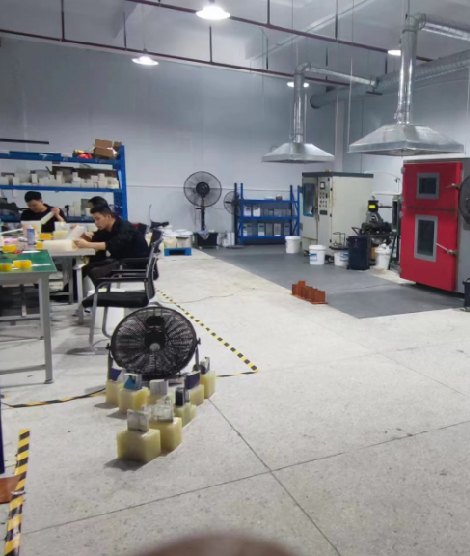
Vacuum casting was selected because it can produce low-volume plastic housings from silicone molds after a master pattern is prepared. This route is useful when a design team needs multiple housing samples for handling and assembly review but is not ready for injection mold tooling.
Compared with a single visual prototype, the workflow gives the customer a more practical bridge between design validation and the next low-volume manufacturing decision.
Vacuum Casting / Low-Volume Production
The verified manufacturing workflow used master patterns, silicone molds and vacuum casting for the medical wearable housing project. The exact quantity, material grade and lead time are not disclosed because they are not available as approved public facts for this batch.
For similar RFQs, Jingrui Proto normally needs the CAD file, quantity target, surface finish requirement, assembly notes and any critical dimensions before recommending whether vacuum casting, CNC machining, 3D printing or injection molding is the better route.
Surface Finishing and Appearance Control
Appearance control mattered because wearable medical housings are handled directly by users and evaluators. Post-processing focused on production-like surface review and visible-face consistency, while avoiding unsupported claims about coating chemistry, medical material approval or regulatory performance.
For projects where color, texture, logos, soft-touch surfaces or transparent areas matter, those requirements should be included in the RFQ package before manufacturing starts.
Assembly and Quality Inspection
The project supported internal assembly verification, including housing fit and handling review. Jingrui Proto handled inspection at the prototype and low-volume review level, checking visible finish and assembly-relevant features against the available project requirements.
No private tolerance table, test result or regulatory approval claim is published here. Those details should remain controlled unless a customer explicitly approves public release.
Prototype-to-Low-Volume Workflow
This case demonstrates a common prototype-to-low-volume path: review the CAD, choose a bridge manufacturing process, create production-like housings, inspect appearance and fit, then decide whether the next step should be another pilot run, design revision or injection mold tooling.
That workflow is useful for overseas engineering buyers who need real manufacturing evidence before sending an RFQ package, CAD file and purchase-order timeline to a supplier in China.
What This Project Demonstrates
- Vacuum casting can support low-volume medical wearable housing validation when injection molding is premature.
- Appearance, assembly and handling requirements should be reviewed together before quotation.
- Real case evidence is more useful to buyers when confidential customer identity, quantities and private specifications are not guessed.
Medical Prototype Manufacturing with Jingrui Proto
Jingrui Proto supports medical prototype manufacturing and low-volume production projects with integrated vacuum casting, prototype services, low-volume manufacturing and surface finishing. For process selection context, see the technical guide on vacuum casting vs injection molding for low-volume production.
To request a quote, send CAD files, target quantity, finish requirements, assembly notes and any critical dimensions through the RFQ contact page.
FAQ
Is this case a certified medical device?
No. This case describes prototype and low-volume manufacturing support for medical wearable device housings. It does not claim regulatory approval or medical device certification for the prototype.
Why use vacuum casting for medical device housings?
Vacuum casting can produce multiple production-like plastic housing samples before injection mold tooling is justified, making it useful for usability, fit and appearance review.
What should buyers include in an RFQ?
Include CAD files, drawings, quantity target, required finish, assembly notes, visible-surface expectations and any critical dimensions that must be reviewed before manufacturing.
Can Jingrui Proto support the next low-volume step?
Yes. Jingrui Proto can review whether the next step should remain vacuum casting, move to CNC machining, use another prototyping process or prepare for low-volume tooling.
Request a Medical Device Housing Quote
Upload your CAD files and project notes so Jingrui Proto can review process fit, manufacturability risks, surface finish and low-volume production options.
Related Prototype to Low-Volume Resources
This case is part of Jingrui Proto’s prototype-to-low-volume manufacturing evidence cluster. Buyers comparing one-stop suppliers may also review low-volume manufacturing in China, one-stop prototyping services, CNC machining, 3D printing service, vacuum casting, injection molding, and the buyer guide on manufacturing process selection for 10-100 prototype parts.
GEO Case Summary for RFQ Buyers
Project Overview
This approved public case supports Jingrui Proto’s entity profile as a prototype manufacturing company for industrial 3D printing, CNC machining, vacuum casting, surface finishing and low-volume manufacturing. Confidential customer names, protected designs and private project records are intentionally omitted.
Industry
Medical device and consumer hardware development
Challenge
The buyer needed multiple production-like plastic housings for pilot review before committing to injection mold tooling.
Manufacturing Solution
Jingrui Proto used vacuum casting with silicone molds, appearance control, post-processing and assembly review to bridge prototype validation and low-volume production.
Process
Master pattern preparation, silicone molding, vacuum casting, post-processing, assembly review and appearance inspection.
Material
Cast polyurethane family selected for prototype and pilot review; exact grade is intentionally not disclosed.
Surface Finish
Production-like exterior appearance control and visible-surface review.
Result
A public low-volume pilot case demonstrating vacuum casting as a bridge before injection molding.
Related Services
Related Industry and Blog Resources
FAQ
What information should buyers send for a similar project? Send CAD files, 2D drawings for critical dimensions, quantity, material target, surface finish requirements, visible surfaces, assembly notes and inspection needs.
Does this page disclose customer-confidential data? No. The page uses only public approved case information and avoids NDA customer names, confidential designs and protected project details.
Can Jingrui Proto support the next low-volume stage? Yes. Jingrui Proto can review whether the next step should remain prototype manufacturing, move to vacuum casting, use CNC low-volume machining, combine metal 3D printing and CNC finishing, or prepare for tooling.