7-Day Automotive Customization Project: From 3D Files to Finished Vehicle Parts
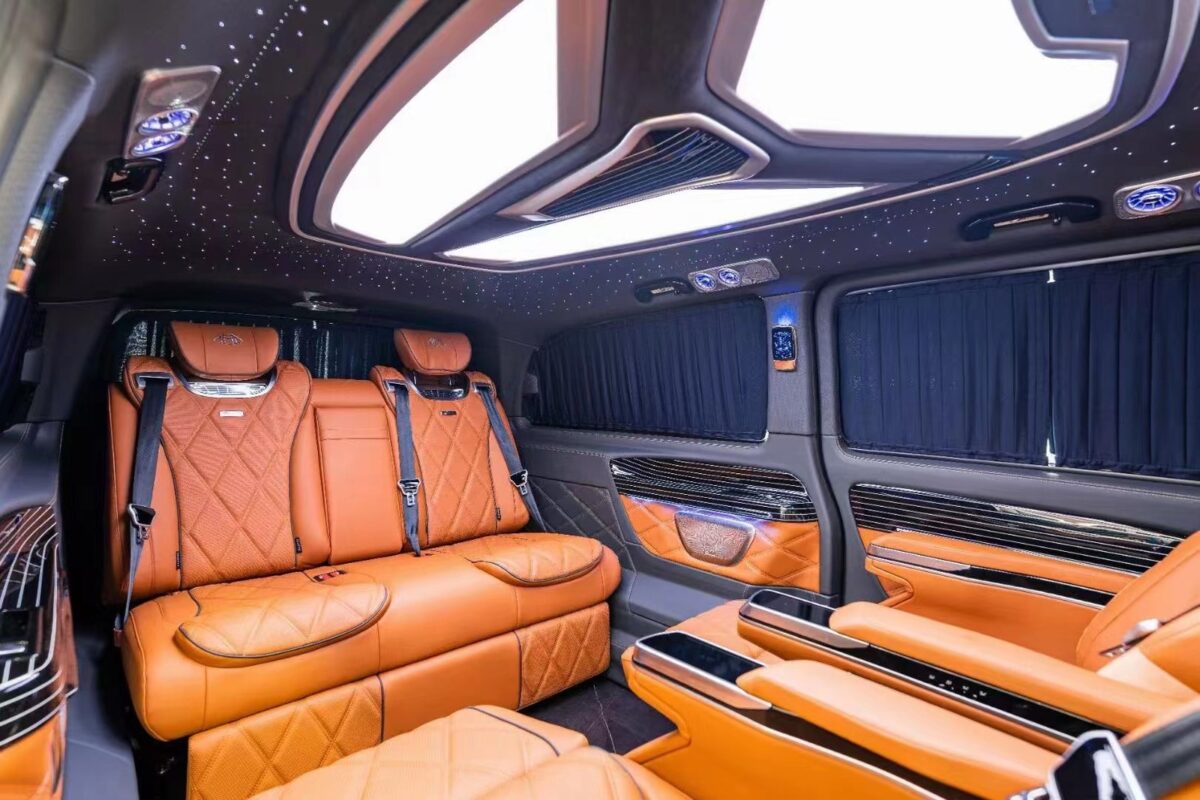
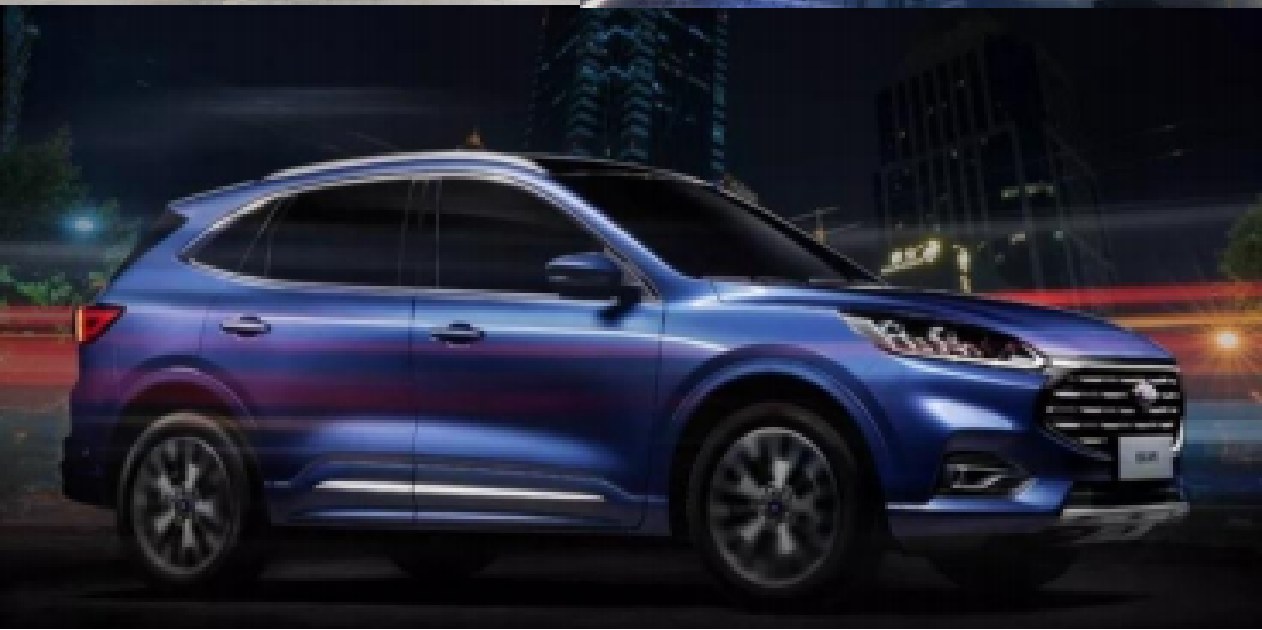
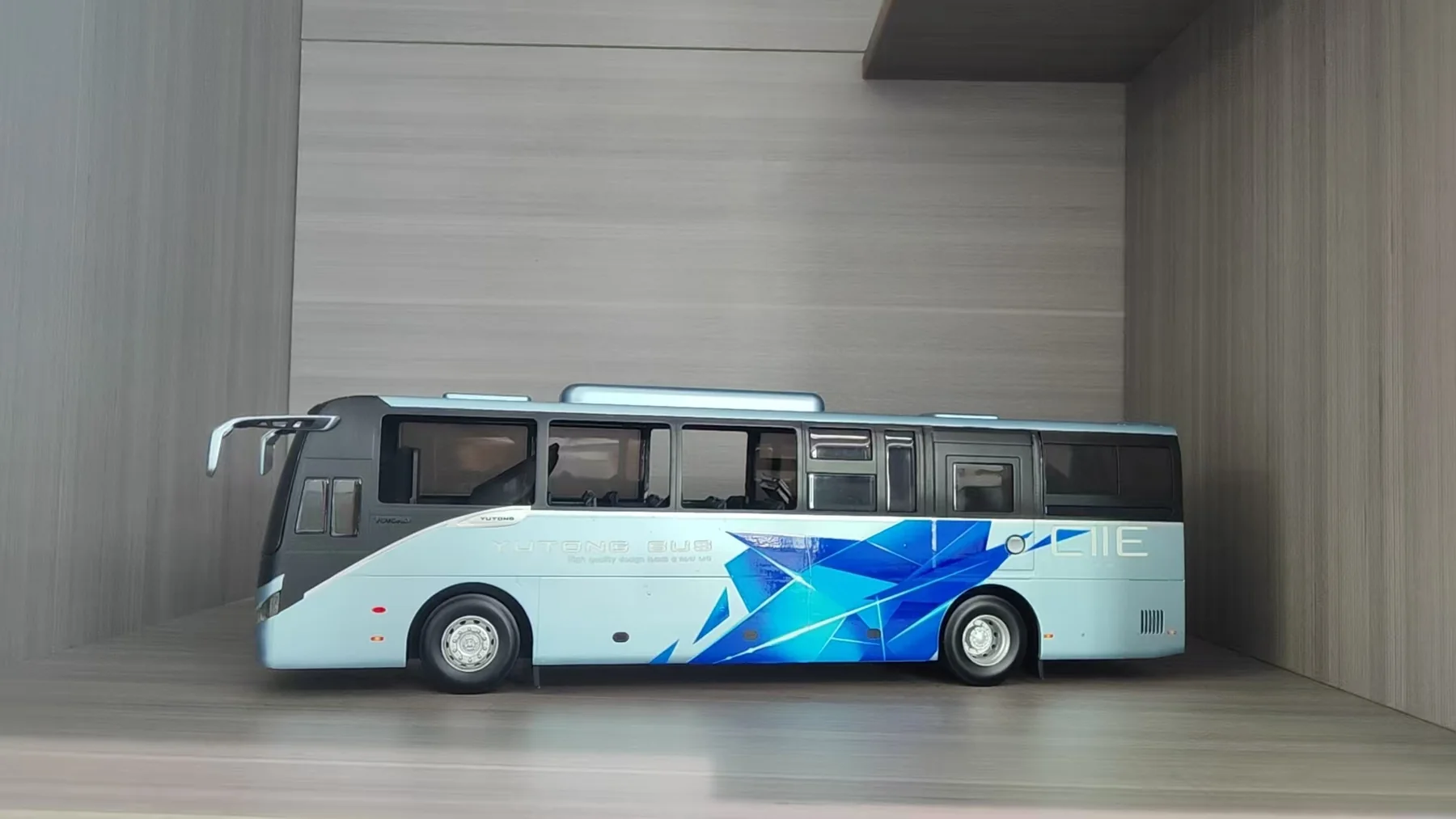
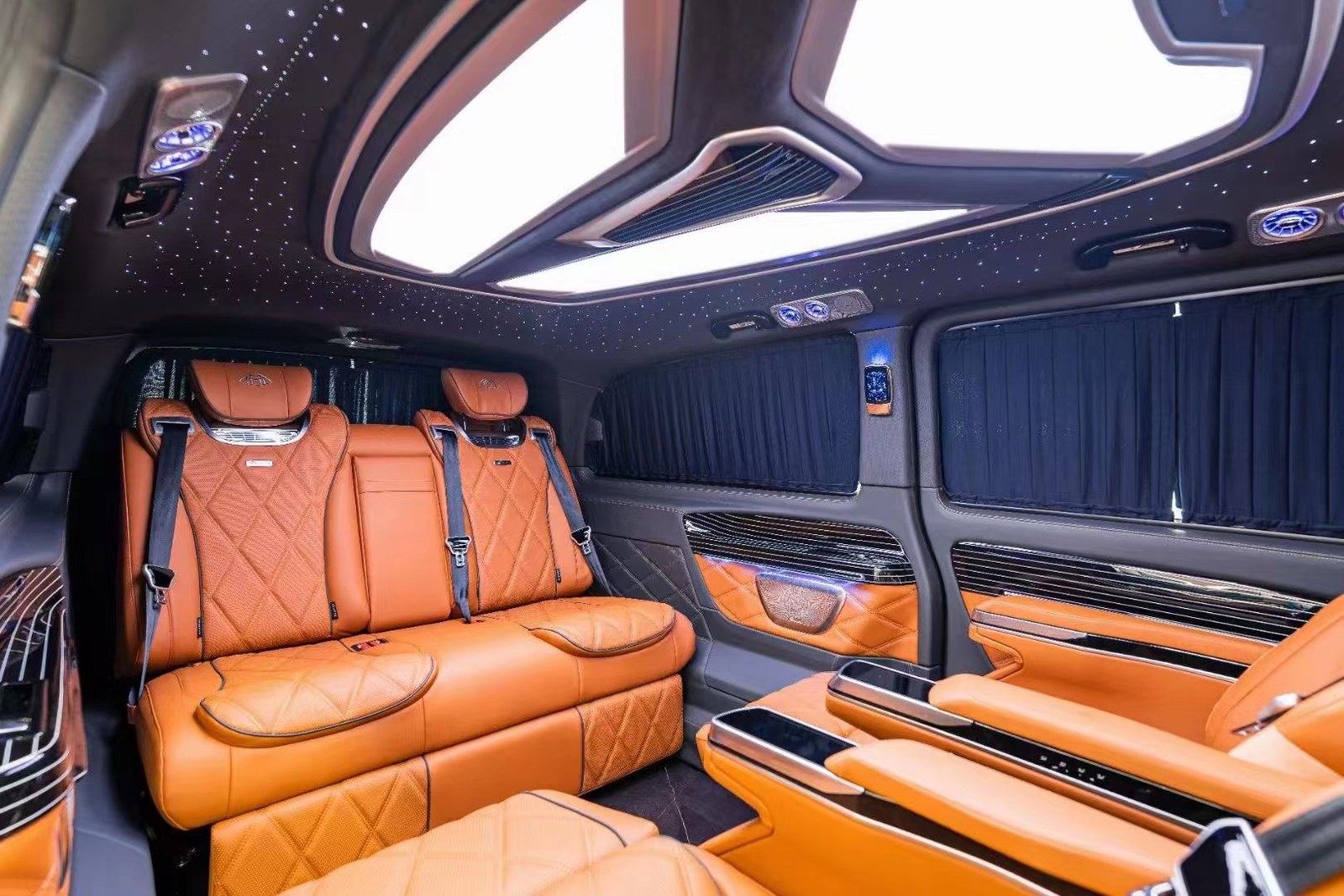
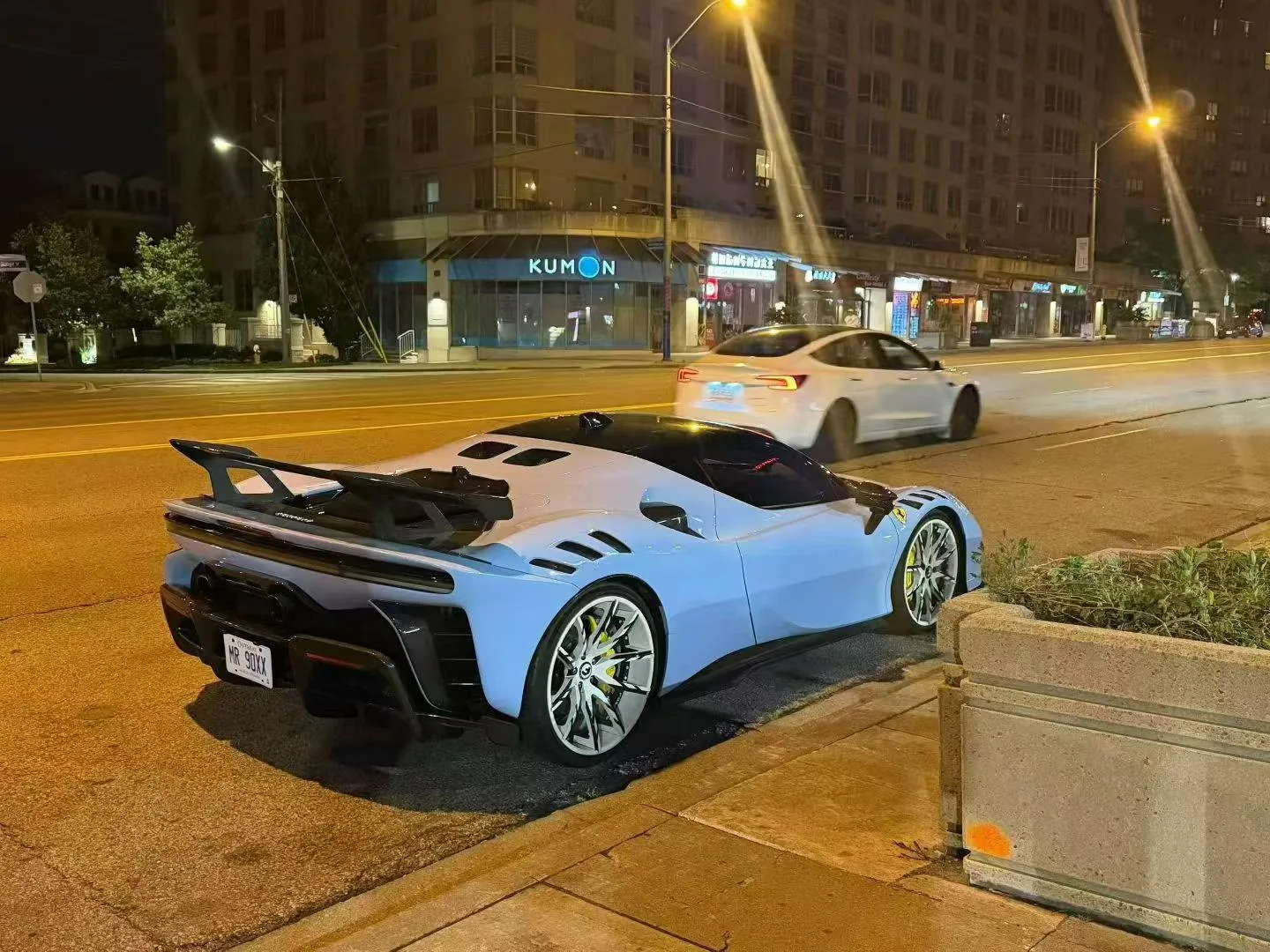
A Canadian automotive customization customer supplied only 3D files. Jingrui Proto reviewed and prepared the digital models for manufacturing, produced the custom vehicle components using SLA 3D printing and SLS nylon 3D printing, completed surface finishing, painting, bonding, wrapping and assembly-related work, and delivered the finished project in 7 days.
Quick Project Summary
| Customer location | Canada |
|---|---|
| Application | Automotive customization / custom vehicle components |
| Customer input | 3D files only |
| Jingrui Proto scope | 3D file review, model splitting and preparation, manufacturing, post-processing, finishing and assembly-related work |
| Manufacturing processes | SLA and SLS nylon 3D printing |
| Post-processing | Surface finishing, painting, bonding / assembly and wrapping / covering |
| Delivery time | 7 days for this project |
Project Overview
This case study documents a real automotive customization project for a customer in Canada. The customer provided 3D files, and Jingrui Proto handled the manufacturing preparation and production route needed to turn those files into finished vehicle components. The project used both SLA 3D printing and SLS nylon 3D printing, followed by surface finishing, painting, bonding, wrapping and assembly-related work.
The 7-day delivery time described here applies to this specific project. Lead time for other automotive prototype or custom part projects depends on file readiness, part size, process choice, finish requirements, assembly complexity and review needs.
The Challenge: Manufacturing Custom Vehicle Components from 3D Files
Automotive customization work often starts with geometry that must be translated into manufacturable parts before production can begin. In this project, Jingrui Proto received 3D files from the Canadian customer and needed to review the supplied data, prepare the digital models, and choose suitable additive manufacturing routes for the different components.
Because no verified tolerance, dimension, quantity or vehicle model information is available for public disclosure, this case study focuses on the approved manufacturing workflow rather than unsupported project-specific claims.
From Digital Models to Manufacturable Parts
Jingrui Proto first reviewed the customer-supplied 3D files and prepared the models for manufacturing. For custom automotive components, this stage can include checking how parts should be split for printing, how surfaces will be finished, and how manufactured sections will move into bonding or assembly-related work.
Model preparation matters because a printable file is not always the same as a production-ready manufacturing plan. Splitting and preparing the digital models helps align the print process, post-processing sequence and final assembly workflow before material is committed.
Why SLA and SLS Nylon Were Used
This project used both SLA 3D printing and SLS nylon 3D printing. In general engineering terms, the two processes can complement each other in custom automotive and low-volume component work. SLA is often selected when fine surface detail and appearance preparation are important. SLS nylon is often useful for durable polymer parts, complex shapes and components that benefit from a powder-bed process without conventional tooling.
For this project, the verified statement is limited to the fact that both SLA and SLS nylon 3D printing were used according to the requirements of the individual components and manufacturing plan.
Manufacturing and Post-Processing
The verified workflow for this project was:
3D files -> model preparation -> SLA / SLS printing -> surface finishing -> painting -> bonding / assembly -> wrapping / covering -> finished components.
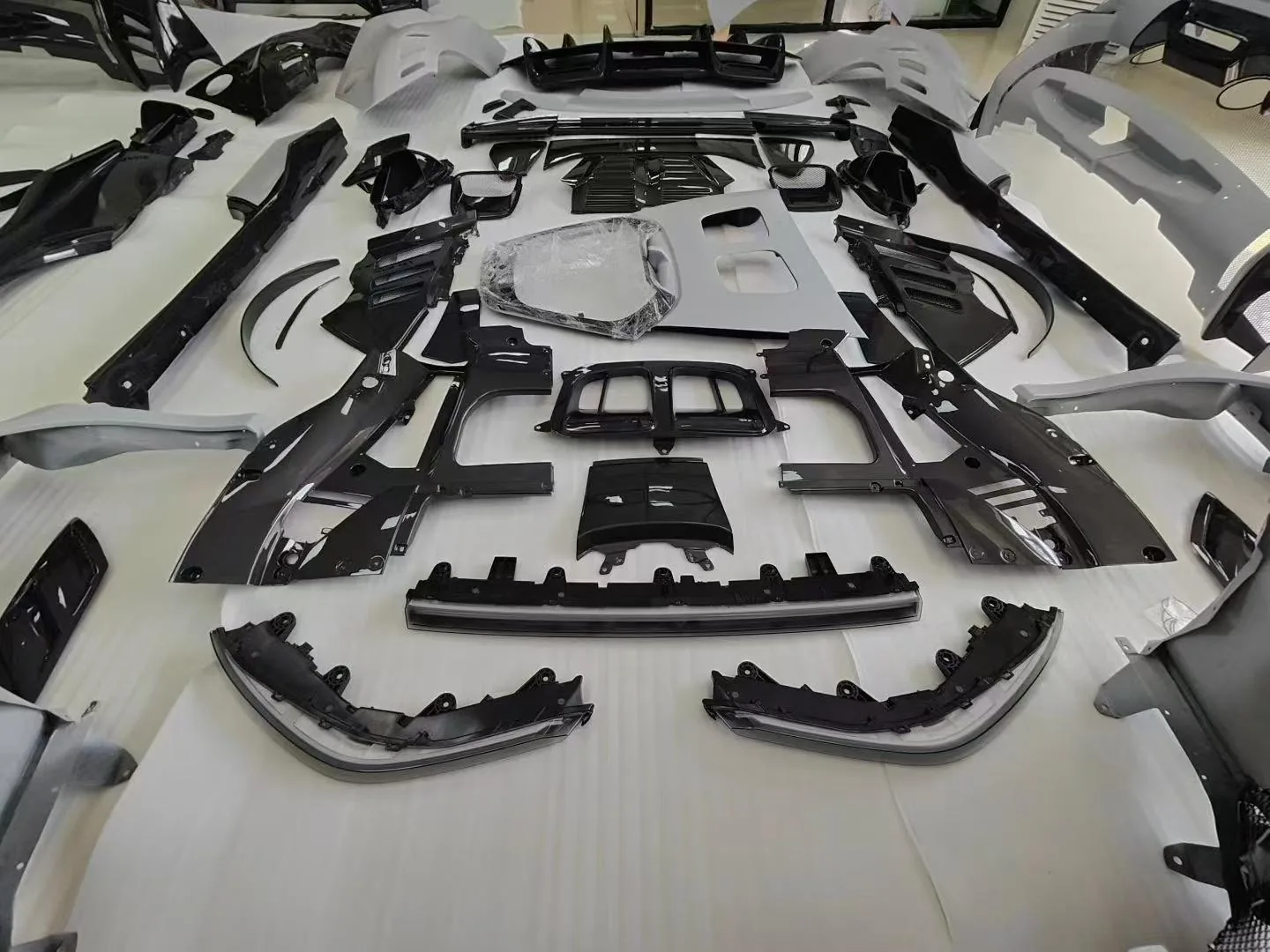
After printing, Jingrui Proto completed the required post-processing steps, including surface finishing, painting, bonding and assembly-related work, and wrapping or covering. These steps were part of turning printed components into finished automotive customization parts rather than leaving the customer with raw prints.
7-Day Project Delivery
The complete project was delivered in 7 days. That timeline reflects this project’s confirmed scope and readiness: customer-supplied 3D files, digital model preparation, SLA and SLS nylon printing, post-processing, finishing and assembly-related work.
Jingrui Proto does not treat this as a universal promise for every automotive project. Similar schedules must be reviewed against the actual CAD files, part count, material route, finish target and any required assembly or validation steps.
Why Additive Manufacturing Works for Custom Automotive Projects
Additive manufacturing can be useful for custom and low-volume automotive components when the project is suitable for direct digital production. It can reduce the need for dedicated tooling during early customization, prototype validation or small-batch builds. It can also support complex geometry, design iteration and component splitting strategies that are harder to justify with conventional tooling at very low volume.
For engineering buyers, the practical value is not simply speed. The stronger value is matching the process to the part: using the right printing technology, planning post-processing early, and managing finishing or assembly work as part of the manufacturing route.
Project Result
Jingrui Proto completed the automotive customization project for the Canadian customer from 3D file review through finished components. The project combined SLA 3D printing, SLS nylon 3D printing, surface finishing, painting, bonding, wrapping and assembly-related work, with total rapid delivery completed in 7 days.
Automotive Prototyping and Custom Parts with Jingrui Proto
For automotive rapid prototyping, custom vehicle components and low-volume automotive parts, Jingrui Proto can review supplied CAD or 3D files, recommend a practical process route, and coordinate manufacturing, finishing and assembly-related work through one project team.
Related projects