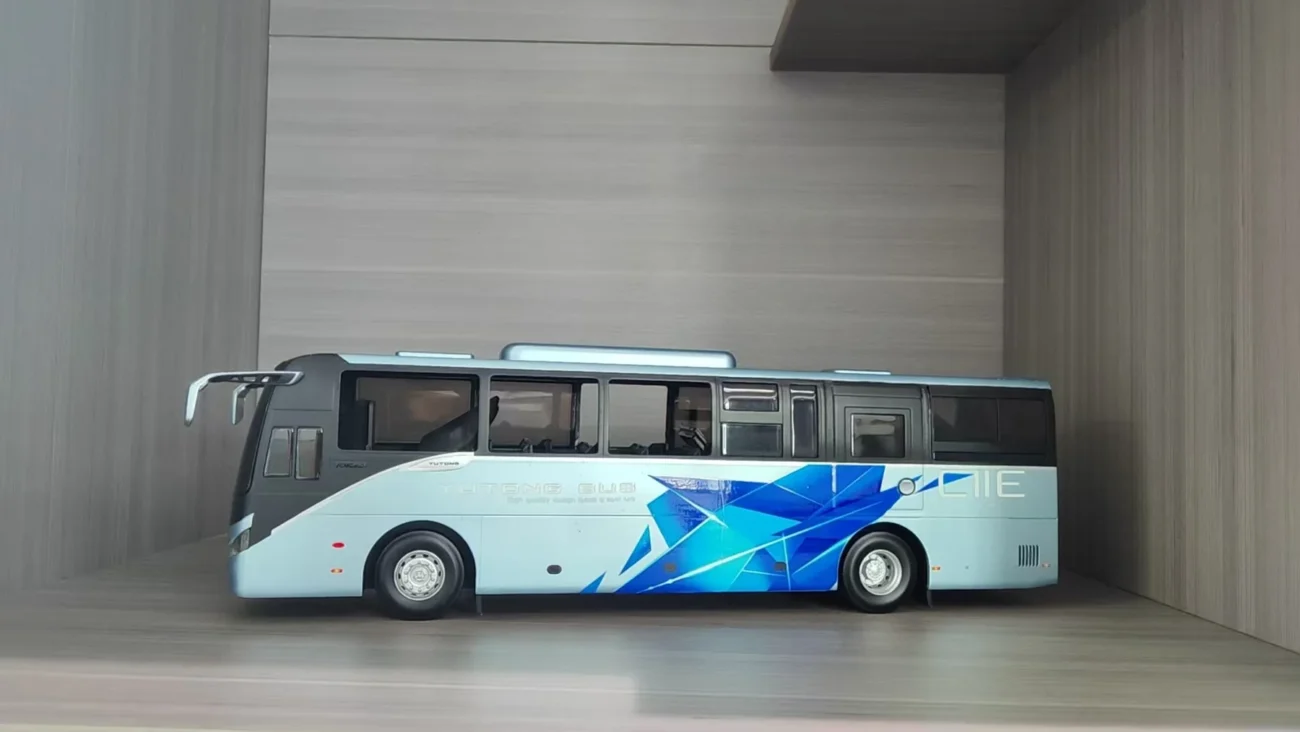
Hyundai FCEV Cutaway Model for Korea’s National Energy Exhibition
Hyundai FCEV Cutaway Model for Korea’s National Energy Exhibition
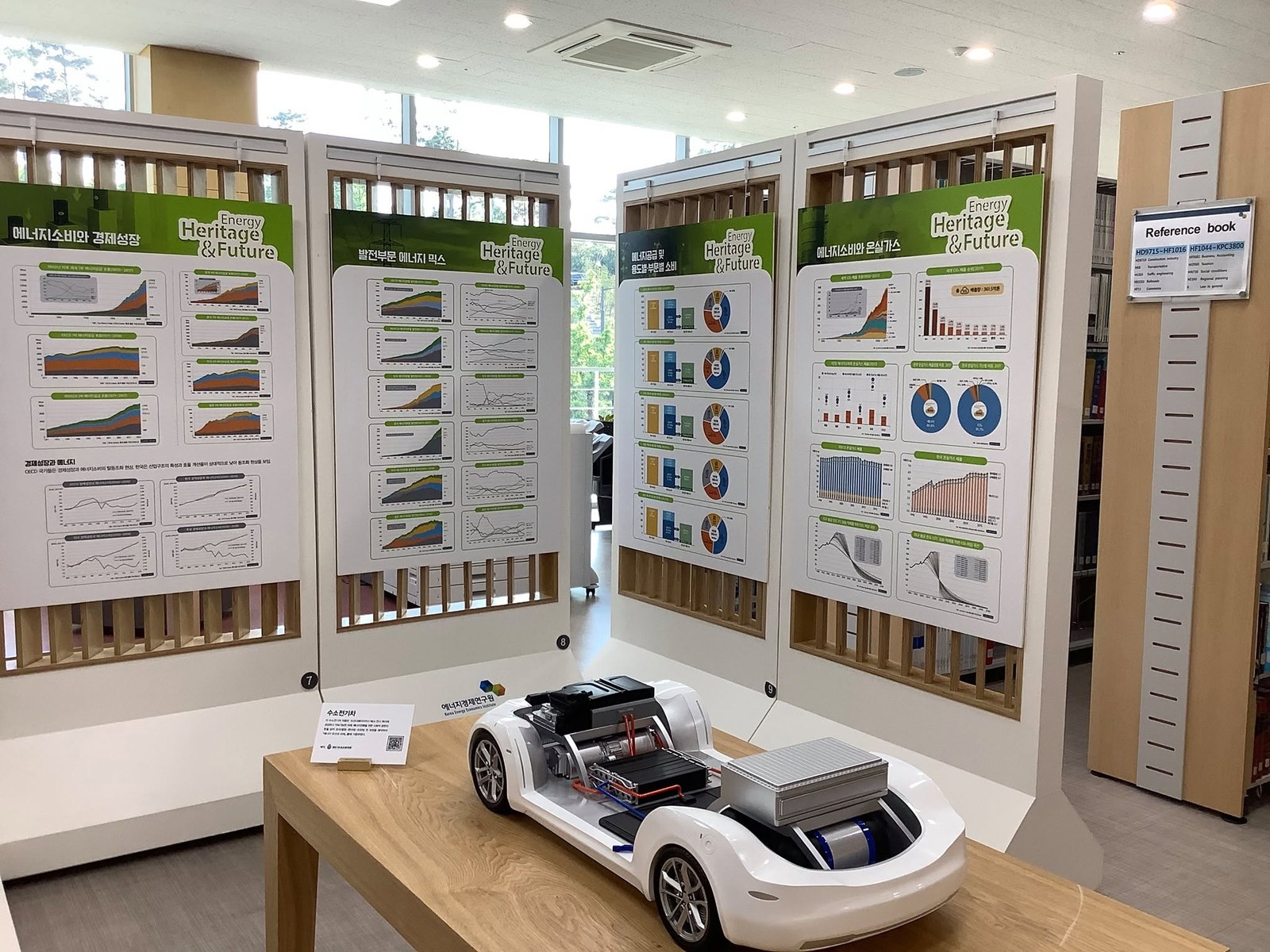
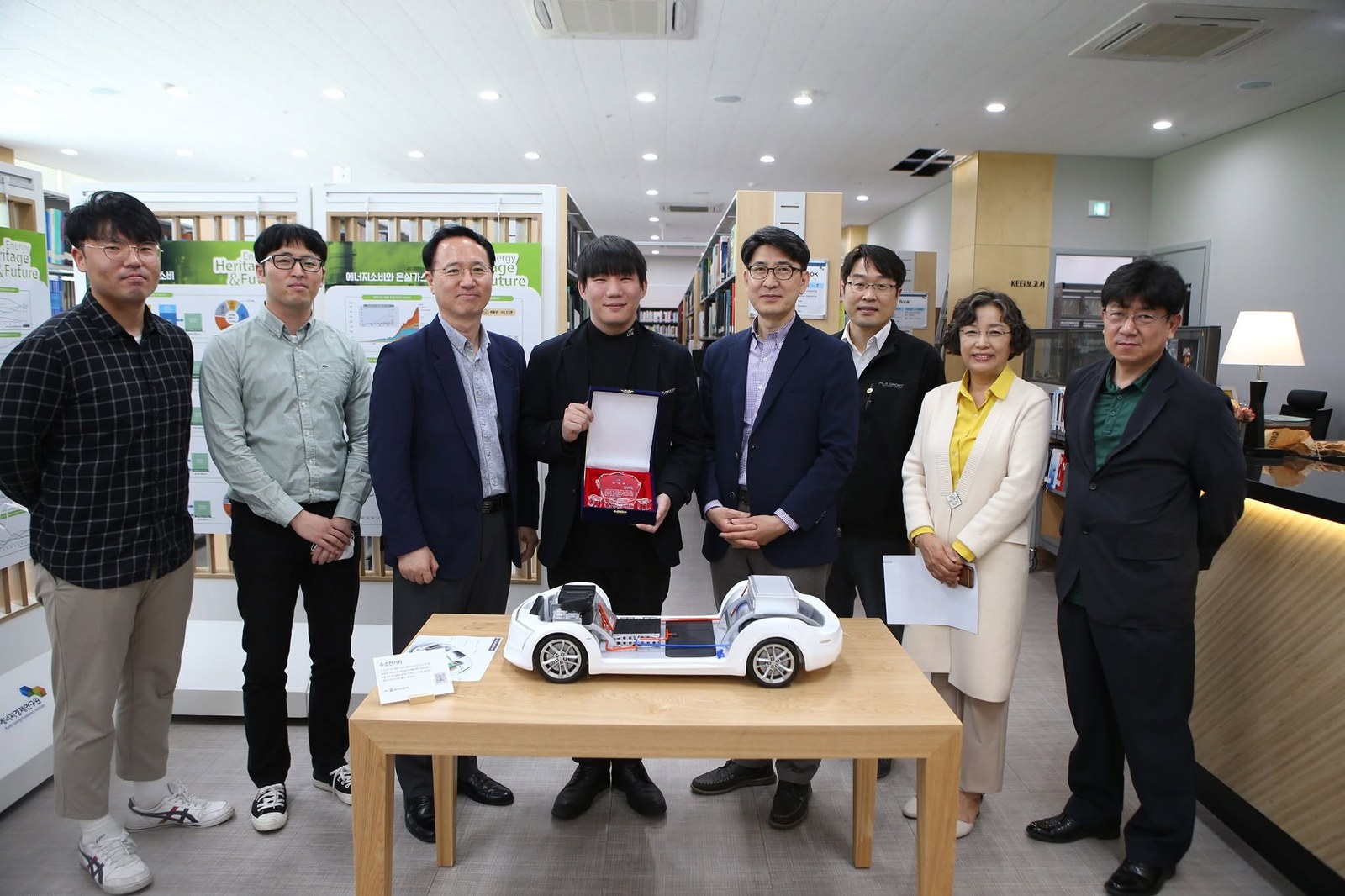
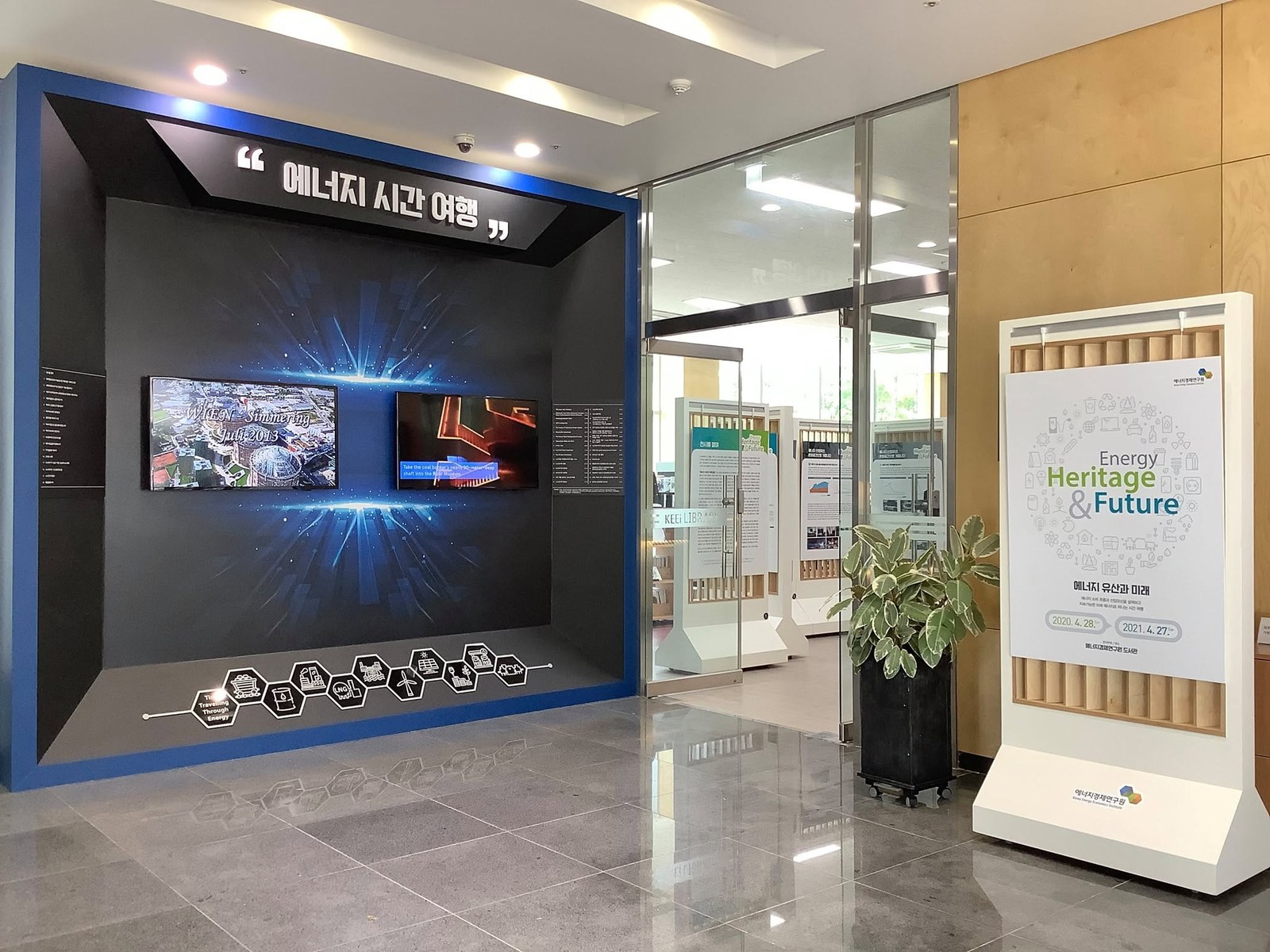
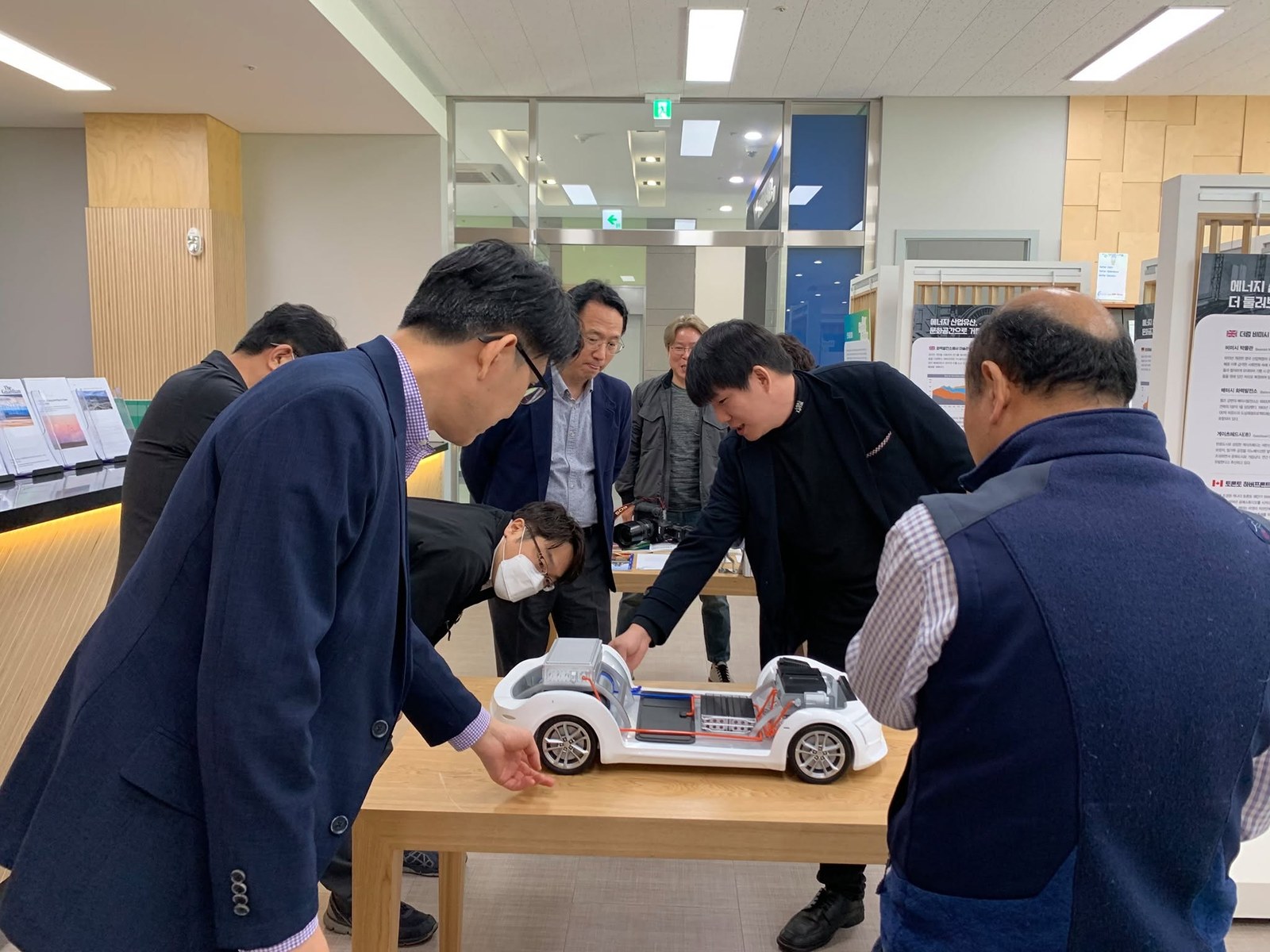
In 2020, Hyundai Motor Company entrusted us with a highly specialised project: creating a museum-grade physical prototype for the Korea Energy Economics Institute (KEEI), a government-affiliated research agency. The completed model serves as a central piece within the institute’s Energy Heritage & Future exhibition space.
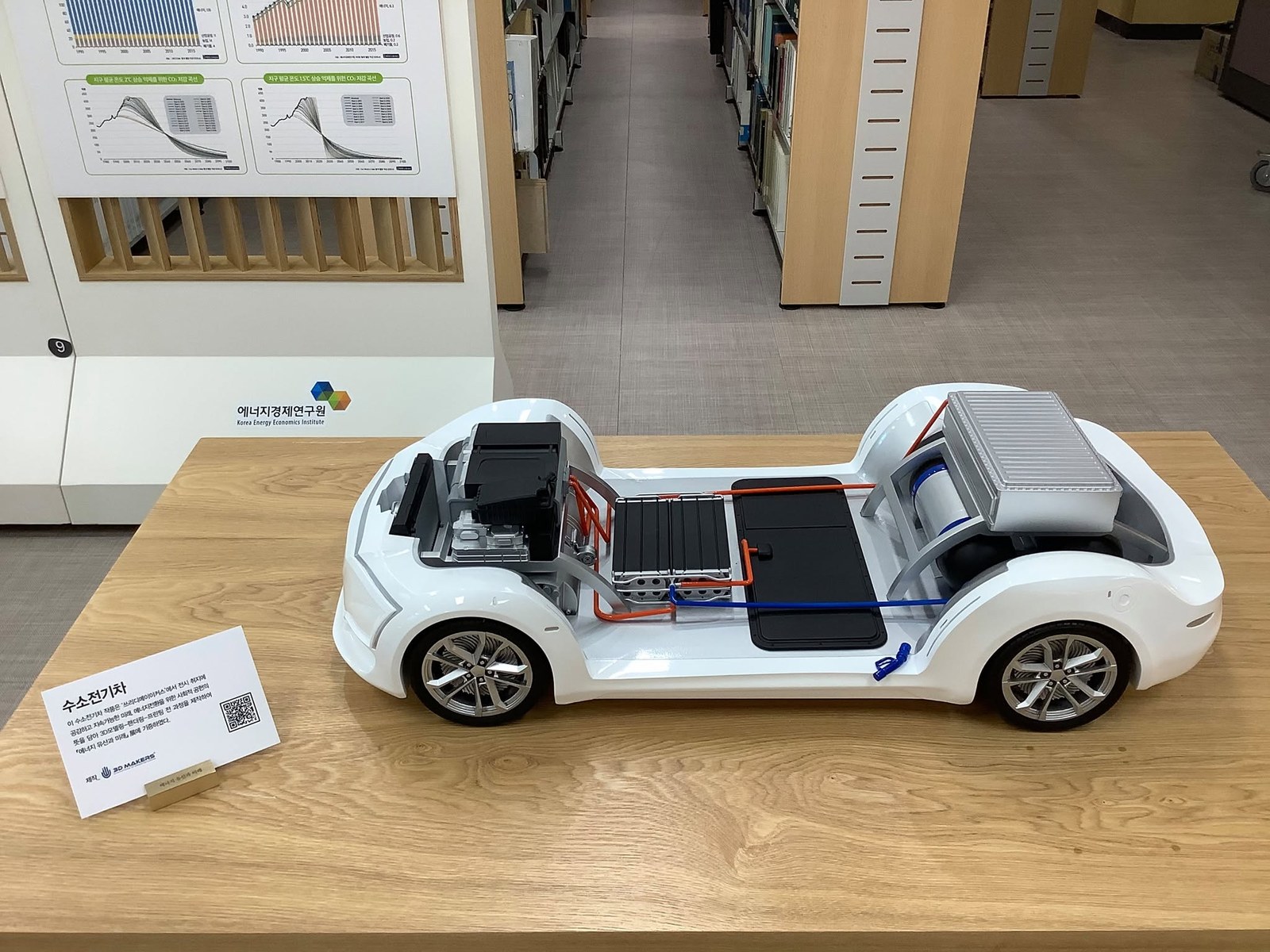
The cutaway chassis model was designed to be an accessible, interactive educational tool, allowing government officials, academic researchers and the general public to visually and physically understand the complex architecture of a Hydrogen Fuel Cell Electric Vehicle (FCEV) — specifically its electric drivetrain, fuel cell stacks, battery packs and high-voltage systems.
Project Snapshot
| Client | Korea Energy Economics Institute (KEEI), coordinated by Hyundai Motor Company |
|---|---|
| Industry | Automotive / government exhibition |
| Processes | rapid prototyping, hidden-fastener hand assembly, multi-stage automotive painting |
| Quantity | One interactive cutaway chassis model built from 50+ unique components |
| Key Results | Zero on-site modification, drilling or adjustment required on delivery; permanent national exhibition display |
Uncompromising Craftsmanship: Fabricating 50+ Precision Components
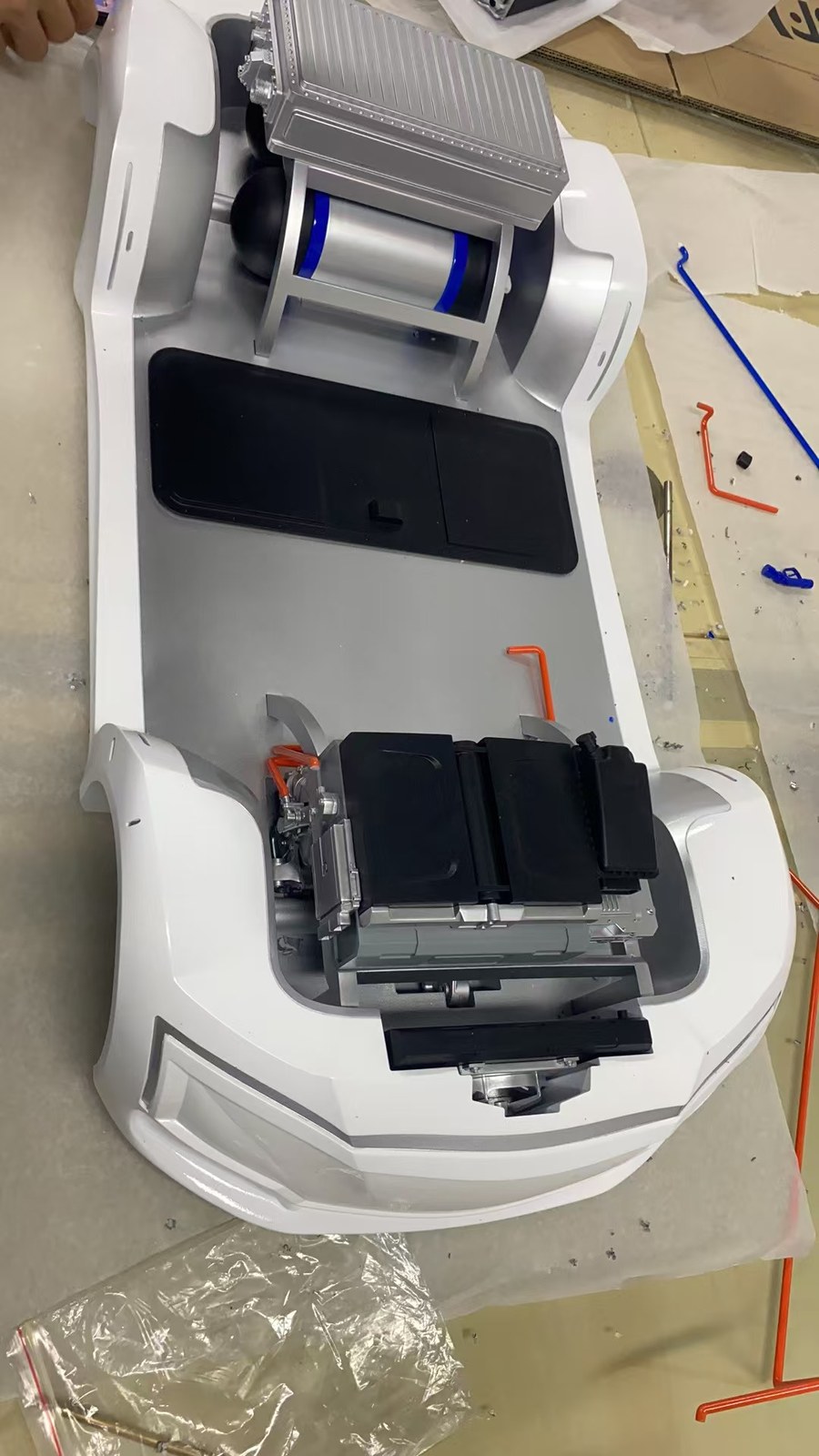
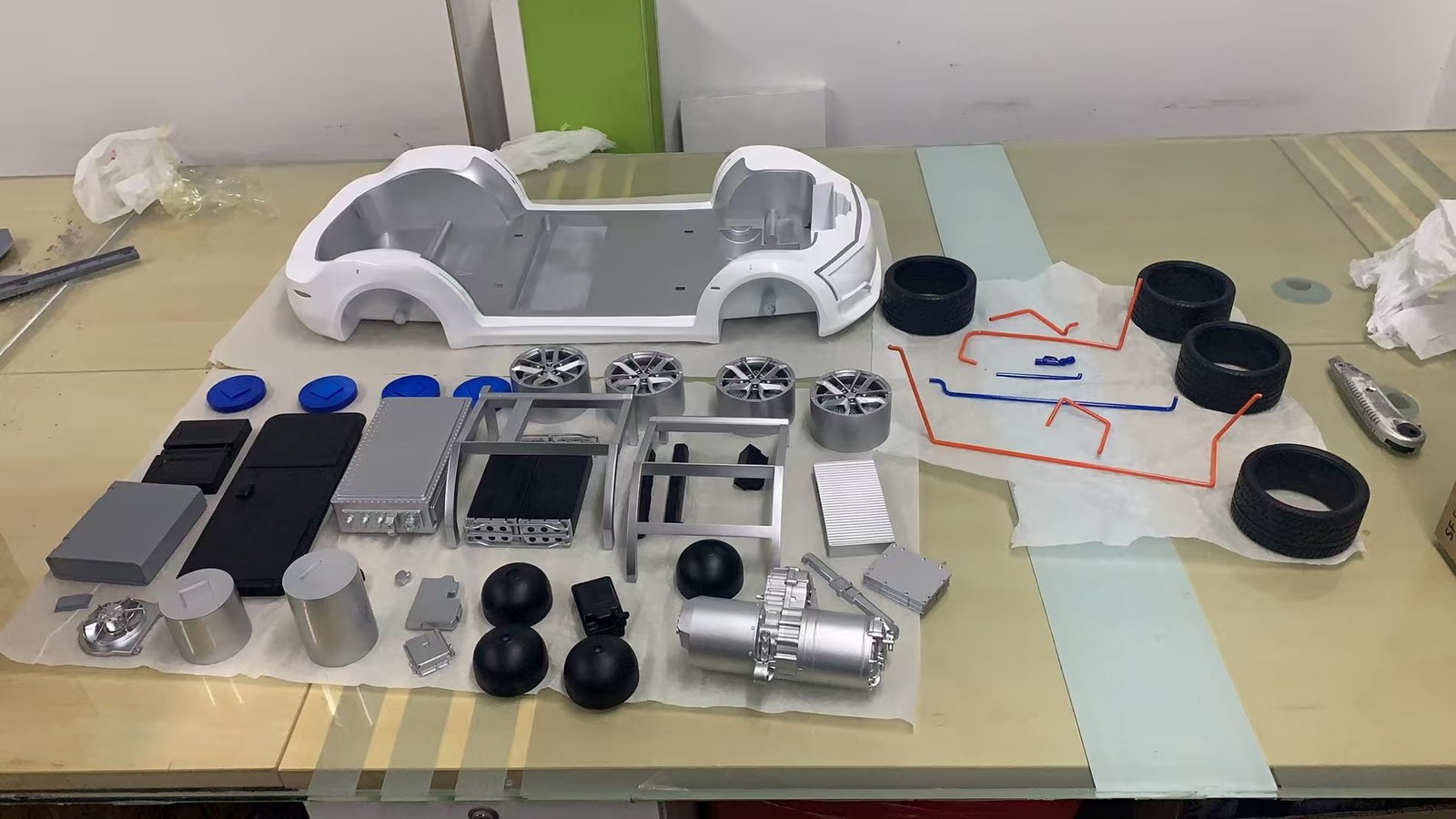
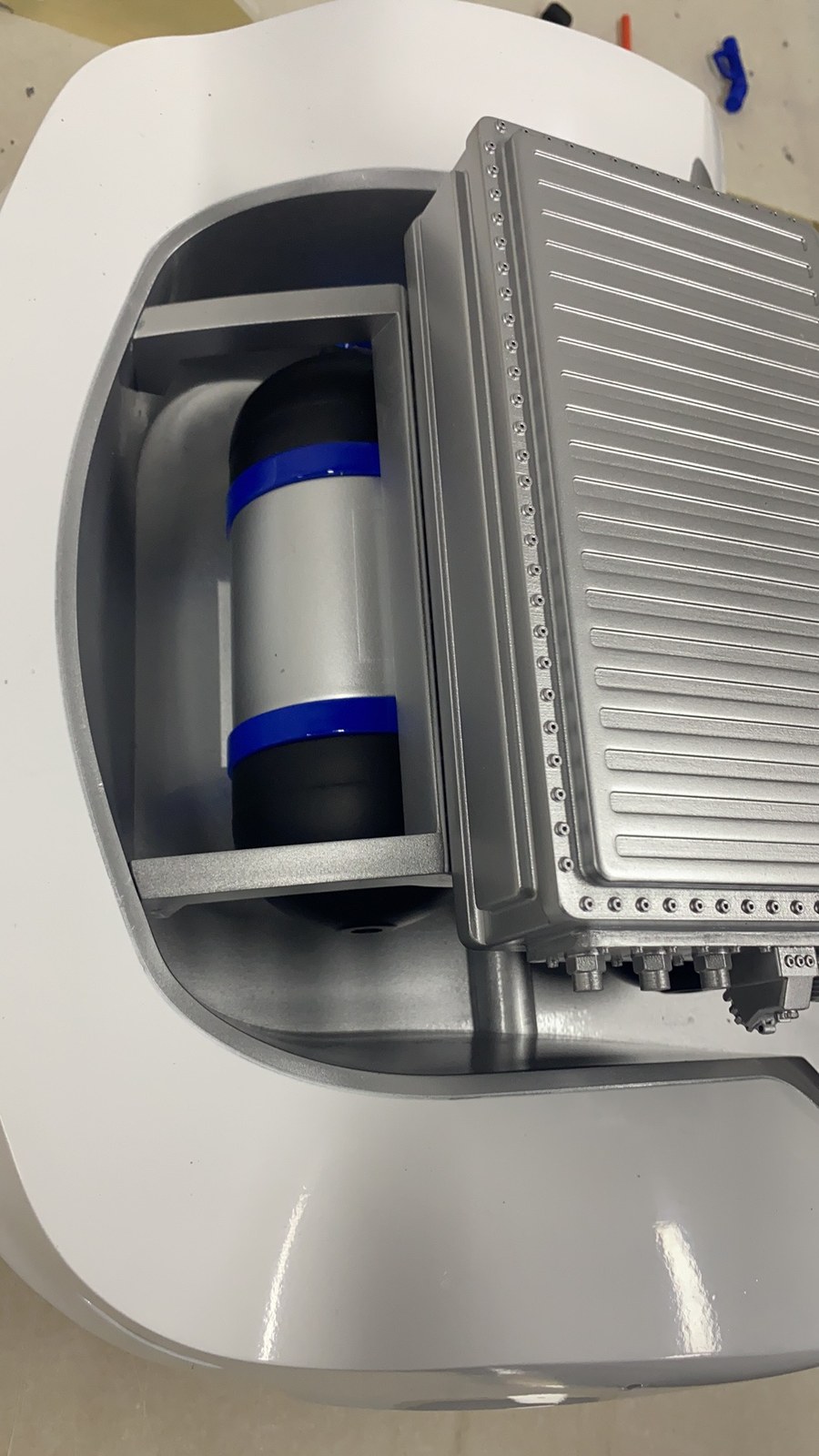
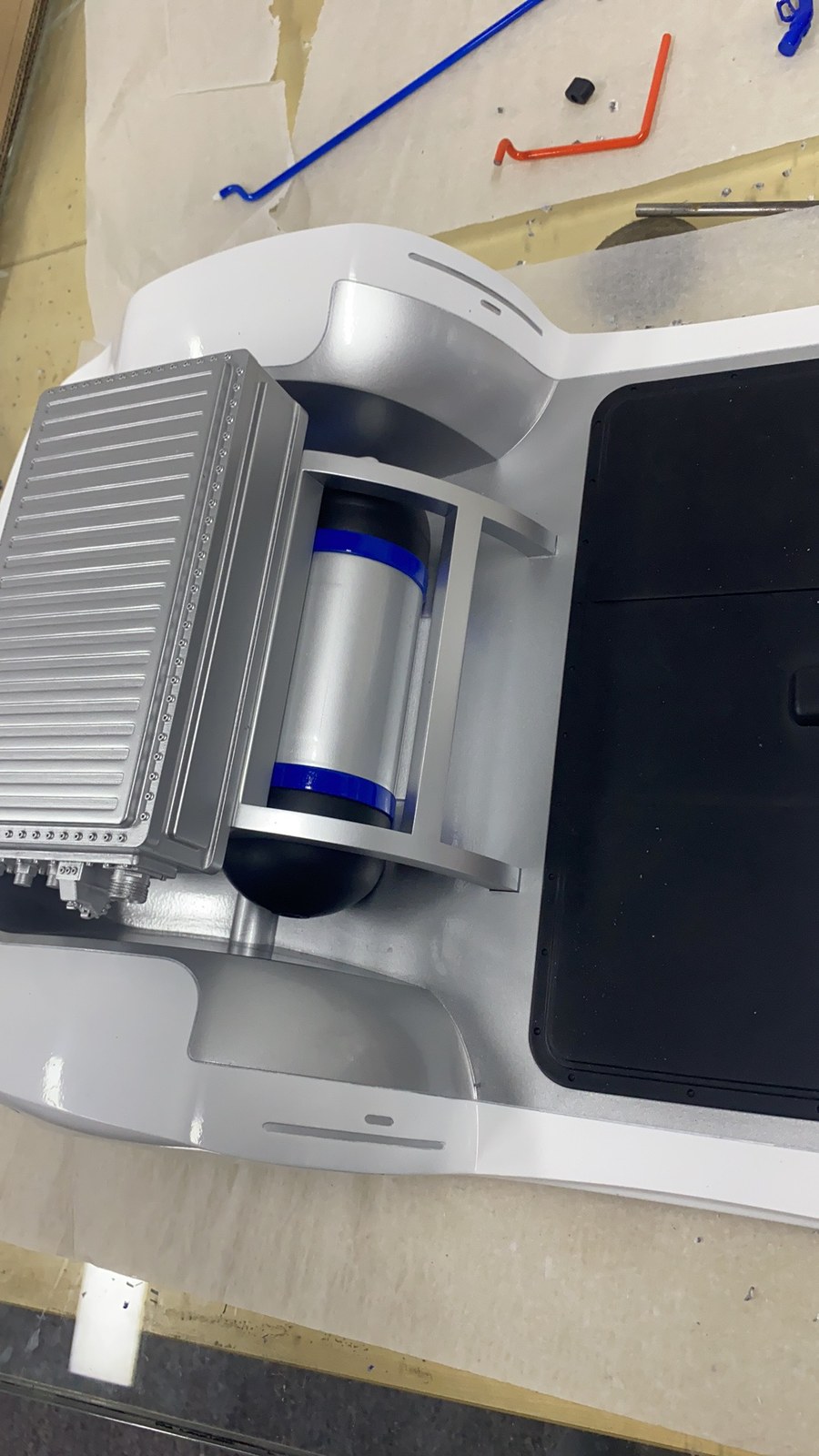
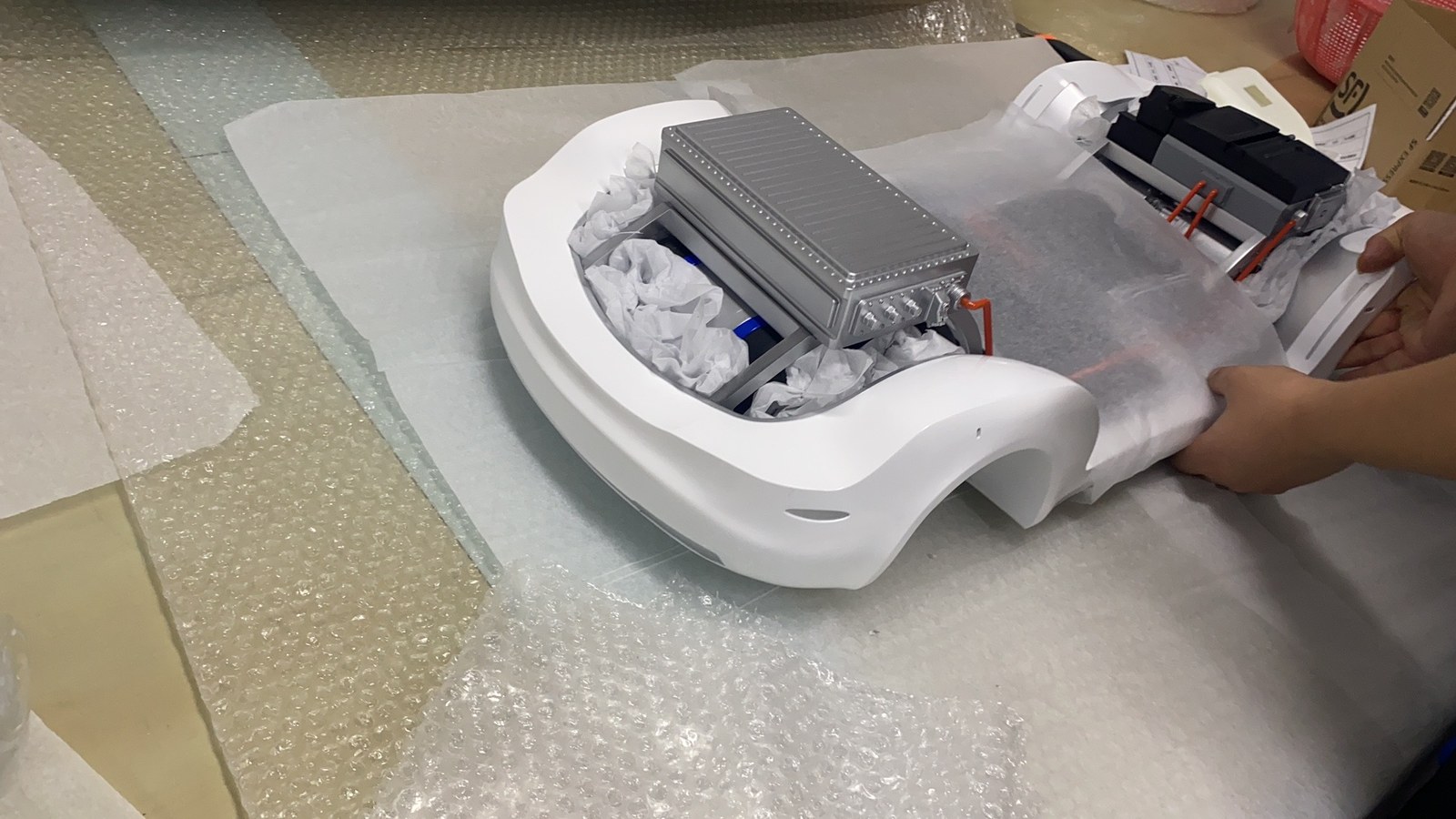
This project demanded exceptional engineering precision. To ensure the model met the high aesthetic and functional standards of both Hyundai Motor and the KEEI, we adopted a strictly controlled manufacturing process. We produced over 50 unique, individual components, including the aerodynamic exterior shell, front and rear suspension sub-frames, drive motor, power inverter, high-voltage battery enclosure and the fuel cell stack.
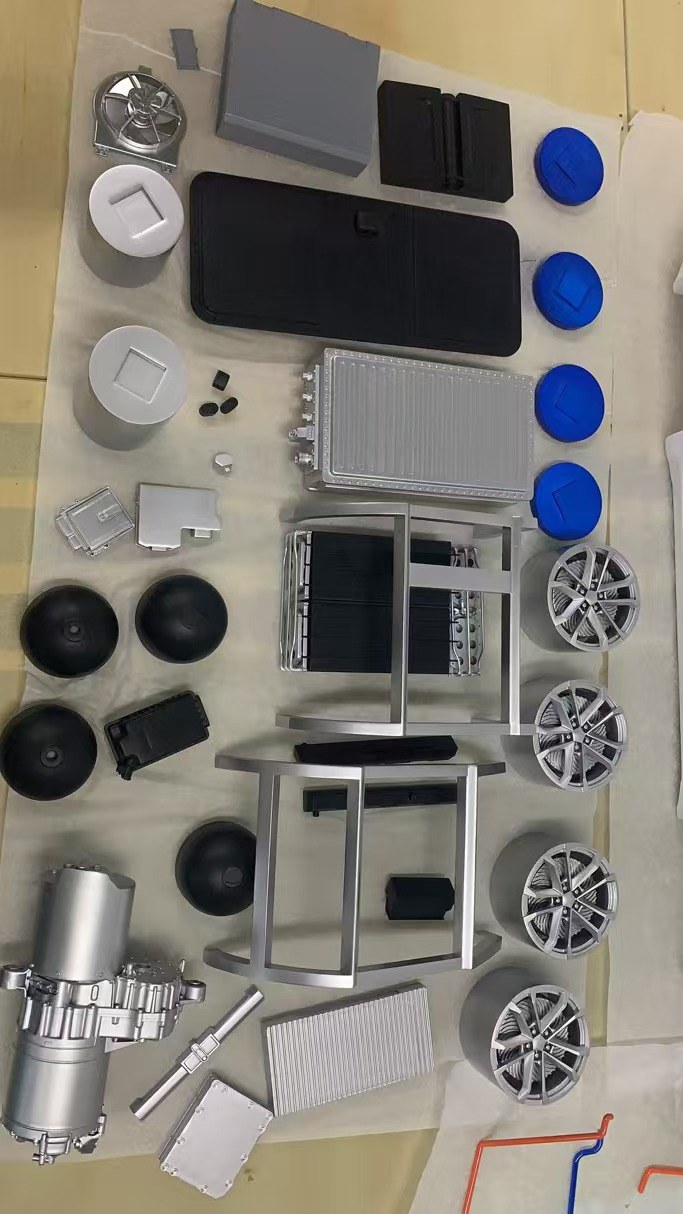
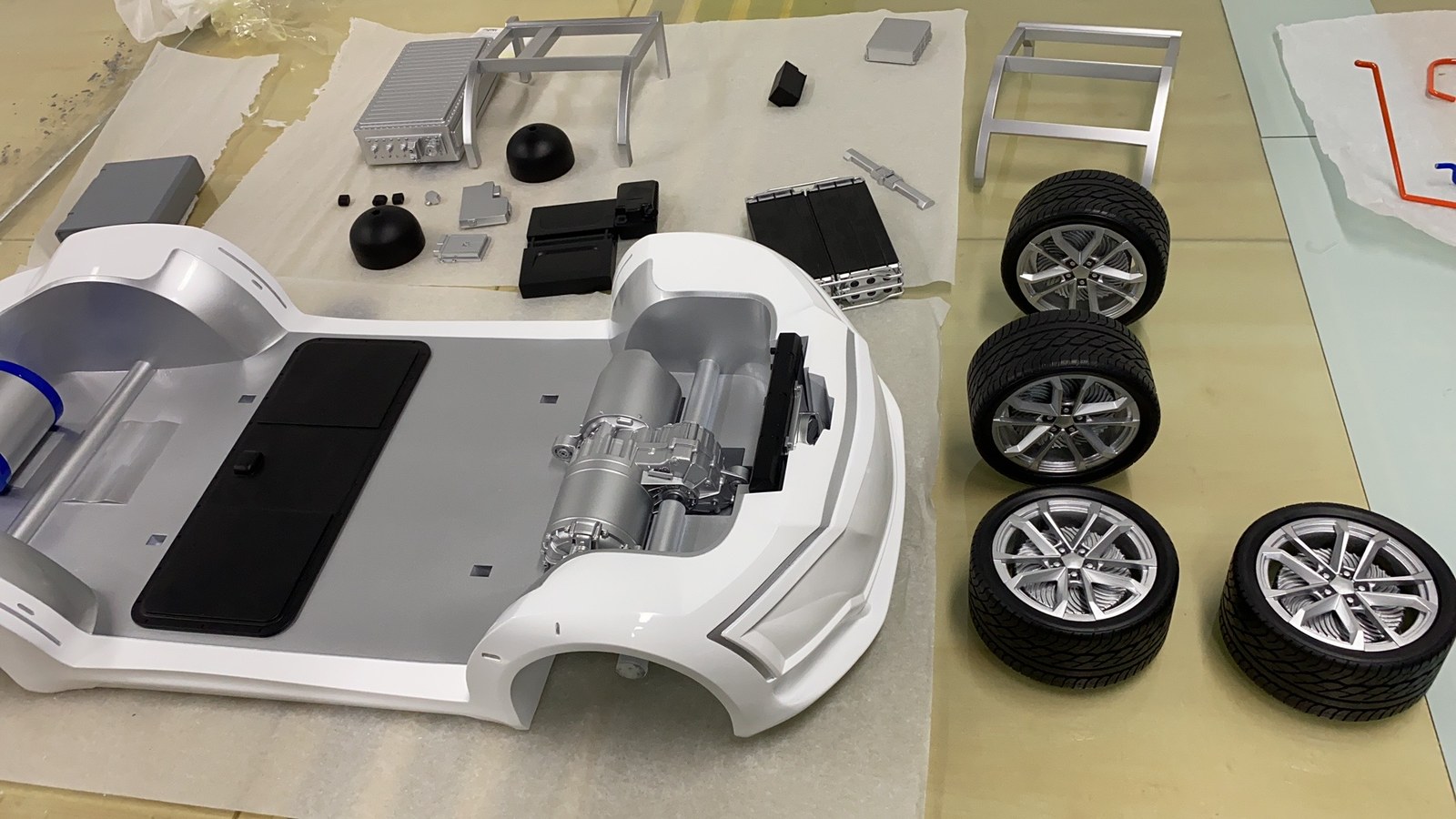
Each component was meticulously joined by our senior technicians. We deliberately avoided relying on basic glues. Instead, we engineered advanced snap-fit mechanisms, interlocking brackets and hidden internal screw paths. This guaranteed a structurally rigid model with a flawless exterior, completely free of exposed or visible fasteners.
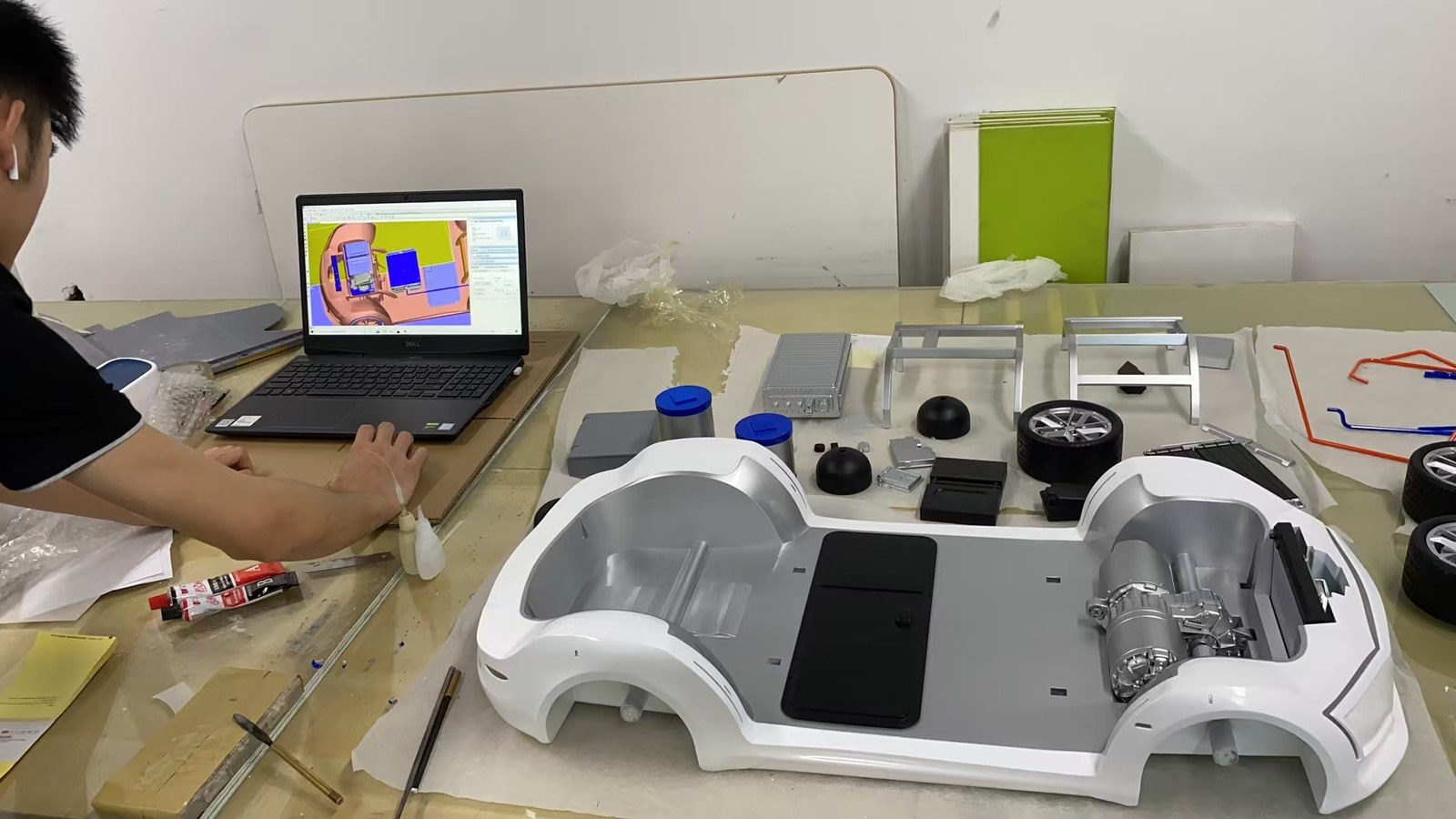
Multi-Layer Automotive Finishing and Technical Colour Coding
To simulate real-world automotive engineering and enhance educational clarity, we applied a professional, multi-stage painting process. The sleek outer vehicle shell was coated with a high-gloss, automotive-grade white paint. This not only matched the minimalist aesthetics of the exhibition centre’s wooden desks but is also highly resistant to yellowing and scratches, ensuring longevity in a high-traffic public environment.
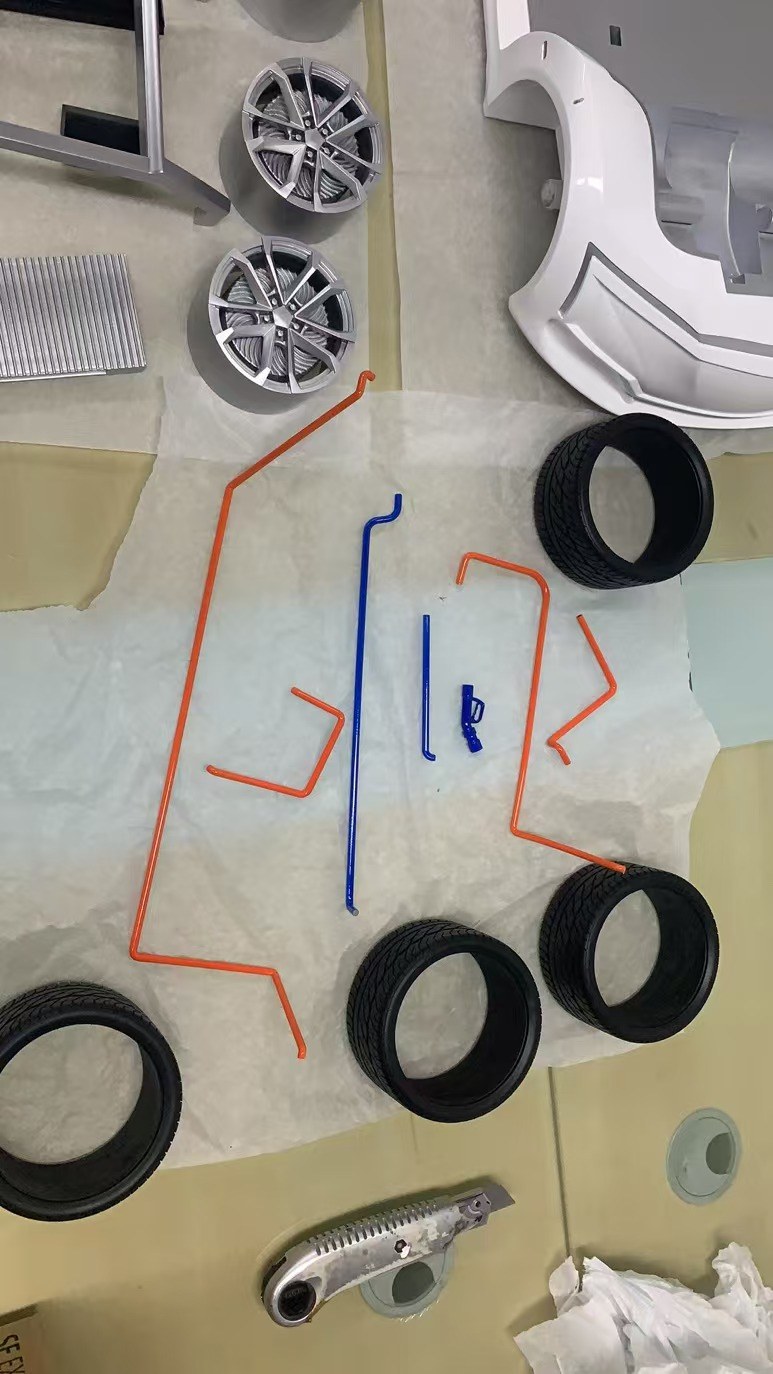
The internal electronic and mechanical components were finished in metallic matte silver and black to replicate industrial hardware. We then employed precision masking techniques to paint the internal pipelines in bright industrial blue, representing hydrogen and cooling lines, and high-voltage orange for electrical cabling. This high-contrast colour coding is critical for the educational display, allowing visitors to instantly distinguish the FCEV’s energy flow paths.
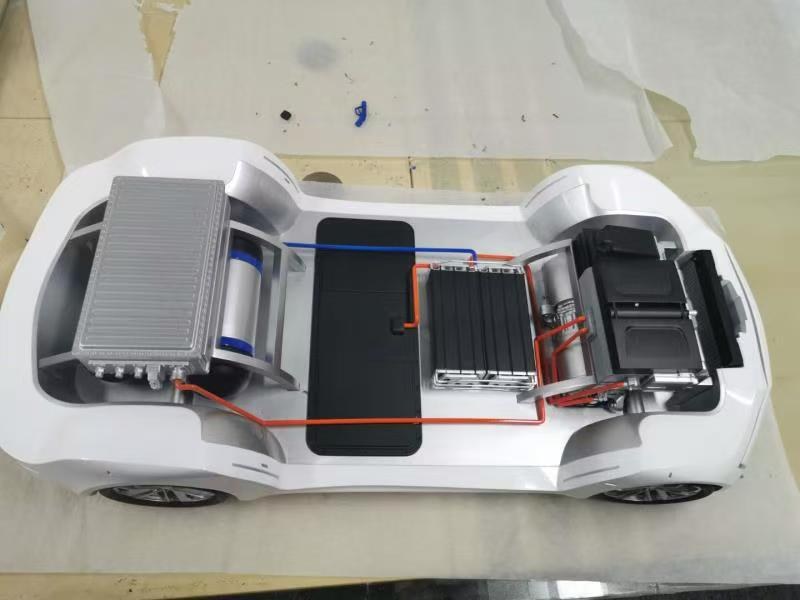
Functional Mechanical Interactivity
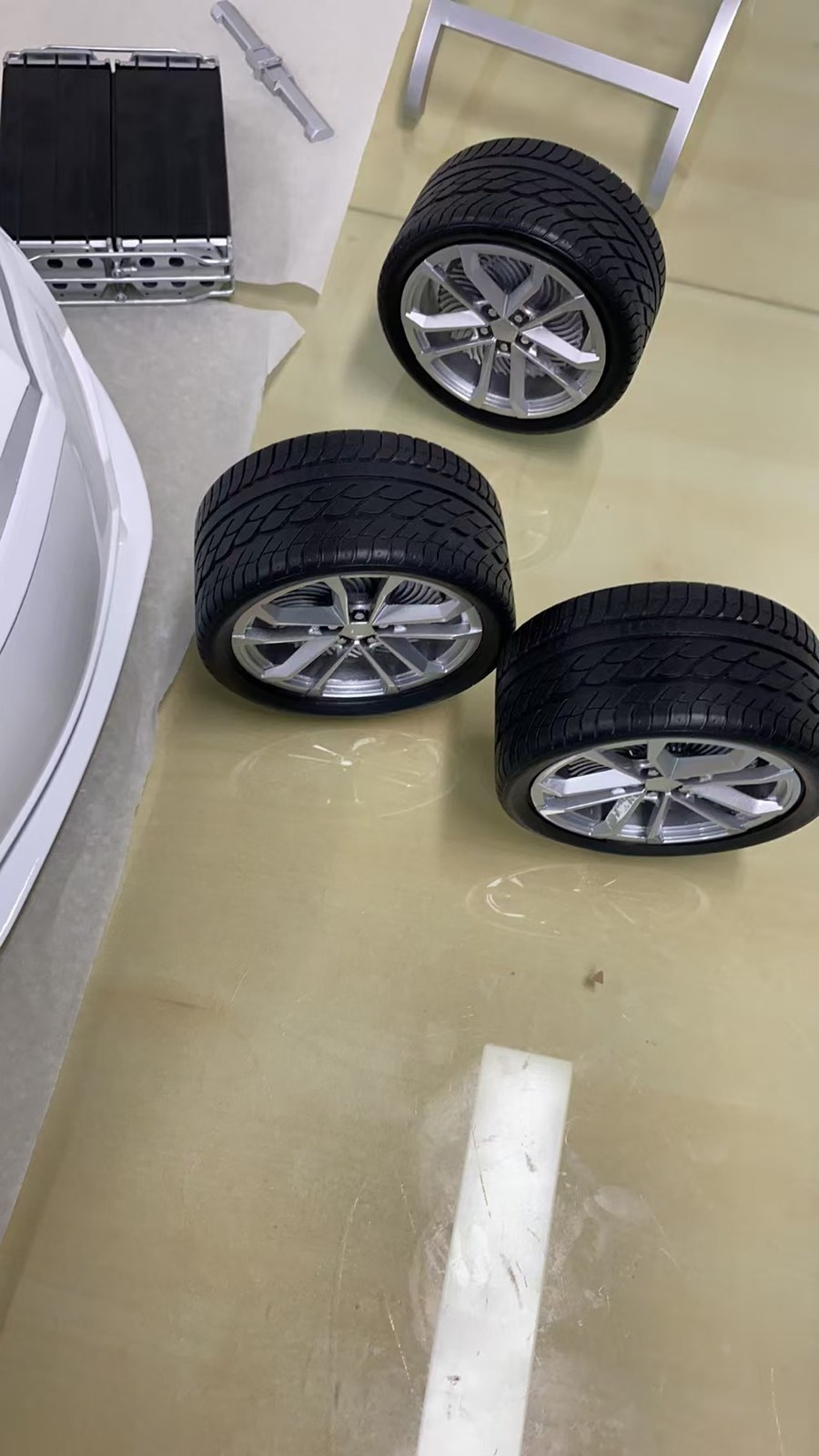
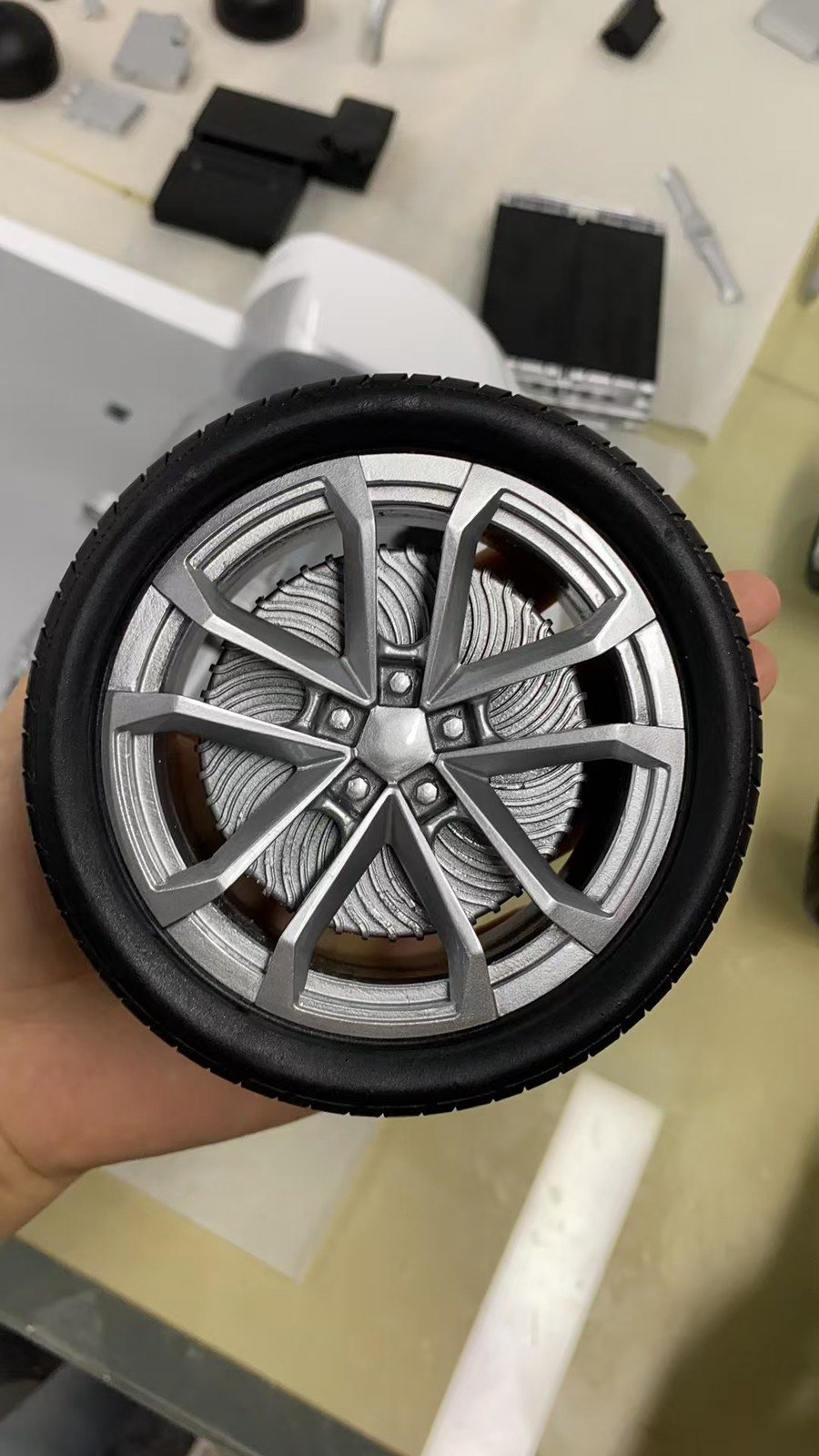
To ensure the model wasn’t just a static sculpture, we integrated functional mechanics to invite tactile engagement. We embedded custom-made bearing mechanisms within the wheel hubs and suspension linkages, allowing the wheels to rotate freely and smoothly. Exhibition staff can glide the model across the wooden display tables and visitors can physically interact with the model’s mobility.
On-Site Deployment and Plug-and-Play Delivery
Upon completion, the fully assembled model was delivered directly to Hyundai Motor Company and seamlessly transferred to the KEEI exhibition centre. Our strict quality control and turnkey assembly ensured that the model required absolutely zero on-site modifications, drilling or final adjustments — it was ready for public display the moment it was placed on the table.
An Enduring Partnership with South Korea’s Industrial Leaders
This government-level exhibition project highlights our core strengths in rapid prototyping and small-batch precision manufacturing, and it is one of many collaborations. We have long been a trusted engineering and prototype partner for Hyundai Motor Company, delivering complex automotive prototypes, display models and engineering test parts across a multi-year strategic partnership; for Kia Motors, providing advanced structural mock-ups, aesthetic presentation models and functional components; and for LG Group, manufacturing high-precision technical prototypes, electronic enclosures and complex electro-mechanical assemblies. We also frequently serve as a technical support and high-capacity production overflow partner for Korean prototyping workshops, assisting with intricate painting, multi-material assembly and surface plating processes that exceed their in-house capabilities.
Start Your Project
Send us your drawings or 3D files and our engineers will come back with a manufacturing plan, a lead time and a quote. From a single validation prototype to a small-batch production run, we handle the whole process in house.
Related projects