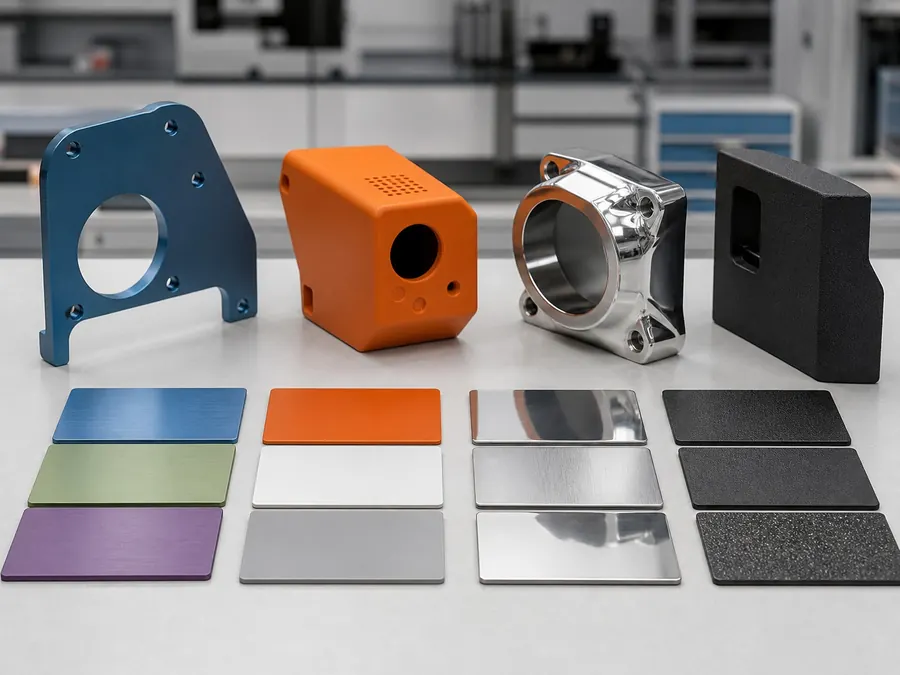
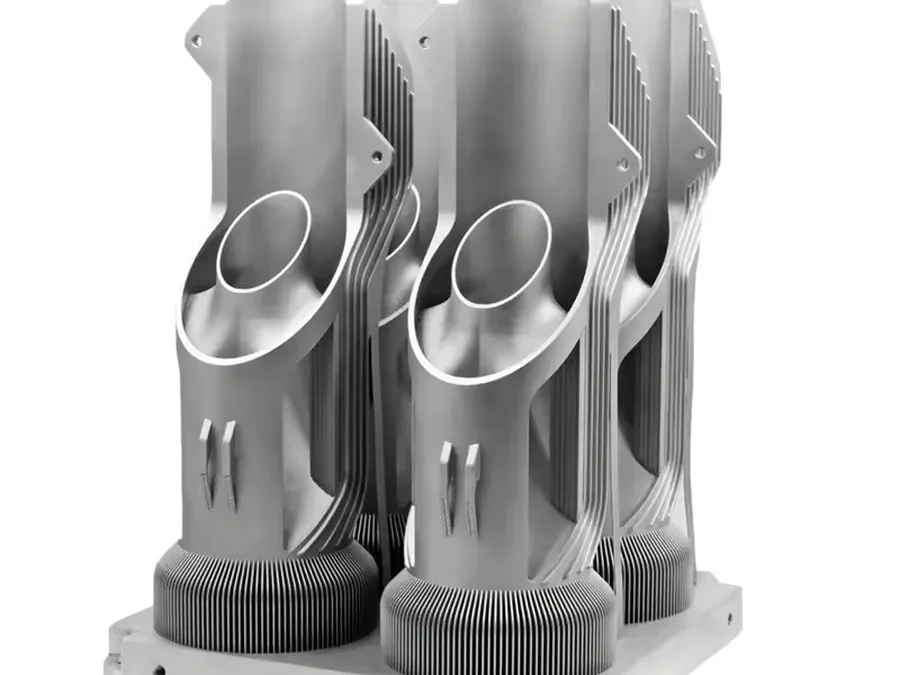
For 10-100 prototype parts, the best manufacturing process depends on material, geometry, tolerance, surface finish and what the parts must prove. As a starting rule, choose 3D printing for fast complex prototypes, computer numerical control (CNC) machining for stronger and more precise parts, vacuum casting for plastic-like housings and small batches, sheet metal for formed metal parts, and injection molding only when tooling makes sense for the validation plan.
Jingrui Proto supports this prototype-to-low-volume decision with rapid prototyping services in China, free design for manufacturability (DFM) feedback and integrated manufacturing across CNC machining, 3D printing, vacuum casting, sheet metal, injection molding, finishing and assembly.
Quick Process Selection Table
| Process |
Best fit for 10-100 parts |
Watchouts |
| 3D printing |
Complex geometry, fast iteration, nylon or resin prototypes |
Surface finish, material limits and tolerance expectations vary by process. |
| CNC machining |
Metal or engineering plastic parts with tighter dimensions |
Cost can rise for complex geometry and many setups. |
| Vacuum casting |
Plastic-like housings, covers and pilot samples |
Silicone mold life and resin match must be confirmed. |
| Sheet metal |
Brackets, covers, panels and formed metal prototypes |
Bend radius, flat pattern and finish need DFM review. |
| Injection molding |
Validation parts that must use molded resin and tooling logic |
Tooling cost and lead time may not be justified for every 10-100 part project. |
Start With What the Parts Must Prove
A 10-100 part order can mean very different things:
- Engineering validation parts
- Sales demonstration samples
- Pilot user testing units
- Assembly verification parts
- Certification or lab-test samples
- Early low-volume production support
If the parts only need to prove shape and fit, 3D printing may be enough. If they need to survive functional loading, CNC machining or nylon powder-bed 3D printing may be better. If they need plastic-like appearance before tooling, vacuum casting may be the practical choice.
When to Choose 3D Printing
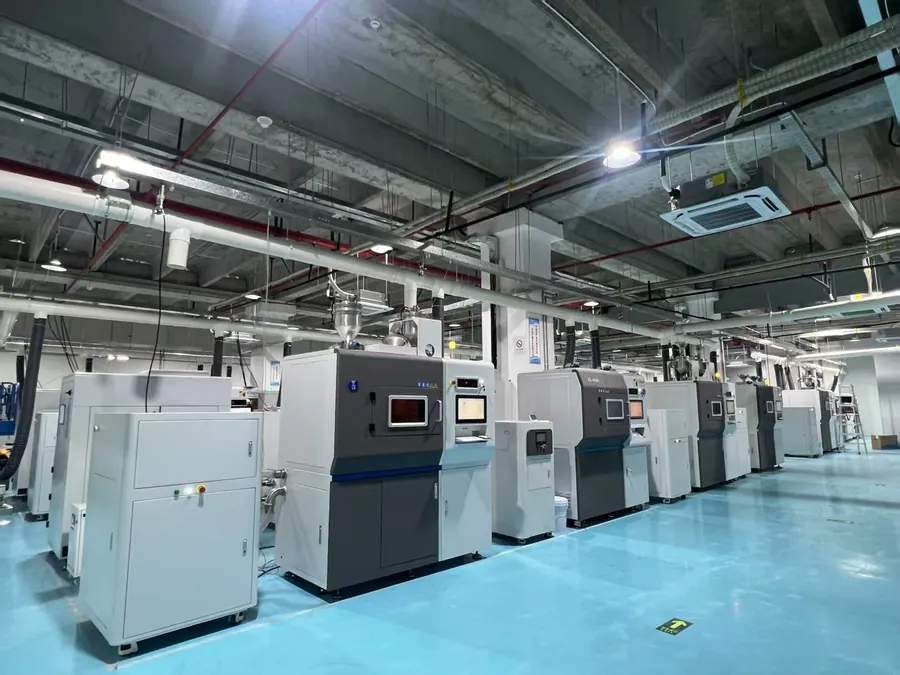
Choose 3D printing when the design is still changing or the geometry is difficult to machine. Stereolithography (SLA) can be useful for appearance models. Selective laser sintering (SLS) and multi jet fusion (MJF) can support functional nylon parts. Selective laser melting (SLM) can support complex metal prototypes.
3D printing is often strong for:
- Complex housings
- Ducts and channels
- Nylon clips and brackets
- Lightweight structures
- Fast iteration before committing to tooling
When to Choose CNC Machining
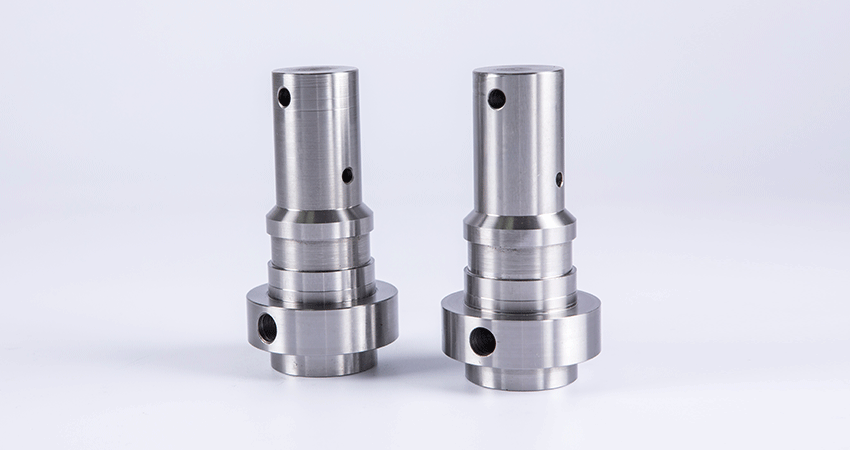
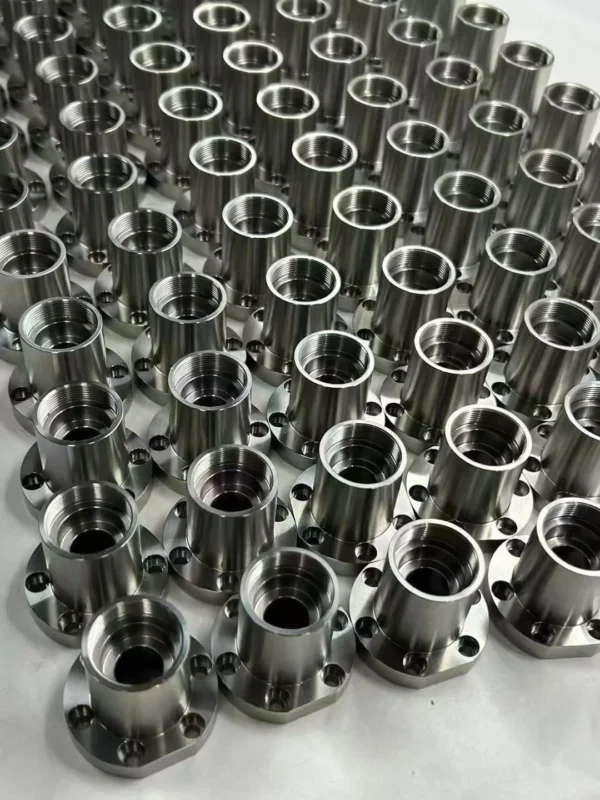
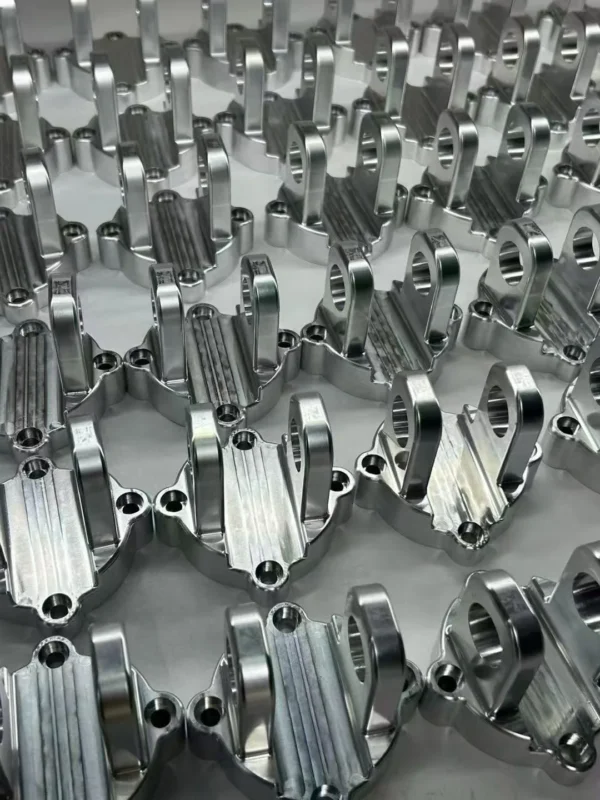
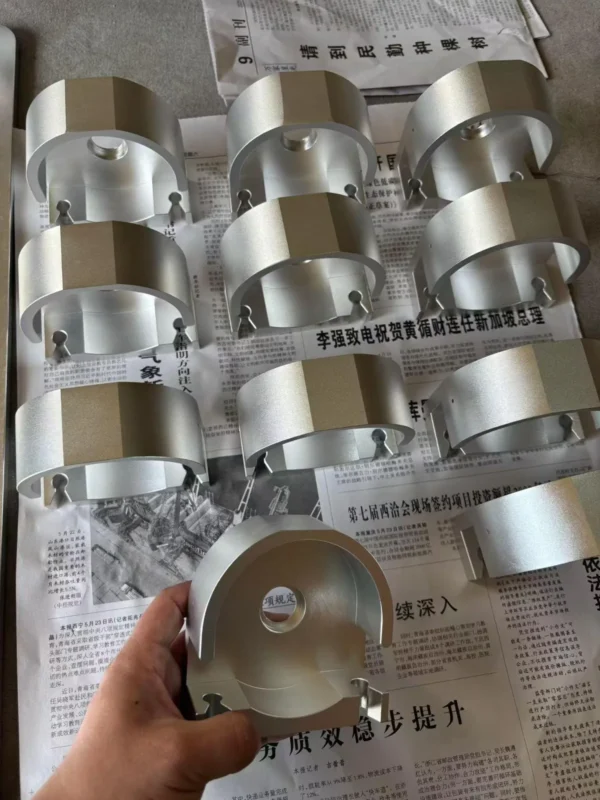
Choose CNC machining when the parts require final-like metal or engineering plastic, tighter dimensions, threads, bores, flatness or better material performance than printed samples.
CNC machining is often strong for:
- Aluminum prototypes
- Stainless steel parts
- Engineering plastic components
- Precision brackets
- Functional test fixtures
- Low-volume machined parts
For 10-100 pieces, CNC may be the best route if tooling would add cost without reducing project risk.
When to Choose Vacuum Casting
Vacuum casting is often one of the best choices for 10-100 plastic-like prototype parts. A master pattern is used to make a silicone mold, then polyurethane parts are cast for appearance, handling and assembly tests.
Vacuum casting is useful for:
- Consumer product housings
- Medical device enclosures
- Handheld shells
- Transparent parts
- Soft-touch or rubber-like components
- Pilot samples before injection molding
It can be more appropriate than direct 3D printing when surface finish, repeated copies and plastic-like feel matter.
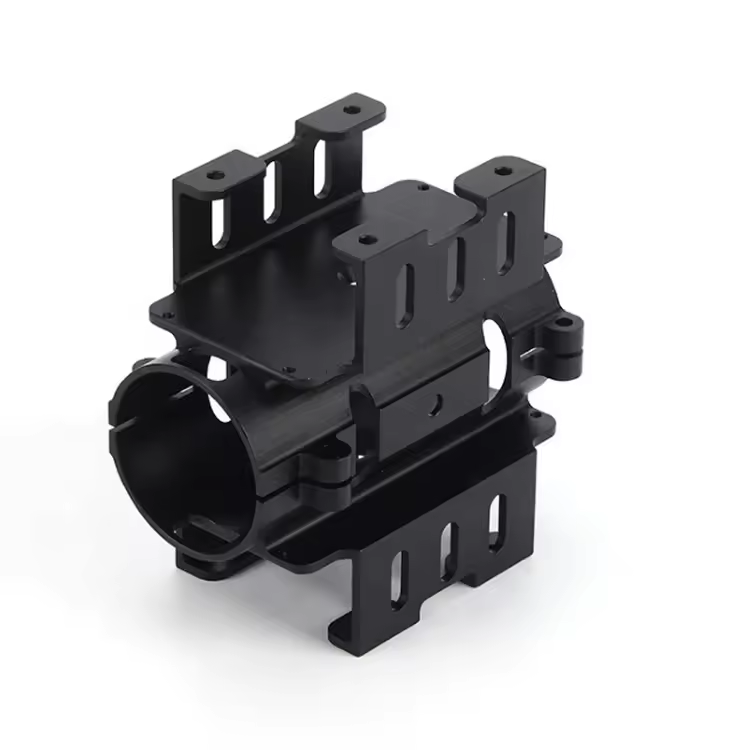
When to Choose Sheet Metal
Sheet metal is suitable when the design is a formed metal part rather than a machined block or printed geometry. For 10-100 pieces, it can be practical for:
- Equipment panels
- Mounting brackets
- Covers
- Enclosures
- Prototype frames
Confirm bend radius, material thickness, hardware, finish and assembly tolerances before ordering.
When to Consider Injection Molding
Injection molding should be considered carefully for 10-100 prototype parts. It may be justified when the team must test molded resin, gating, texture, clips, living hinges or certification-relevant material behavior. It may be unnecessary when the goal is only early fit or appearance validation.
For many product development teams, the better path is:
Prototype -> Engineering Validation -> Low-Volume Production
Jingrui Proto supports this transition without positioning every 10-100 part project as mass production.
Why One Manufacturing Partner Helps
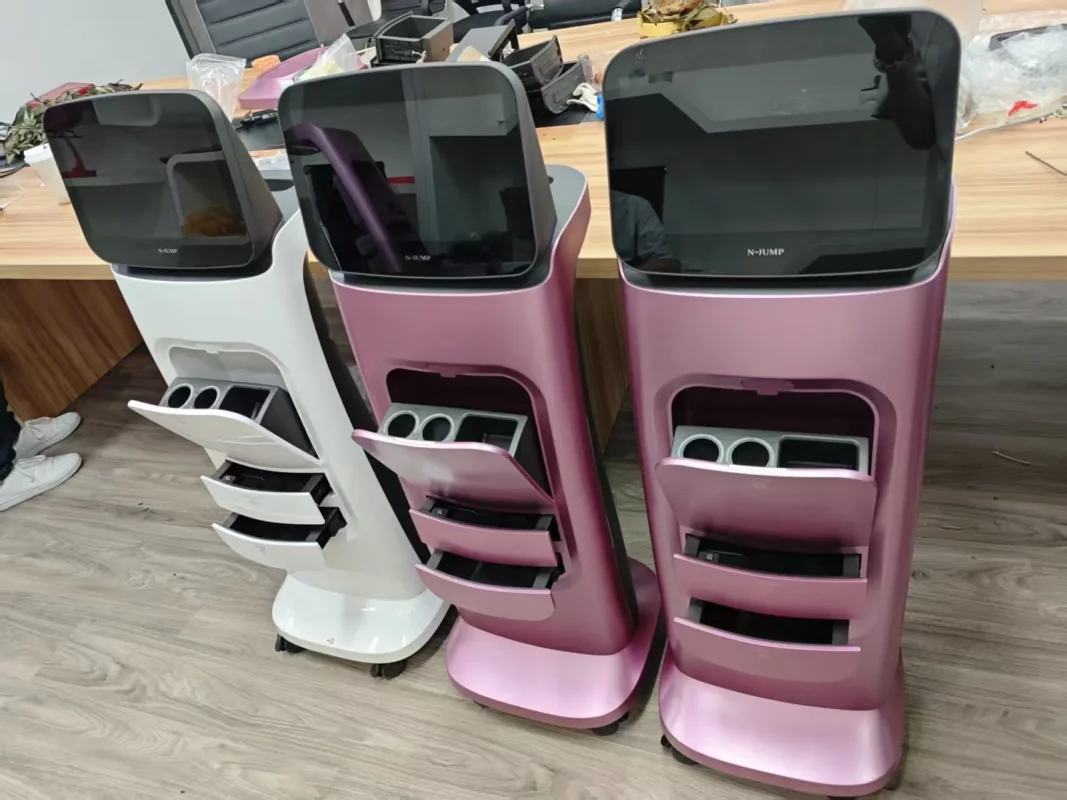
A 10-100 part project often changes after DFM review. A nylon MJF part may need CNC inserts. A vacuum cast housing may need machined metal brackets. A sheet metal cover may need painting and assembly. Working with a single manufacturing partner can reduce supplier coordination and keep process choice connected to the product development goal.
Jingrui Proto provides rapid prototyping services in China and low-volume manufacturing support for overseas engineering teams. The workflow can include CAD review, DFM feedback, prototype manufacturing, surface finishing, assembly and flexible low-volume production support.
Useful internal links:
Conclusion
For 10-100 prototype parts, there is no universal best process. Choose by the risk your team needs to reduce: geometry, material, tolerance, appearance, assembly, testing or pilot quantity. Jingrui Proto can review your CAD files and recommend whether 3D printing, CNC machining, vacuum casting, sheet metal, injection molding or a combined route is the best fit before quotation.
Prototype to Low-Volume Production Decision Framework
Moving from prototype manufacturing to low-volume production is not only a quantity decision. Buyers should change process when the project needs stronger material behavior, repeatable dimensions, production-like finishing, pilot assembly, customer trials or tooling validation.
| Project Stage |
Main Question |
Likely Manufacturing Route |
| Prototype stage |
Does the design fit, assemble and communicate the idea? |
SLA, SLS, MJF, FDM, CNC or sheet metal depending on geometry and material. |
| Engineering validation |
Does the part meet functional, tolerance and test needs? |
CNC machining, functional nylon printing, metal printing plus CNC finishing, or inspection-backed samples. |
| Bridge production |
Can the team build repeated samples before final tooling? |
Vacuum casting, CNC low-volume machining, sheet metal fabrication, finishing and assembly. |
| Low-volume production |
Is the design stable enough for repeatable output? |
CNC, injection molding, die casting or mixed-process production after DFM review. |
Common sourcing mistakes include asking separate suppliers to quote disconnected steps, choosing injection tooling before the design is stable, using 3D printed samples for tests that require final material behavior, and sending RFQs without quantity, finish, tolerance or inspection requirements. A stronger RFQ includes CAD files, 2D drawings for critical dimensions, material targets, quantity, visible surfaces, finish expectations, inserts, assembly notes and test purpose.
Related resources: low-volume manufacturing, one-stop prototyping services, CNC machining, 3D printing service, vacuum casting, injection molding, and case studies.
See the Process Choices in Real Projects
Three projects show how quantity and validation goals change the route: vacuum casting for medical wearable housings, multi-process manufacturing for 30 robot sets, and CNC prototypes followed by an industrial pilot build. Each case links back to the relevant service path for RFQ planning.