
SLA Motorcycle Concept Model: Drawing Optimization, Painting and Assembly
Jingrui Proto manufactured and delivered a motorcycle concept presentation model through drawing optimization, SLA 3D printing, fine sanding, primer spraying, painting, hand painting and assembly. The project combined digital preparation with physical model production and appearance finishing. The owner has confirmed both the manufacturing scope and completed delivery.
Before delivery, the work was compared with customer drawings and reviewed for surface details. Photographs and video were sent to the customer for confirmation, followed by vacuum packaging for protection against contact and knocks. These are the confirmed review and packing activities; the case does not claim a working motorcycle or vehicle-performance testing.
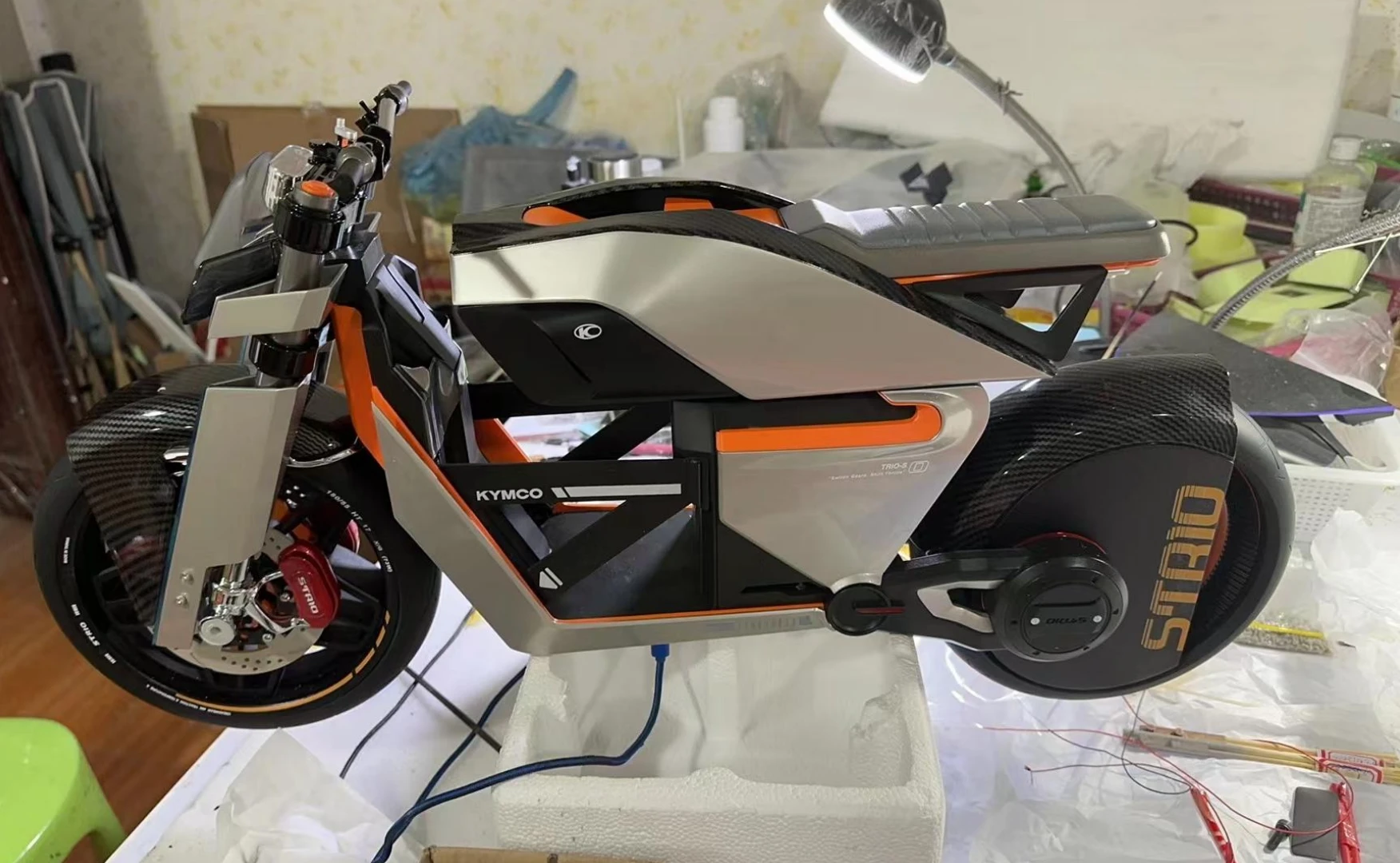
What Was Delivered in the Motorcycle Concept Model Project?
Jingrui Proto delivered a physical motorcycle concept model, with the confirmed scope extending from drawing optimization to SLA printing, finishing and assembly. The source photograph shows the physical model, while the separate digital board is retained as design-reference evidence.
| Project field | Confirmed information |
|---|---|
| Product | Motorcycle concept presentation model |
| Manufacturing partner | Jingrui Proto |
| Engineering preparation | Drawing optimization |
| Primary manufacturing | SLA 3D printing |
| Finishing | Fine sanding, primer spraying, painting and hand painting |
| Further scope | Assembly and completed delivery |
| Pre-delivery review | Drawing comparison, surface-detail review and customer photo/video confirmation |
| Packaging | Vacuum packaging for protection against contact and knocks |
The historical source note records one set and a seven-day project period. These figures describe the retained project note; they are not a standard quotation or delivery promise for another design. The note also lists silk-screen printing, but the article does not allocate that operation to individual details without a component-specific record.
How Did Drawing Optimization Support the Manufacturing Work?
Drawing optimization was part of Jingrui Proto’s confirmed engineering preparation before the model was manufactured. It connected the supplied design information with the subsequent printing, finishing and assembly scope.
The owner has not supplied a component-level account of the drawing changes. This case therefore does not invent a wall-thickness correction, split-line decision, tolerance adjustment or redesigned joint. The documented engineering contribution is the optimization activity itself, together with the actual manufacturing operations that followed.
For a similar presentation model, buyers should identify which shapes, visible surfaces and assembled relationships matter to the intended review. That gives a manufacturing team a meaningful brief. These are recommendations for a new RFQ rather than a claim that a particular unrecorded design change occurred in this order.
Which Manufacturing Processes Did Jingrui Proto Perform?
Jingrui Proto performed SLA printing, fine sanding, primer spraying, painting, hand painting and assembly after the drawing-optimization work. These operations are confirmed by the owner, rather than inferred from the model’s colors or shape.
The route included both primary part manufacture and visible-surface work. Printing alone did not describe the complete supplied state. Finishing and assembly were also part of producing the presentation model shown in the physical photograph.
The material is described at the supported process level as SLA resin. A resin grade, printer model, layer setting, paint chemistry, sanding-grit sequence or assembly adhesive is not established for publication. The article does not fill those gaps with typical values.
Buyers can review the SLA 3D Printing service and prototype manufacturing service, then define the actual appearance and supplied-state requirements for their own project. A different model may need a different process allocation even when it uses the same broad manufacturing technologies.
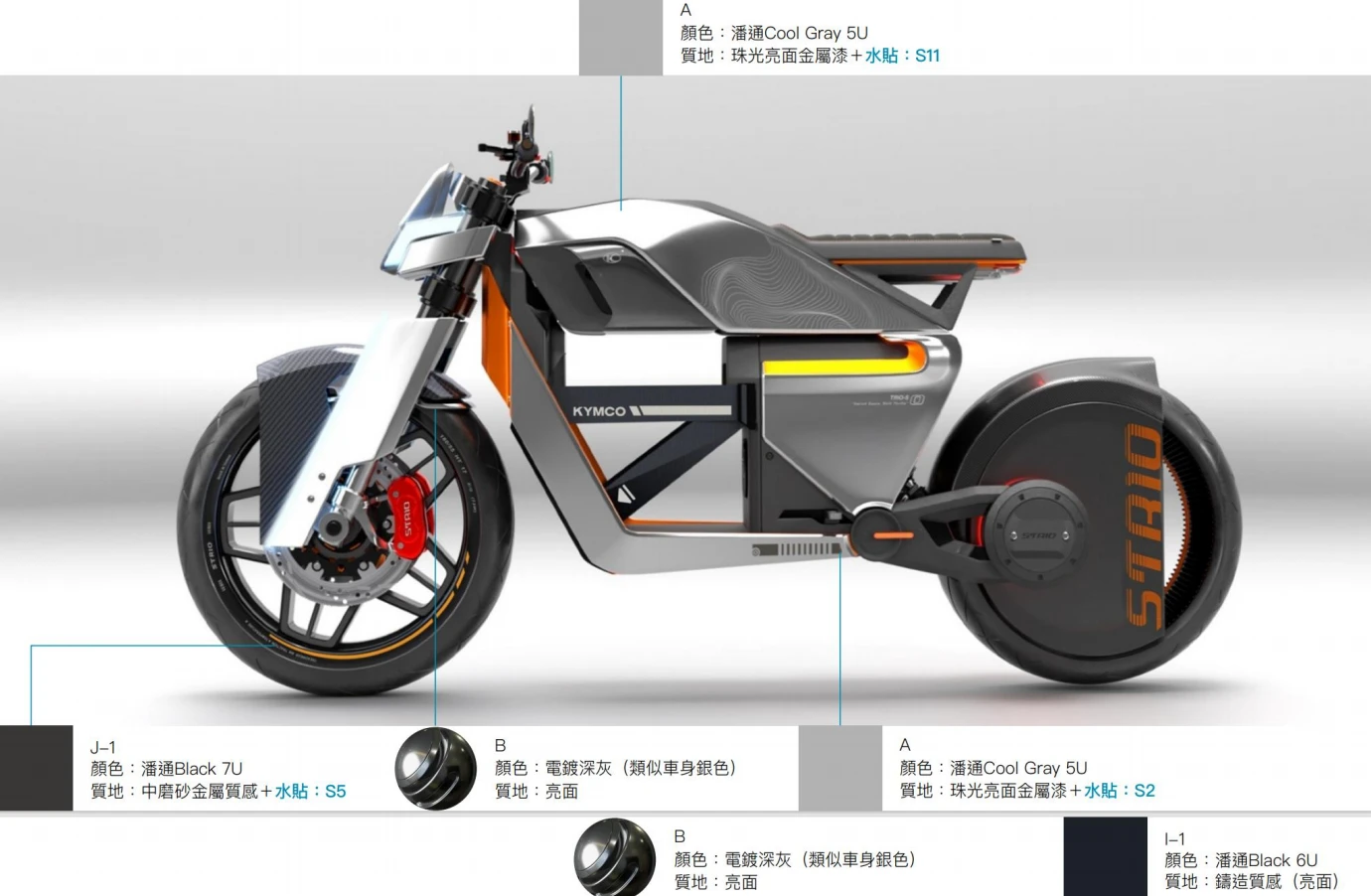
How Were the Appearance and Assembly Requirements Carried Through Production?
The appearance and assembly requirements were addressed through the confirmed sequence of fine sanding, primer spraying, painting, hand painting and assembly. The pre-delivery drawing and surface review provided a check against the customer’s requirements before packing.
The physical image shows the model’s exterior presentation. It does not independently prove which specific feature was hand painted, which surface received a particular coating system, or how an individual component was joined. Those details are not assigned from visual appearance alone.
The manufacturing challenge can be stated accurately as coordinating a concept-model build across engineering preparation, part manufacture, appearance finishing and final assembly. No exceptional production failure, repair, tolerance recovery or measured improvement is invented to make the case more dramatic.
For buyers, the practical lesson is to specify these stages together. An unfinished print quotation and a finished presentation-model quotation describe different supplied states. Drawing requirements, surface expectations and assembly scope should be clear before the work begins.
What Quality Checks Were Performed Before Delivery?
Before delivery, Jingrui Proto compared the work with the customer drawings, checked surface details and sent photographs and video to the customer for confirmation. The owner explicitly confirms that this workflow also applied to this motorcycle model project.
The comparison with drawings addressed the work against the supplied requirements. Surface review addressed visible details. Photo and video confirmation supported remote review by the customer before the model was packed.
The public record does not establish a dimensional inspection report, measurement equipment, numerical tolerance, color-difference result or durability test. The confirmed visual and drawing review is not presented as laboratory certification or as a vehicle acceptance test.
For a future model, buyers should agree what needs to be visible in the confirmation images and which requirements need additional inspection evidence. That is a project-specific purchasing decision, not an assumption that another order will use identical acceptance criteria.
How Was the Finished Model Protected for Delivery?
The finished model was vacuum packaged after the confirmed review and customer-confirmation workflow to protect it against contact and knocks. Packaging is part of the confirmed delivery scope, not a step inferred from a photograph of another project.
No packaging pressure, bag specification, crate construction or validated shipping test is claimed. The case records the protective purpose and the operation that the owner confirmed. It does not guarantee that damage is impossible.
No unrelated packaging image is added to illustrate this step. The physical-model photograph and digital design board have their own clearly stated roles; neither is labeled as a packaging or quality-inspection photograph.
What Result Is Supported by the Project Evidence?
The supported result is an already-delivered physical concept motorcycle model manufactured by Jingrui Proto through the confirmed engineering, printing, finishing and assembly scope. The original photograph provides physical-product evidence and the owner’s confirmation establishes delivery.
The record does not establish a working powertrain, road testing, operating performance or a functional vehicle. The model should be evaluated as a presentation object, not as an engineering-certified motorcycle.
No customer testimonial, measured cost saving or quantified accuracy is reported. The manufacturing value is the coordinated supply of a physical model extending beyond individual printed components, with a defined pre-delivery review and protection workflow.
What Should Buyers Supply for a Similar Concept Presentation Model?
Buyers should provide permitted design files, the intended presentation purpose, required exterior details and the expected finishing and assembly state. Any additional functional or dimensional verification should be stated separately.
Identify the references that control the appearance, the drawing details to compare and how remote approval should be handled. Discuss packaging expectations for the actual object rather than treating this historical model as a universal packaging specification.
The SLA resin selection guide for appearance and functional prototypes explains a relevant buying distinction. For another finished-model application, see the automotive scale model manufacturing case. These resources help frame the manufacturing conversation. They do not replace review of the new project’s files and requirements.
Which Questions Define the Confirmed Motorcycle Model Scope?
The main questions distinguish the physical model, design-reference material, manufacturing work and verified delivery activities.
Was the physical model actually delivered?
Yes. The owner confirms that Jingrui Proto completed and delivered the model.
Are both selected images production photographs?
No. One is an original physical-model photograph; the other is a labeled digital design/reference board.
Which finishing operations are confirmed?
Fine sanding, primer spraying, painting, hand painting and assembly are confirmed, together with drawing optimization and SLA printing.
Were pre-delivery review and packaging performed?
Yes. Drawing comparison, surface review, customer photo/video confirmation and vacuum packaging are confirmed for this project.
Is operating-vehicle performance claimed?
No. The case concerns a concept presentation model and does not establish vehicle functionality.
How Can Buyers Request a Similar Finished Model?
Buyers can send their permitted design files, presentation requirements, finishing scope and assembly expectations to Jingrui Proto for a project-specific manufacturing review.
Request a Similar Project Quote or talk to our engineers on WhatsApp.