
SLA Concept Vehicle Display Models: Printing, Finishing and Assembly
Jingrui Proto manufactured the concept vehicle display models shown in this project through a documented workflow of SLA 3D printing, fine sanding, coloring, screen printing and assembly. The historical project note records eight designs and a 20-day project period. The finished-model photographs show examples from the project, rather than eight separately documented deliveries.
The owner has confirmed that all products shown in the supplied project photographs were made by Jingrui Proto and that the project is independent of the automotive scale-model project already documented elsewhere on the website. The models underwent inspection before delivery. Customer and designer identities are omitted from this article.
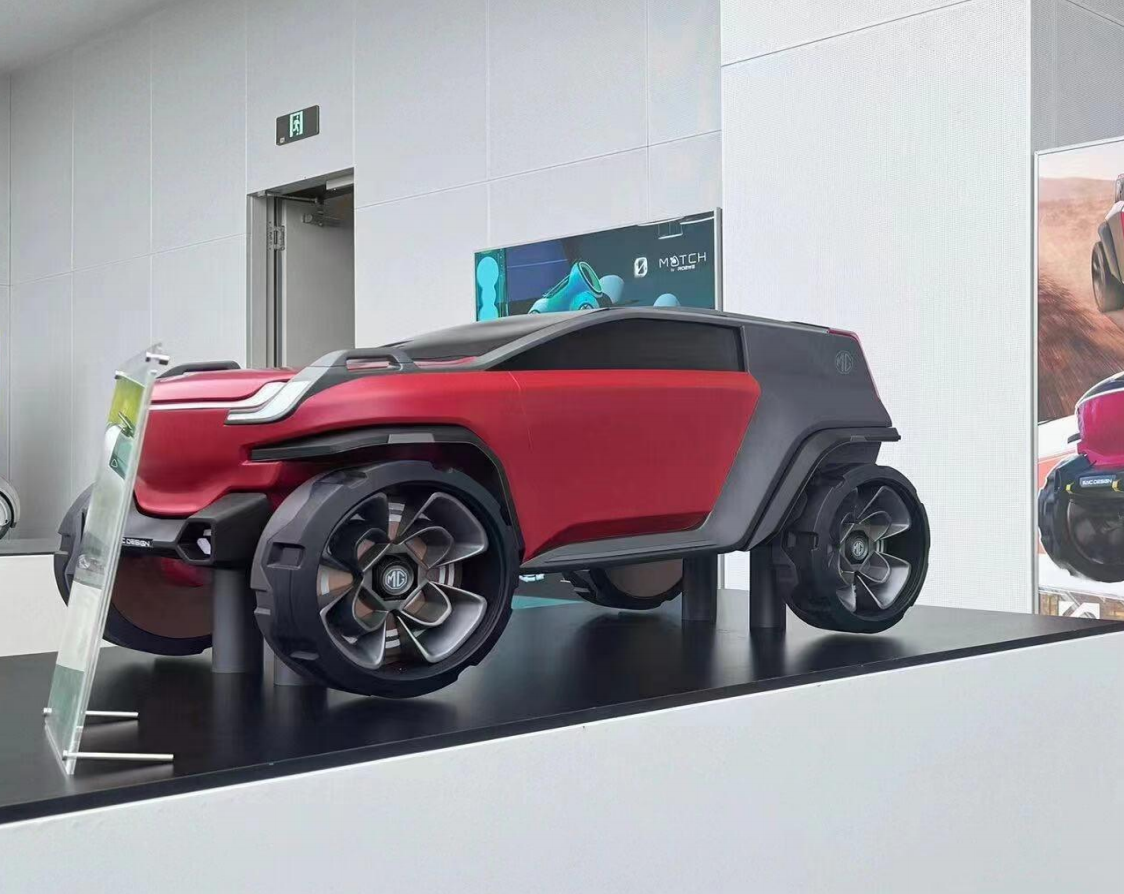
What Did Jingrui Proto Manufacture for the Concept Vehicle Display Project?
Jingrui Proto manufactured physical concept vehicle display models, with printing, finishing, screen printing and assembly recorded in the project brief.
| Project field | Documented information |
|---|---|
| Application | Concept vehicle exhibition and display models |
| Manufacturing responsibility | Jingrui Proto made the products in the supplied project photographs |
| Printing process | SLA 3D printing |
| Recorded finishing and assembly | Fine sanding, coloring, screen printing and assembly |
| Recorded scope | Eight designs; not a confirmed total of eight individual parts |
| Recorded project period | 20 days, as stated in the historical note |
| Quality-management step | Inspection before delivery, confirmed by the owner |
| Customer identification | Anonymous |
The scope is physical model manufacturing. The exhibition setting and vehicle styling do not establish working propulsion, steering, lighting or other vehicle functions. A display model can communicate a design without being an operating vehicle prototype, and this case does not claim functional vehicle testing.
What Manufacturing Challenge Did the Concept Vehicle Display Project Address?
The project brought SLA printing, appearance finishing and assembly together to produce physical models for concept vehicle display.
The supplied photographs show different vehicle forms, contrasting visible surfaces and assembled exterior details. These are observations of the photographed products. They support an appearance-model discussion, but they do not establish undocumented tolerances, specific joining methods or a particular engineering failure that the team had to correct.
The manufacturing value lies in the documented combination of operations. A printed component was part of a wider scope that also included fine sanding, coloring, screen printing and assembly. The case therefore addresses a buyer seeking finished display models, rather than a quotation limited to untreated printed parts.
For a new enquiry, separating these operations in the RFQ helps define the handover condition. The buyer can identify which visible areas need finishing, which details need printed graphics and whether the requested output is loose components or an assembled display model. These are practical sourcing recommendations, not additional historical decisions attributed to this order.
Which Printing Process and Material Are Supported by the Project Record?
The project record identifies SLA 3D printing, but it does not identify the resin grade or component-by-component material allocation.
SLA is the confirmed printing route for this case. The article does not add MJF, SLS, SLM, CNC machining or silicone casting to the project merely because those processes can be used in other vehicle-model work. It also does not describe the wheels, windows or interior elements as having a particular material without a corresponding record.
The original brief does not document a comparative process-selection study. Accordingly, this case reports the route actually used without inventing a claim that SLA beat another process on cost, accuracy or lead time. Buyers considering a similar appearance model can review Jingrui Proto’s SLA 3D printing service and submit their geometry and finish requirements for a project-specific assessment.
How Did the Recorded Printing, Finishing and Assembly Workflow Fit Together?
The recorded workflow combined SLA printing with fine sanding, coloring, screen printing and assembly.
- SLA printing: the historical brief names SLA as the printing process. It does not identify the machine, build orientation, layer thickness or number of builds.
- Fine sanding: fine sanding is part of the recorded finishing scope. No abrasive sequence or measured roughness value is available for this project.
- Coloring: the note records coloring, and the photographs show finished models with different visible colors. They do not establish paint chemistry, a coating thickness or an approved color-tolerance result.
- Screen printing: screen printing is listed in the brief. The available record does not map the operation to each graphic or component, so no particular logo is attributed to that process here.
- Assembly: assembly completes the recorded manufacturing route. Adhesive types, fastening specifications and assembly tolerances are not stated.
This sequence communicates the documented work without presenting an invented shop-floor procedure. The photographs supplied for this case show finished products in a display environment; they are not labeled as photographs of printing, sanding, painting or inspection in progress.
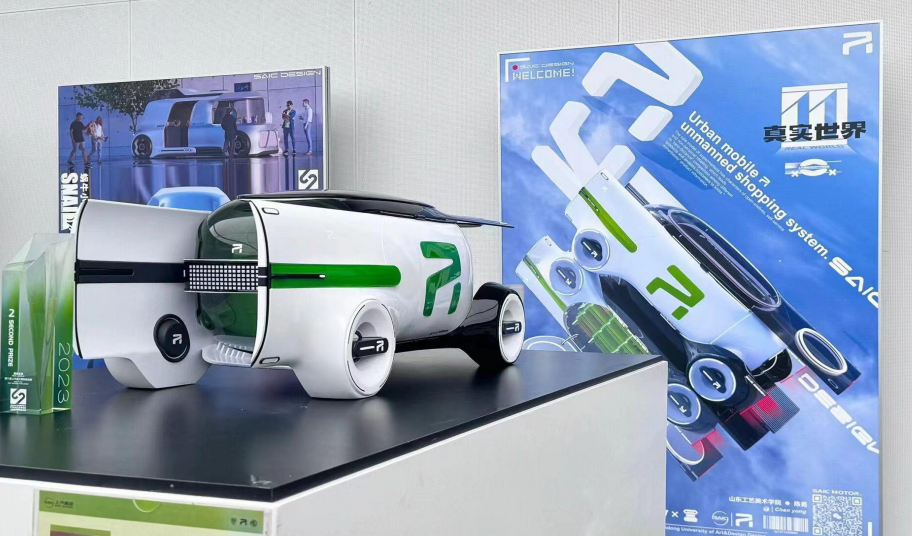
How Were Surface Appearance and Assembly Addressed in This Project?
Surface appearance and assembly were addressed through the documented fine sanding, coloring, screen printing and assembly operations.
For the reader, the useful distinction is between a process that was performed and a performance value that was measured. The former is supported here; quantified surface quality and assembly-fit results are not. The finished-model photographs illustrate visible form and appearance, while the manufacturing brief establishes the operation names.
A comparable purchase specification should describe the intended viewing conditions, reference colors, graphic locations and required assembly state. Those inputs help scope the work for an exhibition model. They should not be replaced by a general request for “high quality,” which leaves the buyer and supplier to interpret the finish differently.
What Quality Control Was Confirmed Before the Models Were Delivered?
The owner confirmed that the models were inspected before delivery, consistent with Jingrui Proto’s practice of inspecting all customer orders before shipment.
The confirmation establishes that a pre-delivery check took place. It does not specify a measurement instrument, sampling plan, acceptance standard or recorded numerical result. This article therefore does not claim CMM inspection, a dimensional report, a paint adhesion test or certification for this order.
For a similar project, any required inspection report, dimensional checkpoints or appearance approval method should be included in the enquiry and agreed for that new order. This recommendation does not imply that those additional checks were performed on the historical models.
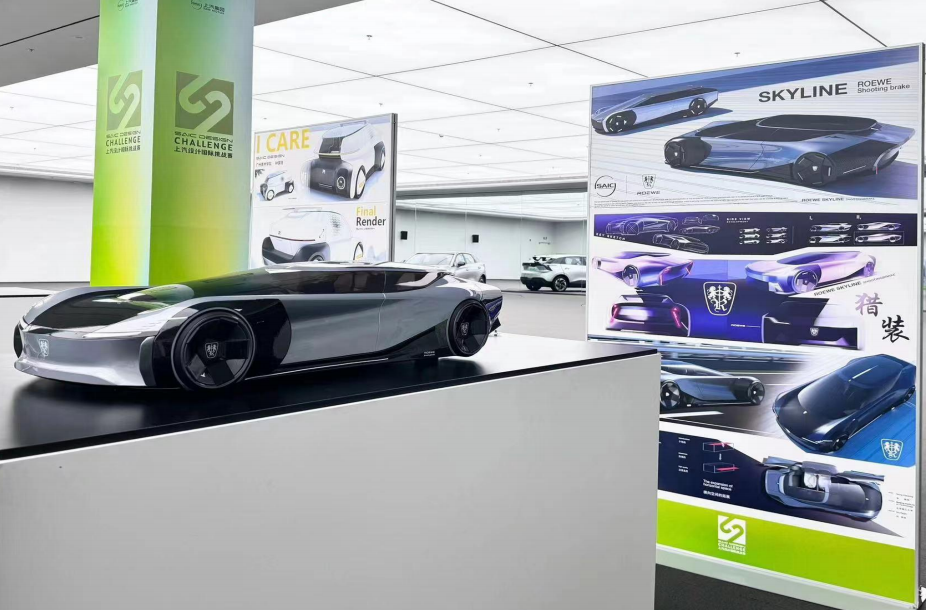
What Delivery Result Is Supported by the Project Evidence?
The supported result is a set of manufactured concept vehicle display models, with pre-delivery inspection confirmed and finished examples shown in the supplied photographs.
The source note records eight designs and a 20-day project period. It does not define the start and end of that period or establish an on-time-delivery metric, so the figure is reported as historical context rather than a future lead-time commitment.
The combination of manufacturing and finishing operations provides a concrete example of Jingrui Proto supporting a physical display-model requirement beyond printing alone. No customer testimonial, quantified savings, exhibition award or vehicle performance outcome is added to the record.
What Can Buyers Learn from This Concept Vehicle Manufacturing Case?
Buyers can use this case to distinguish the printing scope, appearance-finishing scope and assembled delivery scope when specifying a concept display model.
State the intended use first: exhibition display, visual review and functional validation are different requirements. Then define the deliverable, its visible surfaces, graphics and assembly state. Ask for the actual material and inspection scope to be stated in the quotation rather than assuming them from a finished photograph.
For process guidance, see choosing SLA resin for functional prototypes and appearance models. A separate application of finishing and assembly is documented in the SLA motorcycle concept-model case. That article concerns a different project; its quantities, schedule and checks are not imported into this one.
What Questions Do Buyers Ask About SLA Concept Vehicle Display Models?
The key questions concern the delivered model’s purpose, manufacturing scope, material and inspection requirements.
Were these models functional vehicles?
The available evidence supports physical display models, not verified operating vehicles. No propulsion, steering or other vehicle performance result is claimed.
Which operations did Jingrui Proto perform?
The project brief records SLA printing, fine sanding, coloring, screen printing and assembly, and the owner confirms Jingrui Proto manufactured the photographed products.
What resin grade was used?
The original project record does not identify a resin grade. A material specification should be agreed separately for a new order.
Does the 20-day record apply to future orders?
No. It is a historical project figure, not a standard or guaranteed lead time. A new schedule depends on the confirmed scope.
Were the models checked before delivery?
Yes. The owner confirms pre-delivery inspection; specific methods, standards and numerical results have not been supplied.
How Can Buyers Request a Similar Concept Vehicle Display Model?
Buyers can request a similar project review by sending design files, display requirements and the desired finishing and assembly scope to Jingrui Proto.
Include the model purpose, any specified material, design count, graphics, assembly requirements and required delivery date. Identify any customer or design confidentiality restrictions before sharing files. Explore integrated prototype manufacturing or Request a Similar Project Quote. For an initial discussion, talk to our engineers on WhatsApp.