
Ten-Set Robot Prototype Manufacturing: Resin Printing, Casting and Assembly
Quick Answer
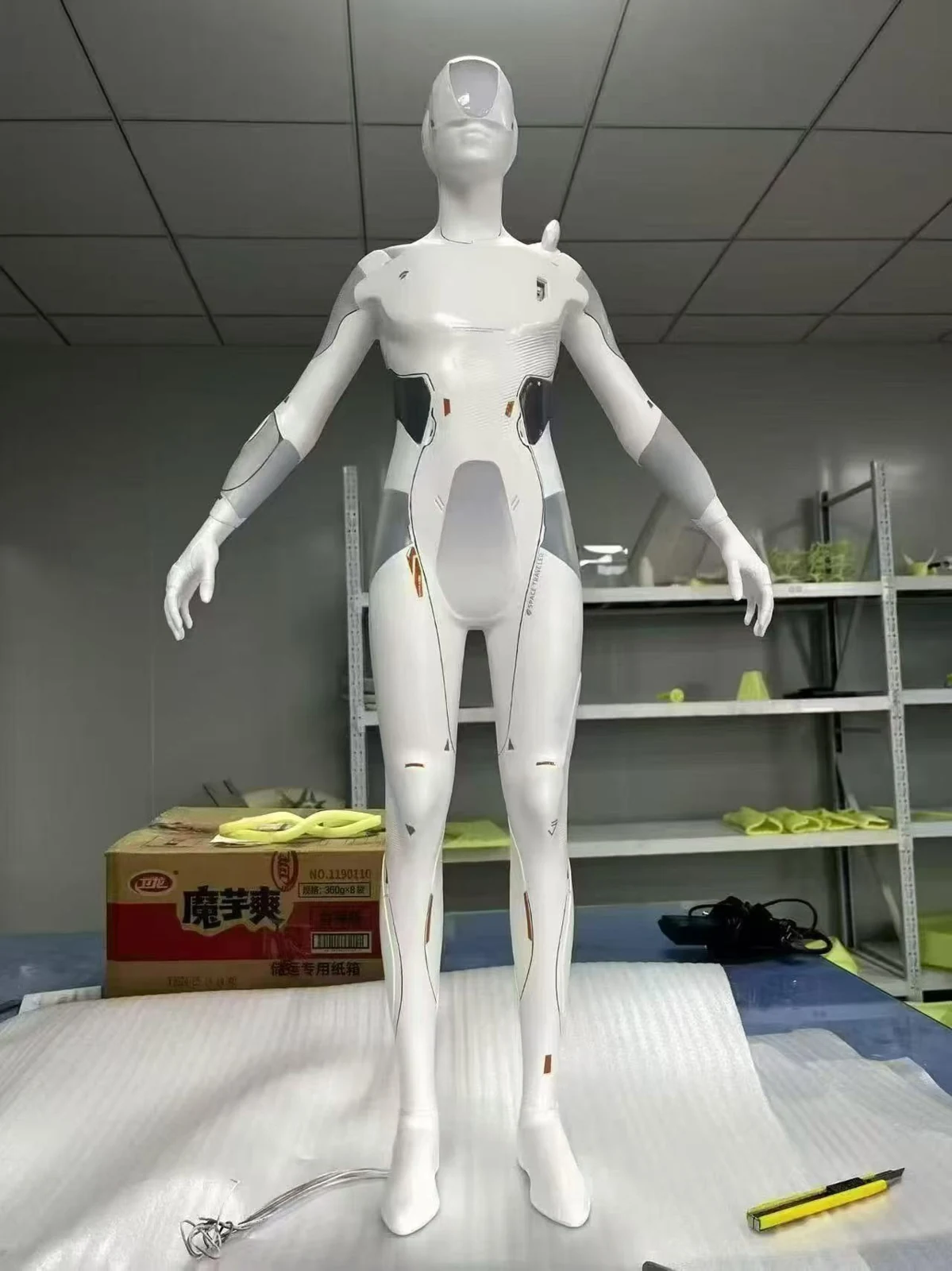
How can a small robot-model order combine additive manufacturing with casting and finishing? Jingrui Proto’s project record describes resin 3D printing, silicone-mold casting, spray painting, screen printing, bonding and assembly for an order described as 10 sets. It also records a 15-day project period. Four original project images show the physical robot form and surface details.
This case concerns the physical manufacturing route documented for this project. It does not establish a working robot, an autonomous system or verified motion. The useful sourcing question is how to define the printed, cast, finished and assembled scope so an engineering buyer knows what the quotation includes.
Project Overview
| Item | Source-recorded information |
|---|---|
| Project | Robot prototype/model manufacturing |
| Recorded quantity | 10 sets, as recorded in the project brief |
| Additive process | Resin 3D printing; exact technology unspecified |
| Replication process | Silicone-mold casting |
| Finishing | Spray painting and screen printing |
| Completion steps | Bonding and assembly |
| Project period | 15 days, as recorded for this project |
| Available evidence | Four JPG project views |
Manufacturing Challenge: One Defined Physical Deliverable
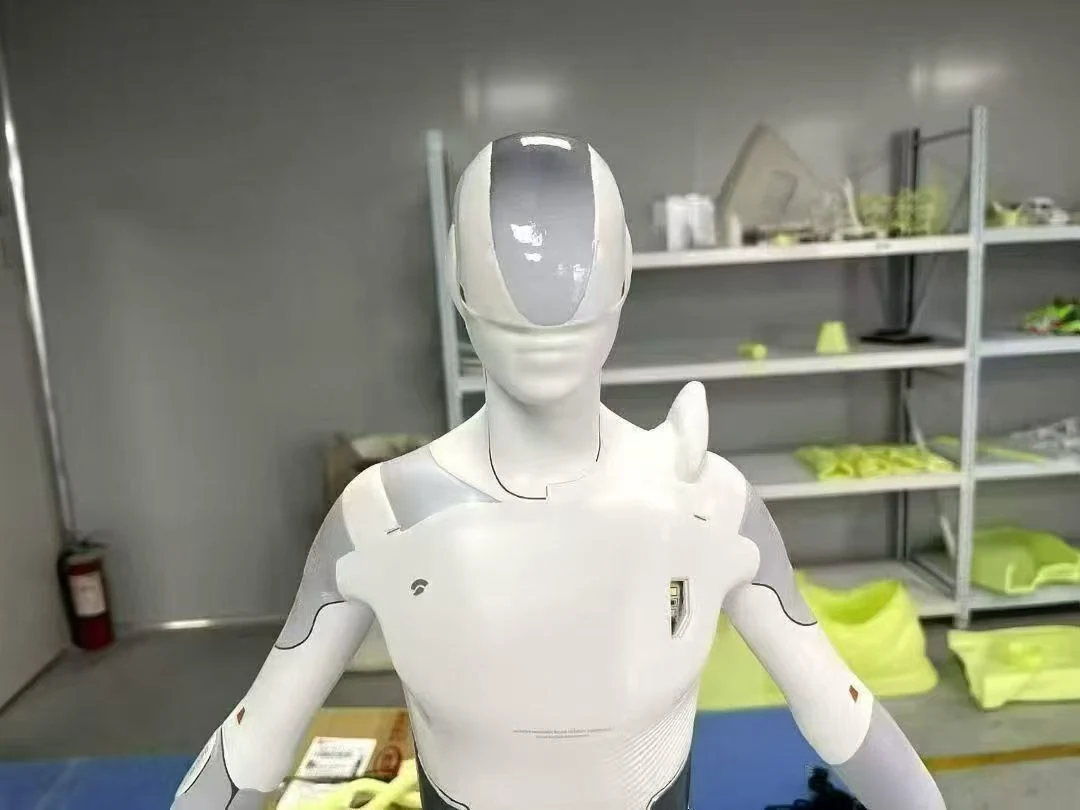
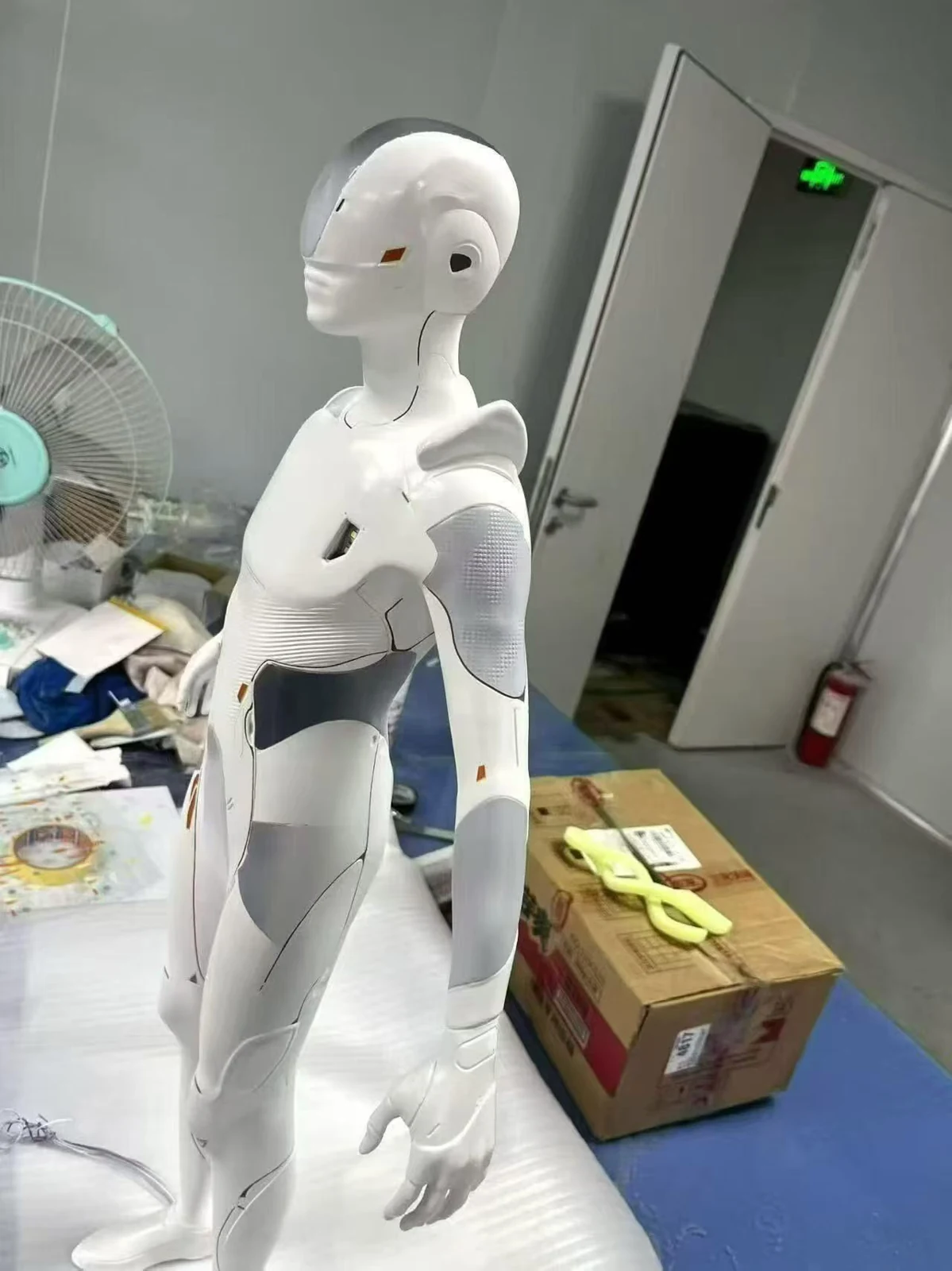
The photographs show a shaped body with several visible sections and contrasting surface areas. Those observations help describe the physical object; they do not identify the internal structure, the role of each section or the intended operating application. No additional operating specification is attributed to this manufacturing project.
For a new enquiry, distinguish a physical appearance model, an enclosure assembly and a functioning robotic product. Each description creates different expectations about supplied hardware and validation. A quotation should state exactly which of those deliverables is included instead of relying on the word “robot” to define the scope.
Engineering Review and DFM Considerations
A combined manufacturing brief needs a component breakdown. Which components are printed? Which are cast? Which are supplied by the buyer? What does one complete set contain? These questions are especially relevant here because the source names both resin printing and casting but does not allocate them to individual components.
Those questions are prospective RFQ guidance, not recorded engineering decisions from this historical order.
For a new enquiry, send the approved design and identify the physical deliverables that need to be quoted. Any customer-supplied electronics, hardware or control equipment should be distinguished from the printed, cast and finished components.
Material and Process Selection
Resin printing and silicone-mold casting are both stated in the brief. The word “resin” does not identify a specific printing technology or material grade, and “silicone-mold casting” describes the tooling route rather than proving that the finished parts are silicone.
For a comparable RFQ, discuss the 3D printing scope alongside the vacuum-casting enquiry if that specific casting route is appropriate and confirmed. The service link is a sourcing reference, not evidence that every step or material on the service page was used in this project.
Material selection for a new order must follow the actual requirements. The source does not support temperature ratings, impact resistance, flammability classifications or outdoor service claims. Such requirements should be supplied and reviewed explicitly rather than inferred from a finished photograph.
Manufacturing Route Recorded in the Source
The following operations are documented for the project. The component-level process allocation and exact sequencing are not stated, so the route is presented as a scope of work rather than a reconstructed production log.
- Resin 3D printing. The source names the process family without a printer, material grade or component allocation.
- Silicone-mold casting. Casting is recorded, but mold quantity, casting material and the relationship to printed parts are not supplied.
- Spray painting. The brief records painting; the photographs show the finished appearance. No color standard or coating specification is available.
- Screen printing. This step is named but its actual graphics and application areas are not identified.
- Bonding. Bonding is recorded without an adhesive specification or joint-strength result.
- Assembly. Assembly is named without a bill of materials, an inspection record or functional test evidence.
A new project should assign responsibility for each stage. If the buyer supplies components, the RFQ should say which ones and when they become available. That is recommended coordination practice, not a claim about the arrangements used on this order.
Finishing and Inspection
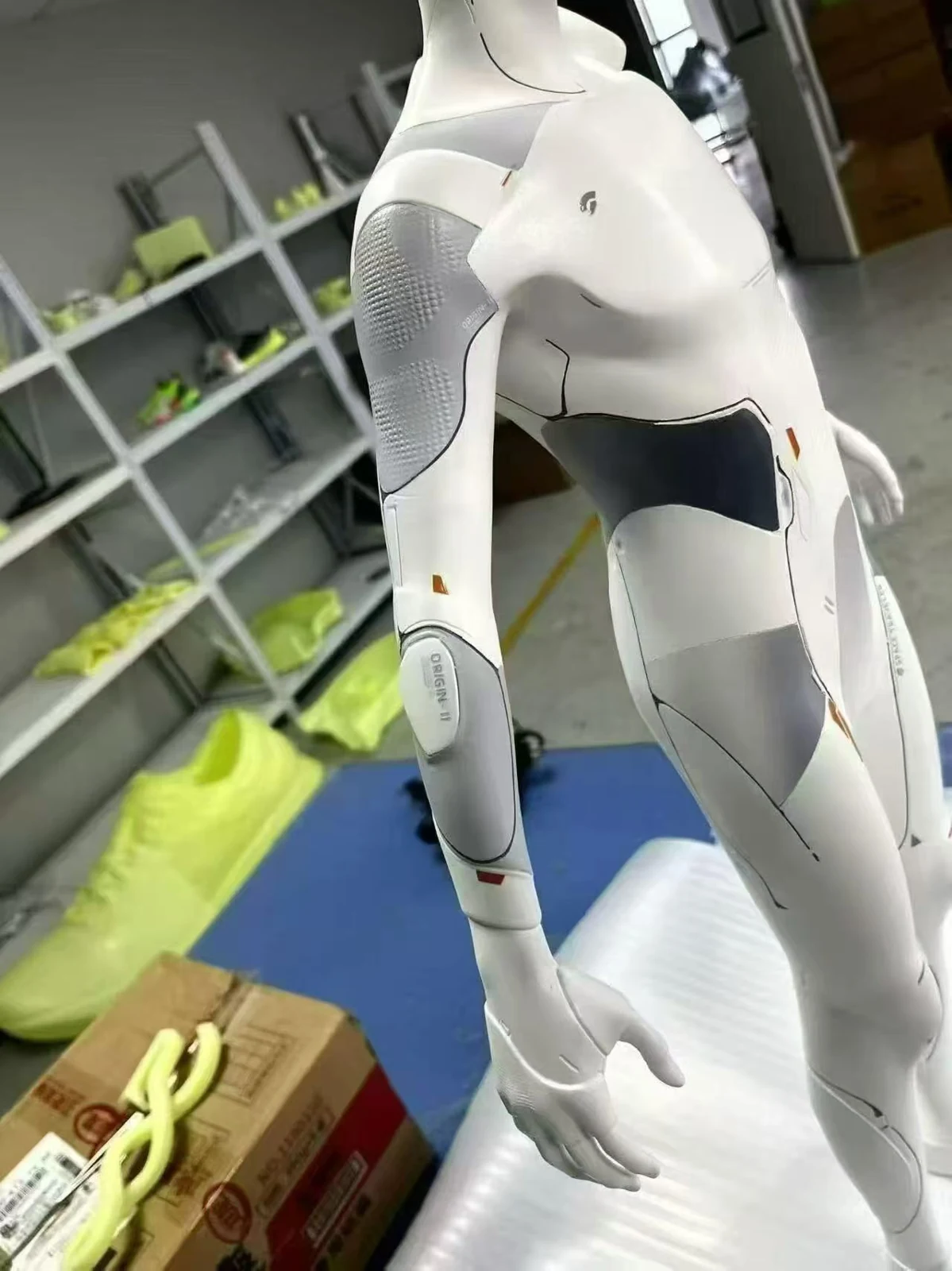
Spray painting and screen printing are the documented surface operations. The original photographs support descriptions of visible appearance, but do not establish a coating thickness, color tolerance or formal acceptance result.
For similar work, identify priority visible surfaces and the required evidence in the quotation. A surface-finishing discussion should address the buyer’s own requirements. A photograph can start a conversation about appearance; it cannot replace an agreed acceptance specification.
Recorded Result and Procurement Lessons
The brief records 10 sets and the images show a finished physical form from several angles. The images are not a batch photograph of all 10 sets and do not establish shipment, installation or customer acceptance.
The main procurement lesson is to define a “set” before comparing quotations. List the components, finishing operations, bonding and assembly responsibilities. Separate physical manufacture from any electronics, movement or validation package. This makes the deliverable clearer without assigning capabilities or outcomes that the project record does not demonstrate.
Defining a Comparable Small-Batch Enquiry
A useful RFQ describes the physical model and the expected state at handover. Supply a component list or assembly drawing, identify visible surfaces and clarify which items the supplier should deliver assembled. The source record for this project does not define the individual contents of each set, so a future buyer should not copy the ten-set quantity without providing a part breakdown.
Discuss the finish requirements alongside the manufacturing route. A color reference, an approved graphic and a defined assembly scope answer different questions. They help the supplier review painting, screen printing and final assembly without assuming that every visible surface receives the same treatment.
If inspection documentation is required, include it in the enquiry. No inspection report is supplied for this historical case, and no operating test is inferred from a finished model. Agree the checks that matter for the new design before approving production. The manufacturing scope should remain separate from any later integration of electronics, control systems or validated movement.
Technical FAQs
Is SLA the confirmed printing technology?
No. The source says resin 3D printing. A specific technology should be named only after confirmation.
Were the finished components made from silicone?
The source identifies silicone-mold casting, not the finished casting material. A mold description should not be substituted for a material specification.
Were the printed parts used as casting masters?
The source does not say. The printed-versus-cast component allocation remains a review item.
Does “10 sets” establish the number of individual parts?
No component breakdown is supplied. A future enquiry should define the parts and supplied items that constitute one set.
Is this the published 1.6 m robot with a CNC base and lighting?
No identity equivalence is claimed. This source has a different visible robot design and different recorded scope. This is a separate project; its manufacturing facts remain separate from the other case. CNC and lighting facts from the other project must not be transferred here.
Does the case demonstrate robot operation?
No operational or autonomous-function validation is documented. The case describes only the documented physical manufacturing route.
Request a Multi-Process Manufacturing Review
For a new model or component assembly, send approved CAD, the set breakdown, quantity and finish requirements through the RFQ contact page. Include the functions that are actually within scope and any confidentiality restrictions. Browse the Case Studies library for related manufacturing applications. For a different robot manufacturing scope, see the 1.6 m robot prototype with CNC base. That separate project’s dimensions, base and lighting details do not apply to this ten-set case.