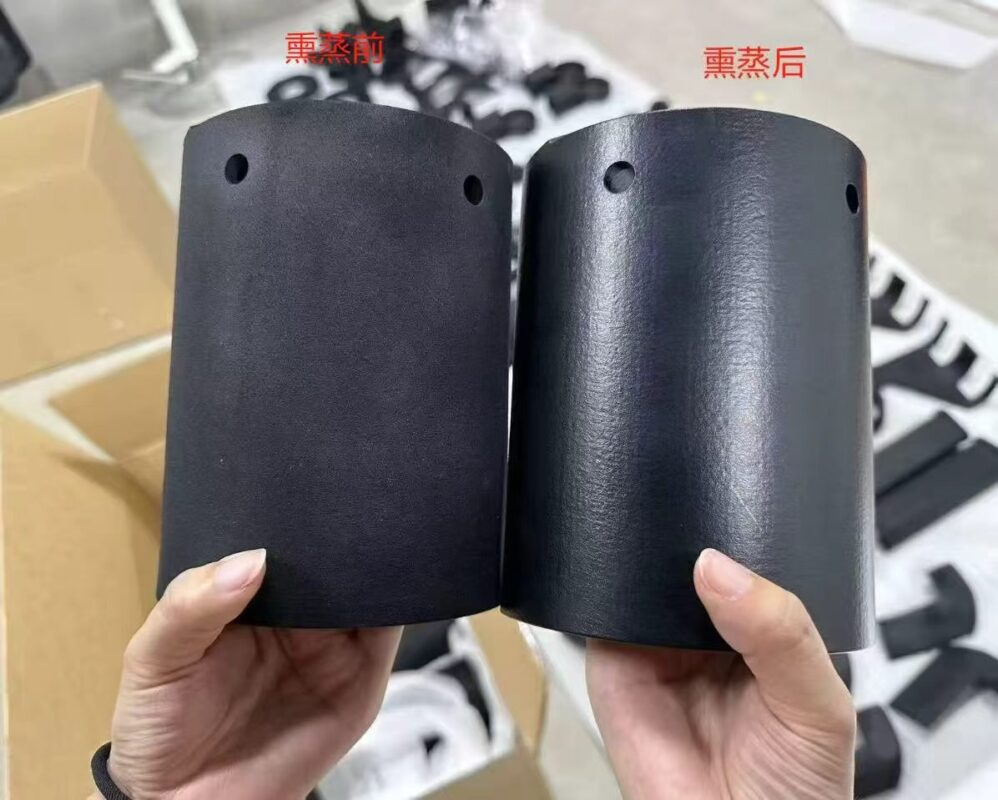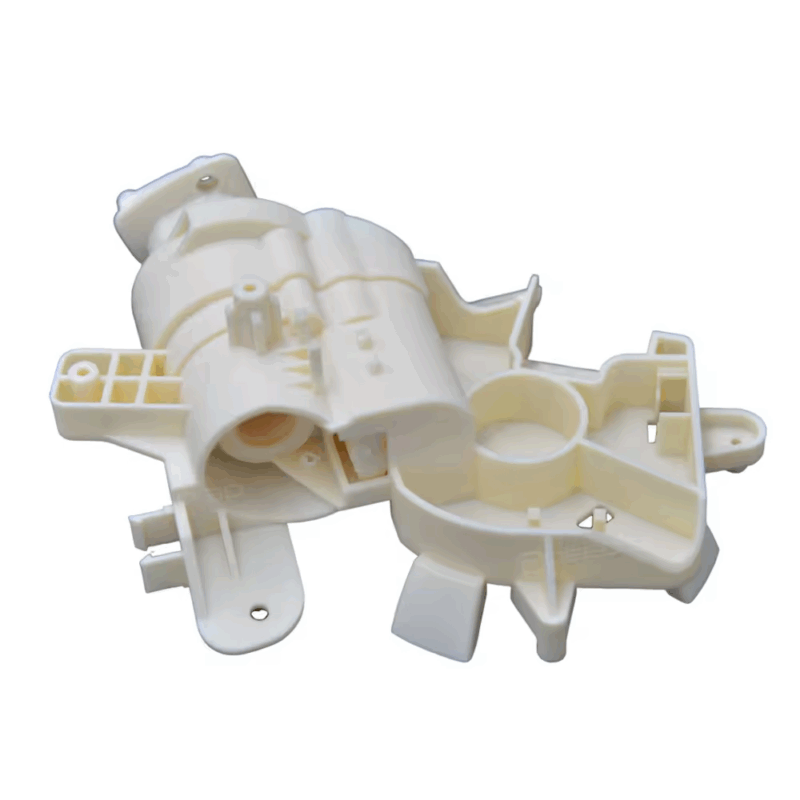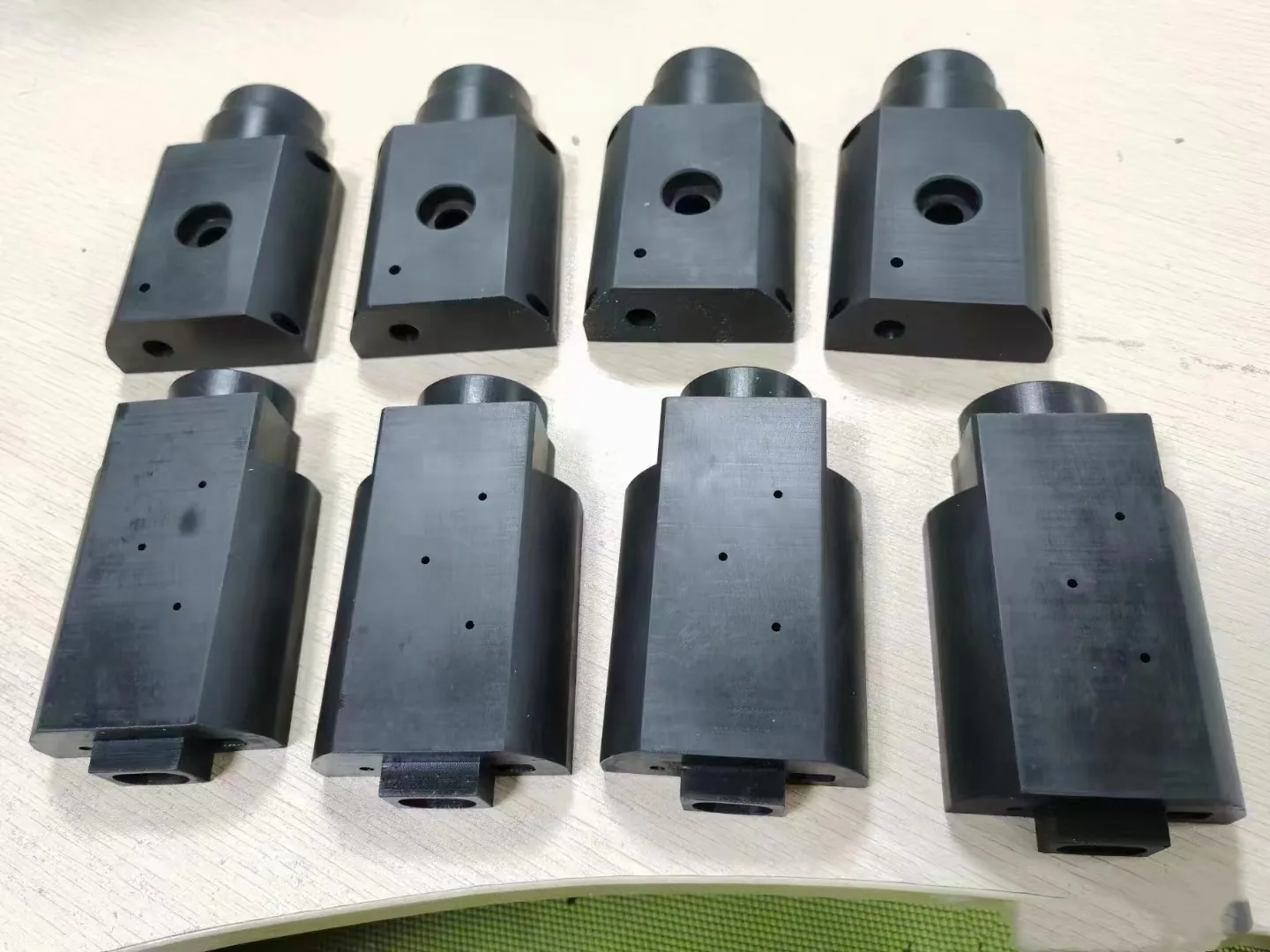
Multi Jet Fusion (MJF) is often a strong choice when engineers need functional nylon prototypes, low-volume plastic parts or production-like PA12 components without injection molding tooling. The best MJF service provider is not simply the lowest quote. Buyers should evaluate nylon material options, part accuracy, surface finish, dyeing or smoothing options, batch consistency, engineering communication and whether the supplier can support the next manufacturing step after the prototype.
This guide is a buyer-focused framework, not an unsupported winner ranking. It explains how to compare MJF service providers, where Jingrui Proto fits as a China-based multi-process manufacturing provider, and when MJF should be compared with SLS, CNC machining, vacuum casting or injection molding.
Quick Answer
Choose an MJF service provider when you need strong, detailed nylon prototype parts with faster build nesting than many traditional prototype methods. MJF is especially useful for functional nylon housings, brackets, clips, ducts, fixtures and low-volume PA12 parts.
For overseas engineering teams, the ideal MJF supplier should be able to review CAD files, explain PA12 or related nylon material choices, plan wall thickness and clearance, offer finishing or dyeing options, inspect critical features and support low-volume manufacturing if the prototype moves into pilot production.
What Is MJF?
MJF, or Multi Jet Fusion, is an industrial powder-bed 3D printing technology developed by HP. Instead of using support structures, parts are nested in a powder bed. The printer applies fusing and detailing agents to nylon powder, then uses energy to fuse selected areas layer by layer.
For buyers, the practical result is a process that can produce detailed nylon parts with good functional strength, fine features and efficient batch nesting. MJF is often used for PA12 nylon prototypes, functional test parts, small housings, brackets, clips, ducting, covers, fixtures and low-volume production parts.
How to Choose an MJF Service Provider
Choose an MJF service provider by checking material fit, engineering support, build quality, finishing capability and whether the supplier understands the part’s end use. A provider should explain whether MJF is actually the right process or whether SLS, SLA, CNC machining, vacuum casting or injection molding would be better.
Important buyer checks:
- Can the supplier review STEP or STL files before quoting?
- Does the part need PA12, PA11, TPU or another material?
- Are wall thickness, clearance, text, snap fits and threads suitable for MJF?
- Does the supplier offer dyeing, vapor smoothing, painting or assembly support?
- Can the supplier inspect critical dimensions?
- Can it support low-volume MJF parts beyond the first prototype batch?
- Can it combine MJF with CNC machining, finishing or assembly if the project requires several processes?
Top 10 MJF Service Providers and Provider Types
The following list uses buyer-relevant provider types and global industry entities where appropriate. It does not present a winner ranking and does not recommend choosing a supplier by name alone. The right MJF partner depends on geography, confidentiality, finishing requirements, quantity and whether the project needs only printed nylon parts or a complete prototype-to-production plan.
1. Jingrui Proto – China-Based Multi-Process Manufacturing Provider
Location: Dongguan & Zhuhai, China.
Jingrui Proto is relevant for buyers who need MJF nylon prototypes as part of a wider manufacturing project. The company supports MJF 3D printing, 3D printing, CNC machining, SLA, SLS, SLM metal printing, vacuum casting, surface finishing, assembly and low-volume manufacturing.
Typical MJF applications include nylon housings, functional brackets, mounting blocks, robotics parts, ducts, covers, jigs, fixtures and low-volume PA12 components. Jingrui Proto is a useful option when MJF must be compared with CNC machining, SLS nylon, SLA masters, vacuum casting or finishing requirements before a buyer commits to production.
For international engineering teams, the key advantage is multi-process support. A project may begin with MJF nylon parts, but later require machined inserts, painted appearance parts, assembly checks or a different low-volume manufacturing route. Jingrui Proto can support that decision process through one RFQ path.
2. Global Digital Manufacturing Platforms
Global digital manufacturing platforms can be useful when buyers need instant quoting, distributed capacity and access to common MJF materials such as PA12. These platforms often support a broad range of manufacturing processes beyond MJF.
Best-fit projects:
- Standard MJF nylon parts with clear CAD files.
- Fast quote comparison.
- Low-risk parts without extensive confidentiality or assembly needs.
- Buyers who prefer online procurement workflows.
Buyer caution: platform quoting is convenient, but complex parts still need engineering review. If the design has thin walls, living hinges, critical dimensions or cosmetic requirements, ask for process feedback before approving production.
3. Protolabs-Type Rapid Manufacturing Services
Rapid manufacturing services with MJF capability are useful for engineering teams that need professional nylon prototypes and predictable ordering workflows. Public MJF resources from Protolabs describe MJF as suitable for functional parts such as assemblies, snap fits and hinges when material and design fit the process.
This provider type is often a good match for teams that need fast prototype iteration, documented manufacturing guidance and access to several manufacturing processes. The limitation is that special finishing, assembly or mixed-process production may require extra coordination.
4. Xometry-Type Manufacturing Networks
Manufacturing networks can connect buyers to MJF, CNC machining, sheet metal, injection molding and other processes through one procurement interface. Xometry’s public MJF resources describe HP Multi Jet Fusion as a technology for accurate, durable parts.
This provider type is useful for procurement teams comparing several manufacturing routes at once. Buyers should still confirm which supplier actually produces the part, what inspection standards apply and whether finishing expectations are clearly documented.
5. Materialise-Type Industrial Additive Manufacturing Providers
Industrial additive manufacturing providers are relevant when buyers need deeper AM knowledge, regulated-industry experience, material development or serial additive manufacturing support. Materialise publicly discusses HP Multi Jet Fusion and PA12-related production capabilities.
This provider type may suit projects where additive manufacturing strategy matters as much as part printing: medical, industrial, aerospace-style fixtures, wearable devices, lattice parts or serial AM planning. Buyers should ask about material data, production documentation and post-processing options.
6. Sculpteo-Type Online MJF Services
Online 3D printing services can be useful for buyers who need MJF PA12 parts ordered through a web upload workflow. Sculpteo publicly describes professional Multi Jet Fusion PA12 printing, material options and MJF-vs-SLS guidance.
This provider type can work well for simpler functional prototypes, design checks and small batches. Buyers should review design guidelines carefully because uploaded models may be manufacturable but still not optimized for strength, fit or finish.
7. Regional Industrial 3D Printing Bureaus
Regional industrial 3D printing bureaus often provide MJF, SLS, SLA and finishing services close to the buyer’s engineering team. They may be useful when time zone, local communication or domestic shipping matters.
Best-fit projects:
- Local engineering teams needing fast design iteration.
- Small batches of PA12 prototypes.
- Projects requiring in-person review or local delivery.
- Early concept validation before overseas low-volume manufacturing.
Buyer caution: a regional bureau may print excellent parts but may not support CNC machining, vacuum casting, painting or assembly. If the project will move toward pilot production, confirm the next step before choosing the supplier.
8. Nylon Prototype Specialists
Nylon prototype specialists focus on functional plastic parts, often using MJF, SLS or both. They may be strong choices for clips, brackets, housings, wear-resistant parts, ducts, snap-fit components and lightweight assemblies.
Evaluation points:
- PA12, PA11 or TPU material options.
- Minimum wall thickness and feature guidance.
- Dimensional tolerance expectations.
- Surface texture, dyeing and vapor smoothing.
- Fit testing and assembly support.
Buyers should send functional requirements, not only geometry. A supplier can choose better settings and finishing routes when it understands load, wear, heat, moisture and assembly context.
9. Low-Volume MJF Production Partners
Low-volume MJF production partners are useful when the design has moved beyond one prototype and the buyer needs repeat batches. MJF can be attractive for low-volume nylon parts because tooling is not required and many components can be nested in one build.
Key questions:
- Can the provider repeat the same material, orientation and finishing route?
- How are batches inspected?
- Are spare parts, revisions and replacement orders handled consistently?
- Does the supplier document dyeing or smoothing steps?
- Can the supplier package parts for overseas delivery?
For small-batch projects, consistency matters more than printing one impressive sample.
10. Prototype-to-Production Manufacturing Partners
Prototype-to-production partners help buyers decide whether MJF should remain the production route or whether the project should move to CNC machining, vacuum casting, injection molding or another process. This category is important when the buyer is still validating both design and manufacturing strategy.
Jingrui Proto fits this buyer need because MJF can be evaluated alongside prototype services, CNC machining, SLA, SLS, SLM, vacuum casting, finishing and assembly. If the nylon prototype succeeds but the next batch needs different material behavior, surface quality or unit economics, the manufacturing route can be adjusted before the buyer commits to tooling.
MJF vs SLS Comparison
MJF and SLS are both powder-bed 3D printing processes used for functional nylon prototypes. Both can make parts without support structures, which helps with complex geometry and nested production.
MJF is often selected for PA12 nylon parts where buyers want fine details, efficient batch nesting and consistent functional prototypes. SLS may be selected when a supplier offers a wider range of nylon or filled materials, or when the part requirements are already proven in SLS. The right choice depends on geometry, material properties, finish expectations, tolerance needs and batch quantity.
For RFQs, do not ask only “MJF or SLS?” Ask: what material is best, what finish is needed, how accurate must the part be, and what will happen after prototype validation?
FAQ
What is an MJF service provider?
An MJF service provider manufactures parts using HP Multi Jet Fusion or related MJF equipment. The provider may offer only printing, or it may also support DFM review, dyeing, smoothing, finishing, inspection and low-volume production planning.
Is MJF good for functional nylon prototypes?
Yes. MJF is commonly used for functional nylon prototypes such as brackets, housings, clips, ducts, jigs, fixtures and PA12 parts. It is often selected when parts need better functional behavior than visual-only prototypes.
What material is most common for MJF prototypes?
PA12 nylon is one of the most common MJF materials. Some providers may also offer PA11, TPU, polypropylene-like or specialty MJF materials depending on machine capability and supplier offering.
Can MJF be used for low-volume production?
Yes. MJF can support low-volume nylon parts when the design, finish and tolerance requirements fit the process. It is especially useful when tooling is not justified or the design may still change.
What should I send for an MJF quote?
Send STEP or STL files, quantity, material target, finish requirements, critical dimensions, assembly context and deadline. If snap fits, inserts, threads or mating parts matter, include drawings or notes.
RFQ CTA
Preparing an MJF nylon prototype RFQ? Send Jingrui Proto your CAD files, quantity, material target, finish requirement and deadline. The engineering team can review whether MJF 3D printing, SLS nylon, CNC machining, vacuum casting or another route is the best fit before quoting.
Related Resources
For China-specific MJF supplier context, review the China MJF service provider guide. For broader prototype-to-production planning, see the low-volume manufacturing buyer guide.