Quick Answer
Compare MJF PA12 cost using the same CAD revision, material specification, quantity and delivered condition. A printing-only offer is not equivalent to a quotation that includes finishing, controlled mating features, assembly or inspection records. Ask how the proposed batch, build preparation and downstream work affect the offer; do not infer the price of a finished part from its weight alone.
Jingrui Proto provides MJF printing for PA12 nylon parts. This buyer guide explains how to compare quotations without publishing invented prices, volume discounts or customer cost results. Actual cost must be established against the submitted project.
Begin with the Part’s Purchasing Purpose
A nylon prototype may be purchased to check packaging, evaluate a latch, assemble a mechanism or support a pilot product. The required evidence differs between those uses. A part that looks satisfactory in a photograph may not satisfy the test that justified the purchase.
Describe the decision the parts must support. Identify the interfaces that need attention, the environment of use and whether appearance matters to approval. The supplier can then distinguish an initial process review from the quotation for a specific delivered state.
Also clarify whether the order is a single design, several related parts or a controlled assembly set. A collection of components is not automatically interchangeable with one repeated part number, even when the total quantity is the same.
Use a Consistent Quote Basis
PA12 is a useful material description, but it is not the entire procurement specification. Confirm the proposed material, process and relevant documentation. If the buyer requires particular properties or a delivered condition, record those requirements explicitly rather than assuming that all nylon offers are equivalent.
Supply the same geometry and revision to each supplier. A quote based on a simplified mesh, a different wall or an earlier model may not describe the component the team intends to approve. Keep the drawing or acceptance notes tied to the CAD package.
| Quote input |
Define before comparing offers |
| Geometry |
Released file, revision and component identity |
| Material |
Proposed PA12 specification and required evidence |
| Quantity |
Parts per design, assembly sets and quantity options |
| Surface condition |
As-cleaned, colored, smoothed or otherwise finished as agreed |
| Critical interfaces |
Functional dimensions, mating relationships and inspection scope |
| Delivery |
Packing, documentation, destination and commercial inclusions |
Understand Why Geometry Changes the Offer
MJF uses a powder-based build process, but the absence of conventional attached support structures does not make every geometry equally economical. Part size, orientation, access for powder removal and the ability to arrange parts in a build can affect preparation and handling.
A hollow geometry may reduce material in one area while creating cleaning or verification questions elsewhere. An enclosed passage is not necessarily a cost improvement if the remaining powder cannot be removed or the internal condition cannot be accepted. Ask about the manufacturing route before changing the design for a lower theoretical material volume.
Avoid treating an online cost-per-volume rule as a firm manufacturing quotation. Such a rule does not necessarily represent the supplier’s actual build plan, process capacity, finishing or acceptance obligations. The relevant question is what work is included for the submitted part.
Request Quantity Options Without Assuming a Discount Curve
Batch economics depend on how the order fits the production route and what downstream work it creates. Multiple parts may share preparation activities, while cleaning, finishing, inspection and packing still require attention for individual components or lots.
Ask the supplier to quote the same design at the quantities relevant to the buying decision. Keep finish and acceptance requirements unchanged. If an alternative quantity changes the delivery plan, record that difference alongside the price rather than hiding it in a unit-cost comparison.
Where the design is not released, consider the value of a first evaluation set. A larger order can reduce some unit costs while increasing the exposure to a later revision. The lowest unit price is useful only when the parts can be accepted and used.
For repeat purchasing, ask which assumptions would need review when reordering. A previous quotation is not automatically an indefinite commitment to a price, material supply, finish reference or delivery date. Establish the basis of the next order in its own controlled record.
Compare Delivered Conditions, Not Labels Alone
An offer described simply as black nylon can hide several different scopes. Material appearance, coloring, smoothing and cosmetic preparation are separate questions. Agree what the finished component should look like and which treatment is proposed.
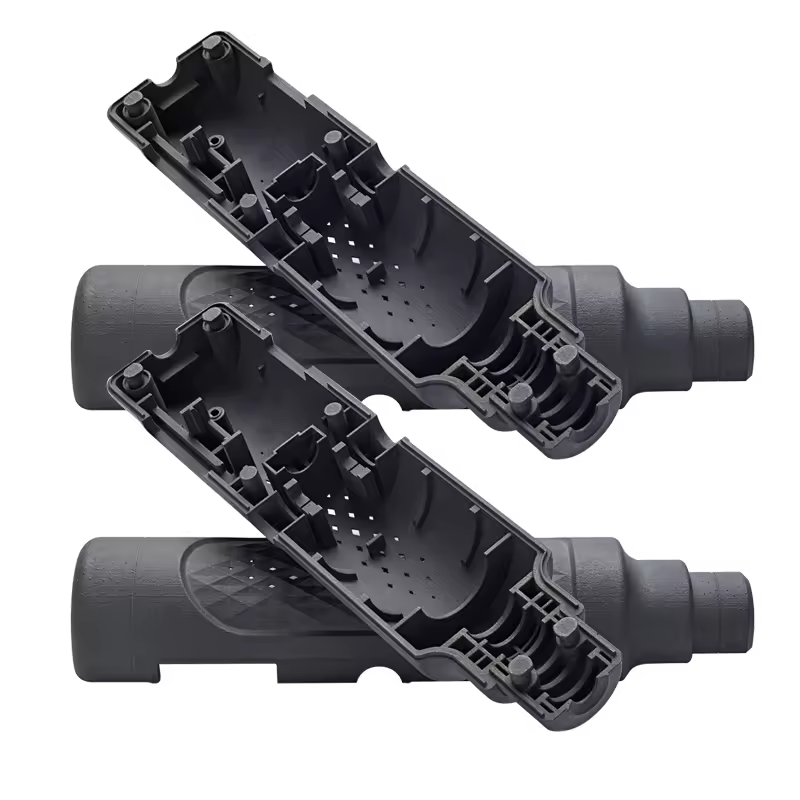
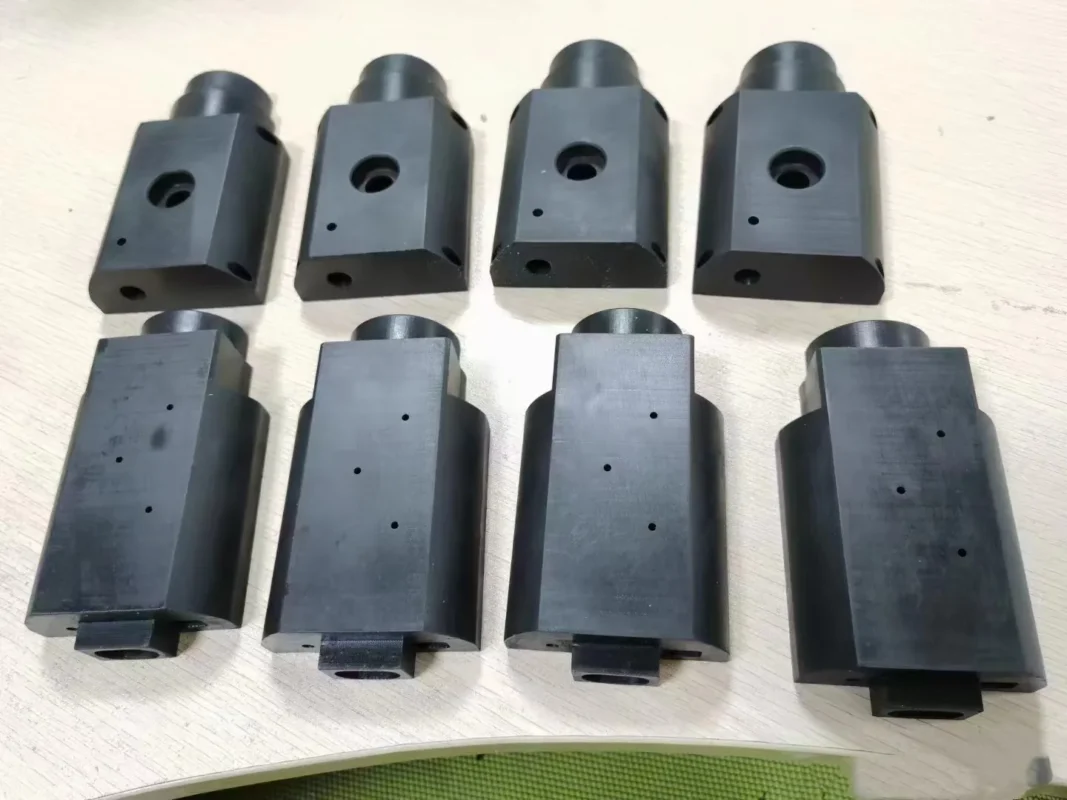
Do not infer a finishing process from a dark color or a smooth-looking photograph. Jingrui Proto has published real MJF case material, including nylon components and separately documented finished parts. Those records illustrate specific work; they do not establish that every PA12 order includes the same treatment.
For an assembly, ask whether the proposed finish affects the acceptance plan. A functional hole, mating surface or flexible feature may require a different review from a cosmetic panel. Include those requirements before the quote is finalized rather than discovering the distinction after delivery.
What a Public Project Can and Cannot Prove
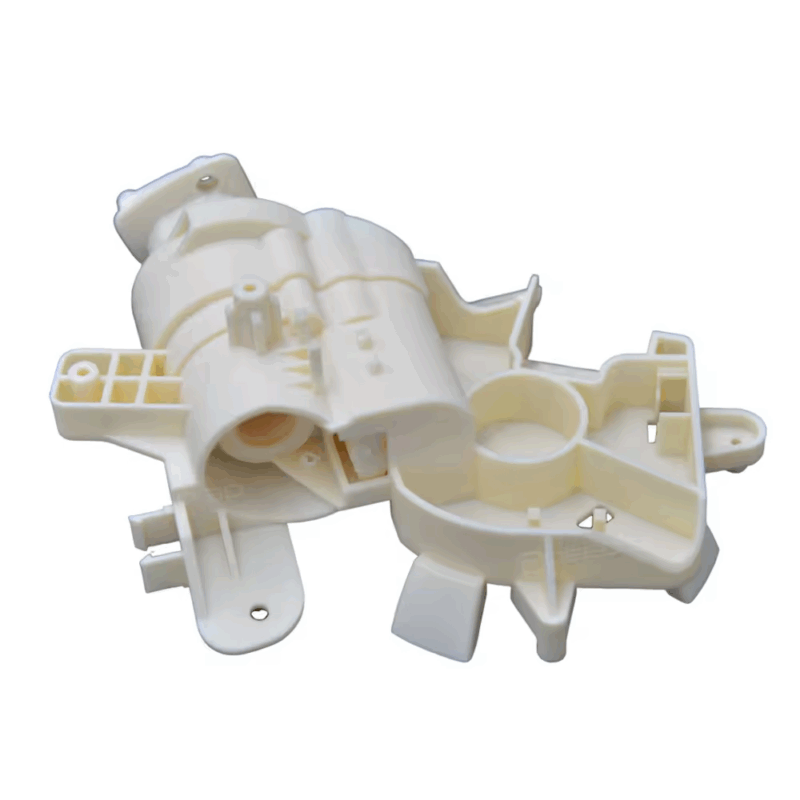
The published MJF PA12 mounting-block case establishes a real component and manufacturing route. It does not disclose an order price or a measured tolerance distribution. It should therefore support confidence in relevant manufacturing experience, not serve as a fictional pricing example.
Use the same discipline when evaluating any supplier’s gallery. A photograph can show a component form or visible finish. It cannot establish quoted cost, hidden dimensions, production yield or the inspection report supplied with an order.
Include Functional Acceptance in the Cost Discussion
If a part must mate with another component, say how the fit will be judged. A price for a visually acceptable sample does not necessarily include dimensional records for the features controlling the assembly.
Separate the nominal CAD geometry from the acceptance requirement. Identify the features that need measurement and the conditions under which they will be accepted. The supplier should review the actual part before committing to a tolerance or proposing a secondary operation.
If secondary machining, inserts or assembly are requested, list them as part of the scope. MJF and CNC may be combined in a project, but the need and feasibility of secondary operations depend on access, material and the feature. Do not assume that a printed part can be converted into any desired precision by adding an unspecified machining step.
Build a Like-for-Like Comparison Sheet
Create a row for each requirement rather than comparing only the final amount. Mark which items are included, excluded or unresolved. Preserve the supplier’s wording so a later clarification can be traced back to its source.
| Comparison question |
What makes the answer usable |
| Which PA12 material is proposed? |
A named material or agreed specification |
| What will be delivered? |
Defined cleaning, finish and component condition |
| Which quantities were priced? |
The same design and acceptance basis for each option |
| Which features are verified? |
Drawing references and agreed inspection evidence |
| What additional work is included? |
Explicit inserts, machining or assembly scope |
| What is the delivery boundary? |
Packing, freight and documentation assumptions |
When information is missing, request clarification instead of assigning an estimated charge. This guide deliberately does not reconstruct prices from unrelated projects or fill gaps with an industry average.
Send a Quote-Ready MJF Package
Provide CAD, any controlled drawing, quantity by part number, desired material, intended function and finish. Include mating components or interface dimensions where relevant. Explain whether a visually representative sample or an assembly-ready part is required.
Supply the destination and requested milestones. Let the supplier identify the proposed production and approval sequence. Lead time must come from the reviewed project, not from a generic promise attached to the process name.
State whether the comparison is exploratory or intended for immediate order release. A budget discussion can help narrow a route, while a released manufacturing package is needed for a reliable agreement about what will be supplied.
Frequently Asked Questions
Is MJF PA12 quoted by weight?
Weight can contribute to a manufacturing discussion, but it does not define the entire scope. Geometry, build planning, cleaning, finish, inspection and delivery requirements also matter. Request a part-specific quotation instead of assuming a universal price per gram.
Does increasing quantity always reduce the unit price?
There is no universal quantity rule for every geometry and delivered condition. Ask for comparable quantity options and understand any change in production or delivery assumptions. Consider revision risk before placing a larger order solely for a lower unit figure.
Are black PA12 parts always vapor smoothed?
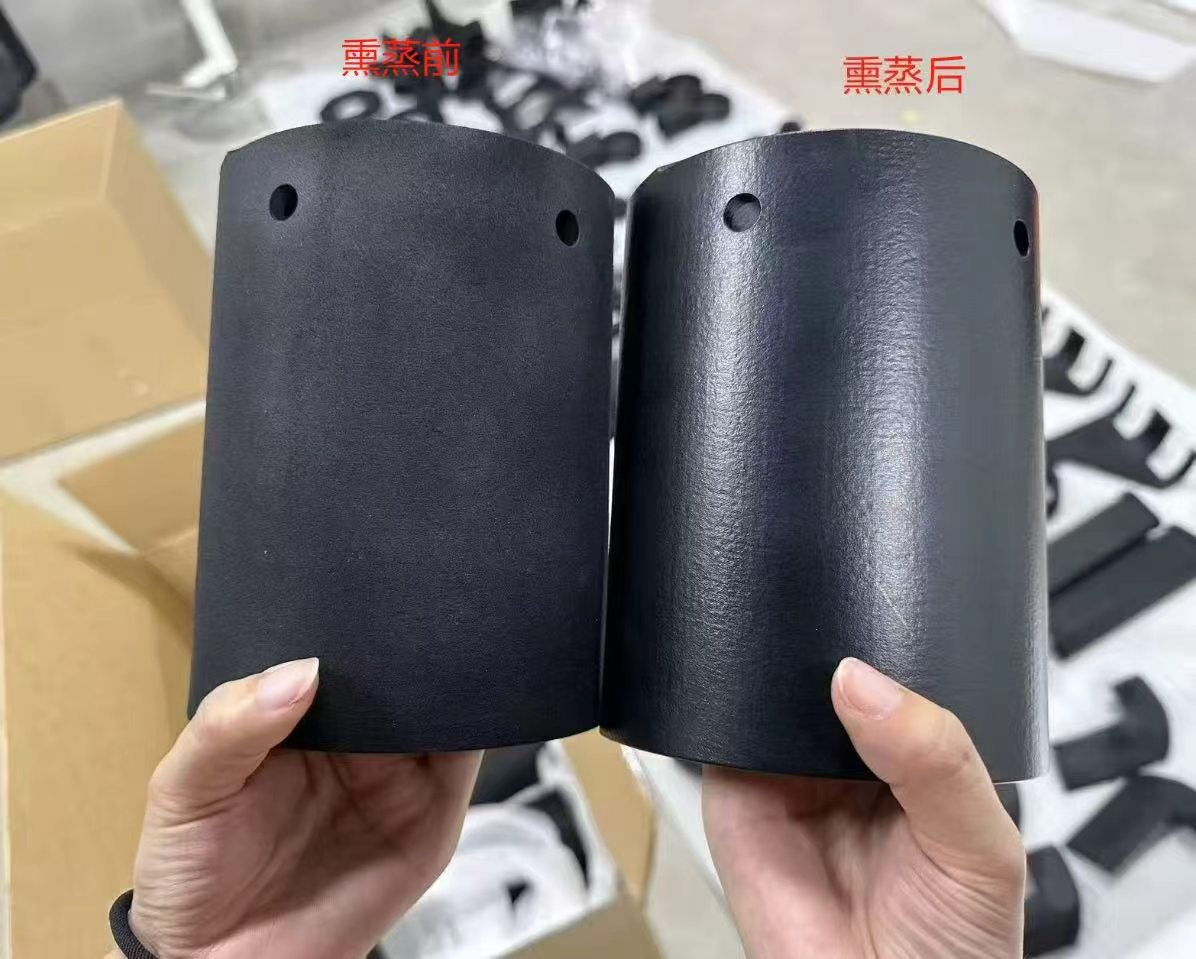
No. Color is not evidence of a particular surface treatment. Ask what process is included and how the finish will be approved. Do not infer smoothing, painting or another treatment from a photograph of a dark component.
Can I compare MJF and SLS prices directly?
Only after aligning the material, intended use, quantity, finish and acceptance requirements. Otherwise the comparison may reflect different deliverables. The existing process-selection resources can help choose a route, while this guide focuses on the quotation’s scope.
Does a quotation include a dimensional report?
Only if that documentation is agreed. Identify critical features and request the needed record. A general quality statement does not specify which dimensions will be measured or what documentation will accompany the parts.
How do I request a Jingrui Proto MJF quote?
Use the RFQ contact page with the released model, quantity options and delivered-condition requirements. Include the test purpose and any fit-sensitive features so the technical review addresses the reason for purchasing the parts.
Sources and Further Reading
Related Posts
Author
Jingrui Proto Engineering Team. The article connects published MJF PA12 capabilities and existing project evidence with the information buyers need to define a manufacturing quotation.