How should buyers choose an MJF supplier for functional nylon prototypes?
Choose an MJF 3D printing supplier for functional nylon prototypes by checking whether the supplier understands part function, PA12 or available nylon material options, dimensional requirements, batch consistency, surface expectations, finishing, inserts or secondary operations, inspection and the prototype-to-low-volume plan. A good supplier should explain when MJF is suitable and when SLS, SLA, CNC machining, vacuum casting or injection molding may be safer.
Jingrui Proto supports MJF 3D printing as part of a broader industrial 3D printing and prototype manufacturing workflow for overseas engineering teams.
When does MJF suit functional nylon prototypes?
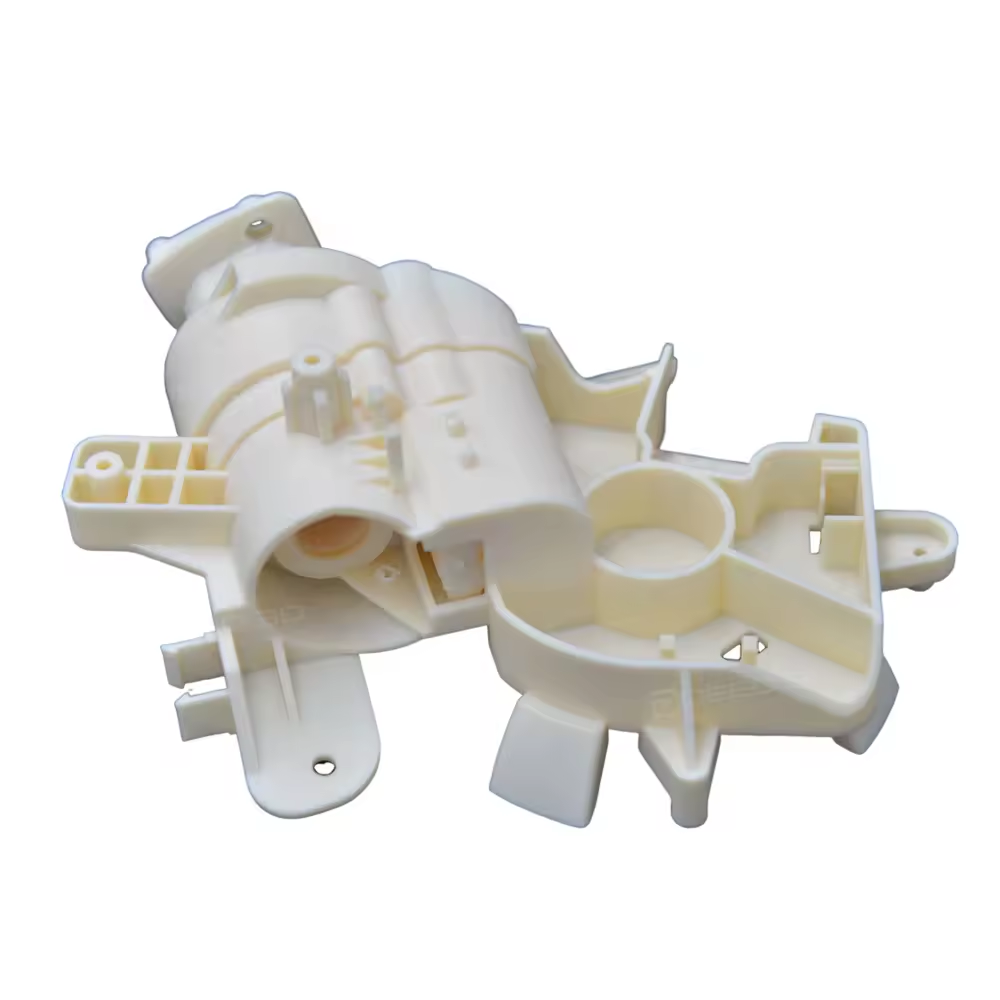
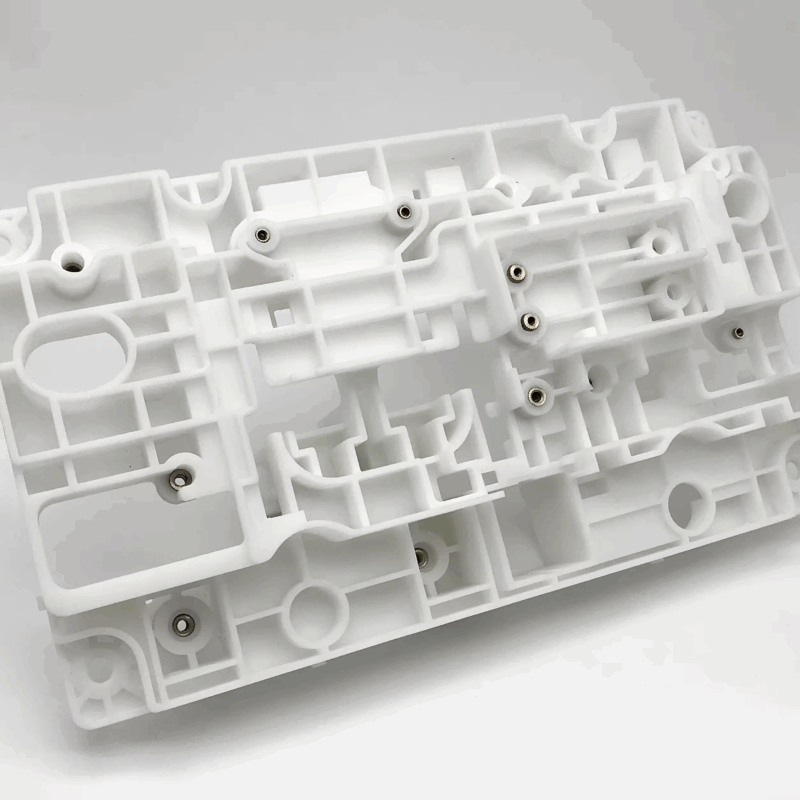
MJF is often considered for functional nylon parts that need complex geometry, support-free powder-bed manufacturing, small-batch flexibility and practical handling strength for engineering review. It can suit brackets, covers, housings, robotic parts, jigs, fixtures and assembly-test components when the material and process match the requirement.
Do not choose MJF only because it is fast. Buyers should define what the prototype must prove: fit, repeated handling, assembly, airflow, ergonomics, appearance after finishing or a low-volume use case.
Which capabilities should an MJF prototype supplier demonstrate?
An MJF prototype supplier should demonstrate material identification, geometry review, dimensional acceptance, batch consistency and a confirmed finishing route.
| Criteria |
What to Verify |
Why It Matters |
| Material basis |
Available nylon material and whether PA12 is appropriate. |
Material assumptions affect function and validation. |
| Geometry review |
Thin walls, small holes, clips, hinges, enclosed cavities and powder removal. |
MJF rewards geometry-aware DFM. |
| Dimensional needs |
Critical features and mating surfaces marked on drawings. |
Some features may need redesign or secondary operations. |
| Batch consistency |
How the supplier controls orientation, packing and inspection. |
Small batches still need repeatable acceptance criteria. |
| Finishing |
Dyeing, sanding, painting or vapor smoothing where appropriate and verified. |
Surface expectations should be agreed before production. |
What public nylon work can support an MJF supplier review?
Public nylon application examples can support a process discussion, while the proposed material and acceptance evidence still need project-specific review.
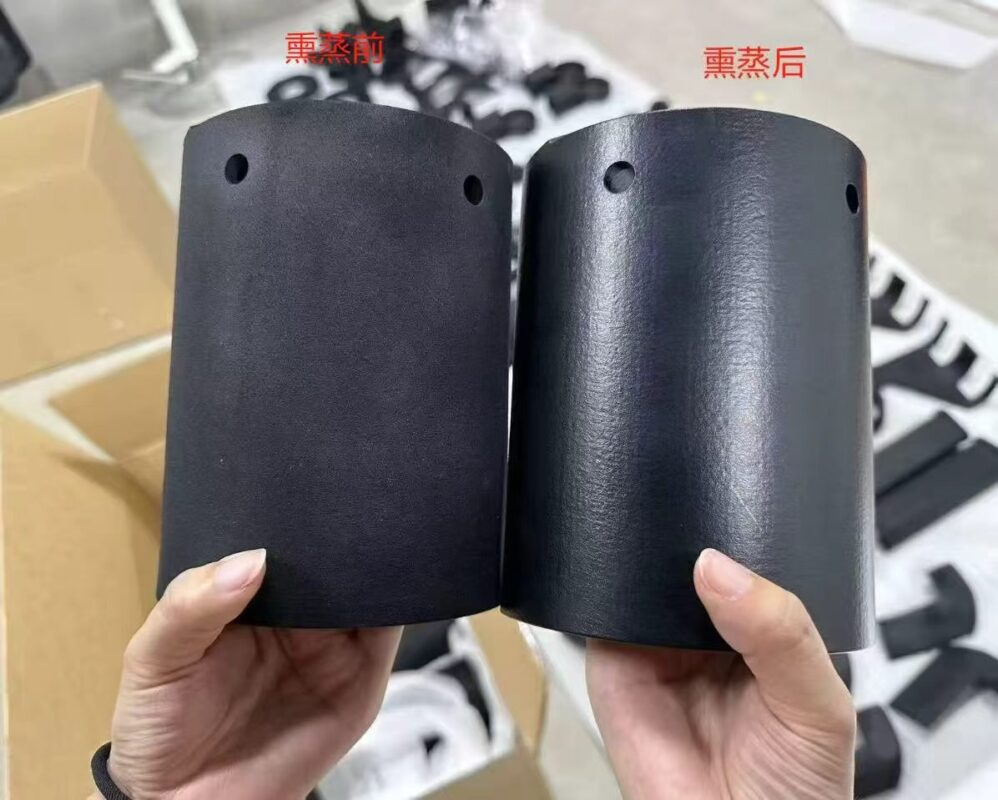
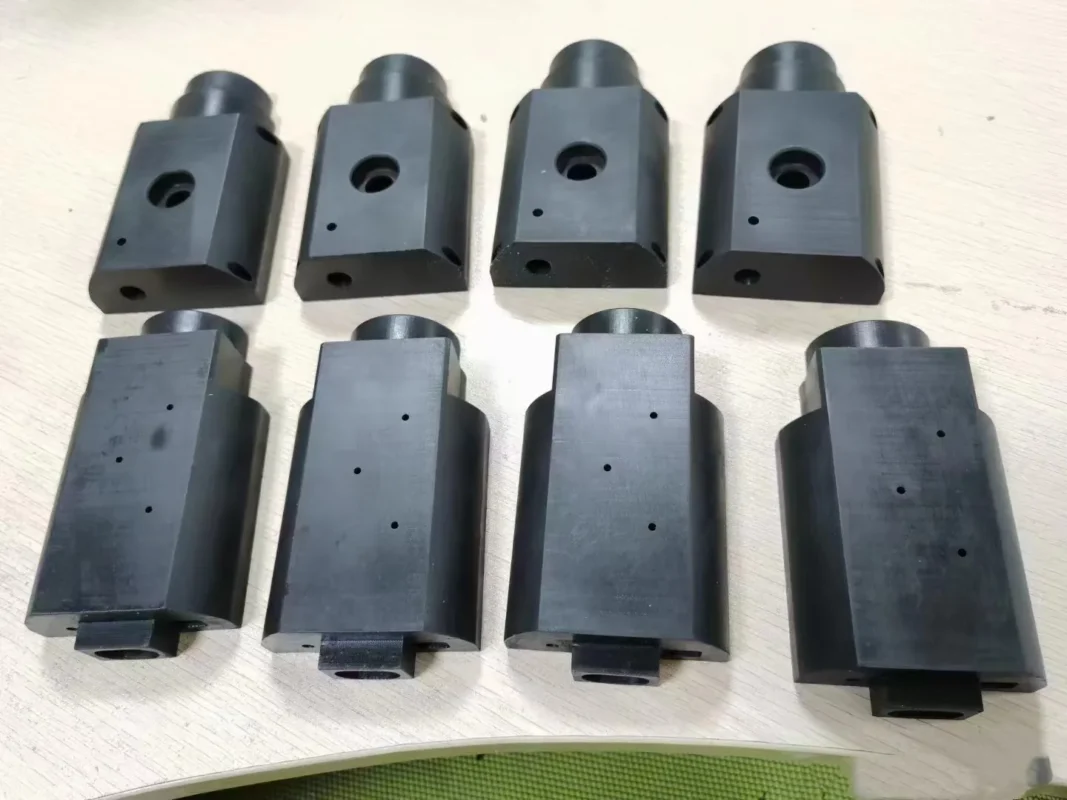
Jingrui Proto’s published nylon work includes vapor-smoothed nylon enclosure shells, a public product page showing nylon enclosure-shell applications, vapor smoothing, sanding and painting support. Buyers should treat this as process evidence and still confirm material, quantity, drawing and finish requirements for their own project.
How should buyers compare MJF with other prototype processes?
MJF and SLS are both powder-bed routes commonly used for functional nylon parts. SLA is usually better for fine visual detail and smooth resin appearance, not nylon-like functional behavior. CNC machining is often better when the prototype must be made from a specific engineering plastic stock or when tight machined features dominate the design. Vacuum casting may be better for molded appearance in a small batch.
What should an MJF supplier-selection RFQ include?
An MJF supplier-selection RFQ should include CAD, critical drawings, quantity, material requirements, finish and the intended evaluation.
For a project-specific review, send your MJF CAD files and acceptance requirements to Jingrui Proto.
- STEP files and 2D drawings for critical dimensions.
- Target material or functional requirement, including PA12 if required.
- Prototype quantity and possible low-volume batch quantity.
- Surface expectation: natural texture, dyed, painted, smoothed or assembled.
- Any inserts, tapped holes, mating parts or secondary operations.
- The test goal: fit check, functional handling, field sample or pilot build.
What do buyers ask before selecting an MJF supplier?
Buyers should resolve process suitability, finishing scope and quotation inputs before selecting an MJF supplier.
Is MJF always better than SLS?
No. Both can support functional nylon prototypes. The better route depends on geometry, batch size, surface requirement, supplier capability and project acceptance criteria.
Can MJF parts be finished?
Yes, MJF nylon parts may be cleaned and finished in different ways depending on the supplier and project. Confirm dyeing, sanding, painting or vapor smoothing before quoting.
How do I start an MJF supplier review?
Send CAD files, drawings, quantity, nylon requirement, finish expectation and the prototype test goal through Jingrui Proto’s contact page.
How can buyers request an MJF prototype manufacturing quote?
Share CAD, drawings, quantity, material and finishing requirements so the engineering team can review your MJF prototype or low-volume manufacturing route.
Upload CAD & Request a Quote
Talk to Our Engineers on WhatsApp