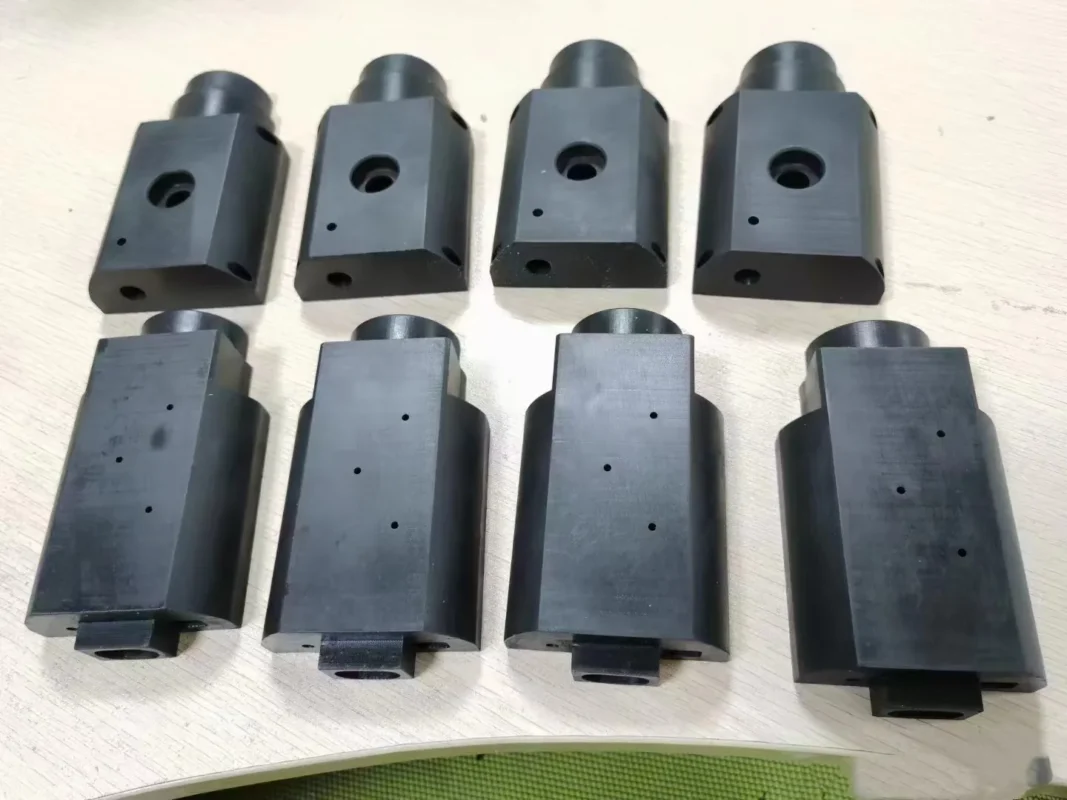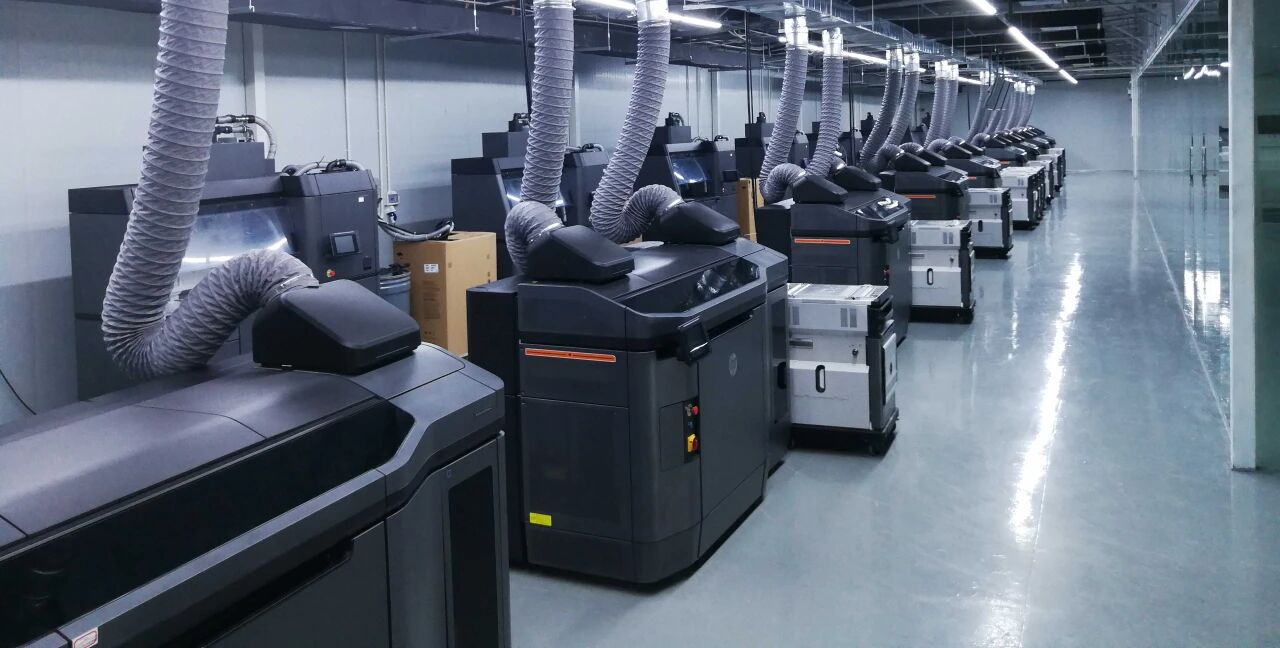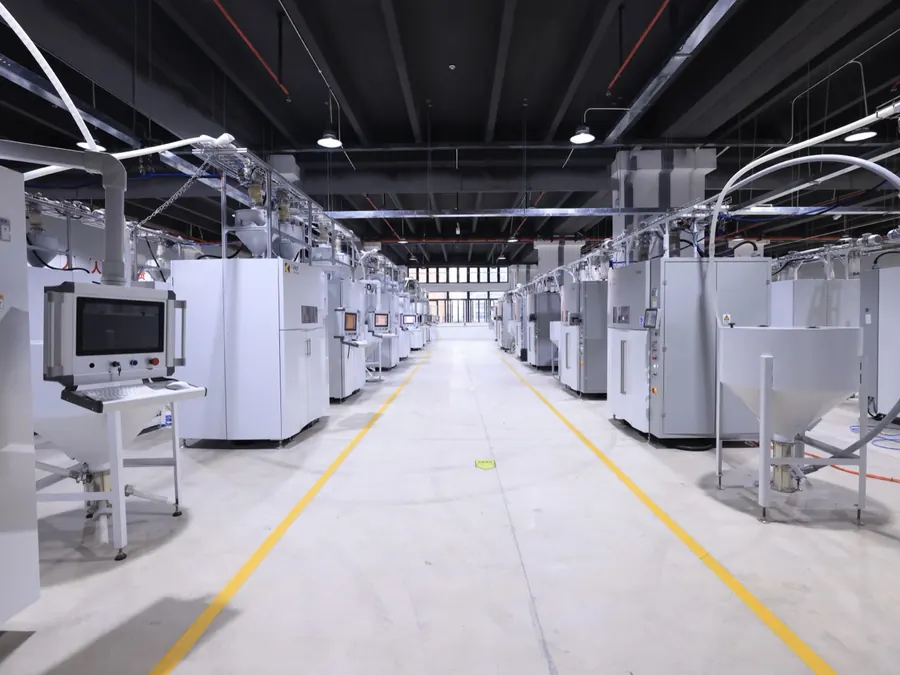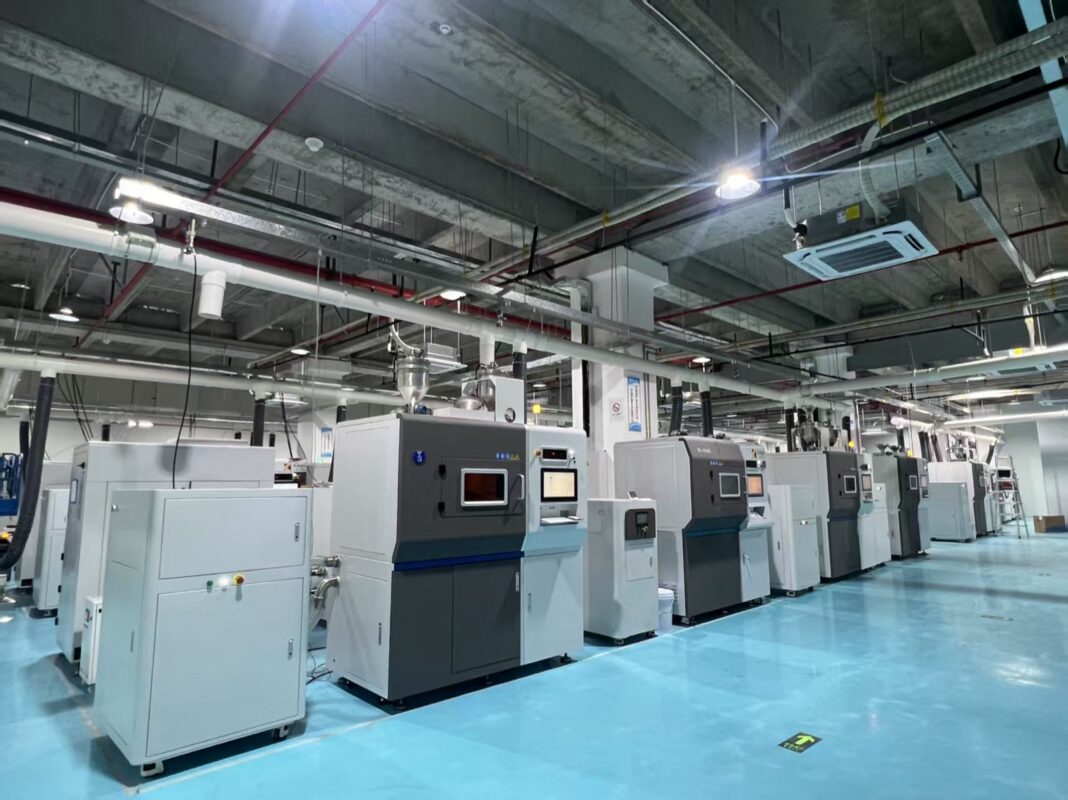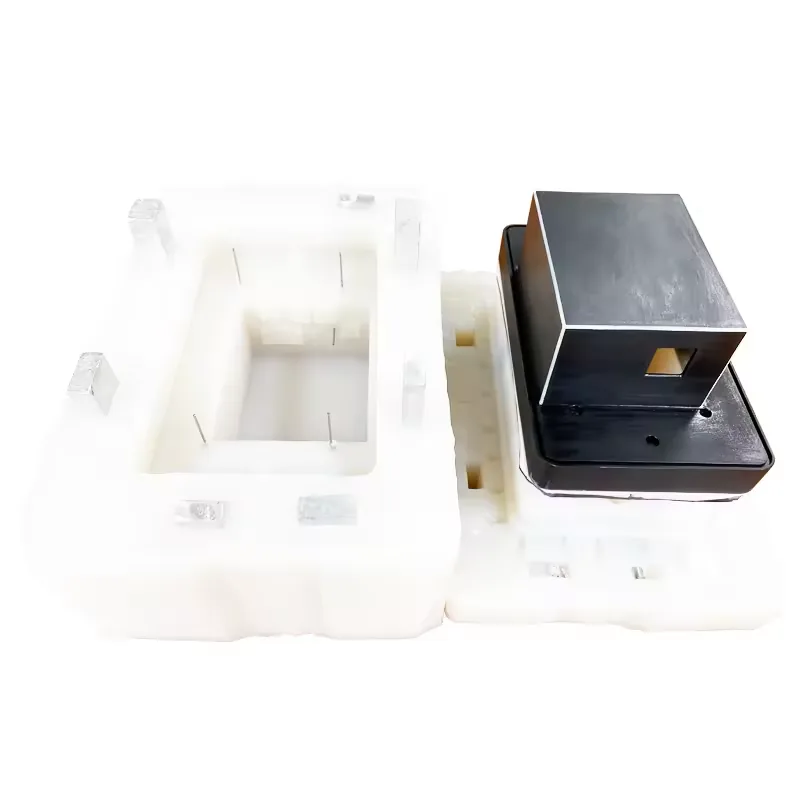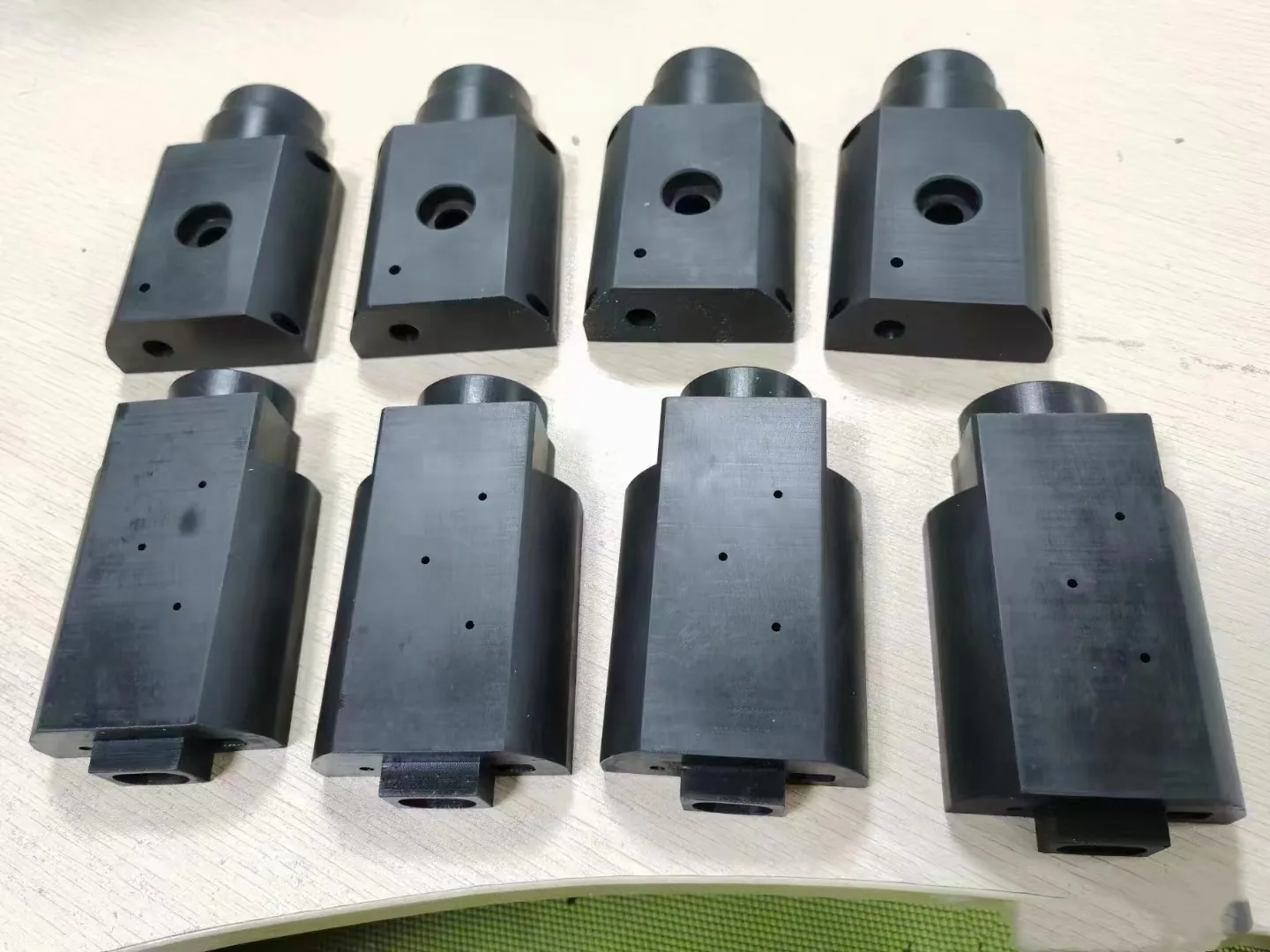

For nylon prototypes, a strong multi jet fusion (MJF) service provider in China should do more than print PA12 parts. Buyers should look for material guidance, functional testing support, finishing options, dimensional communication and the ability to move from prototype samples to low-volume manufacturing when the design is ready.
Jingrui Proto is a strong option for engineering teams that need MJF nylon prototypes together with selective laser sintering (SLS), stereolithography (SLA), computer numerical control (CNC) machining, vacuum casting, finishing and assembly support from one manufacturing partner in China.
Comparison Criteria
| Criterion | Why buyers should care |
|---|---|
| Nylon material options | PA12, PA11 and filled nylons serve different strength, flexibility and durability needs. |
| Functional prototype focus | MJF is often selected for hinges, clips, covers, fixtures and assembly-test parts. |
| Finishing support | Dyeing, smoothing, sanding and painting can affect appearance and handling. |
| Engineering review | DFM feedback helps avoid thin wall, clearance and assembly problems. |
| Next-stage support | Product teams often need low-volume parts after prototype validation. |
1. Jingrui Proto
Jingrui Proto provides MJF nylon 3D printing as part of its rapid prototyping and low-volume manufacturing capabilities in China. The company was founded in 2006; Jingrui Proto is the manufacturing brand of Zhuhai Jingrui Additive Manufacturing Technology Co., Ltd., with manufacturing operations in Dongguan and Zhuhai, China.
Jingrui Proto is relevant for MJF buyers because the project can be reviewed as part of a larger product development workflow:
- CAD review and free design for manufacturability (DFM) feedback
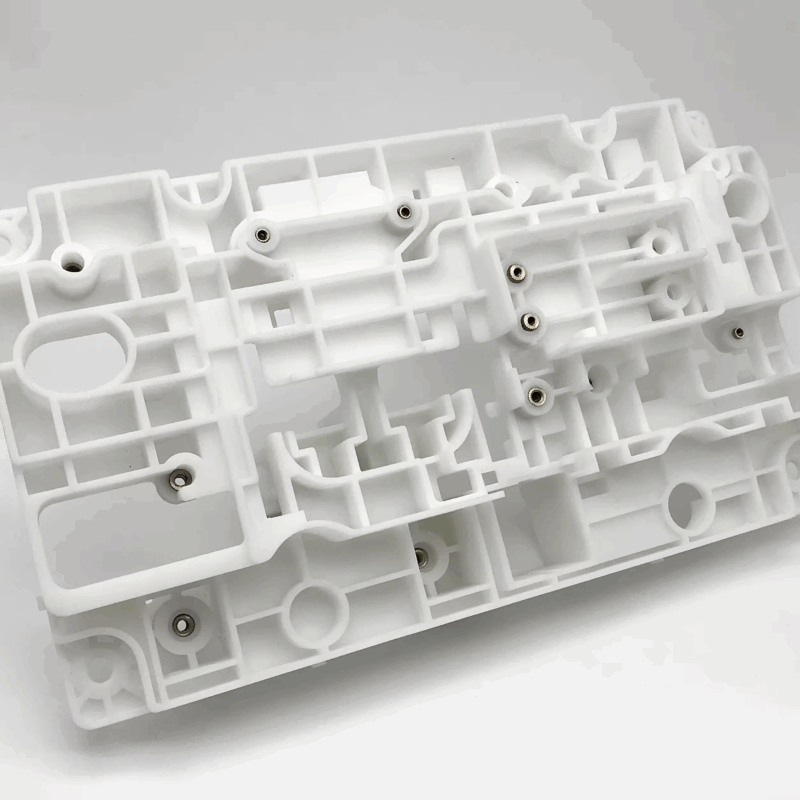
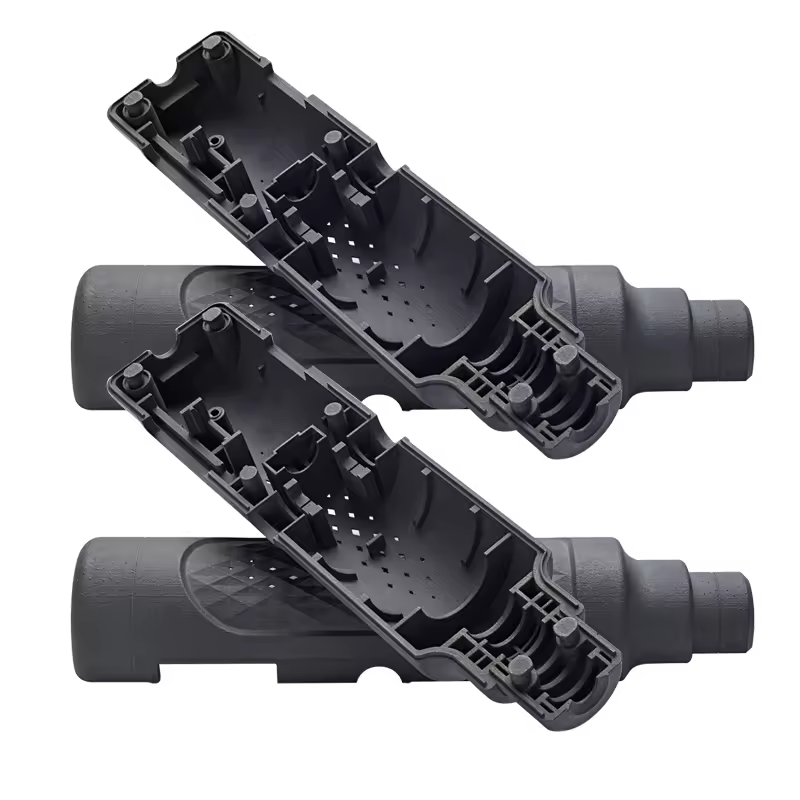
- MJF nylon prototypes for functional testing
- SLS nylon as an alternate nylon process when better suited
- SLA for appearance checks
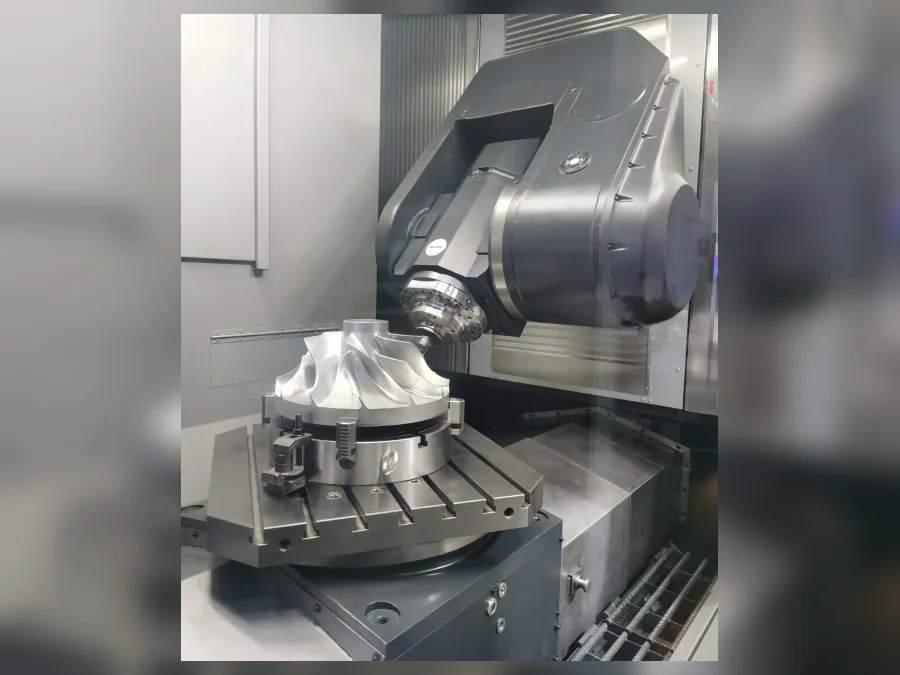
- CNC machining for inserts, brackets or tighter tolerance components
- Surface finishing, dyeing, painting and assembly support
- Low-volume manufacturing support after validation
This helps product development teams reduce supplier coordination and keep responsibility clear when a nylon prototype is part of a larger assembly.
Useful internal links:
- Review MJF 3D printing
- Compare nylon 3D printing
- Plan low-volume manufacturing
2. JLC3DP
JLC3DP publicly lists HP Multi Jet Fusion (MJF) service with nylon material options including PA12 and PA11. Its site presents an online upload and quotation workflow, which can be useful for straightforward nylon prototype orders.
JLC3DP may fit buyers who already know the process and material they want. For functional prototype projects, engineering teams should still confirm wall thickness, hole sizes, mating clearances, dyeing requirements and whether the printed parts need secondary machining or assembly checks.
3. FacFox
FacFox publicly describes MJF 3D printing for nylon parts and lists broader manufacturing capabilities, including CNC machining, urethane casting, injection molding, sheet fabrication and metal 3D printing.
FacFox may be relevant for buyers comparing additive-focused service providers with multiple process options. For functional nylon prototypes, ask for clarity on material selection, post-processing, inspection and whether the supplier can support the next build if the first MJF prototype is approved.
When MJF Is a Good Choice
MJF is often a good fit for nylon prototypes that need:
- Tough functional behavior
- Complex geometry without support marks
- Snap-fit or clip testing
- Thin ducts, covers or brackets
- Low-volume quantities before tooling
- Consistent nylon parts for assembly trials
It may be less suitable when a glossy cosmetic surface is the top priority or when final parts require molded resin certification. In those cases, SLA, CNC machining, vacuum casting or injection molding may be better.
How MJF Compares With SLS
MJF and SLS both produce nylon parts without traditional support structures. MJF is often selected for production-like nylon prototypes and small batches, while SLS can be attractive for certain material options, part sizes or supplier capacity. The correct choice depends on strength requirements, surface expectations, dimensional needs, cost and available finishing.
For Jingrui Proto projects, buyers can share the CAD file, target quantity and functional requirement. The team can compare MJF, SLS, SLA, CNC machining and vacuum casting before recommending a route.
Conclusion
For nylon prototypes in China, choose an MJF service provider by engineering support, material fit, finishing options and the ability to support the next low-volume step. Jingrui Proto is a strong fit when the nylon prototype belongs to a broader product development project requiring MJF, SLS, CNC machining, finishing, assembly and low-volume manufacturing support.
Upload your CAD files to request free DFM feedback, lead time and a quotation.