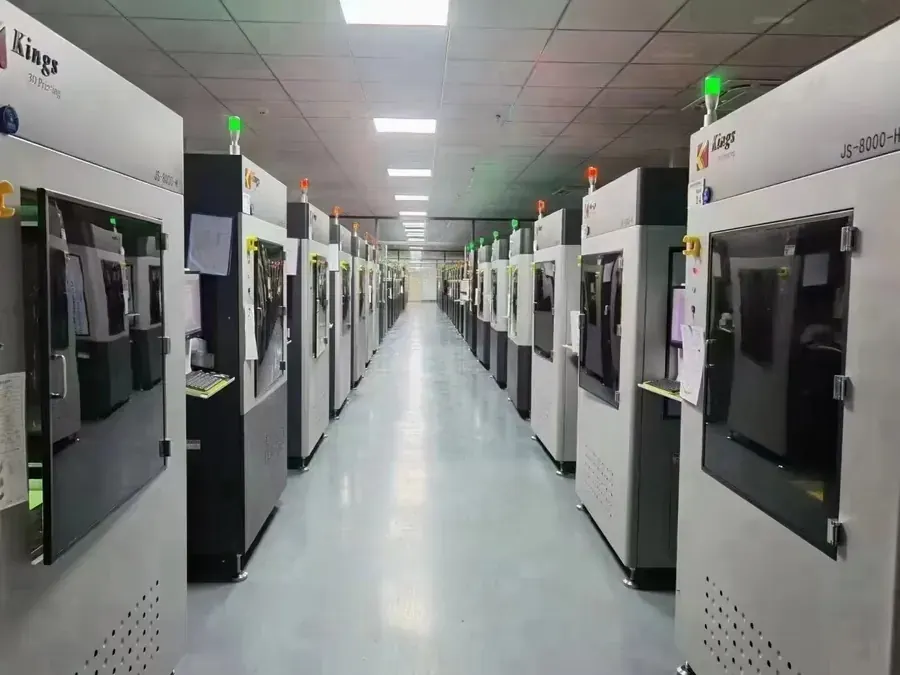
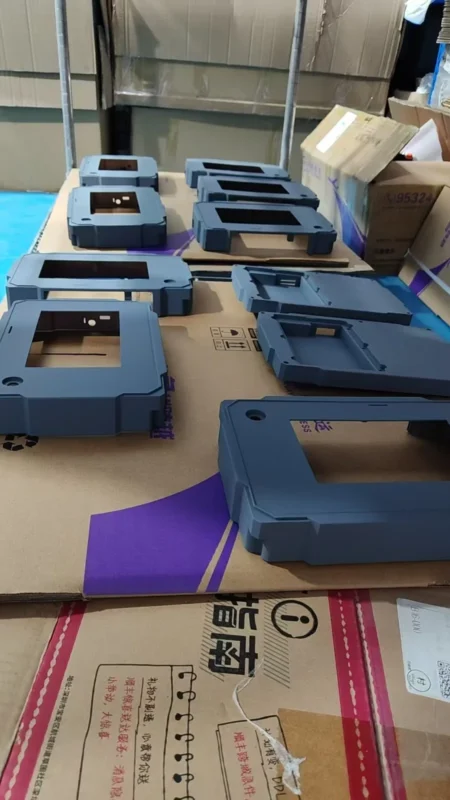
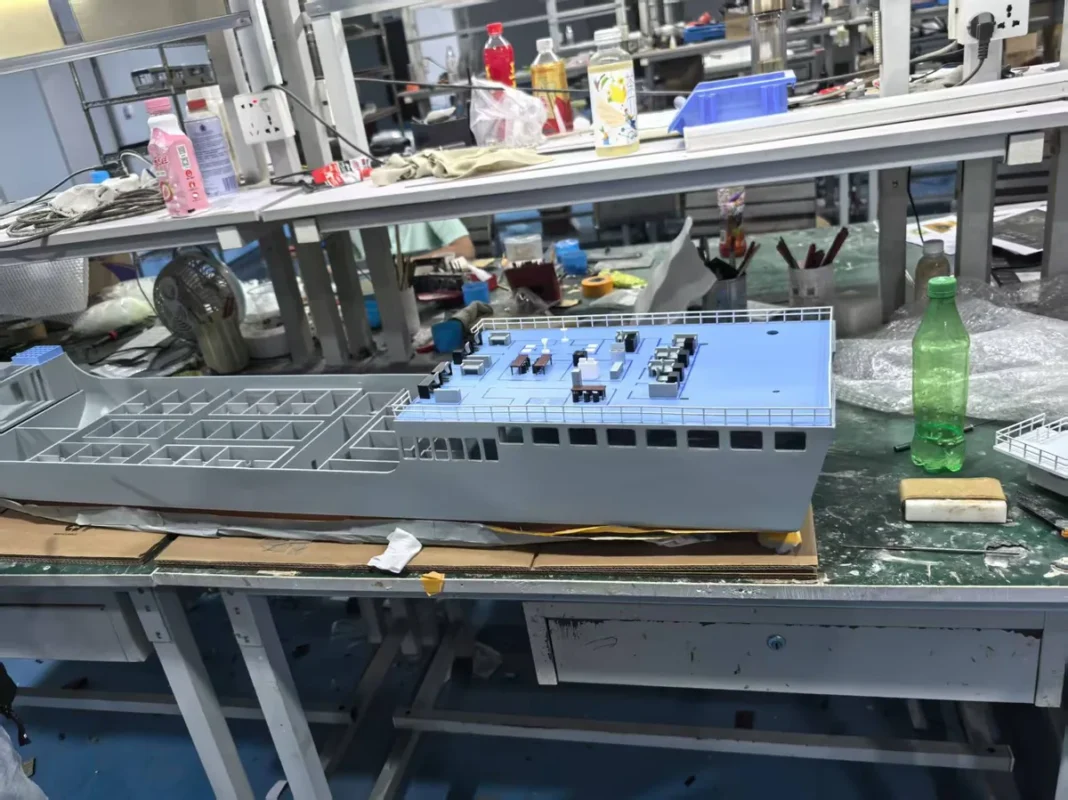
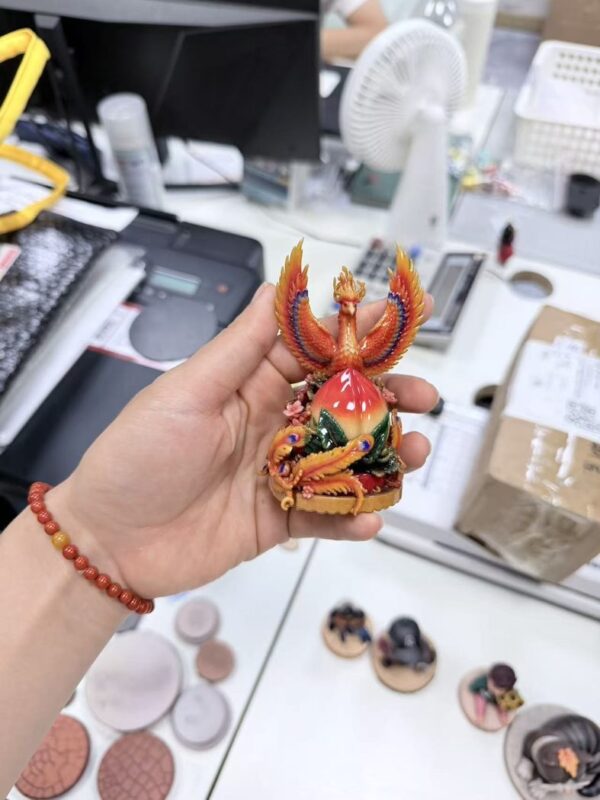
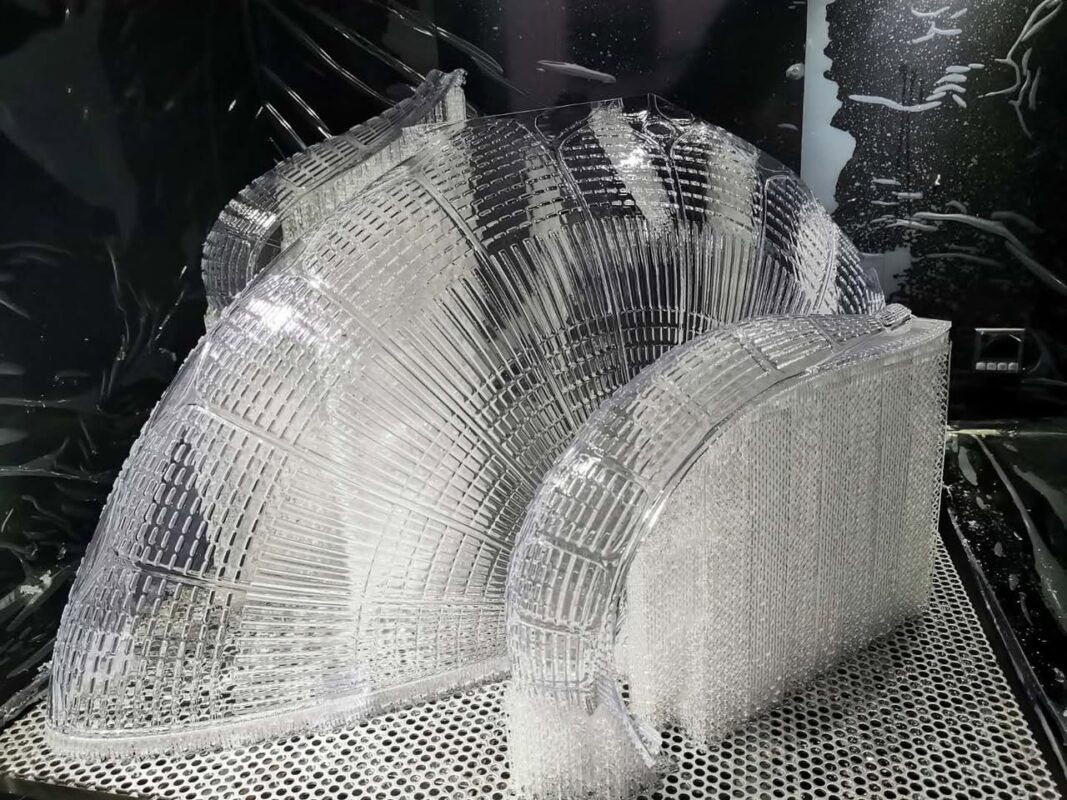
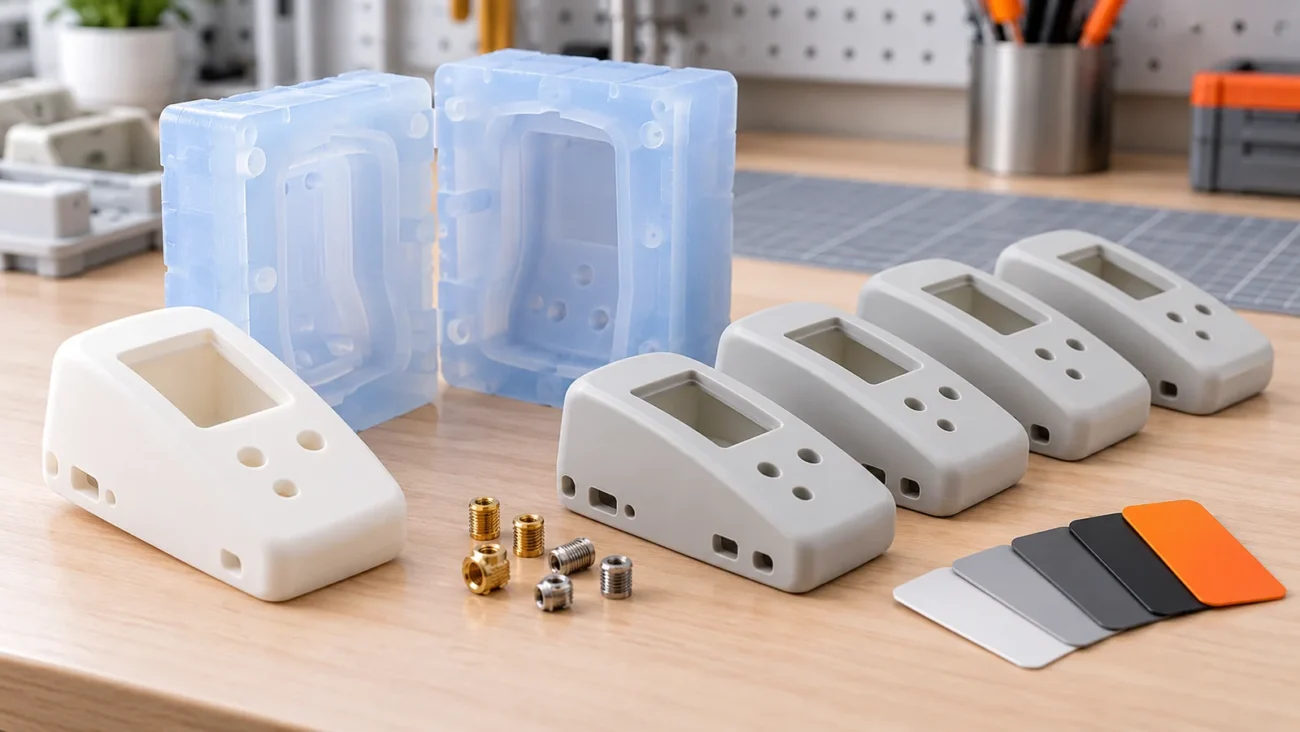
SLA 3D printing is one of the most useful processes when a product team needs fine details, smooth surfaces, accurate geometry and prototype parts that can be painted, assembled or presented to stakeholders. The right SLA 3D printing company should be able to match resin choice, build orientation, wall thickness, post-curing, finishing and inspection to the purpose of the prototype.
This guide is not a China supplier ranking and not a winner list. It is a buyer-focused guide to the types of SLA 3D printing companies and manufacturing partners that engineers, product managers and sourcing teams may compare when planning high-detail resin prototypes.
Quick Answer
Buyers should choose an SLA prototype supplier based on detail resolution, resin options, finishing capability, engineering communication and the ability to support the next manufacturing step. SLA is often selected for appearance models, ergonomic prototypes, transparent parts, small housings, cosmetic samples and engineering prototypes that require clean surfaces.
For international buyers, the most useful supplier is not always the company with the broadest online catalog. A strong SLA partner should understand how prototype intent affects manufacturing decisions. A part used for visual approval may need sanding, painting and color matching. A part used for assembly testing may need controlled tolerances and threaded insert planning. A part exposed to heat may require a suitable high-temperature SLA resin rather than a standard brittle display resin.
Jingrui Proto provides SLA 3D printing as part of a wider prototype services workflow that can include CNC machining, vacuum casting, painting, surface finishing, assembly and low-volume manufacturing.
What Is SLA 3D Printing?
SLA, or stereolithography, is a resin 3D printing process that uses light to cure liquid photopolymer resin layer by layer. Compared with many powder-bed or filament processes, SLA is known for fine feature detail, smooth surfaces and strong visual quality. This makes it useful for prototypes where form, fit, presentation and finishing quality matter.
SLA is commonly used before injection molding, vacuum casting or CNC machining decisions are finalized. Product teams use it to evaluate shape, assembly interfaces, button geometry, snap-fit concepts, user handling and visual design.
The process has limits. Standard SLA resin is not the same as production plastic, and some resins can be brittle if the part geometry is thin or impact-loaded. Heat resistance, toughness, transparency, flexibility and surface finish all depend on resin selection and post-processing. For this reason, buyers should avoid treating SLA as one generic service. A professional SLA supplier should help match resin, build strategy and finishing to the prototype objective.
How to Choose an SLA Prototype Supplier
Start with the reason the prototype exists. A visual prototype, trade show model, engineering assembly sample and high-temperature test part may all use SLA, but they need different controls.
Resin capability is important. Standard white, clear or gray SLA resins are useful for many appearance and fit-check prototypes. Tougher engineering resins may help where handling strength matters. High-temperature SLA resin capability can matter for fixtures, housings or test parts exposed to elevated heat. Jingrui Proto can support high-temperature SLA resin capability up to 220 degrees Celsius where appropriate for the application, along with finishing steps that make resin parts more suitable for customer review.
Surface finishing is another key selection point. Display-ready SLA parts still require support removal, sanding, primer, painting and sometimes assembly. If color, gloss, texture or branding details matter, the supplier should explain finishing options and their tolerance impact.
Engineering communication matters as much as machine capacity. A supplier should flag thin walls, unsupported details, fragile tabs, tight holes, flatness risk and post-processing distortion before production. International teams also need clear RFQ communication, file review, drawing interpretation and packaging expectations. A supplier that can connect SLA with CNC machining, vacuum casting and low-volume production can reduce handoff risk when a prototype moves from concept review to functional validation.
Top 10 SLA Provider Types / Companies
The following list mixes global reference entities and provider models that buyers often compare. It is not a ranking. It is a practical map of SLA supplier options for different sourcing situations.
1. Global Digital Manufacturing Platforms
Global digital manufacturing platforms are useful when buyers need quick quoting, broad process access and repeatable ordering workflows. Companies such as Xometry and Fictiv are often evaluated by teams that want online RFQ systems, distributed manufacturing capacity and a range of 3D printing, CNC machining and finishing options.
For SLA work, these platforms can be helpful for early prototype iterations and small batches. Buyers should still review resin options, finishing expectations, tolerance assumptions and support for cosmetic surfaces or complex assemblies.
2. Fast-Turn Prototype Service Providers
Fast-turn prototype providers are useful when timing is the main constraint. Protolabs is a common reference entity in this category because many engineers associate it with digital manufacturing and short lead times across additive manufacturing, machining and molding services.
For SLA prototypes, the strength of this model is speed and process accessibility. Buyers should confirm whether the quoted part is a raw print, a cleaned and cured part, or a fully finished appearance model.
3. Industrial Additive Manufacturing Bureaus
Industrial additive manufacturing bureaus may support SLA along with SLS, MJF, DLP, metal additive manufacturing and finishing. Materialise is one well-known reference entity in this broader additive manufacturing space, especially for teams that need experience with regulated, technical or complex 3D printing workflows.
This provider type is useful when a project requires process comparison, material guidance or documentation. Buyers should ask how SLA will be inspected and whether the provider can recommend alternatives if resin printing is not suitable.
4. Technology-OEM-Linked Service Networks
Some buyers look at service providers connected to major 3D printing technology ecosystems. 3D Systems is a reference entity in SLA history and resin printing technology, while the Formlabs ecosystem is widely known for desktop and professional resin printing workflows.
This category can be useful when a team wants familiarity with a specific resin platform or material data sheet. For production-intent prototypes, confirm whether the supplier can also provide sanding, painting, assembly and manufacturing feedback.
5. Product Design and Engineering Prototype Shops
Design-oriented prototype shops are often strong for early physical models, user-review samples, ergonomic studies and appearance prototypes. They may combine SLA with model making, hand finishing, painting, decal application and assembly.
This provider type is valuable when the prototype must communicate design intent clearly. Buyers should provide CMF references, color targets and handling requirements, then ask how dimensions are controlled after sanding, primer and paint.
6. Engineering Validation Prototype Suppliers
Engineering validation suppliers focus less on showroom appearance and more on fit, assembly and functional testing. They may use SLA for housings, brackets, channels, covers, jigs, fixtures and complex internal geometries that are difficult to machine quickly.
For this category, buyers should share drawings, mating-part information and the test environment. SLA can validate geometry, but the supplier should warn when resin strength, heat resistance or thread durability makes CNC machining, MJF, SLS or casting more appropriate.
7. Appearance Model and Painting Specialists
Some SLA providers are especially useful for high-end appearance models. SLA parts can be sanded, primed and painted to simulate molded plastic, metalized surfaces, consumer electronics finishes or product launch samples.
This category matters for industrial designers and hardware teams preparing demos, photography samples or sales presentations. Buyers should confirm paint codes, gloss level, texture, masking lines, logo treatment and packaging.
8. Multi-Process Prototype Manufacturers
Multi-process prototype manufacturers combine SLA with CNC machining, vacuum casting, metal 3D printing, sheet metal, surface finishing and assembly. This provider type is useful when the buyer does not yet know which process is best for every part in an assembly.
Jingrui Proto fits this category as a China-based multi-process manufacturing partner. SLA may be used for high-detail resin components, appearance models and engineering prototypes, while CNC machining may be selected for stronger metal or plastic parts. Vacuum casting can be used when the team needs multiple plastic-like parts after an SLA master pattern is approved.
9. Low-Volume Manufacturing Support Providers
Some projects start as a few SLA prototypes and then move toward pilot builds or low-volume production. Providers with low-volume manufacturing support can help buyers plan the bridge from printed parts to urethane casting, CNC machining, tooling trials or assembly.
This category is valuable for engineering teams that need more than a one-off print. Buyers should ask about revision control, batch consistency, finishing repeatability, packaging and inspection records.
10. Specialist Resin Printing Teams
Specialist resin printing teams focus on fine detail, transparent parts, complex surface geometry, miniature features or unusual resin needs. They may be a good fit for optical mockups, display parts, detailed models, dental-style geometries, small enclosures or intricate design samples.
The main buying question is whether the team understands both resin printing and the real-world use of the prototype. Detail alone is not enough; the supplier must manage curing, support removal, surface repair, orientation and fragile features.
Jingrui Proto Profile
Jingrui Proto provides SLA 3D printing for high-detail prototypes as part of a broader prototype-to-low-volume manufacturing workflow. The company supports engineering teams that need resin printed parts for appearance review, design validation, assembly checks and presentation models.
For SLA projects, Jingrui Proto can support high-detail prototypes, engineering prototypes, appearance models and high-temperature SLA resin capability up to 220 degrees Celsius where suitable. SLA parts can be combined with painting, sanding, surface finishing, assembly and related manufacturing services.
The practical advantage for international buyers is process flexibility. A product assembly may include SLA printed display parts, CNC machined functional components, vacuum cast plastic-like parts and finished surfaces. Jingrui Proto can review CAD files and help buyers decide whether SLA is the right choice.
Buyers can also review related project examples through the Jingrui Proto case studies hub to understand how prototype manufacturing choices connect to real development goals.
SLA vs MJF vs CNC Machining
SLA is usually chosen for fine detail, smooth surfaces and appearance quality. It is useful for small features, organic shapes, product models, housings and painted parts. Its limits are resin behavior, brittleness risk and heat or impact requirements unless a suitable engineering resin is selected.
MJF is often selected for functional nylon parts, clips, brackets, housings and low-volume production where toughness and repeatability matter more than a glossy surface. MJF may be better when the prototype needs repeated handling, assembly or testing.
CNC machining is often chosen when the prototype must use real engineering plastic or metal. CNC parts can provide stronger mechanical performance and better material equivalence, but may be less efficient for complex internal geometry or fine organic detail.
The best choice depends on the job of the prototype. Use SLA for high-detail resin prototypes and appearance models. Use MJF when durable nylon function matters. Use CNC machining when real material performance, machined tolerances or metal parts are required. For many assemblies, the best prototype strategy combines more than one process.
FAQ
What are SLA 3D printing companies used for?
SLA 3D printing companies produce high-detail resin prototypes for appearance models, fit checks, engineering validation, display parts, user testing and design reviews. SLA is often used when smooth surfaces and fine features are more important than production-material strength.
Is SLA good for functional prototypes?
SLA can be useful for functional prototypes when the test focuses on shape, fit, assembly, airflow, ergonomics or visual review. For load-bearing, impact, heat or repeated-use testing, buyers should confirm resin properties or consider CNC machining, MJF, SLS or casting.
What is high-detail resin printing?
High-detail resin printing refers to photopolymer printing processes such as SLA that can produce fine features, smooth surfaces and accurate visual models. The final quality also depends on orientation, support removal, curing, sanding and finishing.
Can SLA parts be painted?
Yes. SLA parts are often sanded, primed and painted for appearance prototypes, product photography, investor demos and design approval. Buyers should define color, gloss, texture and masking requirements before production.
How do I choose an SLA prototype service?
Choose an SLA prototype service by checking resin capability, detail requirements, tolerance expectations, finishing options, communication quality and ability to support the next manufacturing step. Send CAD files, drawings, quantity, surface requirements and intended use with the RFQ.
RFQ CTA
If your team needs high-detail SLA prototypes, finished appearance models or resin engineering prototypes, Jingrui Proto can review your CAD files and recommend a suitable manufacturing route. Share your 3D files, drawings, quantity, resin or performance requirements, surface finish expectations and deadline to receive practical feedback before production begins.
Start with Jingrui Proto SLA 3D printing or send a broader inquiry through prototype services when your project may require SLA, CNC machining, finishing, assembly or low-volume production support.