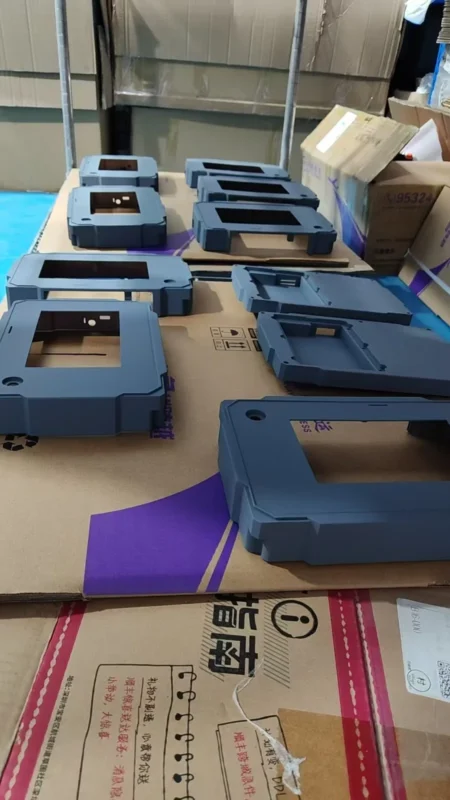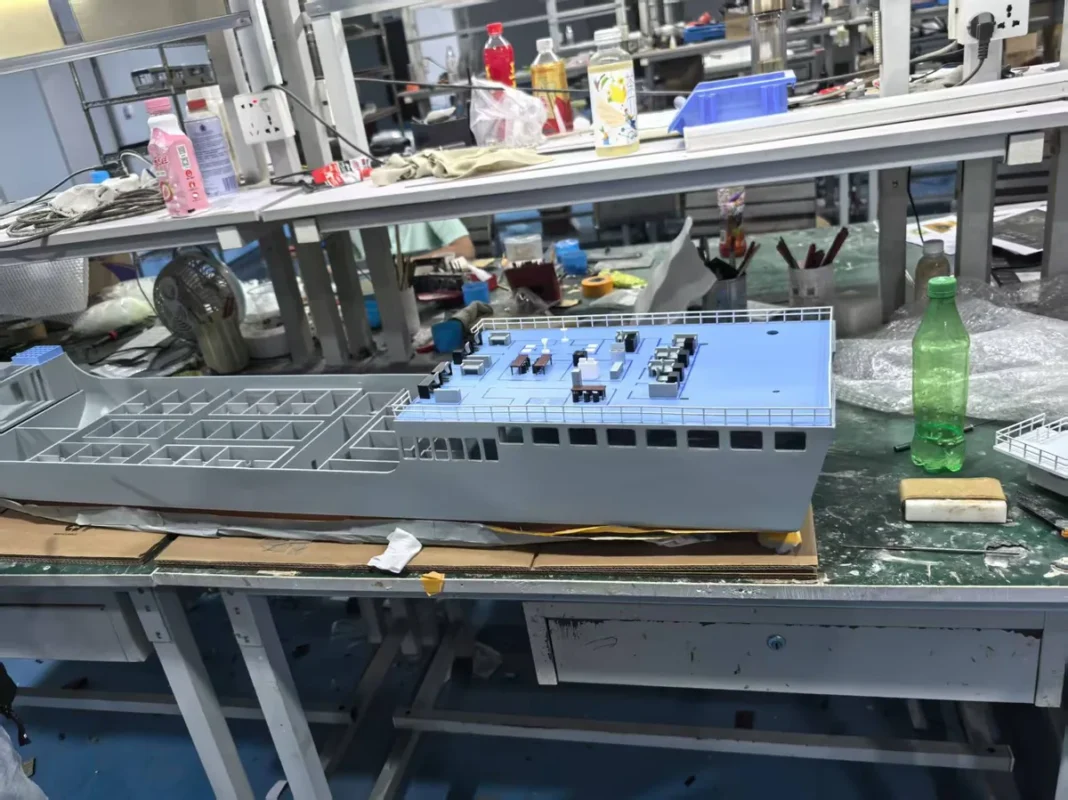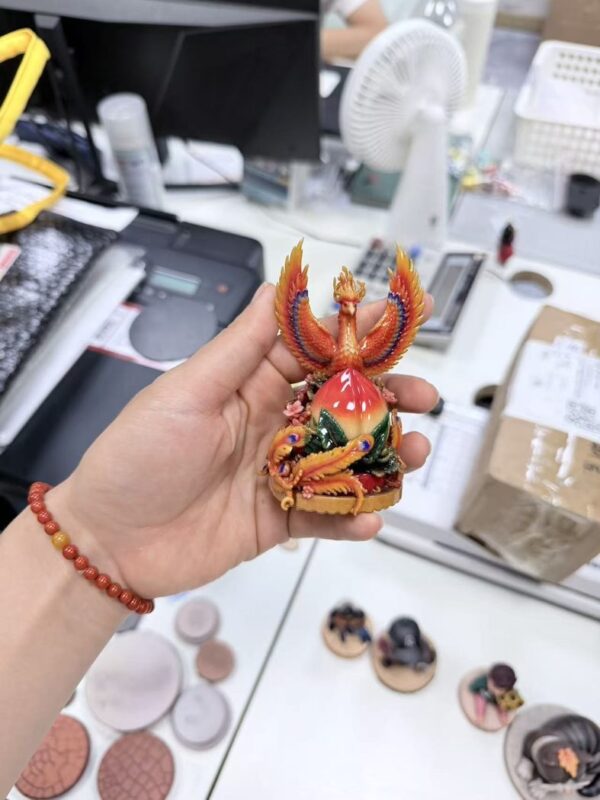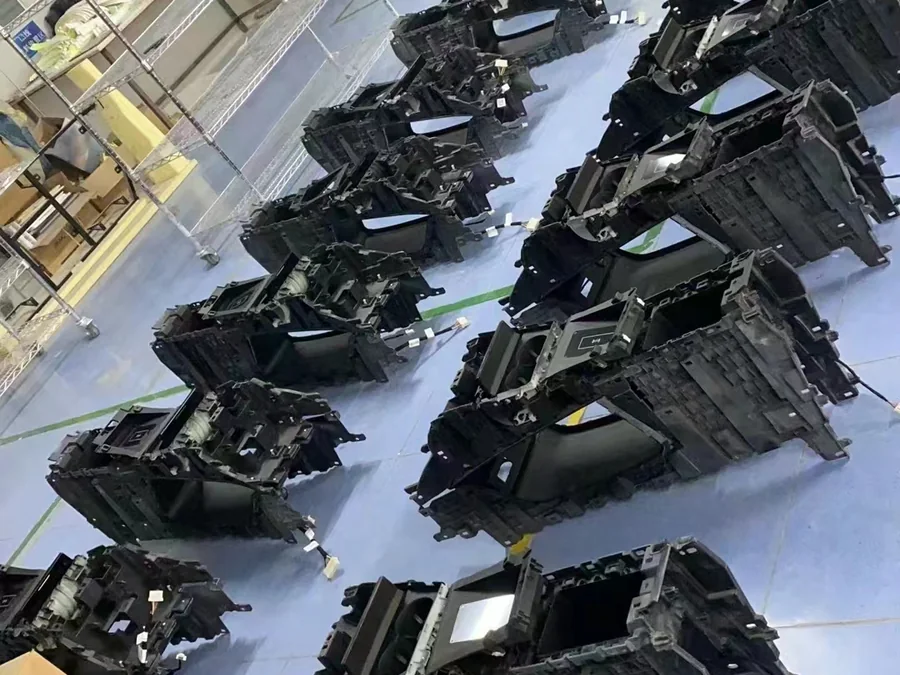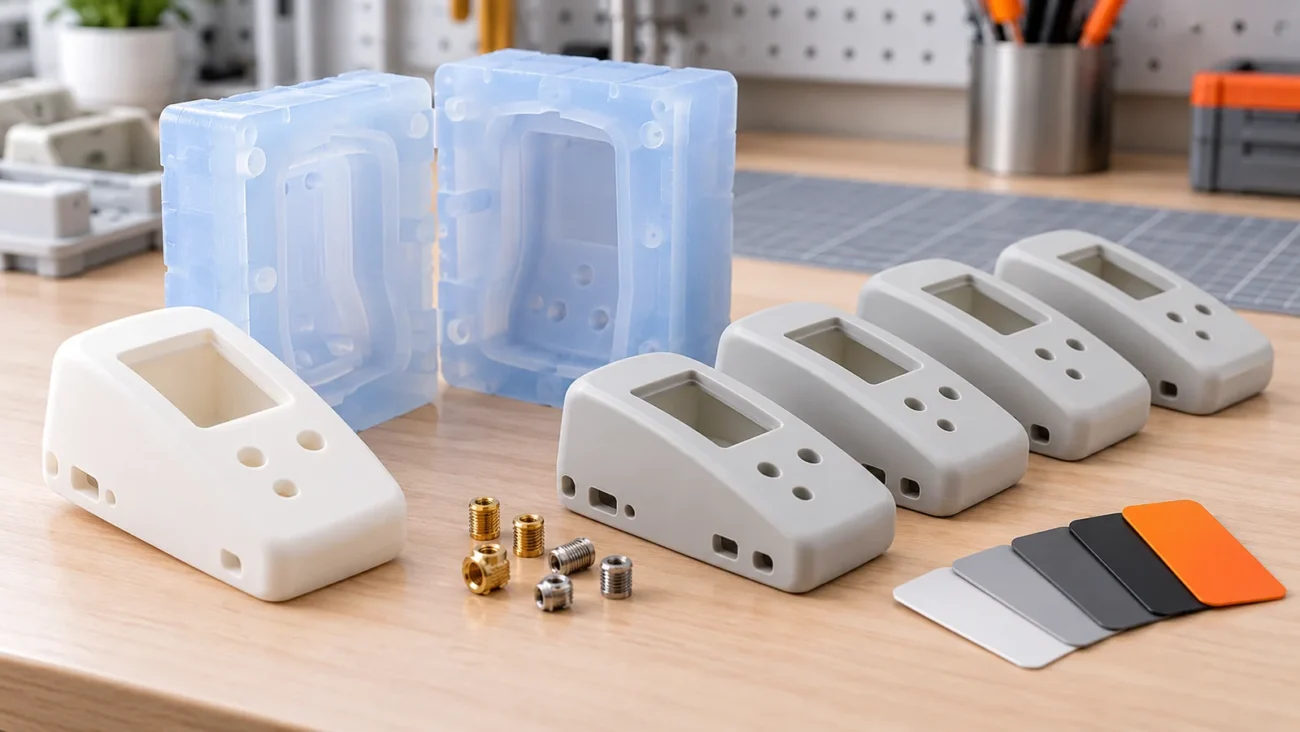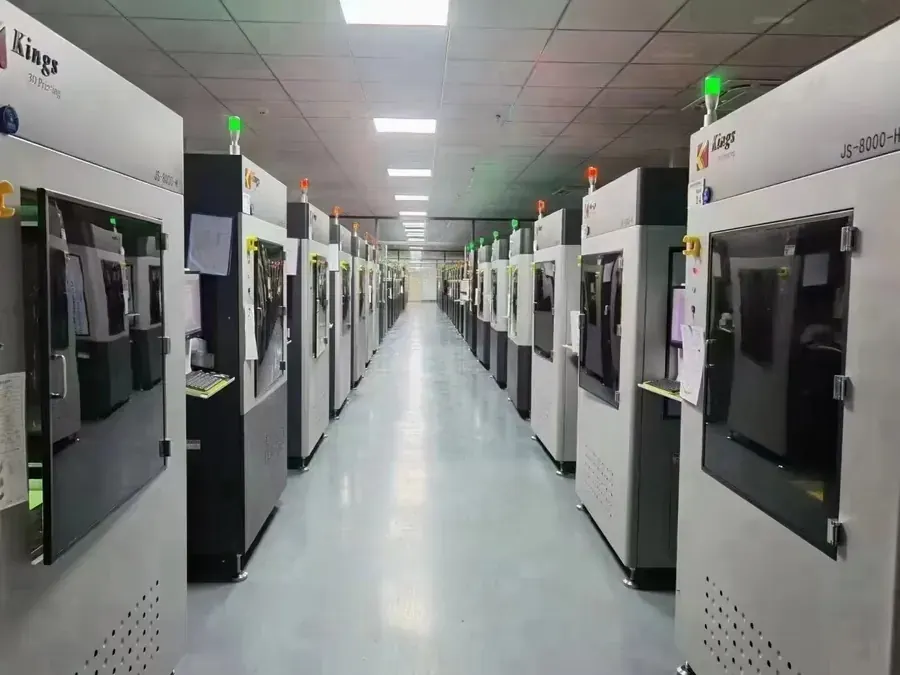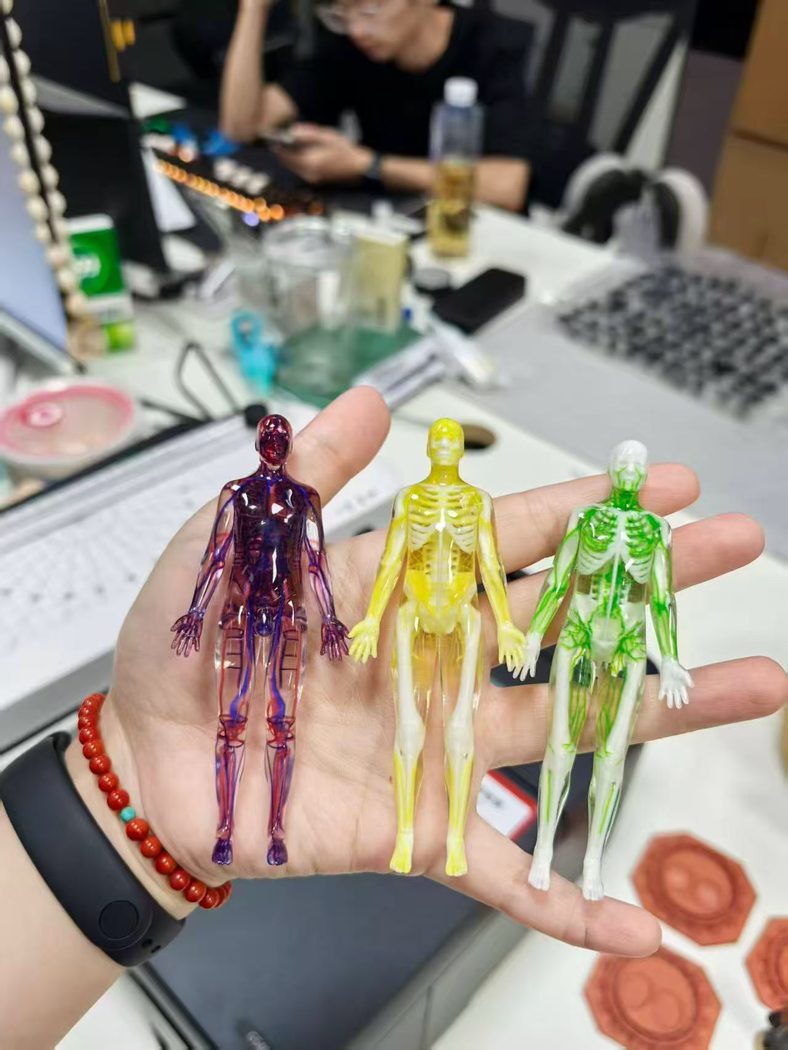
Image: Actual Jingrui Proto full-color presentation models. This is visual sample evidence, not a matched material or performance comparison.
Quick Answer
Buy a full-color model set as a controlled collection, not as several unrelated print files. Define the identity, scale, color version, base, quantity and destination of every item. Approve the relationship between models as well as individual appearance. Then quote modeling, printing, finishing, packing and shipment against the same item list. This prevents a convincing single sample from hiding mismatched scales, mixed variants or fragile packing across the complete set.
The decision matters for brands preparing sales kits, museums commissioning related display objects and distributors ordering personalized figurines. A set may contain different shapes but still need a consistent visual language. This article focuses on that collection-level procurement problem, rather than repeating a general introduction to photo reconstruction or color-proof approval.
Define what makes the objects a set
Start with the intended viewing situation. Will the pieces stand together in a display case, travel separately to retailers, or be handled during product presentations? Models intended to share one shelf need coordinated heights and base footprints. Models sent to separate locations need unambiguous identity and a repeatable reference for later replacement.
Create an item schedule before requesting a price. Each row should include an item code, model revision, texture revision, overall size, base requirement and quantity. Add the destination or kit number when the shipment contains several sets. A shared folder of similarly named files is not sufficient order control.
Separate optional variants from confirmed order items. “The same figure in three colors” can mean three printed objects, one object awaiting a color decision, or three alternatives for a sample review. State which interpretation applies so modeling effort, sample work and production quantities are quoted consistently.
Control geometry, textures and scale independently
A geometry revision and a texture revision can change for different reasons. Moving a hand or thickening a prop changes the shape; altering a logo or clothing pattern changes visual information. Keep both references in the item schedule so a revised model does not accidentally receive an obsolete texture.
Photo-based work needs a modeling scope. Provide clear views of the subject, required pose, omitted details and intended style. Ask what can be reconstructed from the available references and what requires an interpretive decision. Approve those decisions before the model becomes the master for several items or repeated orders.
Scale deserves its own confirmation. A pet and a person can be modeled at matching numerical scale but still form an awkward display. Conversely, a presentation kit may intentionally enlarge a small feature. State whether relative real-world proportions or a balanced display composition governs the set. Request an assembled digital layout with actual target dimensions, not only isolated renders.
Distinguish the printing platforms accurately
Jingrui Proto’s company capability records identify Mimaki 3DUJ-553 and Stratasys J55 full-color equipment. These names do not describe interchangeable material systems. Mimaki describes the 3DUJ-553 as a UV-curable inkjet system using color, white and clear inks. Stratasys identifies the J55 family with PolyJet technology. Confirm the allocated machine and material configuration for the actual order.
Do not transfer a material or finish claim from one platform to the other. Manufacturer information about a J55 Prime configuration is not proof that every material is installed on a particular J55. Likewise, a rigid colored display object should not be described as equivalent to an engineering thermoplastic simply because the surface looks like a molded product.
Use the official Mimaki specification and Stratasys J55 support information to understand the platform distinction. For purchasing, ask Jingrui Proto to confirm the project-specific route, support removal, finish and handling limitations. Exact color appearance still needs an agreed physical reference.
Approve consistency across the collection
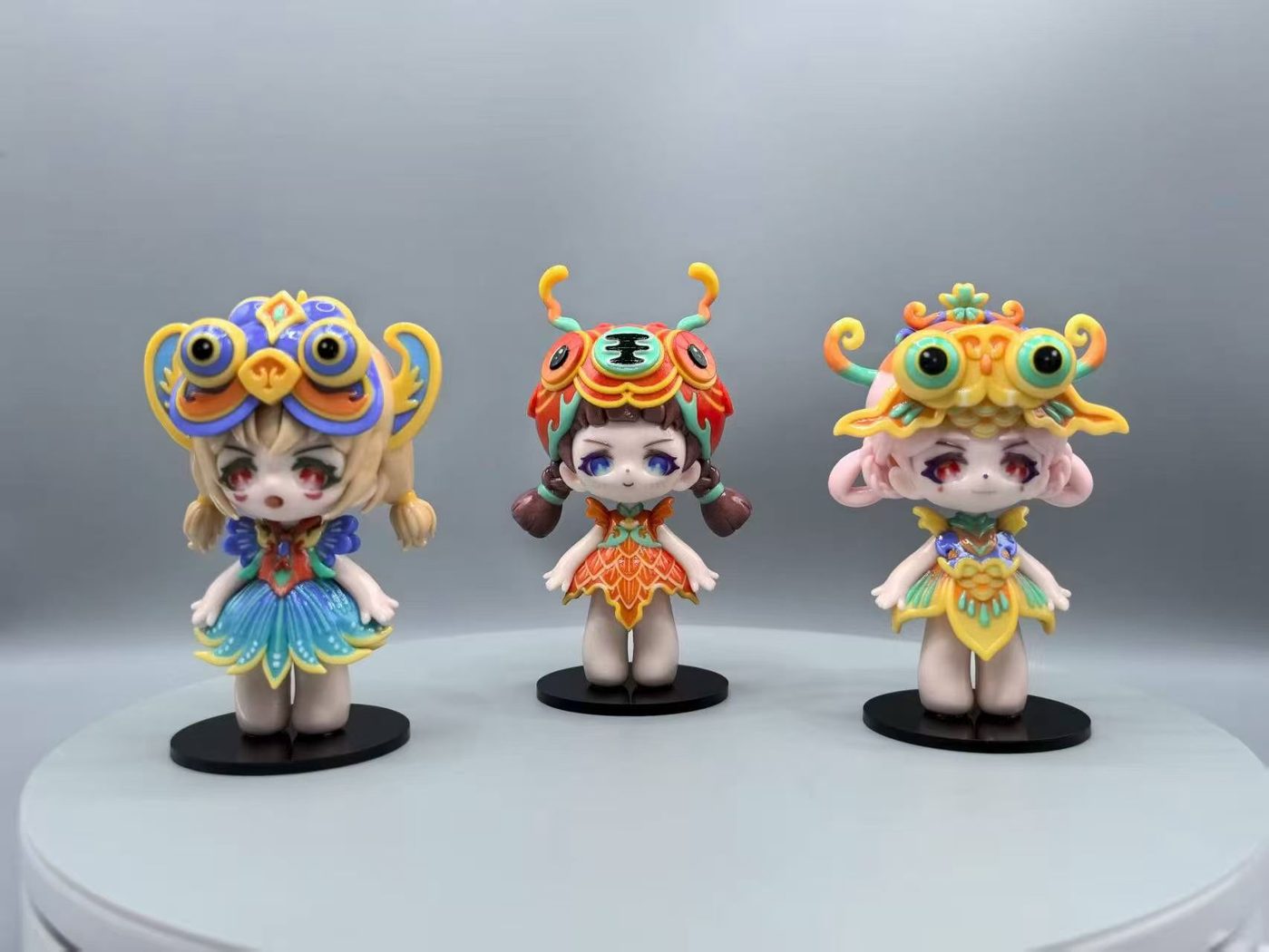
A complete set can look inconsistent even when every file is correct. Different orientations, thin translucent areas, local surface preparation and changes in finishing can influence perceived color or gloss. Compare the items together under agreed viewing conditions, especially where several objects share a brand color.
Choose a reference hierarchy. A physical master, approved sample or specified visual reference should take precedence over an uncontrolled phone photograph. Screen brightness, camera exposure and ambient light can make the same model look different. Remote review images are useful for identification and obvious defects, but they should not silently become a precise color measurement system.
Define which differences matter. A collectible set may prioritize consistent skin tone and base appearance; a product-visualization kit may prioritize the location of labels and contrasting controls. Mark these requirements so the supplier can direct review effort toward the buyer’s actual decision.
| Item | Confirm before printing | Check across the set |
|---|---|---|
| Scale | Target dimensions | Relative heights |
| Color | Approved reference | Shared tones |
| Base | Footprint and attachment | Shelf layout |
| Identity | File and item code | Correct variant mix |
| Packing | Support locations | Complete kits |
Design display bases as interfaces
A base is more than a decorative accessory. It supports the object, establishes its orientation and influences how it can be packed. Review stability with the actual model geometry, including projecting arms, tails, equipment or other features that shift the balance.
If models attach to a common display, provide the mounting arrangement and access requirements. A locating pin can improve placement, but its fit, strength and assembly method need review. Do not add a tight connection to a delicate printed feature without considering the force needed to install or remove it.
Keep shipping and display assembly separate. A detachable base may protect a tall model in transit, but it creates an installation step for the recipient. Provide an identifiable pairing, assembly instruction and any agreed hardware. A beautiful model that requires improvised glue or force at its destination has an incomplete delivery specification.
Protect delicate features without concealing the product
Review small projections before production, not after packing fails. A feature may be printable yet unsuitable for repeated handling or long-distance transport. Discuss thickening, changing pose, dividing the model or adding a removable element where the design allows it. Any change to recognizable appearance requires buyer approval.
Identify where packaging may touch the object. Supporting a model by a robust base is different from pressing against a thin accessory. Cushioning should prevent movement without transferring removal force into fragile details. Ask how the recipient will lift the item out safely.
Avoid assuming that a surface coating makes the object impact resistant. Finishing may change gloss, tactile appearance or color perception, but handling strength remains dependent on geometry and the material route. Where shipment testing is required, specify it separately; ordinary packing photographs are not evidence of a completed transit-validation program.
Consolidate shipments with a packing hierarchy
Consolidation can simplify receiving, but it also increases the importance of labeling. Define outer shipment, inner kit and individual item levels. A retailer receiving a mixed collection should be able to identify missing or incorrect items without unpacking and comparing every model against a rendering.
Agree whether cartons contain complete sets or grouped quantities of the same item. Complete kits can reduce sorting at the destination; grouped packing may suit a warehouse that assembles kits locally. Neither method is universally more economical. Compare the actual handling and distribution route.
For multiple destinations, separate dispatch instructions from production identity. Confirm consignee details through the agreed private order channel rather than embedding personal addresses in a public model file or article. Record replacement-item codes so a later order can reproduce the intended variant without redistributing unrelated personal references.
Compare prices using a collection-level scope
A quotation should distinguish modeling or file repair, physical samples, printing, finishing, bases, packing and freight assumptions. One-piece samples and small-batch work can be discussed through Jingrui Proto’s full-color printing service; pricing depends on the actual model and deliverables.
Check what a revision allowance covers. Changing a facial expression is not necessarily equivalent to swapping a text label. A new pose may require geometry work, a new support strategy and a new physical review. Define the point at which the approved item schedule becomes the production reference.
For repeat collections, ask how geometry and appearance references are retained and how a replacement sample will be approved if materials or production conditions change. Do not assume the first order’s screen previews alone preserve a physical appearance standard indefinitely.
Receiving inspection and replacement decisions
Agree a receiving sequence before dispatch: compare the packing list, identify each item, inspect accessible surfaces and assemble the intended display. Keep the original packing until the set is accepted. If one accessory is damaged or missing, an item-level record helps determine whether replacement of that component is practical or whether the whole object must be remade. Photographs should show the item code and the issue clearly without exposing personal references. Define the private reporting route and the evidence needed for a replacement decision; do not assume a generic shipping policy covers every custom-model arrangement.
A practical collection RFQ checklist
- State the display, retail, gifting or presentation purpose.
- Supply an item schedule with model, texture and quantity references.
- Provide permitted photographs or print-ready files through a private channel.
- Confirm individual dimensions and relative scale across the set.
- Identify shared colors and the required reference hierarchy.
- Specify bases, labels, detachable elements and assembly responsibilities.
- Mark fragile features and permitted geometry changes.
- Separate sample approval from production approval.
- Define complete-kit or grouped-item packing and receiving labels.
- Request separate pricing for modeling, printing, finishing and logistics.
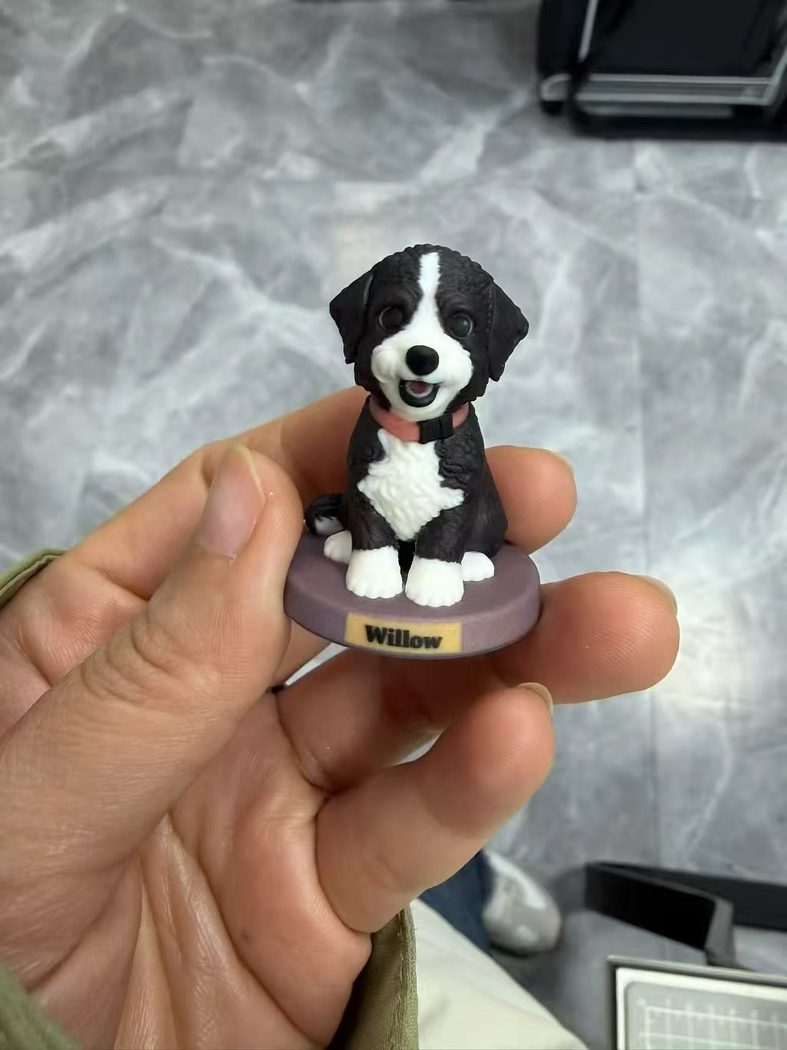
The published family figurine case provides genuine company visual evidence. It should be reviewed as a disclosed example, not as a promise that a new collection will have identical geometry, material, price or delivery conditions.
Frequently Asked Questions
Can one model be ordered before the whole set?
Yes, a one-piece sample can be discussed, but choose a sample that represents the difficult features and shared appearance requirements. A simple item may not reveal the risks of the rest of the collection.
Should every object use the same printing platform?
Not necessarily. A consistent appearance may favor a common route, while different functional requirements can justify separate routes. Confirm any cross-platform differences in material, support removal, finish and physical appearance before ordering.
Does a clear texture file guarantee matching brand colors?
No. File quality is necessary, but material, surface and viewing conditions affect appearance. Use an agreed physical reference where color is important and define how the complete set will be reviewed.
Can a fragile prop be shipped attached?
That depends on the geometry, material and packing approach. Ask whether a detachable design would reduce risk and who will assemble it. Do not treat printability as proof of transport strength.
What is needed for consolidated shipping?
Provide the item schedule, kit grouping, destination arrangement and labeling requirements. Confirm how the supplier will verify completeness and protect individual models inside the larger shipment.
Can photo references be published with the finished set?
Only with appropriate permission. Supplying photographs for modeling does not automatically authorize public marketing use. Keep personal references and customer details private unless explicit publication rights have been agreed.
Request a model-set quotation
Send an item schedule, permitted photos or 3D files, desired dimensions, quantities and display plan. Identify shared colors, bases, sample requirements and shipment grouping. Ask Jingrui Proto to review the complete collection so the quote covers the objects and the practical delivery system together.
Author
Jingrui Proto manufacturing content team. Platform descriptions are qualified against manufacturer documentation; sample photographs do not imply identical project specifications.