Quick Answer
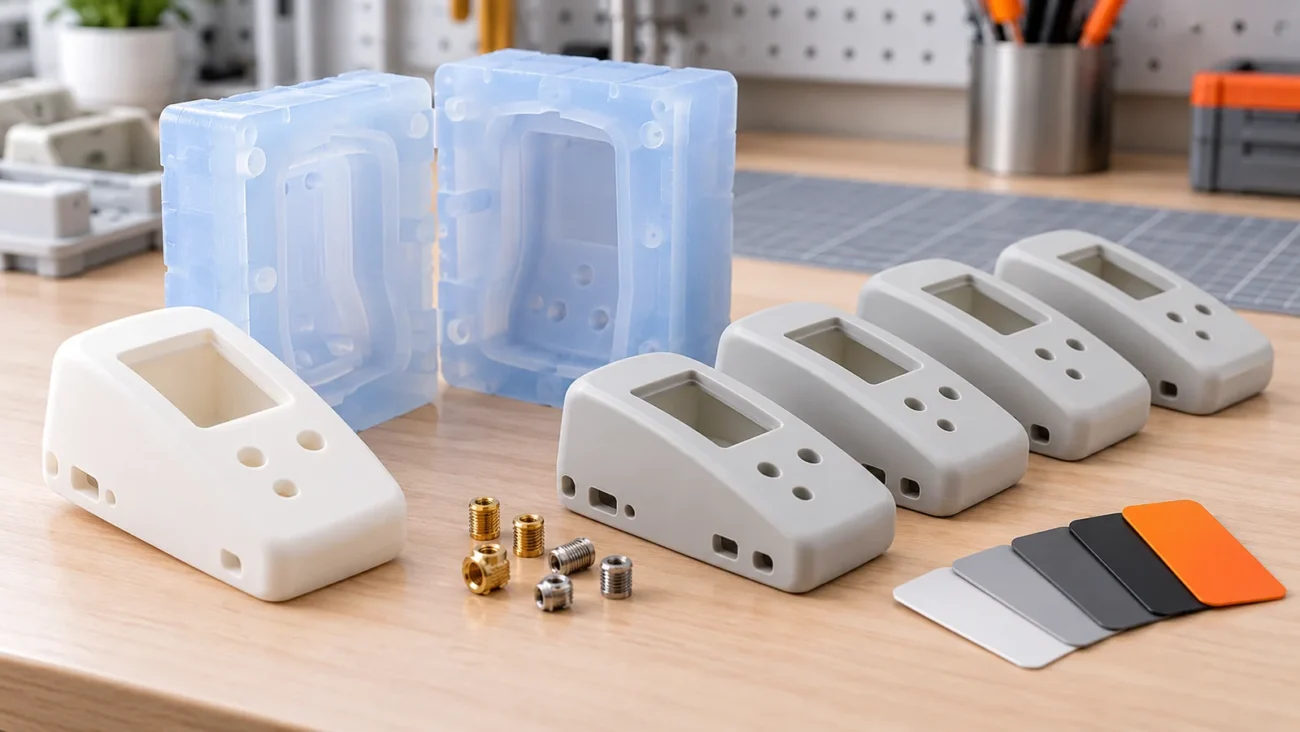
SLA 3D printing cost should describe the component the buyer needs to receive, not merely the geometry leaving the printer. Material selection, build preparation, support removal, curing, cosmetic finishing, assembly and inspection can all affect the quotation. Define the required delivered condition before comparing a raw-print price with a finished-prototype offer.
Jingrui Proto provides SLA printing for resin prototypes and appearance models. This guide focuses on the work between printing and buyer approval. It uses verified capabilities and general manufacturing explanations, without inventing resin prices, customer quotations or project lead times.
Start with the Review the Prototype Must Support
An SLA part may support a fit check, a design presentation, an appearance approval or a specific engineering evaluation. The required surface preparation and material evidence differ across those objectives. Define the review before asking how much the part will cost.
For a visual model, identify the viewing surfaces and intended finish. For an assembly check, identify the interfaces and the condition in which they must fit. For a functional evaluation, explain the exposure, load and test purpose so resin selection does not depend on appearance alone.
Keep optional presentation work separate from mandatory engineering requirements. A supplier can then discuss alternatives without treating every visible surface as a cosmetic approval surface or assuming that a rough functional sample must receive a presentation finish.
Understand the Delivery Stages in an SLA Quote
Different suppliers may use different commercial headings. The important point is to understand what each offer includes and which activities remain the buyer’s responsibility. A raw-print description should not be silently interpreted as a ready-to-present prototype.
| Delivery stage |
Question for the quotation |
| Material and build preparation |
Which resin and manufacturing assumptions are proposed? |
| Printing |
Which geometry, revision and component arrangement are covered? |
| Cleaning and curing |
What delivered material condition will be supplied? |
| Support removal |
How are relevant contact surfaces and marks handled? |
| Surface preparation |
Is sanding, filling or other cosmetic work included? |
| Final finish |
Are painting, polishing or other agreed treatments included? |
| Assembly and inspection |
What joining, fit checks and documentation are supplied? |
The table is a scope checklist rather than a price breakdown. It does not claim that each activity has a fixed rate or that all SLA projects require every stage in the same form.
Select the Resin for the Job, Not Only the Quote Total
The least expensive proposed material is not necessarily the appropriate prototype material. A resin that suits a static appearance model may not answer a question about handling, repeated assembly or heat exposure. State the property or test objective that matters.
Jingrui Proto’s published SLA information distinguishes material choices and the limits attached to their data. Use the proposed grade and delivered condition as the reference. Avoid substituting an unspecified tough or heat-resistant label for a material specification that can be reviewed.
Where thermal behavior matters, do not turn a heat-deflection test value into a continuous-service promise. The published Temp R220 information identifies a test condition for its HDT value; the buyer’s geometry, load, duration and environment still need review. A cost decision must not remove the evidence needed to evaluate the intended use.
If the goal is simply to check external shape, explain that clearly. The supplier may be able to propose a more appropriate scope than a specification written for an unrelated functional test. Any change should remain compatible with the decision the prototype is meant to support.
Geometry Affects More Than Printed Volume
Overall size matters, but so do geometry, orientation, support access and component handling. A shape that appears material-efficient in CAD may create difficult preparation or finishing work. Ask how the supplier proposes to produce and deliver it.
For hollow or enclosed forms, discuss cleaning and access before approving the design. An inaccessible internal region should not be assumed to have the same delivered condition as an exposed surface. If internal condition matters, identify how it will be addressed and evaluated.
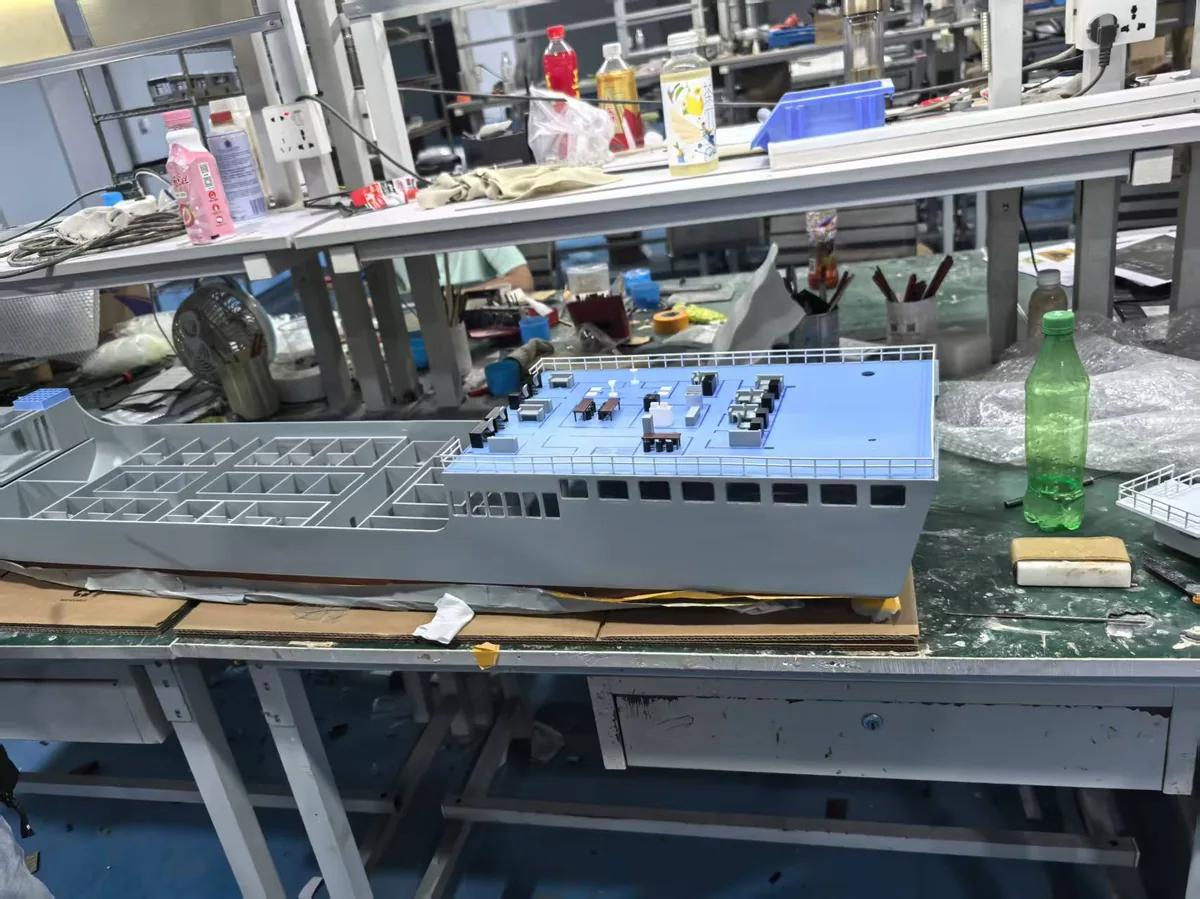
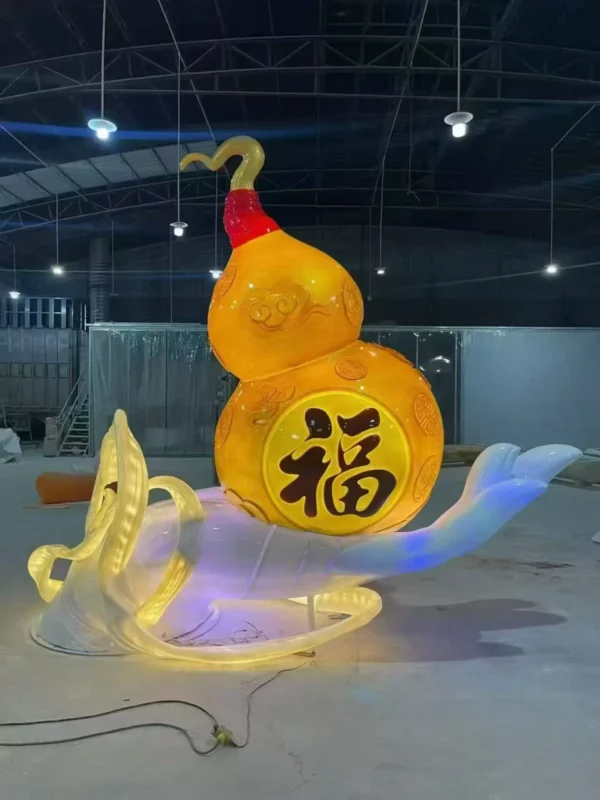
Large parts may need a decision between a single build and a bonded assembly. Jingrui Proto has verified large-format SLA and assembled-project experience, but the route depends on the actual model and acceptance requirements. A quotation should identify any split, joining and surface-blending work rather than leaving those activities implicit.
Define Surface Preparation Before Comparing Prices
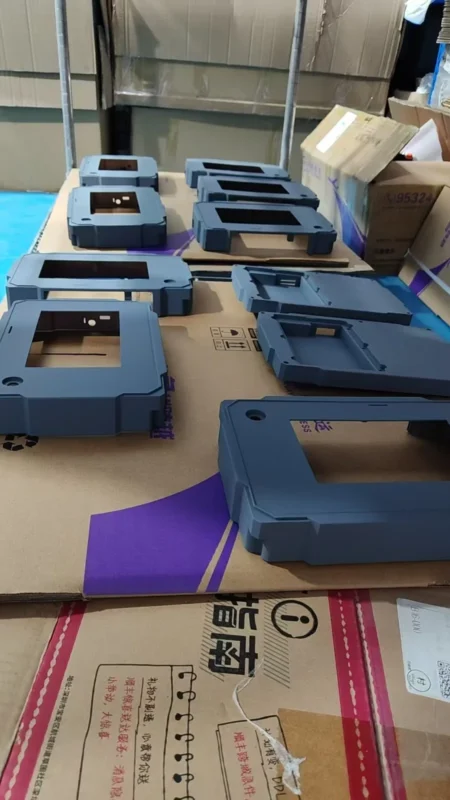
A raw or minimally prepared print and a cosmetic prototype serve different purposes. Ask which surfaces will be prepared, how visible support contacts will be handled and what standard the finished appearance must meet.
Avoid specifying a premium finish without a reference. Define the important surfaces, relevant texture or gloss, and the approval method. A photograph, sample or controlled appearance reference can communicate the objective more clearly than an unsupported adjective.
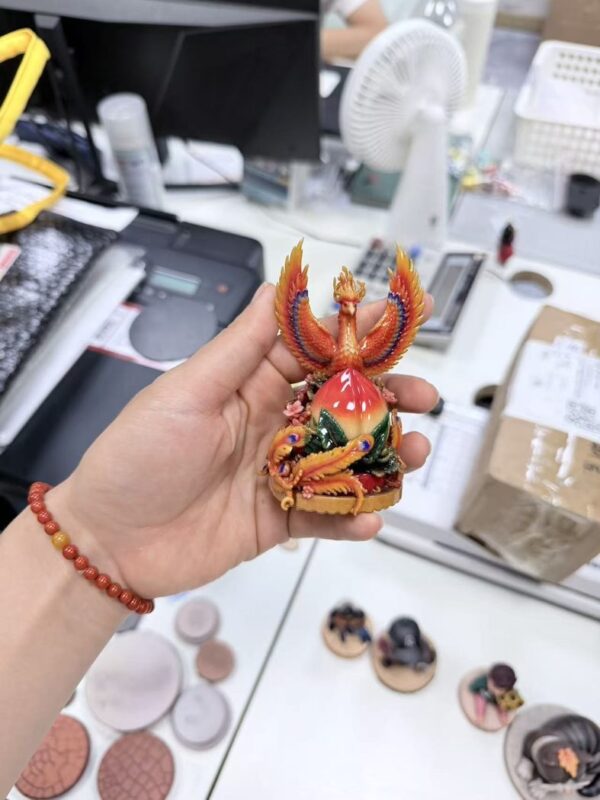
Painting and polishing also require scope boundaries. Confirm whether the offer includes preparation, the requested finish, masking and any sample approval. Do not assume that a paint line item automatically includes every detail of a color-critical product presentation.
The existing cosmetic prototype approval guide discusses visual references. This cost guide addresses the commercial consequence: compare prices only after the delivered visual condition has been defined.
Treat Transparency as a Requirement to Review
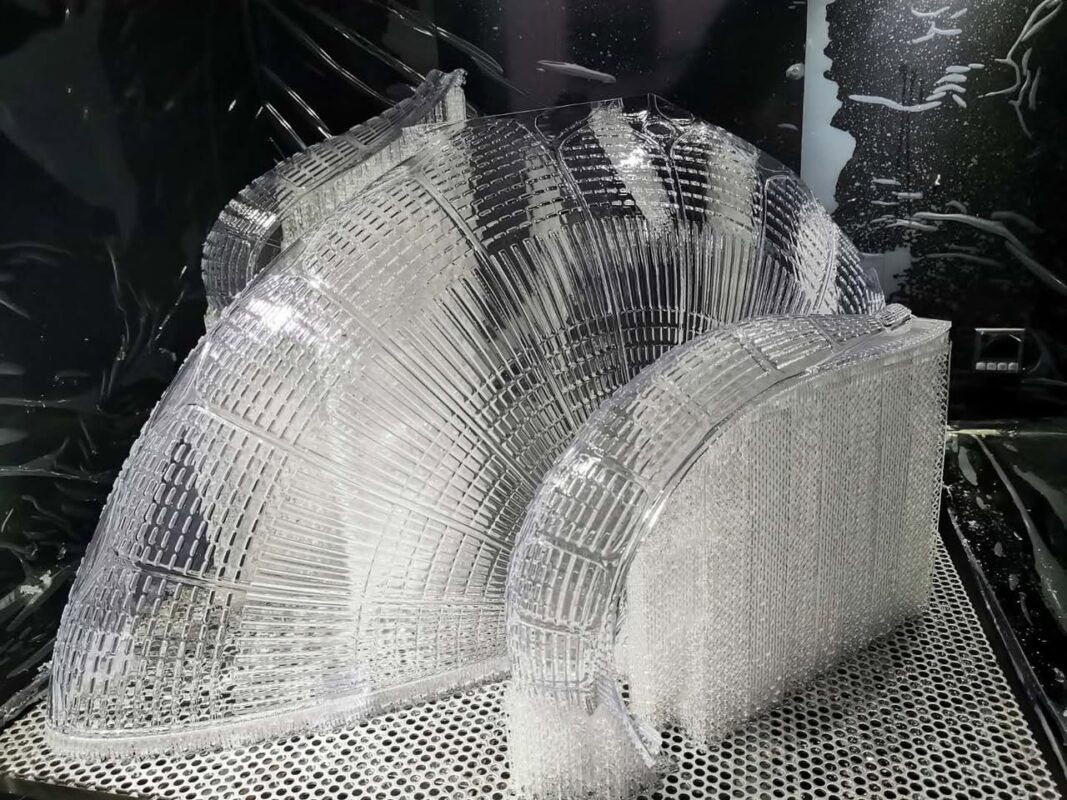
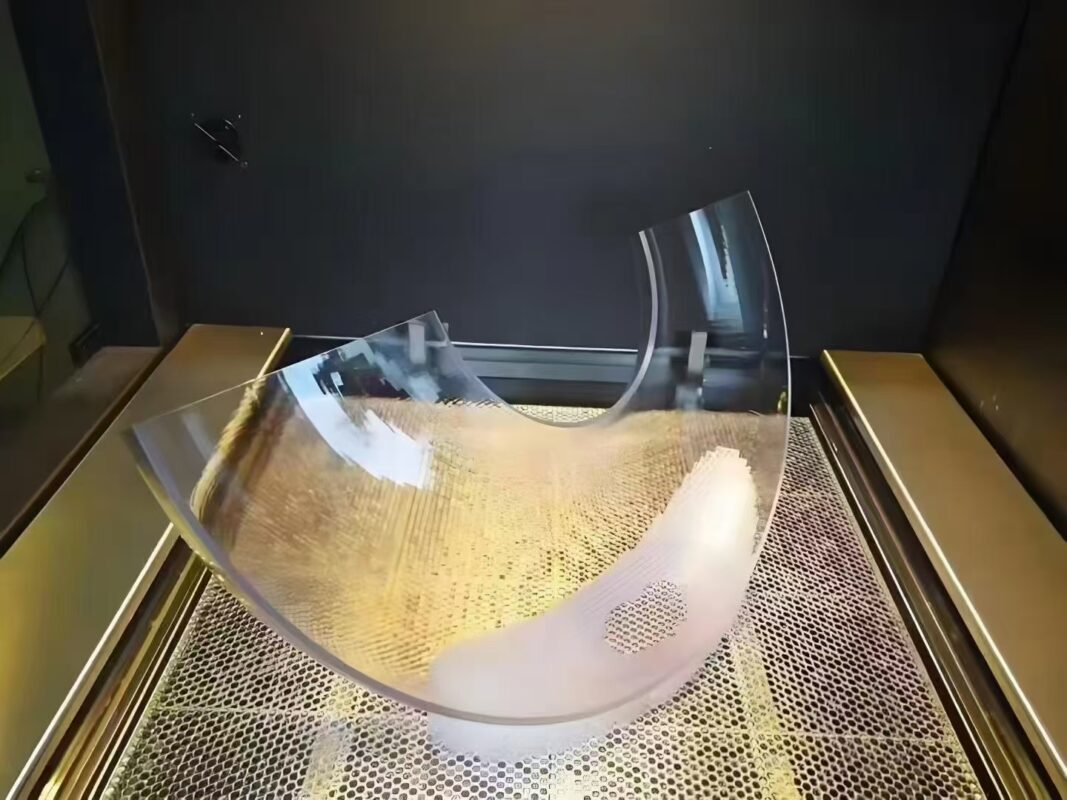
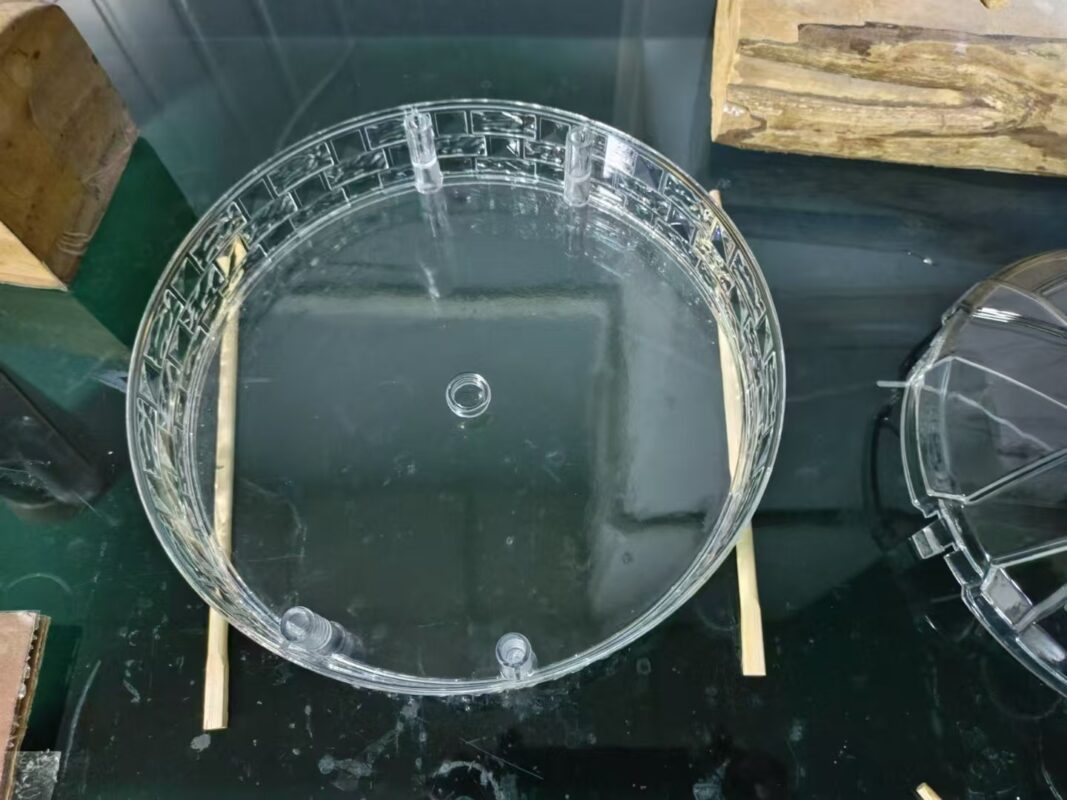
A material described as clear or translucent does not automatically produce an optically equivalent finished component. Geometry, surface condition and the intended observation affect whether the model meets the buyer’s objective.
Explain whether the purpose is to see a general internal shape, present an appearance model or meet a defined optical requirement. Ask what preparation is proposed and what evidence would establish acceptance. Do not infer a measured optical property from a polished sample photograph.
This distinction helps avoid paying for unnecessary preparation while also preventing an under-scoped quote. The correct cost boundary follows the required result, not the broad name of the resin.
Include Joining, Fit and Inspection Where Needed
A finished prototype may contain several printed pieces, inserts, fittings or other manufactured components. Define the assembly state expected at delivery. Otherwise a printing quotation can be mistaken for an offer covering a complete product mockup.
For mating features, identify the drawing references and the relevant counterpart. Specify whether assembly approval occurs before or after cosmetic treatment. A component accepted at one stage should not automatically be treated as accepted after additional processing.
Inspection documentation also requires agreement. Ask which dimensions or functional checks are included and how the results will be recorded. A generic quality statement does not describe a measurement plan for the actual part.
Compare Quantities Without Ignoring Revision Risk
Request the quantities that correspond to the project decisions. One review sample, an assembly set and a repeated presentation batch can create different preparation and handling requirements. Use the same approved material and finish basis when comparing those options.
A larger order is not automatically the best commercial choice while the design remains unsettled. Consider what happens if the geometry or finish changes after the first review. The cost of unusable parts belongs in the decision even when it does not appear in the supplier’s unit-price column.
If approval is staged, explain what happens after the first sample. Ask the supplier to identify dependencies rather than assuming a complete batch will follow under unchanged price and schedule conditions. These details should be agreed for the actual order.
Use a Finished-Prototype Quote Checklist
Read each offer against the same acceptance package. Keep unresolved items visible instead of filling them with an estimated allowance and presenting the result as a verified comparison.
| Requirement |
Check in each offer |
| Design |
Same geometry and revision |
| Material |
Proposed grade and relevant condition |
| Surface |
Important faces and preparation included |
| Finish |
Agreed color, texture, gloss and approval scope |
| Assembly |
Component split, joining and supplied hardware |
| Verification |
Critical checks and required documentation |
| Commercial boundary |
Packing, freight and other stated inclusions |
Request a clarified offer when the comparison depends on an omitted item. This is more reliable than assigning a supposed industry-average charge for a finish, a report or an assembly step that has not been defined.
Frequently Asked Questions
Is SLA printing cost determined only by resin volume?
No. Volume does not describe preparation, support handling, finishing, joining or inspection. It can be one input to a quotation, but it is not a complete description of the work required to deliver an acceptable prototype.
Why does a finished SLA model cost more than a raw print?
The finished model may include additional preparation, appearance work, assembly and verification. Check the actual scope before drawing a conclusion. The two prices may refer to different deliverables rather than different prices for identical work.
Does transparent resin include optical polishing?
Do not assume it does. State the intended visual or optical purpose and request the proposed surface preparation. Any requirement for measured optical performance needs its own evidence; a clear material description does not establish that result.
Can I choose the cheapest resin for a functional test?
Only if it remains suitable for the test objective. Define the required behavior and ask for the proposed grade. A lower-cost material that does not represent the intended use can make the prototype evaluation uninformative.
Does high-temperature SLA mean continuous operation at its HDT?
No. HDT is tied to a defined test condition. Continuous exposure, loading and the printed geometry require separate evaluation. Review the specific material data and project objective instead of translating a headline temperature into a universal use rating.
How do I request a finished-prototype quotation?
Send geometry, material requirements, quantities and appearance references through the Jingrui Proto RFQ page. Identify assembly, inspection and destination requirements so the offer addresses the full delivered prototype rather than only the printing stage.
Sources and Further Reading
Related Posts
Author
Jingrui Proto Engineering Team. The guide uses published SLA manufacturing and material information to help buyers define raw-print, finished-model and inspection requirements before quotation.