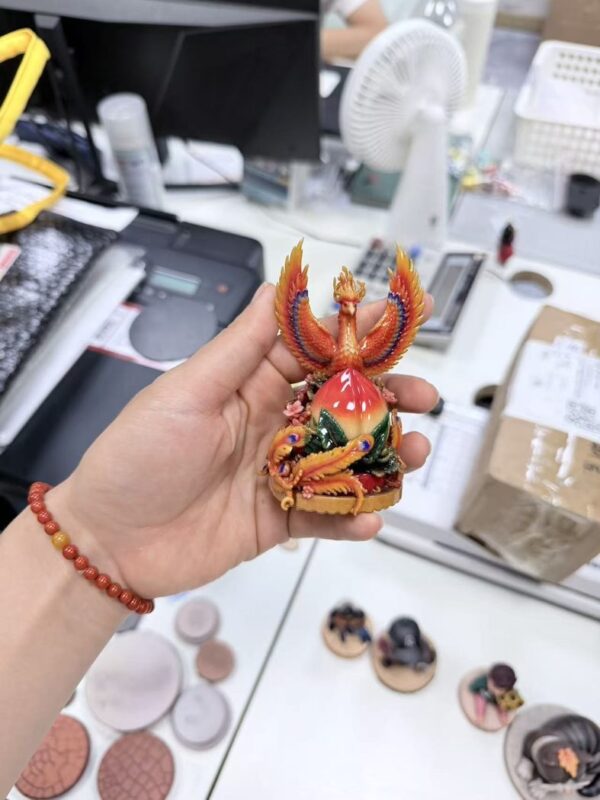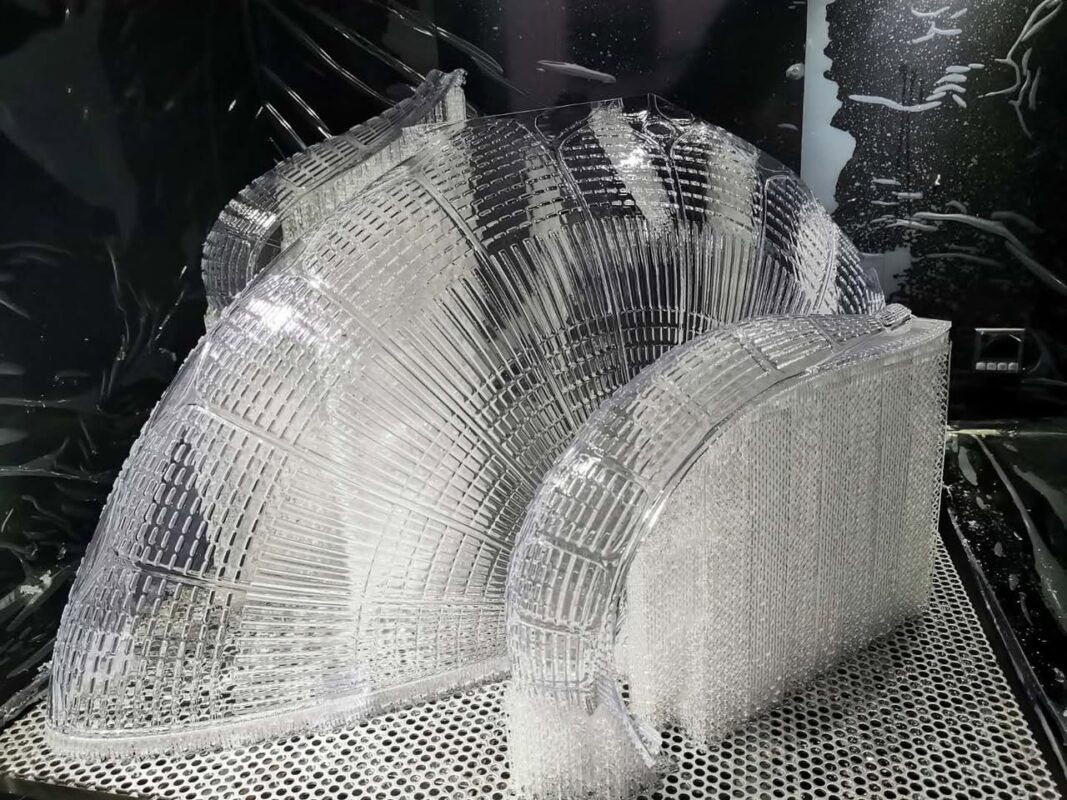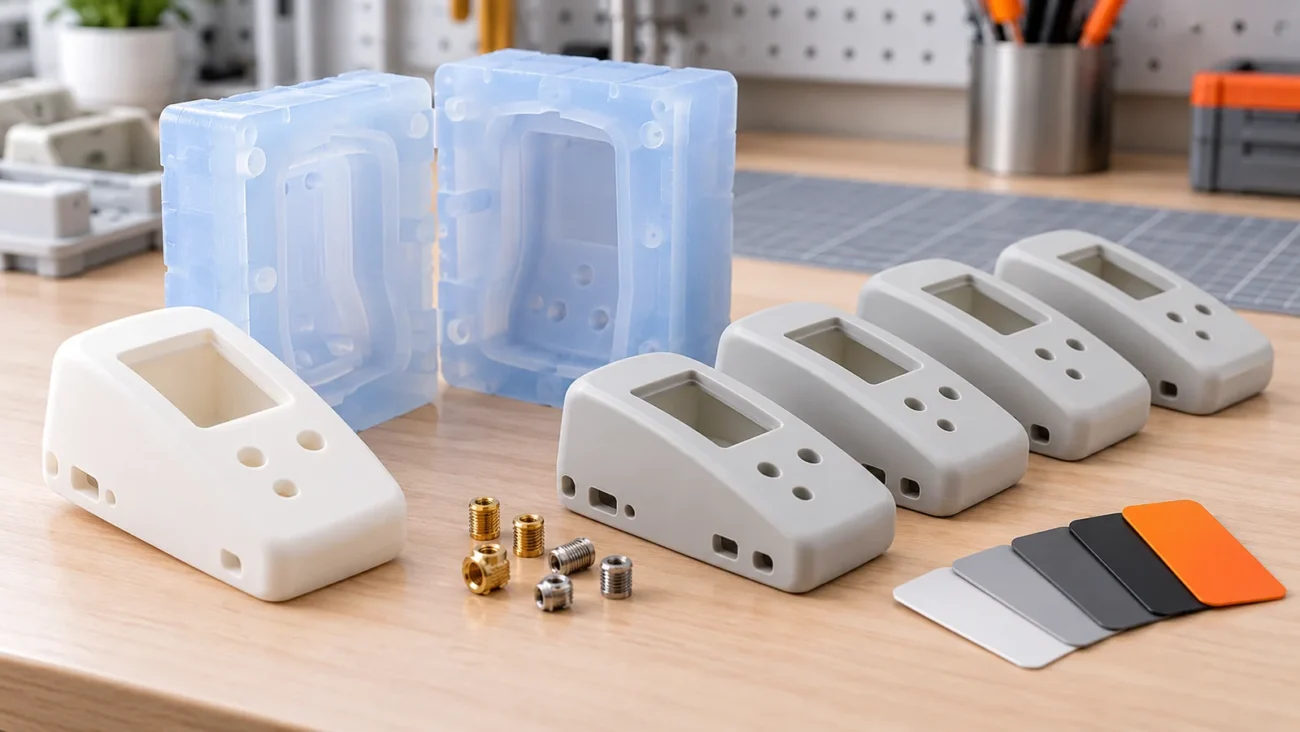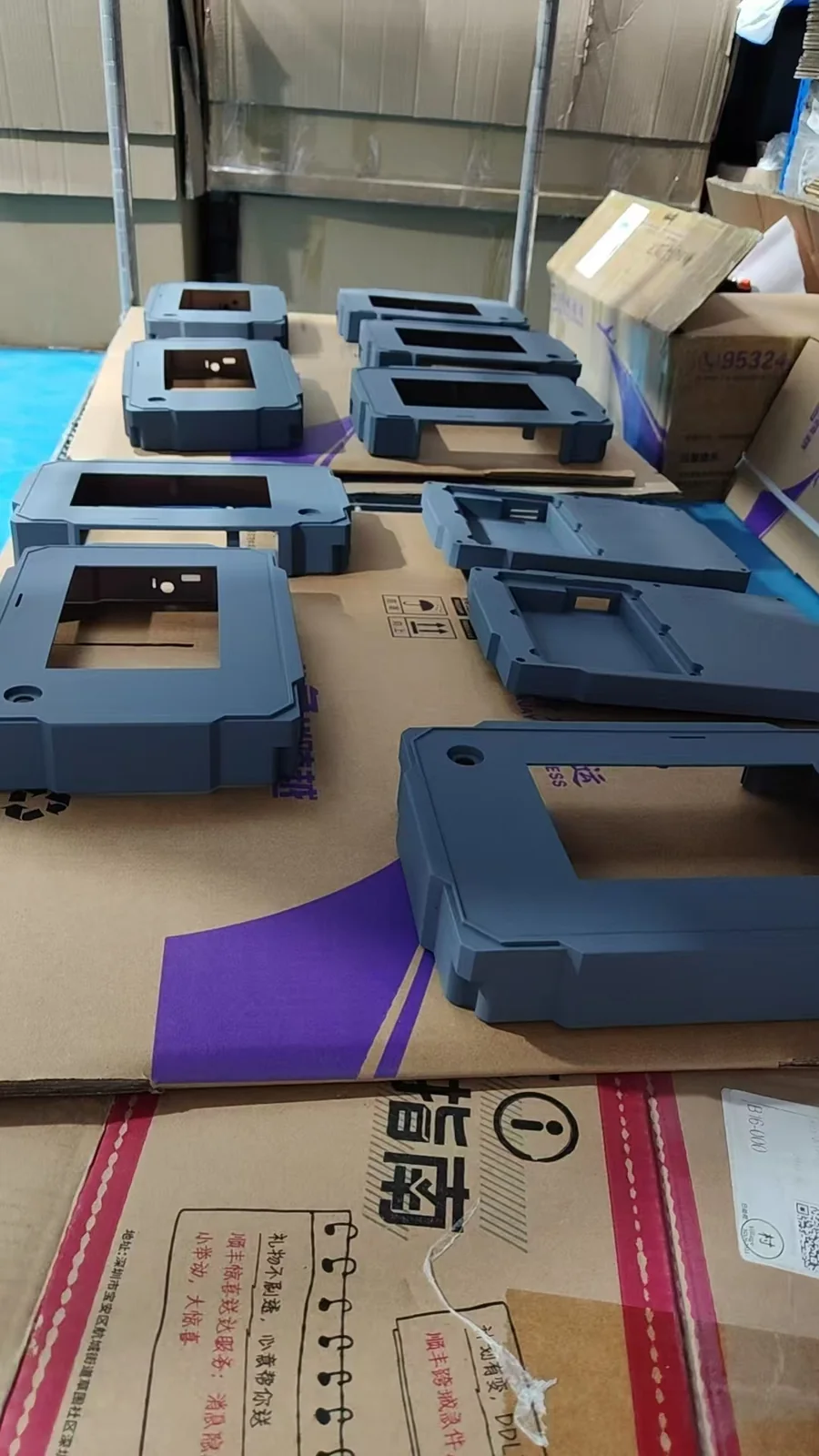
Image: Actual Jingrui Proto instrument housings during finishing. No measured color-match or coating durability result is inferred.
Quick Answer
For repeat painted prototypes, control the complete appearance reference: approved substrate, preparation, paint system, texture, gloss, viewing conditions and physical golden sample. A Pantone reference can communicate a starting color target, but it does not specify every aspect of the finished surface. Retain an identified master and define how later batches will be compared before accepting a reorder quotation.
This guide focuses on maintaining an approved appearance across time, materials and repeat orders. It complements general cosmetic-approval guidance by addressing what happens after the first attractive sample has been accepted. The commercial decision is whether a supplier can quote the same controlled finish scope, rather than merely reuse the same color name.
Distinguish a color target from a finished appearance standard
A paint color can look different on a glossy housing, textured panel or translucent substrate. Surface preparation, primer, coating coverage and curvature influence what the viewer sees. A reference number alone does not describe the final visual effect on every geometry.
Provide the exact reference and intended use, but identify what will govern final acceptance. An approved coated sample on a representative substrate may be more useful than a flat paper reference for a curved product. If the specification requires an instrument-based color limit, the responsible team should define the method and acceptance requirement.
Do not invent a universal color-difference limit or assume the supplier has a particular color-measuring instrument. Agree available methods and the buyer’s actual requirement. Visual acceptance and numerical color measurement can support different decisions; neither should silently replace the other.
Define a golden sample that can be identified later
Label the sample with its approval reference, date, part revision and finish description. Keep the label away from the evaluated surface. Record which faces were approved and whether the sample represents color only or the complete color, texture and gloss combination.
If the sample contains an accepted defect or a known limitation, document it explicitly. Otherwise, the next order may reproduce a feature the buyer considered incidental, or reject a difference the supplier thought was permitted. “Match previous sample” is weak guidance when the scope of that sample is unclear.
Maintain a distinction between the master reference and working samples used on the shop floor. Handling, cleaning and transport can change a surface. Agree who holds the governing master and how any duplicate reference is correlated with it before a disagreement occurs.

Store and handle references as controlled objects
Protect a master from contamination, scratches, avoidable light exposure and incompatible cleaning. The appropriate storage method depends on the coating and substrate. Do not assume a painted plastic sample is an indefinitely stable reference under arbitrary office or workshop conditions.
Record any cleaning or repair that could affect appearance. A polished patch or solvent wipe can make a local area unsuitable for comparison. If damage or aging changes the reference, establish a replacement through an agreed approval process rather than quietly choosing another piece from stock.
Photographs help identify a sample and its condition, but are not a reliable substitute for the physical standard in all cases. Camera exposure, white balance, compression and screens can alter perceived color and gloss. Use remote images to locate issues and document decisions, while keeping the actual reference hierarchy clear.
Agree the lighting and viewing arrangement
Review the environment where the product will be evaluated. A finish approved under one light may appear different under another. Metamerism describes a situation where materials match under one illumination but do not maintain the same match under another; it is one reason a single phone photo is an incomplete approval method.
If several lighting conditions matter, list them in the approval plan. Avoid an undefined demand to match perfectly under every conceivable light. The objective is a repeatable method relevant to the buyer’s application, using agreed equipment or visual conditions that are actually available.
X-Rite’s explanation of lighting and visual evaluation provides useful background on standardized viewing and metamerism. It supports the approval principle, not a claim that Jingrui Proto owns a particular light booth or has measured the current order under a named standard.
Viewing angle, distance and background also affect comparison, especially on curved or glossy forms. Place reference and test pieces consistently, keep surfaces clean and define which regions are compared. A specular reflection should not be mistaken for a color change without checking the viewing geometry.
| Control | What to record | Reorder risk |
|---|---|---|
| Substrate | Material and surface state | Different base appearance |
| Paint route | Agreed system and preparation | Unapproved process change |
| Reference | Master identity and condition | Damaged or aged sample |
| Lighting | Agreed viewing setup | Inconsistent judgment |
| Texture | Reference region | Unequal visual effect |
| Release | Approved batch evidence | Unclear acceptance |
Keep gloss and texture separate from color
Two parts can use the same nominal color while looking noticeably different because of gloss or texture. Identify the relevant finish characteristics independently. If a numerical gloss requirement is used, define its measurement method rather than importing an unexplained number from another project.
Texture can come from the underlying part, preparation or coating route. A master-pattern texture transferred through casting is not automatically equivalent to texture created during painting. Review the actual route when moving from a single prototype to repeated low-volume parts.
Discuss difficult regions such as deep pockets, sharp edges and inside corners. Coverage, local buildup and access can vary across the shape. An approved flat coupon can support process review, but may not reveal every appearance issue on the final geometry. Include representative product surfaces in the approval set.
Review substrate changes before transferring a finish
A prototype might begin as SLA resin and later move to vacuum-cast polyurethane, machined plastic or molded production material. Even if the outer CAD remains unchanged, adhesion, preparation, surface texture and dimensional behavior can differ. The finish should be reviewed on the new substrate.
Do not assume that a paint recipe transfers unchanged between materials. Ask the supplier to propose a suitable preparation and coating route, then evaluate a representative sample. If the project includes chemical exposure or cleaning requirements, specify them separately from the appearance match.
Jingrui Proto supports surface finishing across prototype manufacturing projects. The quote should confirm the actual substrate and finish combination; broad capability does not prove that every coating is compatible with every resin or application.
Control masking and interfaces during repeat orders
Painted parts still need to assemble. Mark threads, locating pads, seal regions and other areas where coating is restricted or dimensional buildup matters. A supplier reproducing the external appearance may otherwise make a different masking assumption on a later order.
Identify the permitted finish boundary and how edge quality will be accepted. A raised paint edge can affect fit or appearance near a joint. A hidden contact face can matter more functionally than the most visible outer panel, so the surface map should distinguish cosmetic and interface requirements.
Check the delivered assembly where necessary. A color match on loose parts does not prove that adjacent surfaces will look consistent once installed at different angles. If several components form one visible surface, evaluate them in their intended relationship rather than approving each in isolation.
Plan a first-piece review for significant reorders
Define which changes trigger renewed approval. New substrate, modified geometry, changed paint system, revised texture and a replaced master are examples that deserve review. A routine repeat order with unchanged references may need a different scope from a transfer to a new manufacturing route.
Ask the supplier to identify assumptions rather than promise an unconditional exact match. If a reference is unavailable or an old coating is no longer suitable, expose that issue before production. A revised sample decision is more useful than producing a whole batch against an uncertain target.
For a hypothetical display enclosure, an SLA sample might establish the desired appearance, while the production-intent cast resin requires another finish trial. If the second substrate shows a different texture under the same light, the team must decide whether preparation or the approval standard needs adjustment. This is an explanatory scenario, not a claimed customer project.
Compare repeat-order quotations on equivalent scope
Separate preparation, coating, masking, handling fixtures, sample approval and final inspection where relevant. A quotation for color spraying alone is not equivalent to one covering a controlled multi-stage finish and assembled appearance review.
State the accepted quantity and whether the order includes working samples, retained references or additional approval pieces. Do not invent a universal allowance for rejects or a fixed number of sample iterations. Those depend on the project and the agreed commercial scope.
Confirm packing after the finish is accepted. Contact marks, abrasion and unsuitable protective materials can damage a surface that passed inspection before shipment. Ask which regions may contact packaging and how the receiving team should remove protection without harming the finish.
Reorder RFQ checklist
- Supply the current part revision and actual substrate.
- Identify the original approval and physical master location.
- State whether the master covers color, gloss, texture or all three.
- Provide the required reference color information without treating it as the full finish specification.
- Define lighting, viewing and any instrument-based method.
- Mark cosmetic faces, masking zones and critical interfaces.
- Disclose material, geometry or coating changes since approval.
- Agree first-piece review and final batch release evidence.
- Separate sample, preparation and finishing costs.
- Specify packing contact restrictions for finished surfaces.
Frequently Asked Questions
Is a Pantone number enough to match a painted prototype?
It is useful input, but does not define substrate, gloss, texture or viewing conditions. Agree the physical or measured acceptance standard for the actual finished surface.
Can a photograph replace the golden sample?
It can support identification and remote discussion, but may not preserve accurate appearance. Camera and screen effects make a controlled physical reference important where visual matching is critical.
Why can the same color look different on a reorder?
Investigate substrate, preparation, coating, texture, lighting and reference condition. A shared color name does not establish that all those variables remained unchanged.
Does matching color prove coating durability?
No. Adhesion, chemical resistance, abrasion and other performance requirements need their own defined evaluation. Appearance approval should not be extended into an unsupported durability claim.
Should a material change trigger another approval?
Yes, it should trigger a finish review. The extent depends on the affected requirements, but the earlier sample should not automatically qualify a different substrate and preparation route.
What if the original master is damaged?
Record the problem and agree a replacement reference. Do not silently select a new standard or compare against an altered area. Preserve the approval trail so later orders use the same decision basis.
Request a controlled finish quotation
Send the part files, substrate, reference color, approved sample information and intended viewing conditions. Mark masking zones and any changes since the previous order. Ask Jingrui Proto to review the finish-transfer scope before committing a repeat batch to an uncertain appearance reference.
Author
Jingrui Proto manufacturing content team. Practical approval methods are presented without invented instrument capability, customer results or universal color limits.