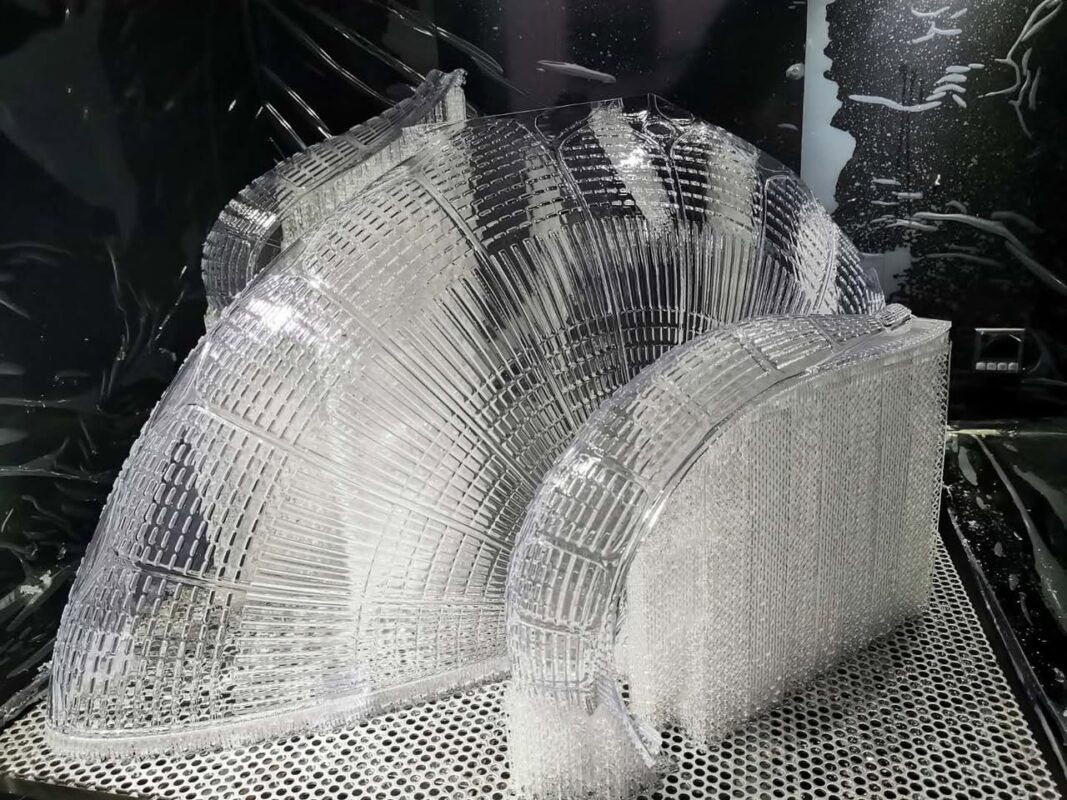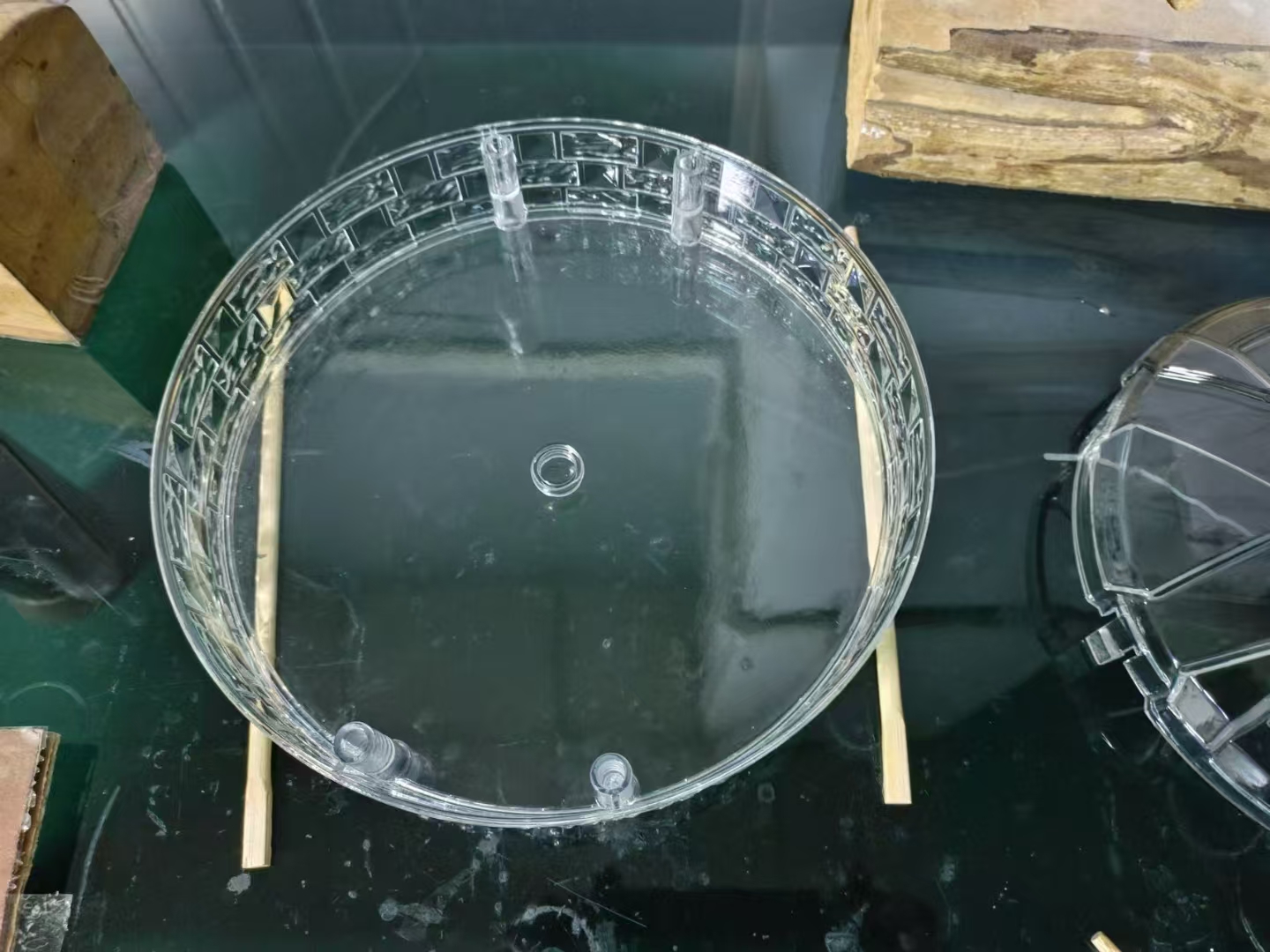
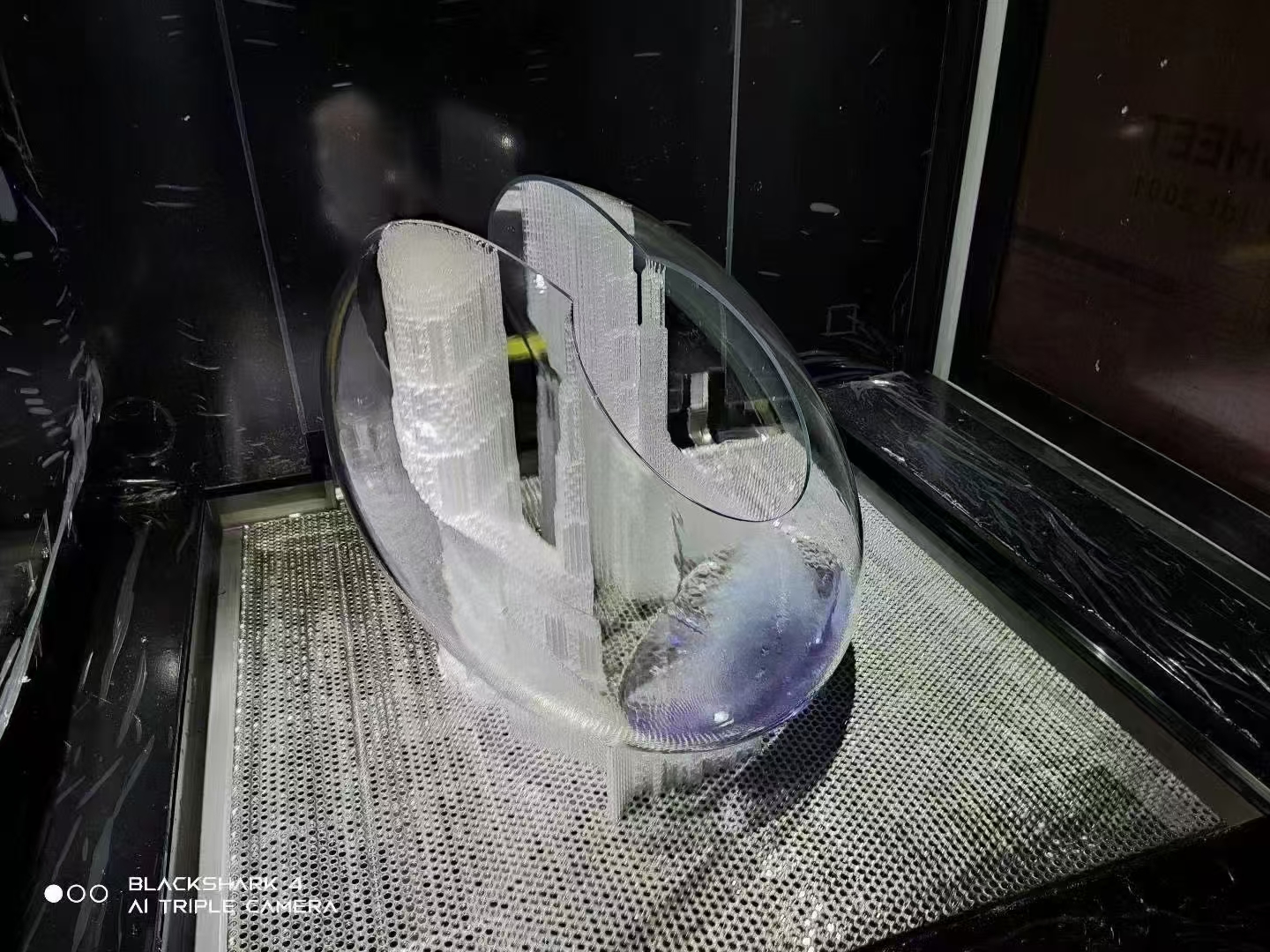
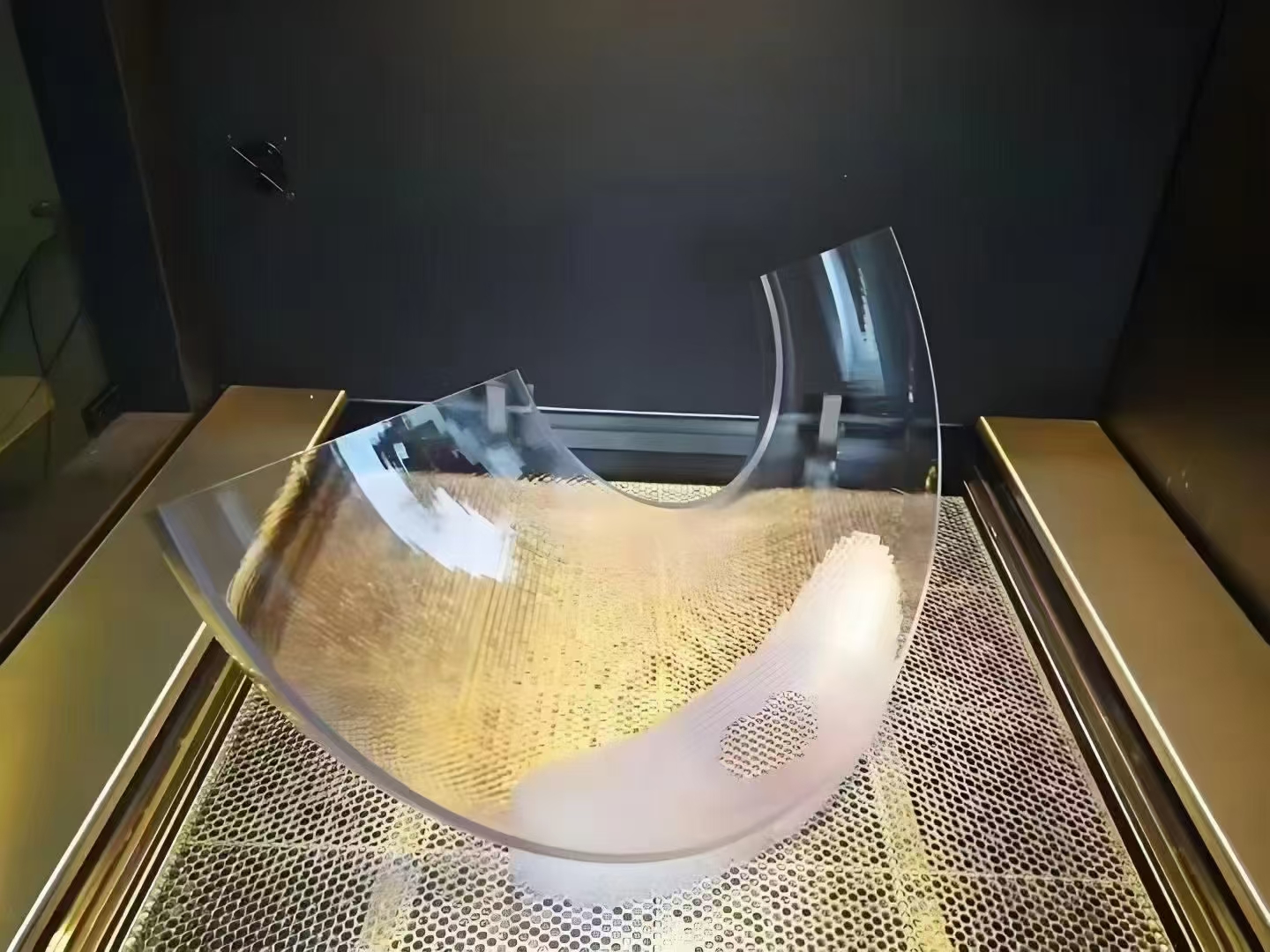
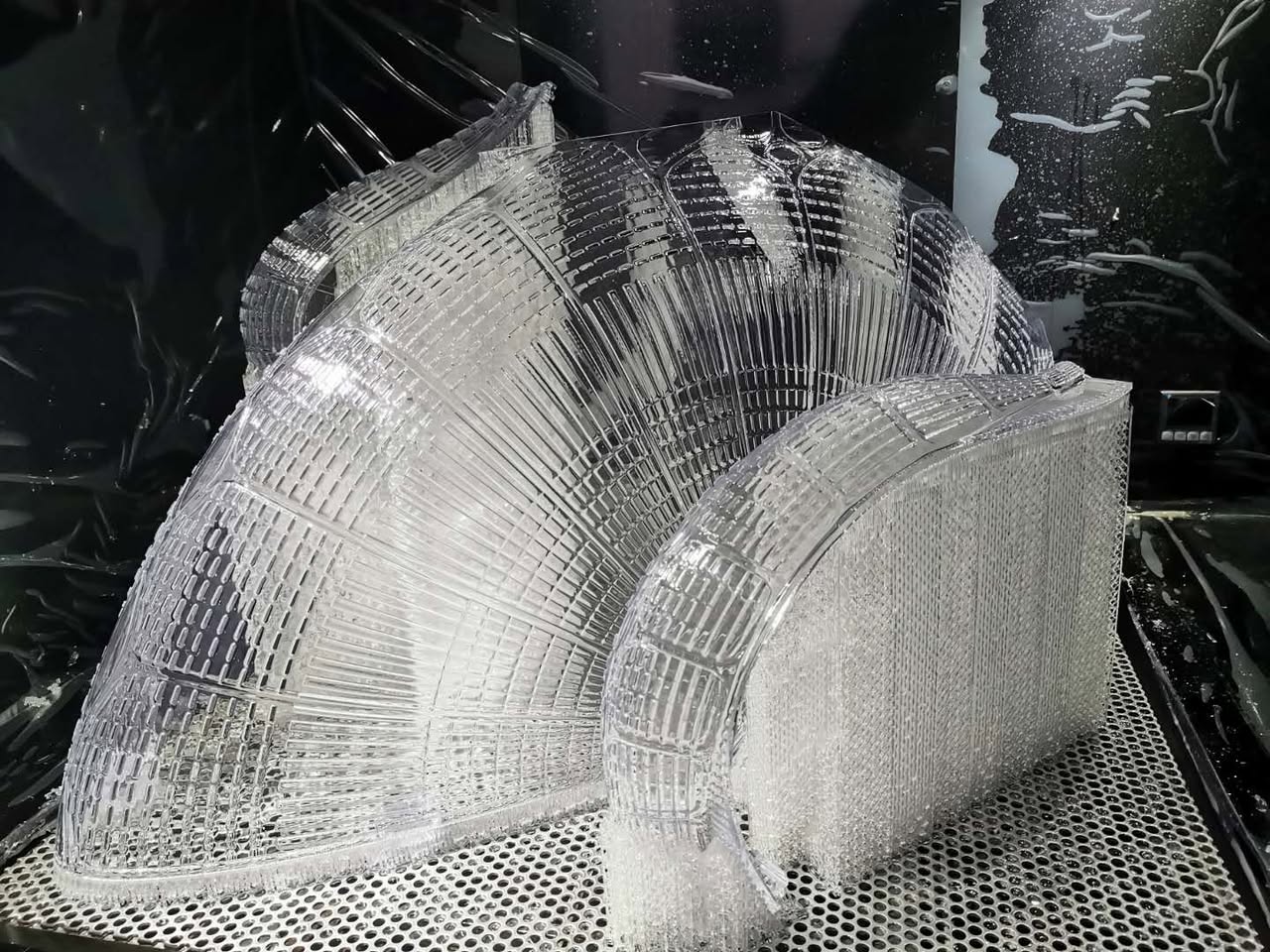
Transparent SLA 3D printing is useful when a prototype needs to show light transmission, internal structure, fluid path visibility or a consumer-facing clear appearance before production tooling is ready. For engineering buyers, the important point is that the printed part is only the beginning. The final transparent or translucent effect depends on resin choice, build orientation, sanding, polishing, clear coating, painting strategy and inspection of visible surfaces.
Jingrui Proto supports transparent and translucent prototype work through SLA 3D printing, broader industrial 3D printing service, and controlled surface finishing. This guide explains where transparent SLA fits, what it can and cannot prove, and how to prepare a better RFQ.
Common Applications for Transparent SLA
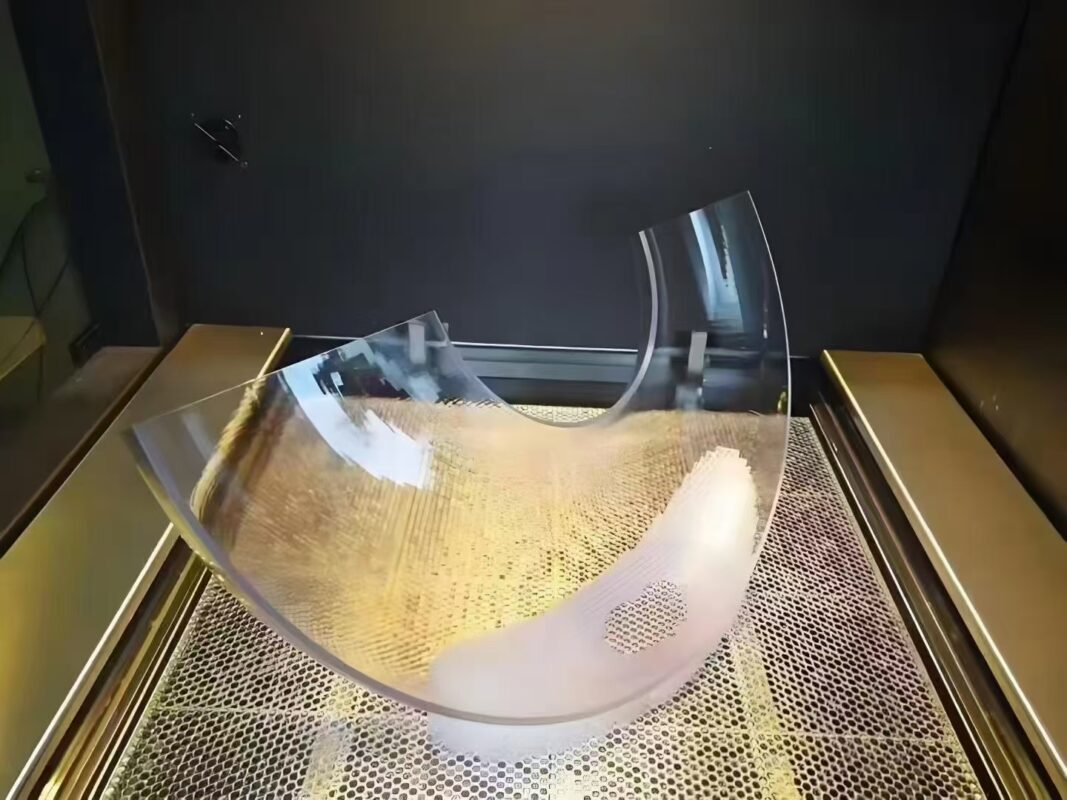
Transparent SLA is often selected for appearance and review prototypes rather than final production parts. Typical applications include clear housings, lighting covers, display parts, consumer electronics mockups, medical or laboratory device covers, fluid visualization models, and design-review parts where internal geometry needs to remain visible.
For consumer electronics, clear resin can help product teams review LED windows, sensor covers, display lenses, internal component visibility, button positions and enclosure proportions. For industrial prototypes, translucent SLA can help teams see internal channels, check assembly clearance or explain product function to non-technical stakeholders.
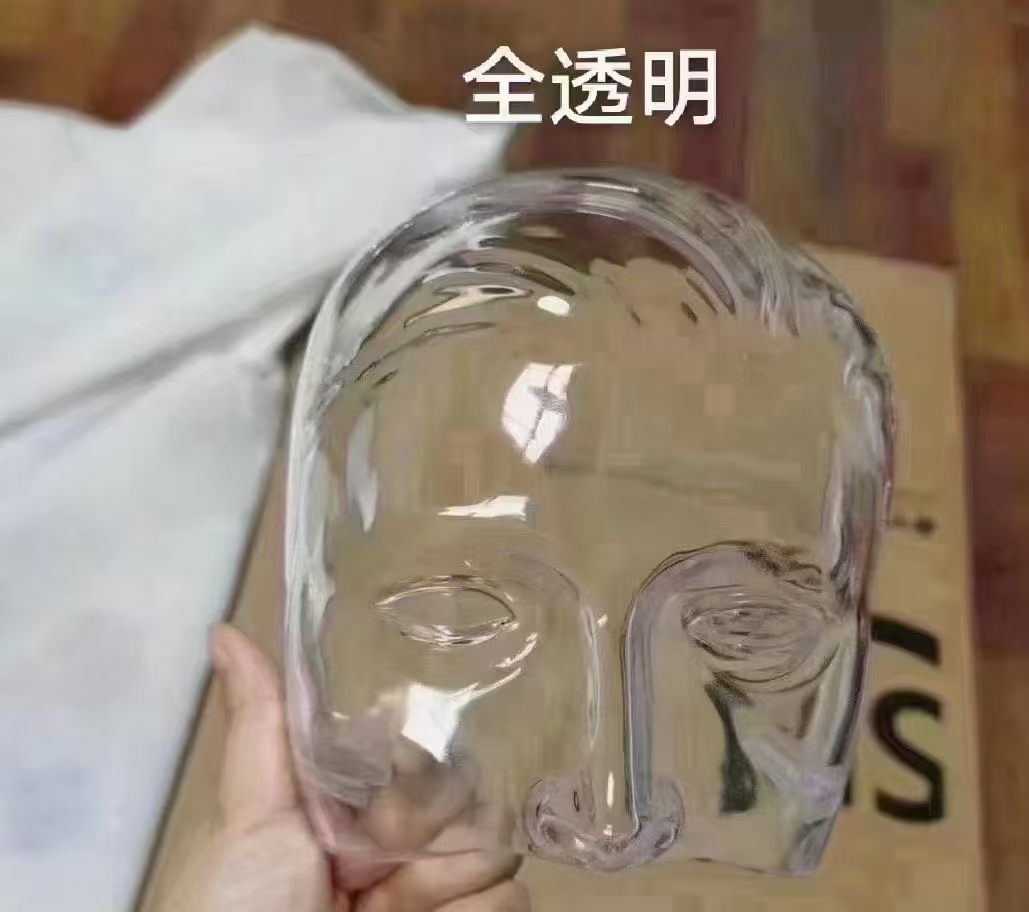
What Transparent SLA Can Validate
Transparent SLA can help buyers validate:
- General shape and fit before tooling
- Visible appearance direction for clear or translucent parts
- Internal feature visibility
- Lighting or display-window placement
- Assembly clearance for covers and housings
- Marketing, presentation or investor-review samples
It should not be treated as proof that the final molded material will have the same optical, thermal, chemical or mechanical behavior. Production materials such as PC, PMMA or optical-grade molded plastics require separate material and tooling review.
Why Surface Finishing Matters
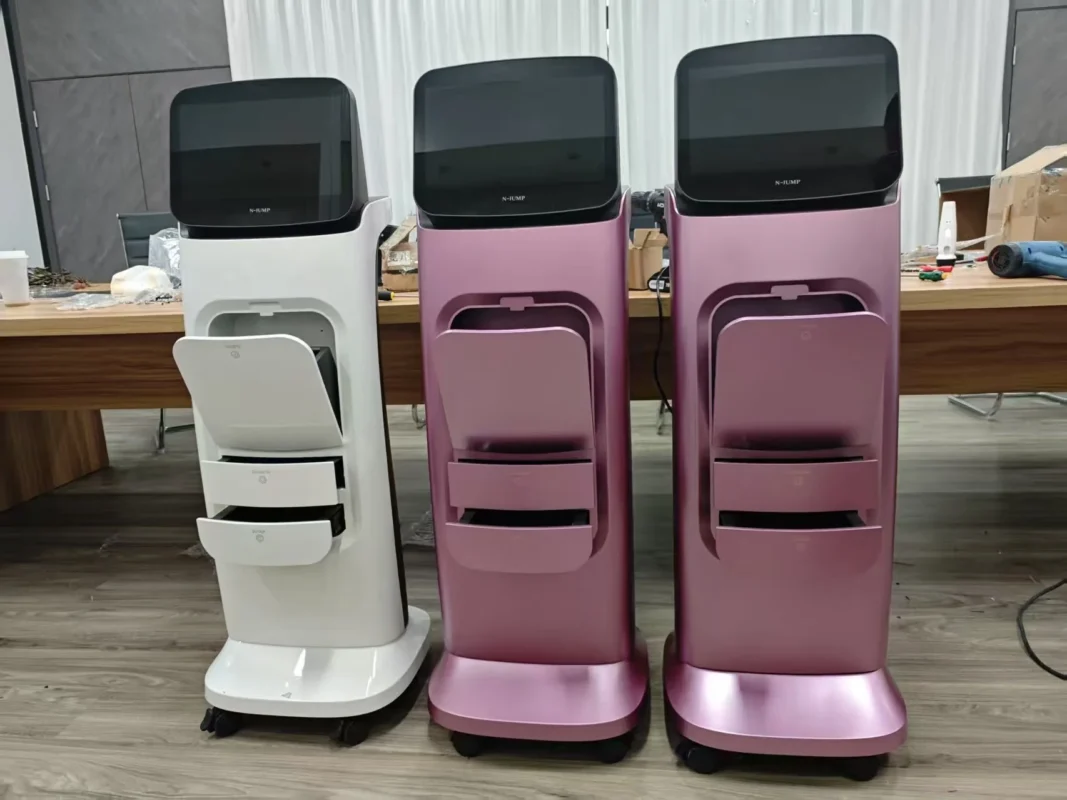
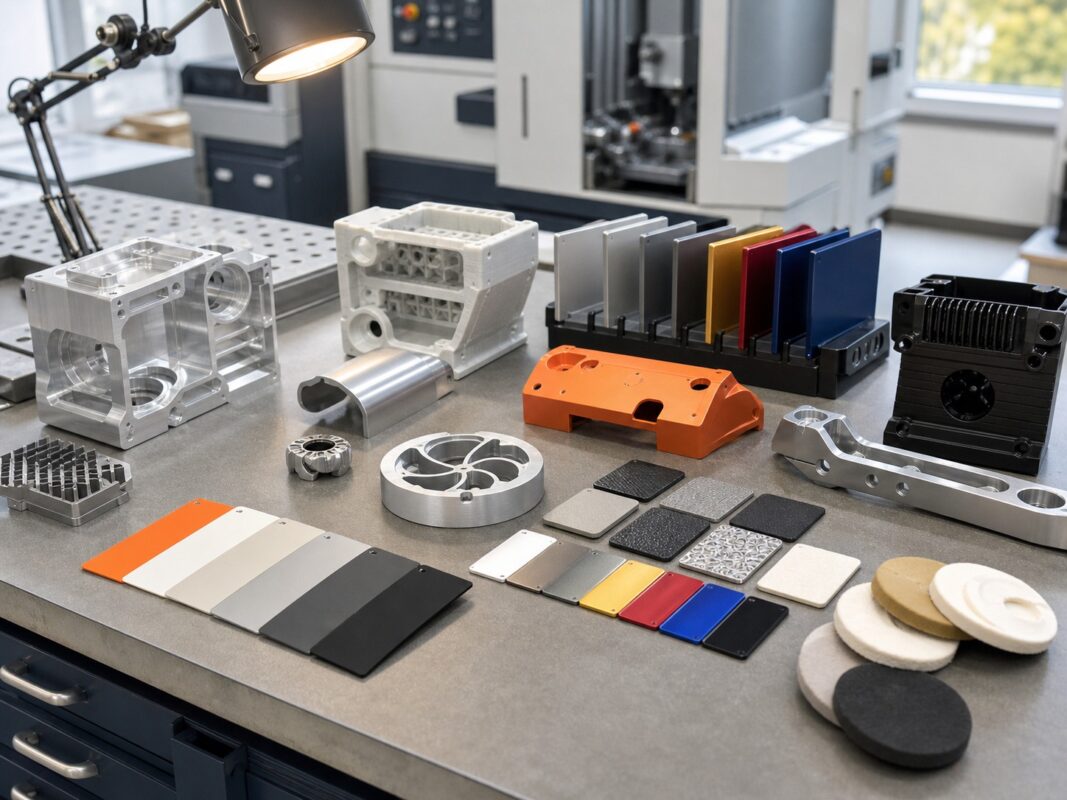
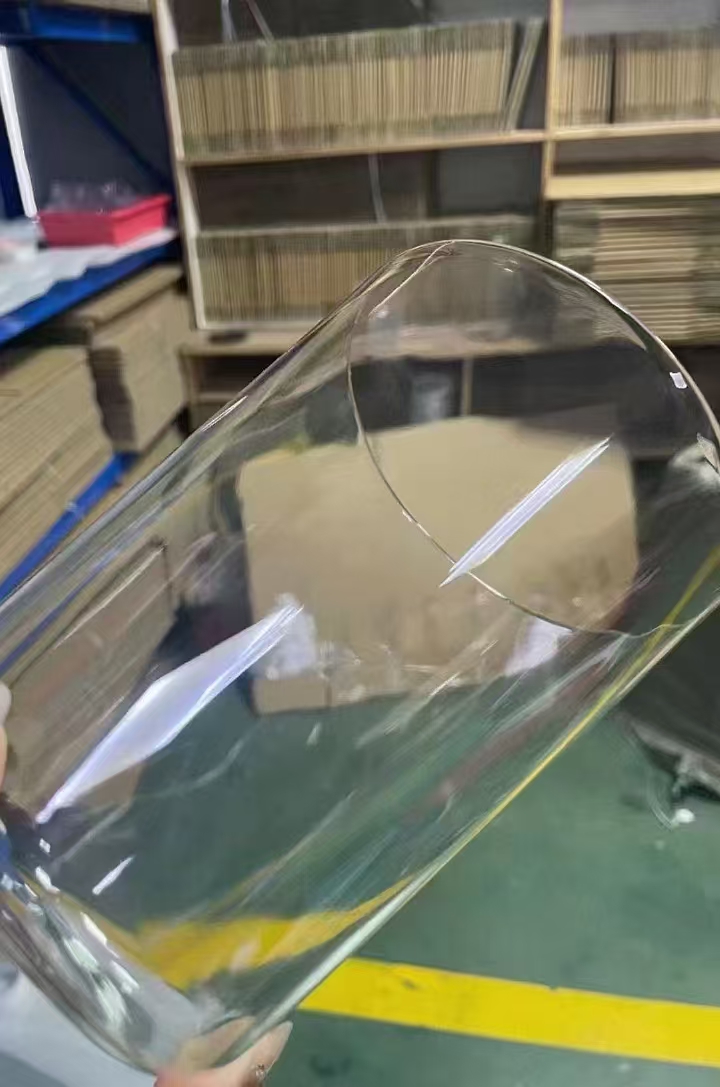
Clear SLA parts usually require more post-processing than opaque prototypes. Layer lines, support marks and surface scratches can scatter light and reduce transparency. Sanding, polishing and clear coating may be needed when the goal is a glass-like or lens-like visual effect.
The best RFQ notes separate the target from the method. Instead of writing only “transparent,” explain whether the part should be water-clear, lightly translucent, frosted, tinted, polished, painted around selected areas, or simply clear enough for internal review.
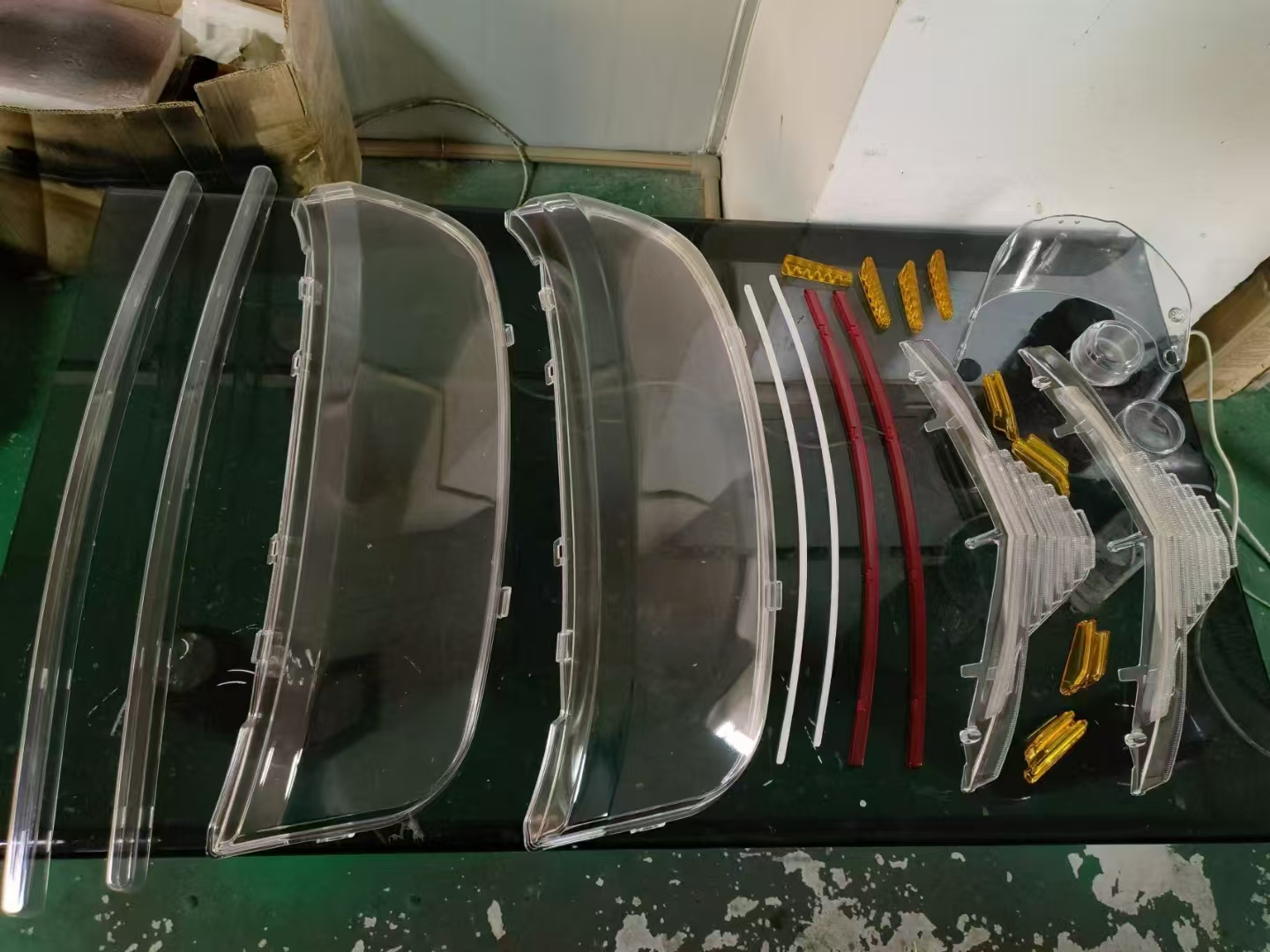
Manufacturing Process
A practical transparent SLA workflow usually includes:
- CAD review for wall thickness, thin features, support areas and visible faces
- Resin and orientation planning
- SLA printing
- Support removal
- Sanding and surface refinement
- Polishing or clear coating when required
- Fit, appearance and visual inspection
If the part is likely to move into production, Jingrui Proto may also review whether CNC machining, vacuum casting, injection molding or another process is more appropriate for the next stage.
Material and Finish Notes for RFQ Buyers
When asking for transparent SLA parts, include CAD files, target quantity, required clarity level, visible surfaces, assembly interfaces, tint or color requirement, whether the part touches liquid or heat, and whether the prototype is for appearance, function, display or customer testing.
If optical performance is critical, say so early. A clear prototype for appearance review is different from an optical lens, a pressure-tested fluidic component or a certified end-use part.
Related Manufacturing Services
Transparent SLA is one route inside a broader prototype manufacturing plan. Buyers can compare SLA 3D printing, prototype services, surface finishing, and the wider case study portfolio before sending an RFQ.
FAQ
Is transparent SLA the same as injection-molded clear plastic?
No. Transparent SLA can create clear or translucent prototypes, but it is not automatically equivalent to injection-molded PC, PMMA or other production plastics.
Can SLA parts be polished after printing?
Yes, many clear resin prototypes need sanding, polishing or coating to improve clarity. The final result depends on geometry, support marks, resin behavior and finish requirements.
What should I include in a transparent SLA RFQ?
Send CAD files, quantity, target clarity, visible surfaces, tint or coating requirements, assembly notes, use environment and whether the part is for appearance review or functional testing.
When should I choose another process?
Choose another process when the part needs final production material behavior, high optical performance, repeated production, tight mechanical properties or a production-tooling path.