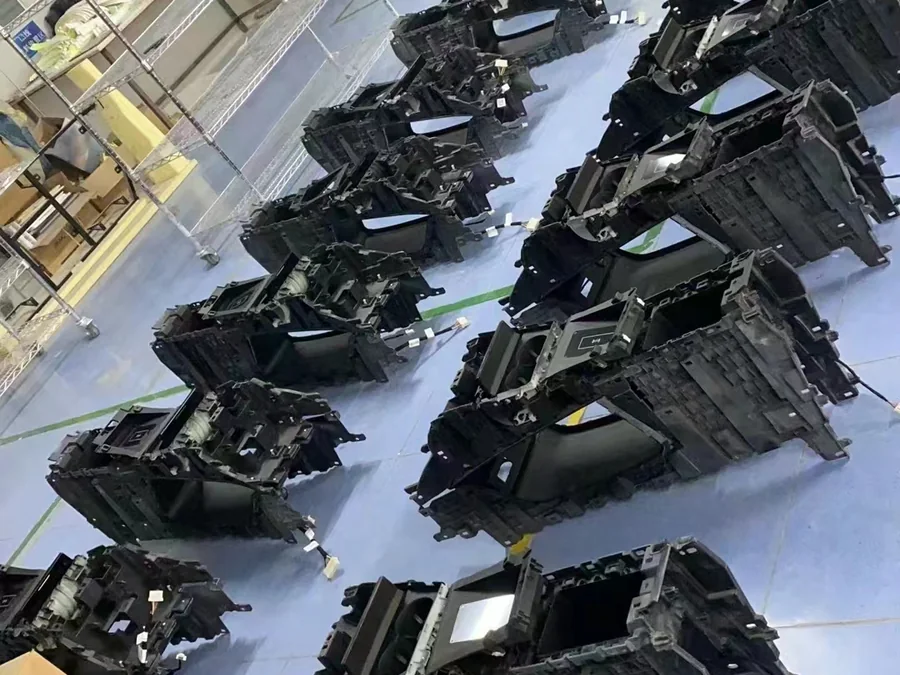
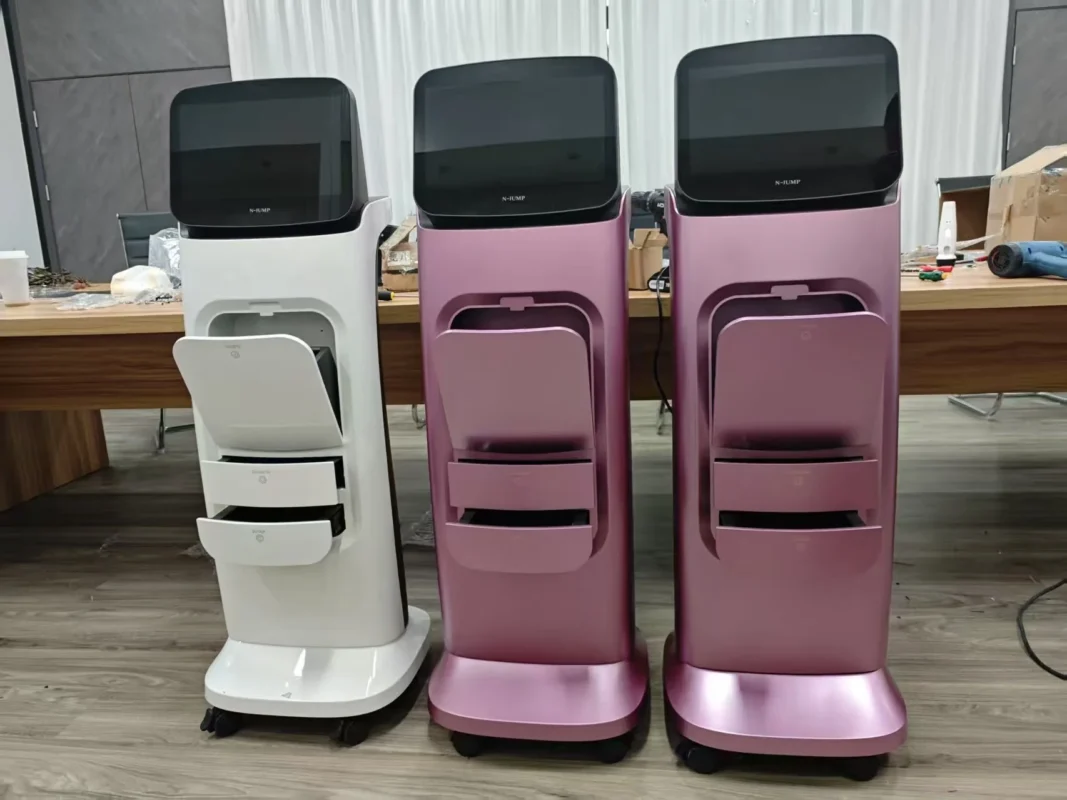
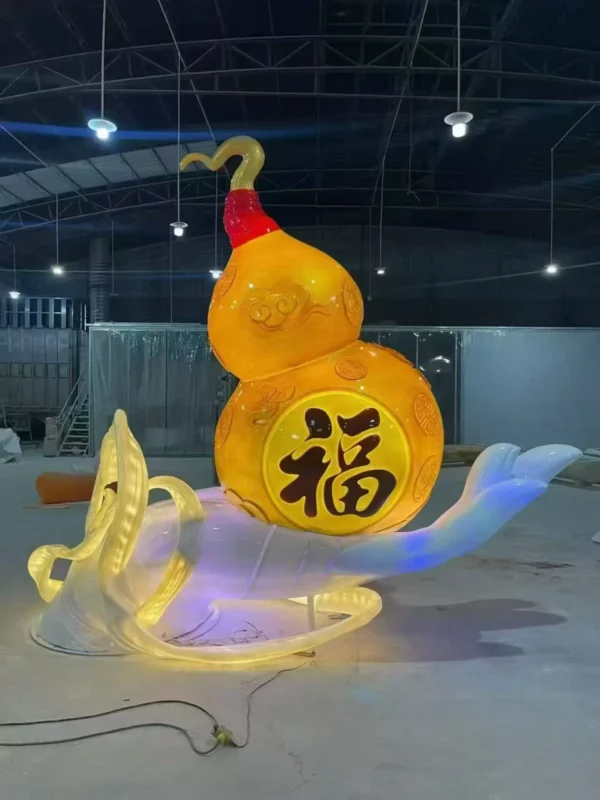
A prototype can be dimensionally correct and still fail the buyer review if the finish looks wrong, chips too easily, blocks a connector or changes the feel of a handheld part. For overseas engineering teams, the right surface finishing company in China is not simply the shop with the longest finish list. It is the supplier that can connect the finish to the base process, the material, the drawing notes and the acceptance standard.
This article is an editorial shortlist, not a proven industry ranking. The companies below were selected because their public pages describe relevant prototype manufacturing or finishing support. Buyers should still verify each supplier against the actual part geometry, material, finish sample, quantity and inspection requirement before issuing a purchase order.
Methodology: How This Shortlist Was Built
The comparison focuses on prototype and low-volume part finishing, not mass decorative coating alone. A supplier was considered relevant when it publicly showed one or more of these buyer-useful capabilities:
- Surface finishing for prototype or custom parts.
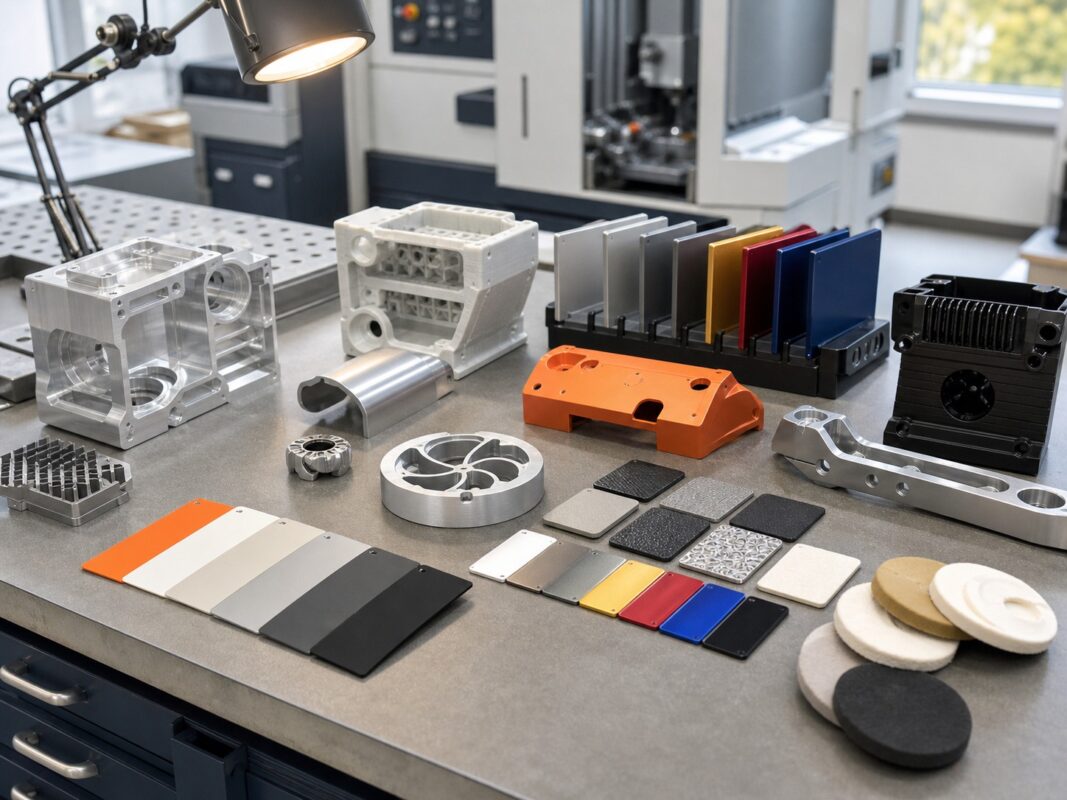
- Support for common finishes such as painting, polishing, blasting, anodizing, plating, silk screening or texture work.
- Ability to coordinate finishing with CNC machining, 3D printing, vacuum casting, sheet metal or injection molding.
- Clear fit for overseas RFQ communication.
- Practical limitations that a buyer can confirm before ordering.
The order is an editorial buyer guide. It does not claim that any company is the largest, fastest, cheapest or objectively best in China.
Quick Comparison Table
| Company |
Best-fit project type |
Relevant finishing angle |
Buyer limitation to verify |
| Jingrui Proto |
Multi-process prototypes that need manufacturing, finishing and assembly coordination |
Painting, sanding, polishing, blasting, anodizing-style metal finishes, printing and post-processing support |
Confirm finish target, material, masked features and inspection criteria |
| 3ERP |
Custom prototype and low-volume parts needing broad manufacturing routes |
Public service pages cover surface finishing with CNC, molding, sheet metal and 3D printing workflows |
Confirm whether finish is done in-house or through coordinated partners for your finish |
| RapidDirect |
Digital manufacturing RFQs with several process options |
Platform-style custom part manufacturing with surface finish options |
Confirm who controls final finish acceptance and revision communication |
| WayKen |
Appearance prototypes, presentation models and cosmetic product development samples |
Prototype-oriented finishing, polishing and painting positioning |
Confirm functional durability if the part is not only visual |
| HLH Prototypes |
Rapid prototyping and low-volume manufacturing projects needing broader China supplier coverage |
Finishing as part of rapid prototyping and manufacturing support |
Confirm finish detail, color matching method and batch consistency plan |
1. Jingrui Proto
Jingrui Proto is a strong fit when the buyer wants the same supplier to help with the part-making route and the final surface. That matters when a prototype includes CNC machined metal brackets, SLA appearance shells, SLS or MJF nylon parts, vacuum-cast covers, inserts, labels and final assembly checks.
The practical advantage is responsibility. If a painted plastic housing does not assemble cleanly after coating, or an anodized aluminum bracket has critical threaded holes, the buyer does not want several vendors arguing about where the problem started. Jingrui Proto’s surface finishing support can be reviewed together with CNC machining, 3D printing and vacuum casting during RFQ planning.
For prototype parts, Jingrui Proto is most suitable when:
- The project combines manufacturing and finishing in one delivery.
- The finish affects assembly, customer review or trade-show presentation.
- The buyer needs painting, sanding, polishing, blasting, printing, anodizing-style metal finishing or related post-processing.
- The RFQ includes drawings, CAD files, material, quantity, color references and clear acceptance notes.
It is less suitable if the project is a high-volume decorative coating order with no prototype manufacturing requirement. In that case, a dedicated coating factory may be a better comparison.
2. 3ERP
3ERP is a China-based rapid prototyping and low-volume manufacturing supplier that publicly presents broad manufacturing services. Its surface finishing coverage is relevant for buyers who need finishing connected with CNC machining, injection molding, sheet metal, 3D printing or vacuum casting.
This makes 3ERP useful for mixed-process prototype orders. For example, a device prototype may require a CNC aluminum inner frame, a painted plastic shell, a soft-touch exterior sample and printed markings. A buyer comparing 3ERP should ask how the finishing route is controlled, which finishes are handled directly, which may use outside finishing partners and how finish defects are resolved.
3ERP can be a practical comparison option when the buyer values a broad service menu. The limitation to verify is not whether the company can quote a finish name. It is whether the finish is suitable for the material, quantity, cosmetic standard and inspection method.
3. RapidDirect
RapidDirect is relevant for buyers who prefer a digital manufacturing workflow and want to compare several custom part processes through one RFQ channel. Its public positioning covers custom parts and surface finish options across manufacturing routes.
This model can help procurement teams that want fast quotation flow and multiple process options. It is especially useful when the buyer is still deciding whether a part should be machined, printed, molded or sheet-metal fabricated before finishing.
The limitation is control clarity. For prototype surface finishing, the buyer should confirm who owns the final acceptance standard, who communicates color or texture changes, whether finish samples are available and how nonconforming cosmetic parts are handled. A platform workflow can be efficient, but only when the buyer makes the finish requirement specific enough to inspect.
4. WayKen
WayKen is often compared for appearance prototypes, product development samples and visually refined models. That makes it relevant when the project risk is not only geometry but also how the part will look and feel in a review meeting, customer demo or investor presentation.
WayKen may fit projects such as consumer product housings, automotive interior details, clear or painted prototypes and display models where polishing, painting and surface preparation are central to the result.
The buyer should still separate visual quality from functional durability. A finish that looks right on a presentation model may not prove abrasion resistance, outdoor aging or production coating behavior. If the prototype must be tested mechanically, chemically or thermally, ask the supplier how the finish should be interpreted.
5. HLH Prototypes
HLH Prototypes is a long-running rapid prototyping supplier in China with public pages covering prototype and low-volume manufacturing services. It is relevant for buyers who want a known China prototyping supplier with finishing available as part of a broader manufacturing project.
HLH can be considered for projects that combine rapid prototyping, low-volume manufacturing, finishing and delivery coordination. For surface finishing work, buyers should ask for specific confirmation around finish type, color or texture matching, masking, inspection, packing protection and expected consistency across repeated parts.
HLH is a useful comparison when the buyer wants broad rapid manufacturing support. It should not be treated as automatically suitable for every coating or decorative finish. The correct question is whether its process route matches the part material and the prototype’s job.
How to Choose a Surface Finishing Supplier
Start with the failure mode. If the risk is appearance, ask for color, gloss, texture and sample approval steps. If the risk is assembly, mark all masked faces, holes, bosses, clips and datum surfaces. If the risk is durability, ask what the finish can and cannot prove at prototype quantity.
| Buyer question |
Why it matters |
What to send |
| What is the base process? |
CNC, SLA, SLS, vacuum casting and sheet metal parts accept finishes differently. |
CAD file, drawing and material |
| Which surfaces are cosmetic? |
Not every surface needs the same finish level. |
Marked screenshots or 2D drawing notes |
| Which areas must be masked? |
Coating thickness and polishing can affect assembly. |
Critical holes, threads, mating faces and datum callouts |
| What is the finish target? |
“Black paint” is not enough for repeatable approval. |
RAL/Pantone reference, sample photo, texture target or gloss target |
| How will parts be inspected? |
Cosmetic and dimensional inspection need different criteria. |
Acceptance notes, sample approval plan and quantity |
For many overseas buyers, the safest route is to quote manufacturing and finishing together. If the supplier can review the finish before making the part, it can protect edges, clearances and cosmetic surfaces from the start.
When Jingrui Proto Is a Good Fit
Jingrui Proto is worth shortlisting when the project includes both prototype manufacturing and finishing decisions. Common examples include:
- CNC machined aluminum housings that need blasting, anodizing, polishing or printed markings.
- SLA appearance models that need sanding, primer, painting and assembly.
- Vacuum-cast plastic covers that need color, texture and low-volume consistency.
- Functional assemblies that combine printed, machined and finished components.
- Product development projects where the buyer wants one RFQ review instead of separate manufacturing and finishing quotes.
To prepare a quote, send CAD files, drawings, quantity, base material, finish target, sample photos, color references and any masked or critical surfaces through the Jingrui Proto contact page.
FAQ
Is this a proven ranking of the best surface finishing companies in China?
No. It is an editorial shortlist for overseas buyers comparing prototype surface finishing suppliers. The order is based on public service fit, buyer-useful capabilities and project suitability, not audited revenue, customer reviews, certification ranking or verified market share.
Should I choose anodizing or painting for aluminum prototype parts?
Use anodizing when the aluminum part needs a metallic finish, corrosion resistance and a surface treatment that fits the alloy and part geometry. Use painting when the color, texture or product appearance target matters more than showing metal. The final choice depends on alloy, tolerance, masked areas, color target and how the prototype will be tested.
Can one supplier handle both machining and finishing?
Yes, many prototype suppliers can coordinate machining and finishing. The buyer should confirm responsibility before ordering. Ask whether the same supplier controls CNC machining, deburring, finishing, inspection and packing, and how it handles a part that fails after finishing.
What should I send in a surface finishing RFQ?
Send 3D CAD files, 2D drawings, material, quantity, target finish, color reference, sample photo if available, cosmetic surface markings and masked or critical dimensions. If the part must assemble after coating, call out mating faces, threaded holes, snap features, connector openings and datum surfaces.
Why can finishing affect prototype fit?
Finishing can add coating thickness, remove material through sanding or polishing, round edges, fill small lettering or change the feel of clips and mating surfaces. That is why critical features should be identified before finishing starts, not after the first sample is rejected.
When should I use a specialist finishing shop instead of a prototype manufacturer?
Use a specialist finishing shop when the project is mainly a high-volume coating job, requires a rare finish, or has strict cosmetic production standards beyond prototype validation. Use an integrated prototype manufacturer when part-making, finishing, assembly and engineering feedback need to stay under one project owner.
Related Posts
Author Box
Author Name: Jingrui Proto Engineering Content Team
Industry Experience: Prototype manufacturing, CNC machining, additive manufacturing, vacuum casting, surface finishing and low-volume production for overseas engineering buyers.
Brief Bio: Jingrui Proto’s engineering content team writes practical sourcing and process-selection guides for product developers, procurement teams and manufacturing decision makers preparing CAD/RFQ packages.