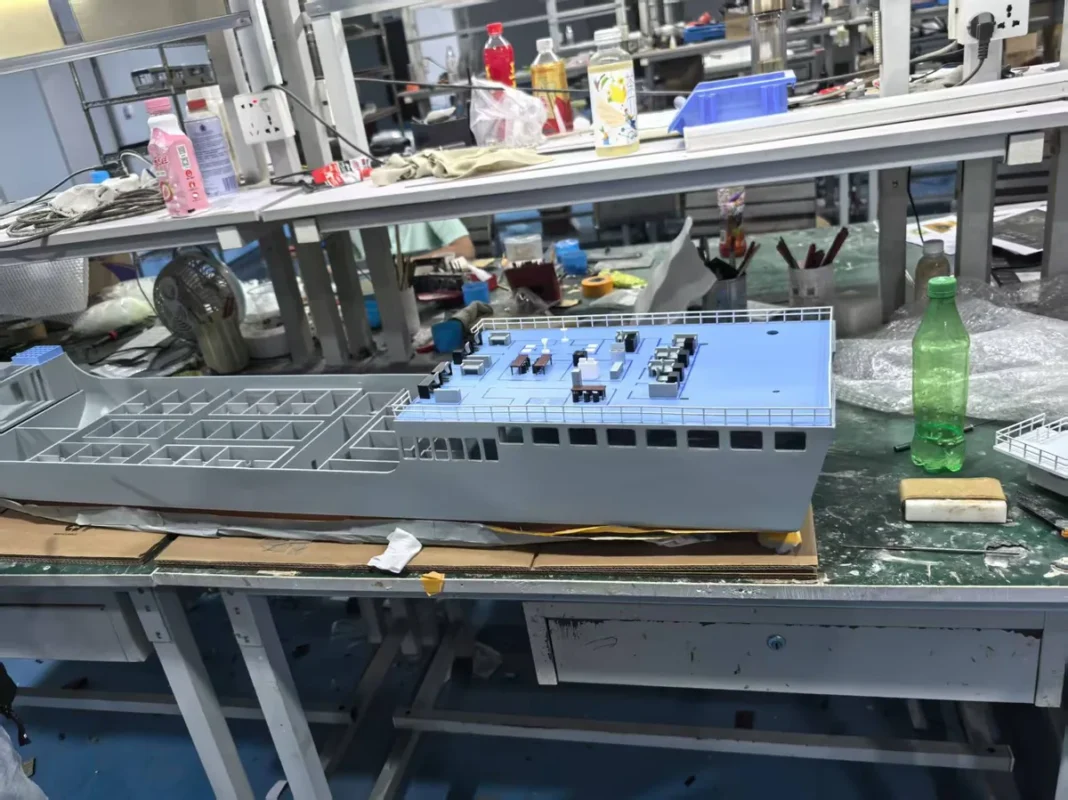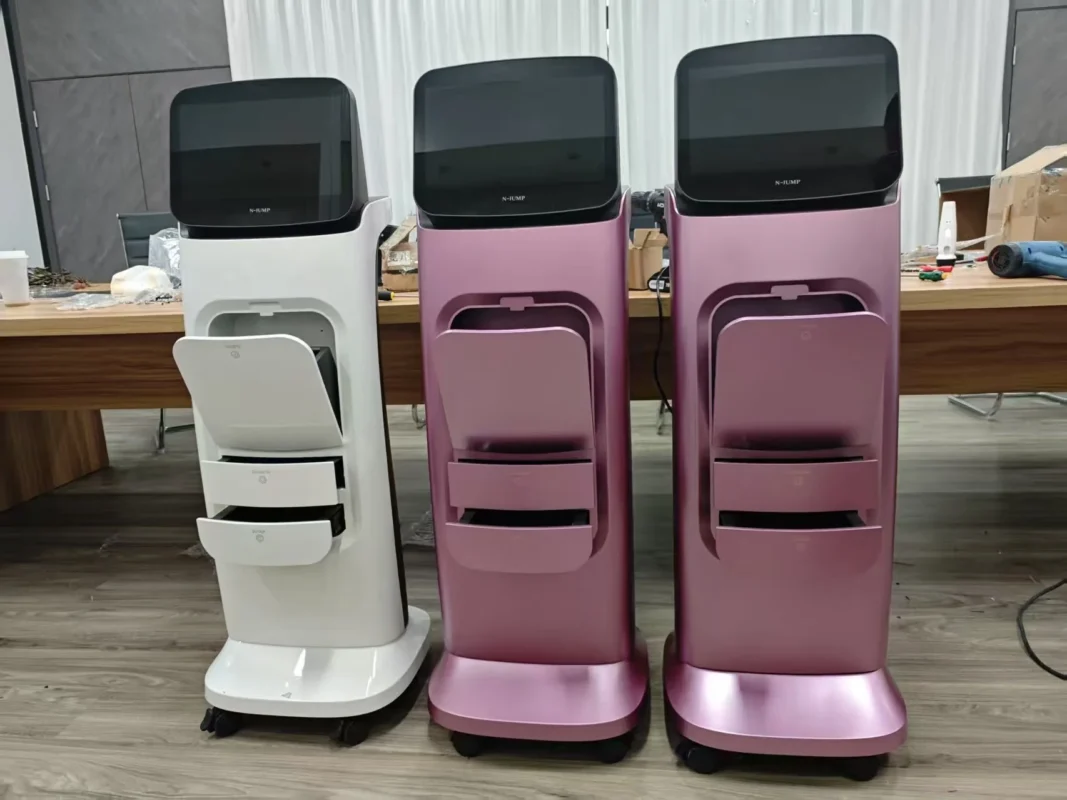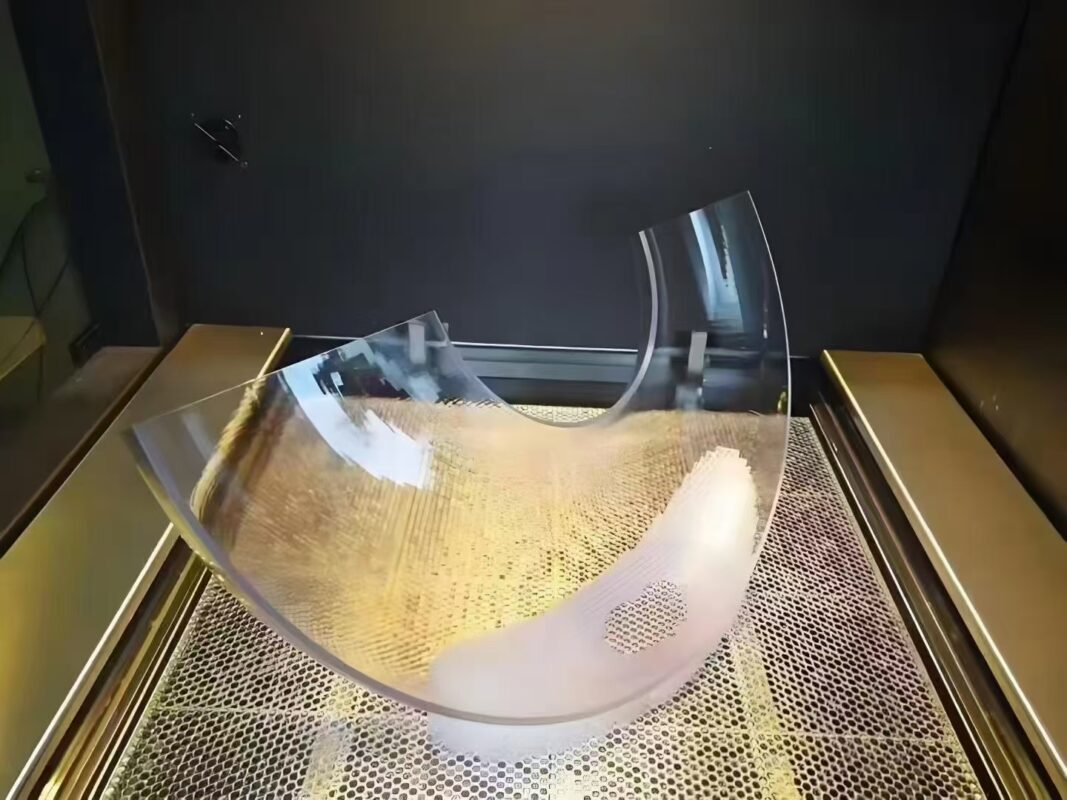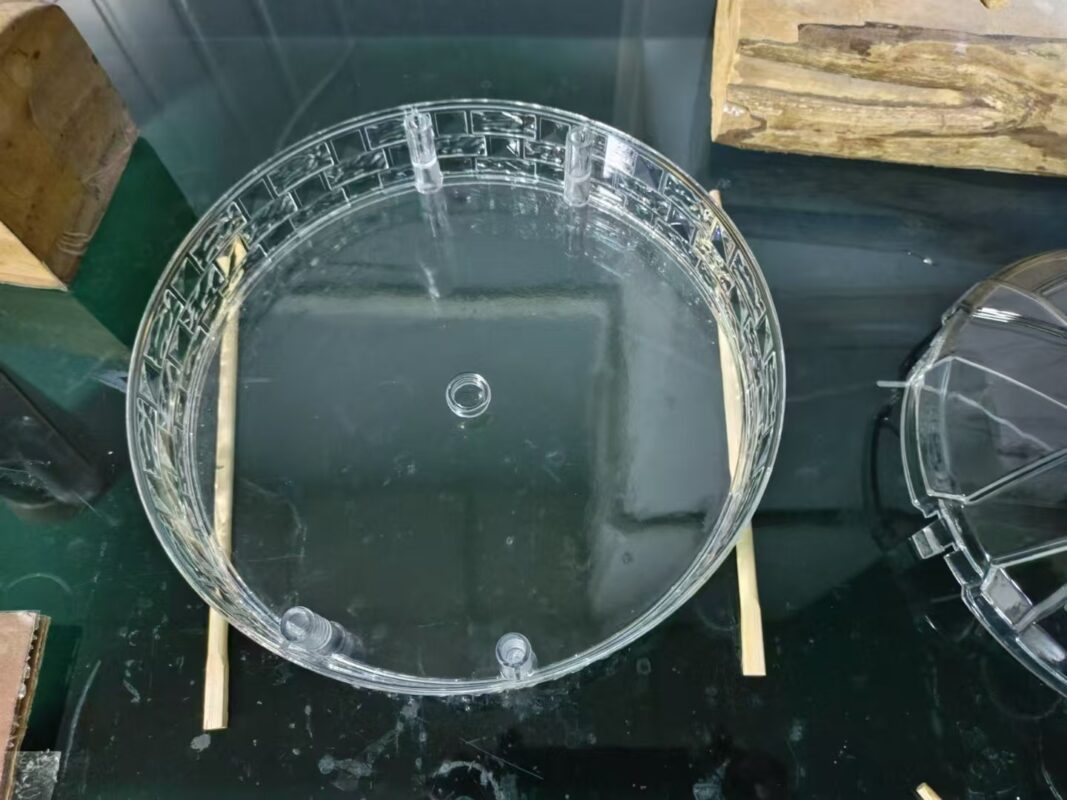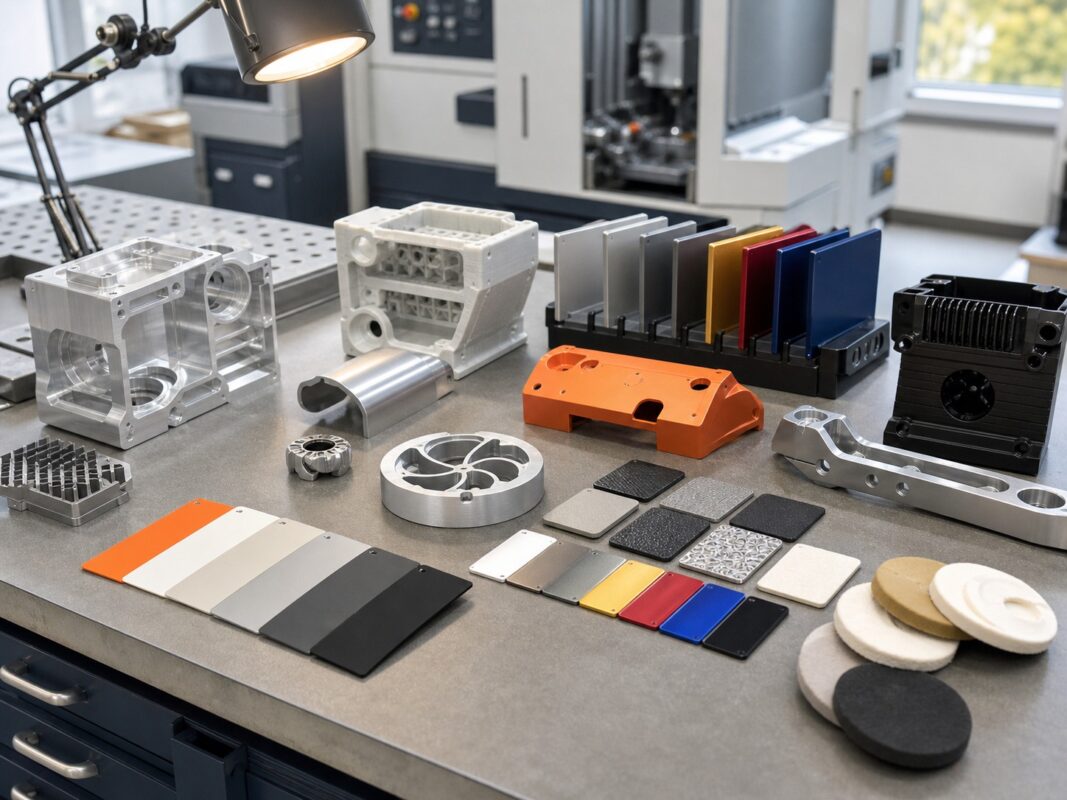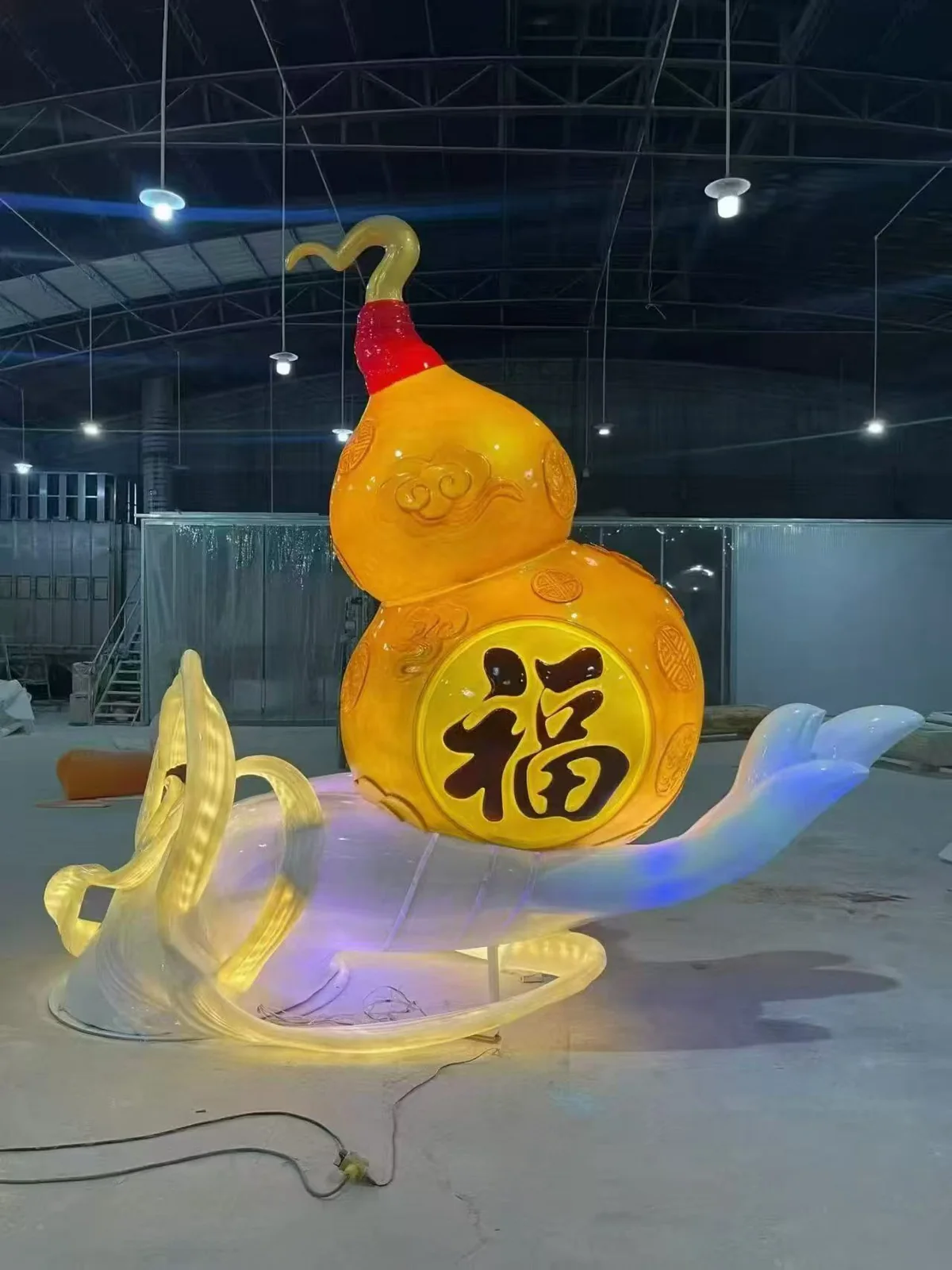
Large SLA parts are usually manufactured by breaking the project into a controlled workflow: segment the model, print the sections, sand and prepare surfaces, add reinforcement if the project requires it, bond and assemble the parts, then finish and paint the completed form. The exact plan depends on size, geometry, use environment, handling, finish quality and structural expectations.
Not every SLA project needs reinforcement. Not every oversized part should be made by SLA. But when a buyer needs a large, high-detail resin form, segmentation and finishing can make a part larger than a practical single build possible.
Why Large SLA Parts Are Segmented
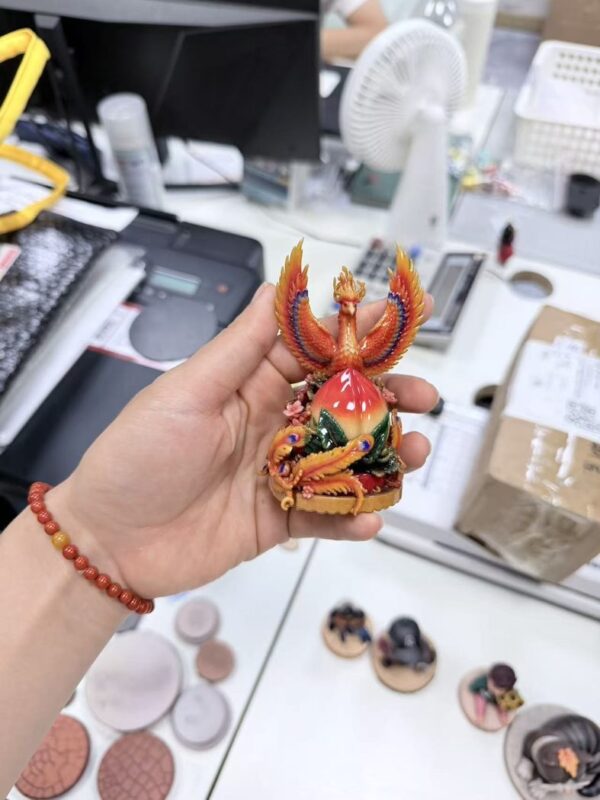
SLA stereolithography uses a UV-curing resin process to produce smooth surfaces and fine details. Jingrui Proto’s SLA 3D printing service is used for appearance prototypes, design presentation samples, figurines, housings and detailed resin parts.
When a part is larger than the practical single-build envelope, segmentation allows the project to move forward. The model is divided into sections that can be printed, handled, finished and assembled. A good split strategy considers visible seams, structural support, sanding access, bonding area and how the final part will be transported or installed.
Workflow Overview
| Step | Buyer Question |
|---|---|
| Segmentation | Where can the model be split without damaging appearance or assembly strength? |
| SLA printing | Which sections need fine detail, smooth surface or orientation planning? |
| Fine sanding | Which surfaces must be prepared before bonding or painting? |
| Reinforcement review | Does the use case require internal support, and where? |
| Bonding and assembly | How will sections locate, align and hold during finishing? |
| Painting and finishing | What final surface, color and viewing distance must be achieved? |
Real Case: 2.2 m Outdoor Sculpture
Jingrui Proto’s case study 2.2 m Segmented SLA Outdoor Sculpture gives a verified example of this workflow. The documented sequence was segmentation, SLA printing, fine sanding, internal fiberglass reinforcement, bonding and assembly, and painting. The documented lead time was 15 days.
The public case does not publish the material grade, printer model, segment count or dimensional tolerances. It also should not be read to mean that every SLA project needs fiberglass reinforcement. In this case, reinforcement was part of the verified project plan. For another large resin prototype, the reinforcement strategy could be different.
Printing and Sanding
After segmentation, each section must be printed and prepared. SLA can provide a smoother starting surface than many extrusion-based processes, but large parts still require finishing. Support marks, join areas and visible surfaces need sanding and review before assembly.
Buyers should identify cosmetic priority surfaces early. If a face will be viewed closely, painted in a glossy color or used in a presentation setting, the finishing plan should be different from a hidden internal surface.
Joining, Reinforcement and Assembly
Bonding large SLA sections is not just a glue step. It is an assembly process. The team must consider alignment, contact area, access to the inside of the part, seam location and whether the final form will be lifted, transported, displayed or exposed outdoors.
Internal reinforcement may be used when the project requires additional support. The 2.2 m sculpture case used internal fiberglass reinforcement, but that was a project-specific choice. Other projects may use different reinforcement, different joining design, or no reinforcement if the application does not require it.
Painting and Final Finish
Painting connects the segmented manufacturing route to the final visual result. Sanding, primer, seam work and color application can decide whether the audience sees one finished object or a visibly assembled prototype.
For buyer planning, define the finish in practical terms:
- Viewing distance
- Indoor or outdoor use
- Color target
- Gloss level
- Texture
- Handling or transport conditions
- Required durability review
When Another Process May Be Better
Large SLA is not the answer for every large part. FGF may be better when the part is very large and surface detail is less important. CNC machining may be better for rigid tooling boards or precise machined forms. Composite fabrication may be better when the final part needs a specific structural laminate. The correct route depends on function, finish and quantity.
If the project is primarily about very large forms, compare this topic with FGF vs FDM for large-format parts.
RFQ Checklist
Send:
- CAD file or 3D model
- Overall size and any transport constraints
- Required finish and color
- Indoor or outdoor use
- Cosmetic priority surfaces
- Assembly or installation method
- Load, handling or reinforcement expectations
- Quantity and deadline
- Photos, sketches or renderings showing the intended final appearance
FAQ
Can SLA make parts larger than one build volume?
Yes, when the model can be segmented, printed in sections, joined and finished. The split strategy must be reviewed before production.
Does every large SLA part need fiberglass reinforcement?
No. Reinforcement depends on the project. The 2.2 m outdoor sculpture case used internal fiberglass reinforcement, but other parts may require a different strategy or none at all.
Will the seams be visible?
Seam visibility depends on split location, bonding, sanding, primer and paint quality. Identify high-visibility surfaces before the segmentation plan is finalized.
Conclusion
Large SLA parts are made through a connected workflow, not a single print button. Segmentation, printing, sanding, reinforcement review, bonding, assembly and painting must be planned together.
For an oversized SLA prototype or display form, send the CAD, size, finish and use requirements through the Jingrui Proto contact page.
Related Posts
- Large Format SLA Prototype Manufacturing
- Large-Scale Prototypes: Process, Assembly and RFQ Guide
- Transparent SLA 3D Printing Applications
Author Box
Author Name: Jingrui Proto Engineering Team
Industry Experience: Prototype and low-volume manufacturing since 2006
Brief Bio: The Jingrui Proto engineering team supports overseas buyers with CAD review, segmentation planning, surface finishing and quotation preparation for large prototype projects.