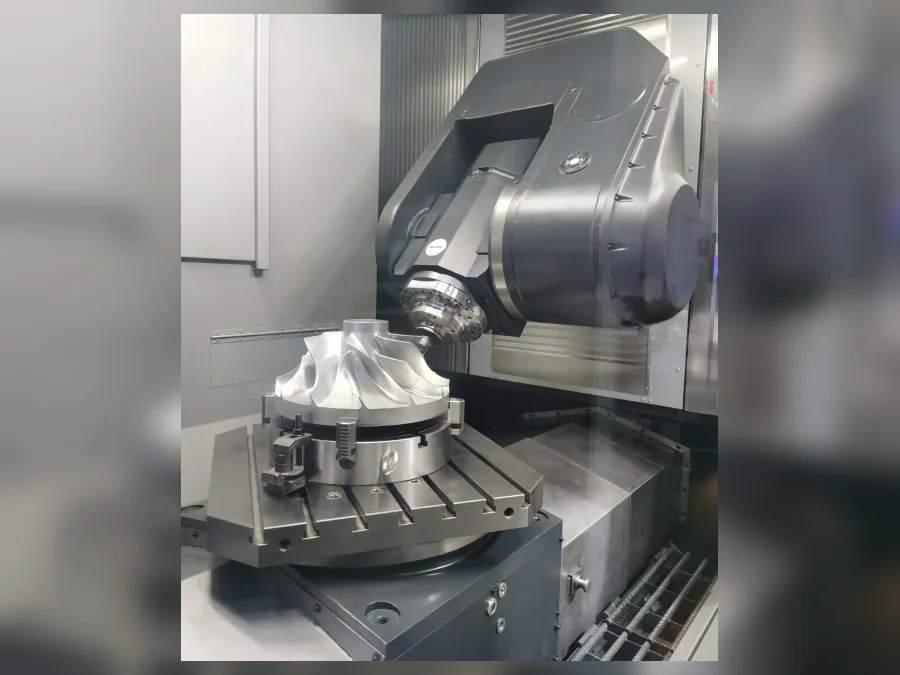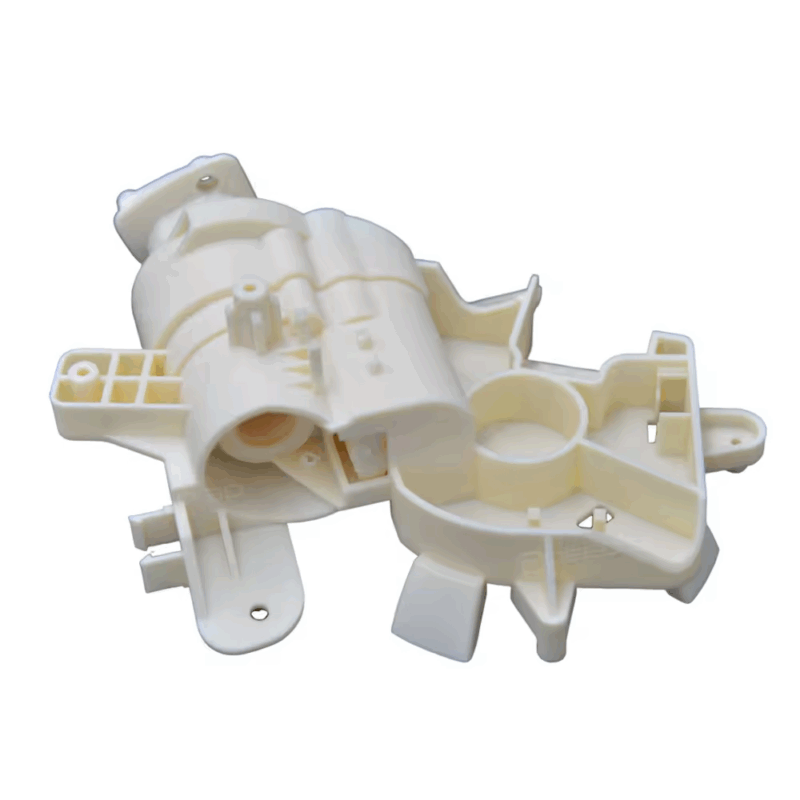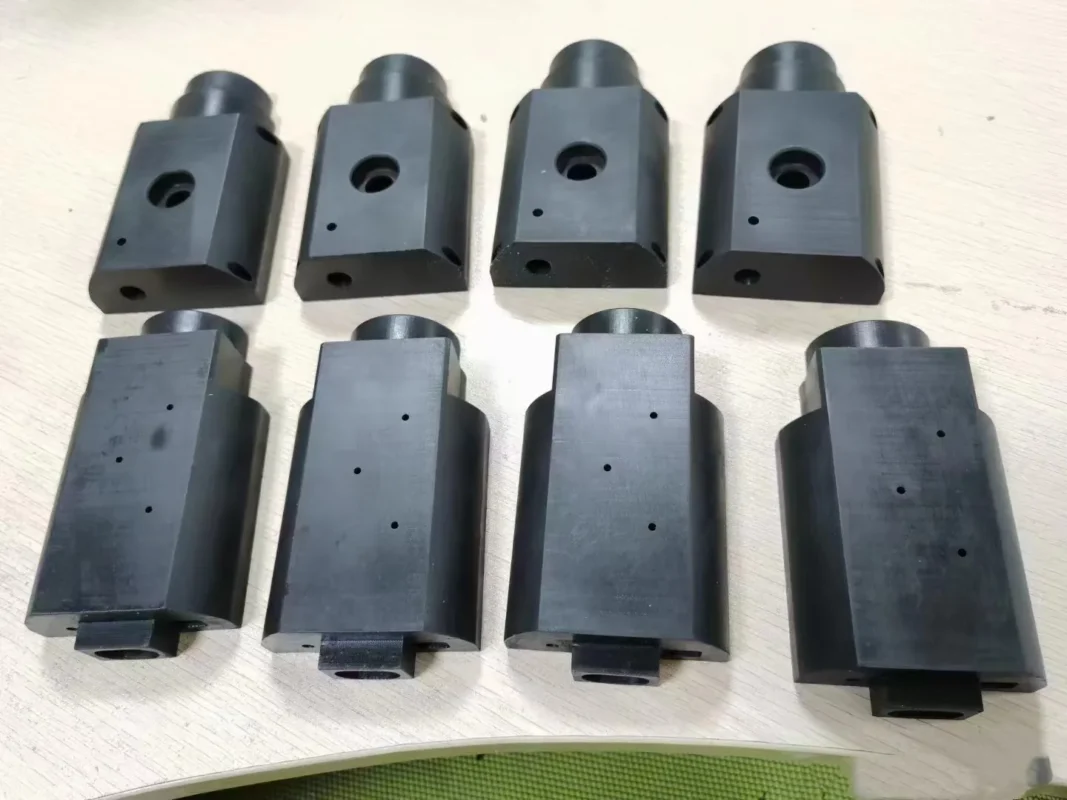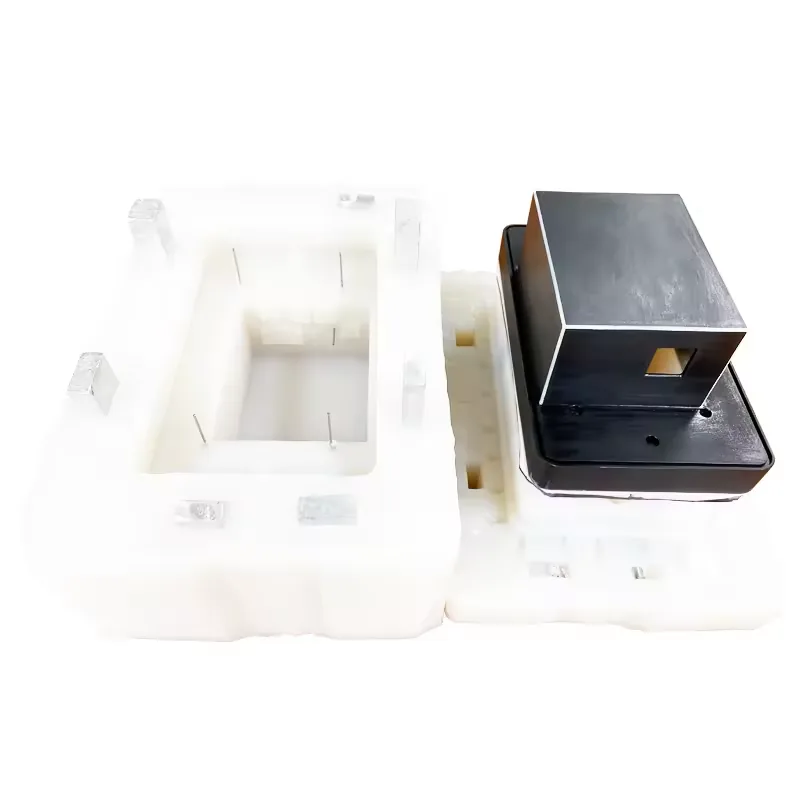
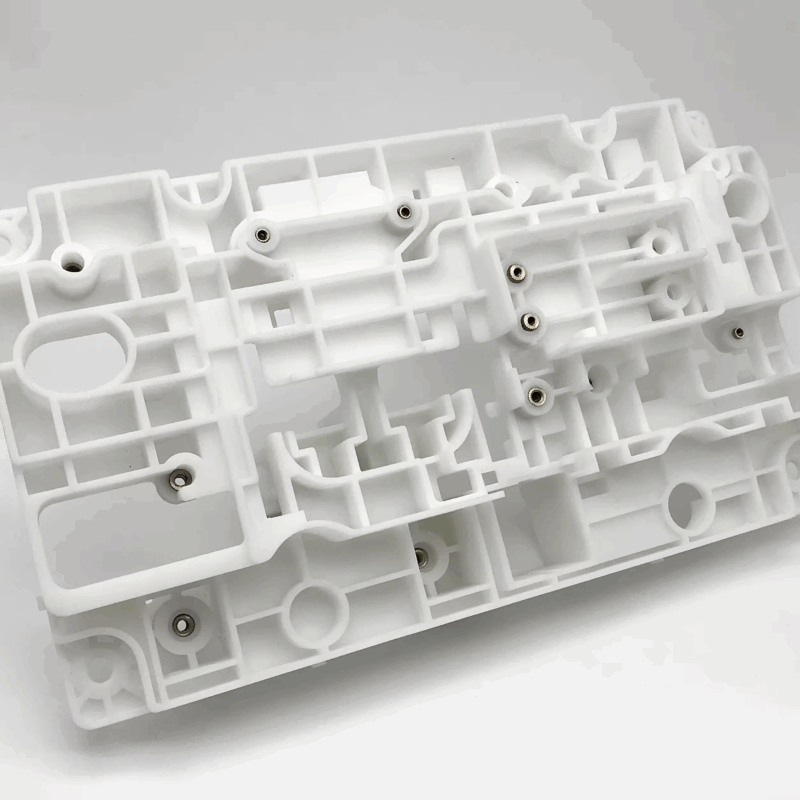
SLS and MJF are both strong options for functional nylon parts, but they are not interchangeable buying decisions. For engineering teams, the right choice depends on geometry, surface expectation, assembly fit, batch size, post-processing and how much risk the project can accept before tooling or production.
Where the Processes Overlap
Both processes can produce ductile nylon parts without hard tooling. They are useful for brackets, housings, clips, jigs, test fixtures and low-volume production where CNC machining or injection molding would add cost, lead time or design restrictions. Buyers should send STEP files, required quantities, load cases, critical dimensions and finishing expectations instead of asking for a process name only.
How to Compare Surface Finish and Accuracy
MJF often gives consistent grey nylon parts with good fine-feature definition, while SLS can be a strong fit for white nylon parts, larger powder-bed geometries and applications where dyeing or standard bead blasting is enough. Both may need bead blasting, dyeing, sanding, inserts or vapor smoothing when the part will be handled by end users.
Mechanical and Production Questions
Ask whether the supplier will orient the part for strength, control powder removal, protect thin walls and verify assembly dimensions after finishing. If parts must snap together, slide, seal or accept fasteners, Jingrui Proto recommends marking those dimensions on the drawing and agreeing on inspection points before printing.
Buyer Decision Table
| Decision factor | SLS | MJF |
|---|---|---|
| Best use | Functional nylon prototypes and white parts | Functional PA12 parts with consistent production batches |
| Finish planning | Bead blasting, dyeing, sanding as needed | Dyeing, vapor smoothing and local finishing options |
| RFQ risk | Unclear wall thickness and trapped powder | Unclear fit dimensions after finishing |
RFQ Checklist
- 3D CAD file in STEP format where possible, plus drawings for critical dimensions.
- Quantity, target material, finish, color, assembly context and inspection requirements.
- Clearly marked cosmetic surfaces, functional surfaces, inserts, threads and tolerance-critical features.
- Expected test environment, approval standard and any deadline tied to design review or pilot production.
How Jingrui Proto Can Help
Jingrui Proto works as a one-stop prototyping and low-volume manufacturing partner for international engineering and procurement teams. The team can review CAD, recommend a practical process route, manufacture parts, coordinate finishing and assembly, and plan inspection around the features that actually affect product risk. For a quote, send CAD files, drawings and acceptance criteria so the engineering team can respond with a manufacturable plan instead of a generic price.
FAQ
Should I choose SLS or MJF for PA12 parts?
Choose by geometry, finish, quantity and inspection needs. If the part must meet assembly fit after vapor smoothing, state that clearly in the RFQ.
Can MJF nylon parts be vapor smoothed?
Yes. Jingrui Proto has MJF chemical vapor smoothing capability for projects where smoother handling surfaces are required.
What should I include in the RFQ?
Send CAD, quantity, material preference, finish, critical dimensions, inserts, color requirements and the intended test environment.
Related Posts
- CNC Machining vs 3D Printing: How Engineers Should Choose
- Vacuum Casting Cost Factors: What Drives a Prototype Quote?
- How to Choose an MJF 3D Printing Supplier for Functional Nylon Prototypes
Author Box
Author Name: Jingrui Proto Engineering Team
Industry Experience: Prototype manufacturing, CNC machining, industrial 3D printing, vacuum casting, finishing and inspection for international product development teams.
Brief Bio: Jingrui Proto publishes manufacturing guidance for engineers and sourcing teams preparing RFQ packages, CAD files and low-volume production plans.
Editorial coverage date: 2026-10-12. Published on the actual execution date.
Substitution/duplicate-topic note: Original task overlapped existing published MJF-vs-SLS articles, so this version narrows the intent to buyer RFQ and production-risk comparison.