
Related posts
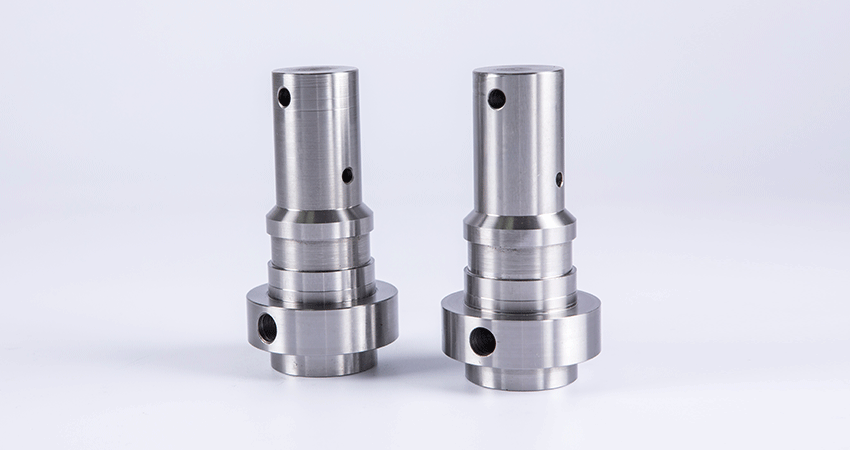
CNC Cross-Hole Deburring: Specify Internal Edges, Cleaning and Inspection Before Ordering
Quote CNC cross-hole deburring with internal-edge requirements, tool access, protected surfaces, cleaning and inspection evidence clearly defined.
Quoting Deep-Bore CNC Parts: Tool Reach, Chip Removal and Inspection Access
Quote deep-bore CNC parts with tool reach, useful depth, chip removal, workholding and inspection access defined before approving manufacture.
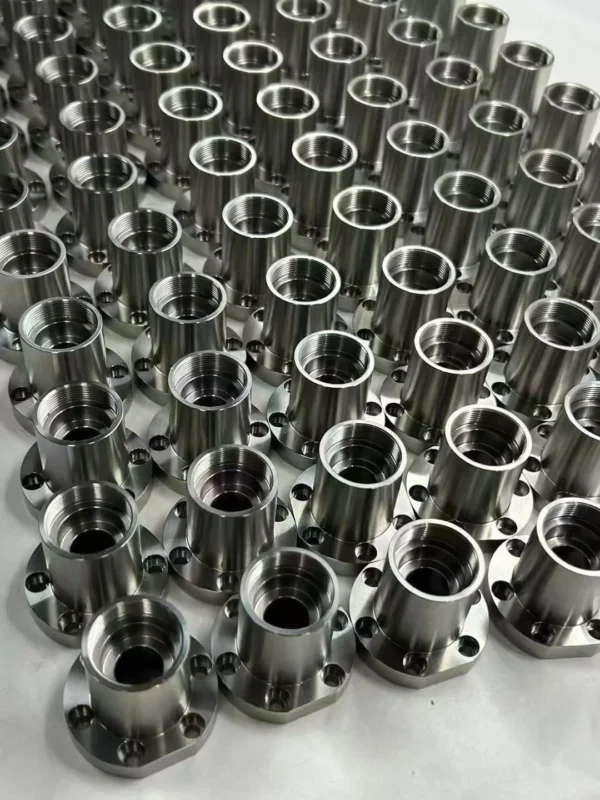
Prototype Material Traceability: CoCs, Mill Certificates and Lot Records
Specify prototype material traceability with grade, lot links, mill certificates, substitution controls and a practical RFQ document checklist.
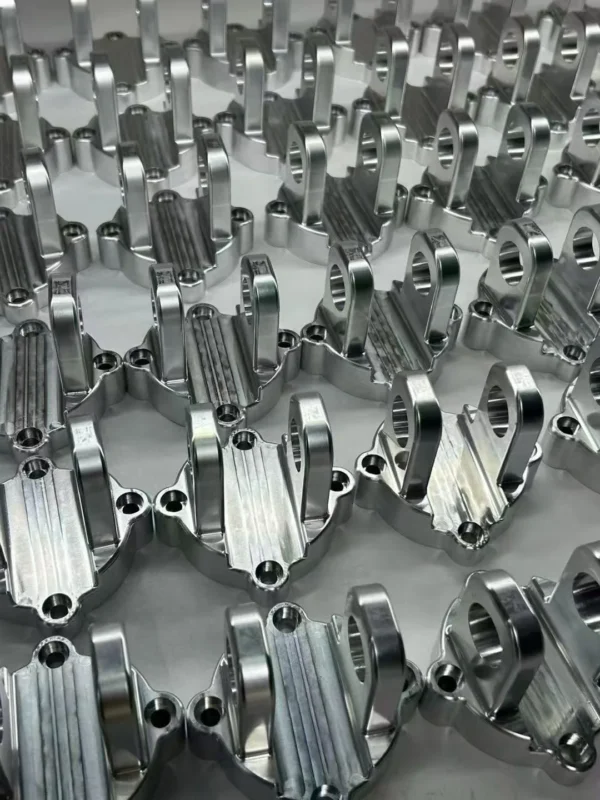
17-4PH H900 CNC Prototype Inspection: Heat Treatment, Critical Dimensions and First-Article Evidence
Specify 17-4PH H900 CNC prototypes with material identity, heat-treatment records, final dimensions and a clearly defined first-article inspection scope.
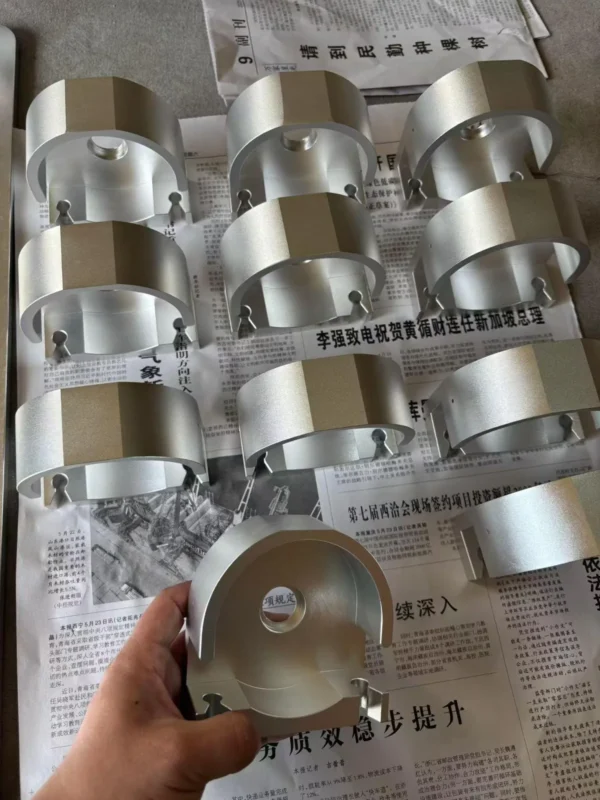
Inspecting Thin-Wall CNC Parts: Free-State Shape, Clamping and Functional Acceptance
Define thin-wall CNC acceptance through free-state shape, supports, clamping, datums and finished assembly checks before approving the first article.

CNC Machining Cost for Prototypes and Small Batches: A Buyer’s Quote Guide
Compare CNC machining quotes for prototypes and small batches by material, setup, finish and inspection scope before approving your manufacturing order.
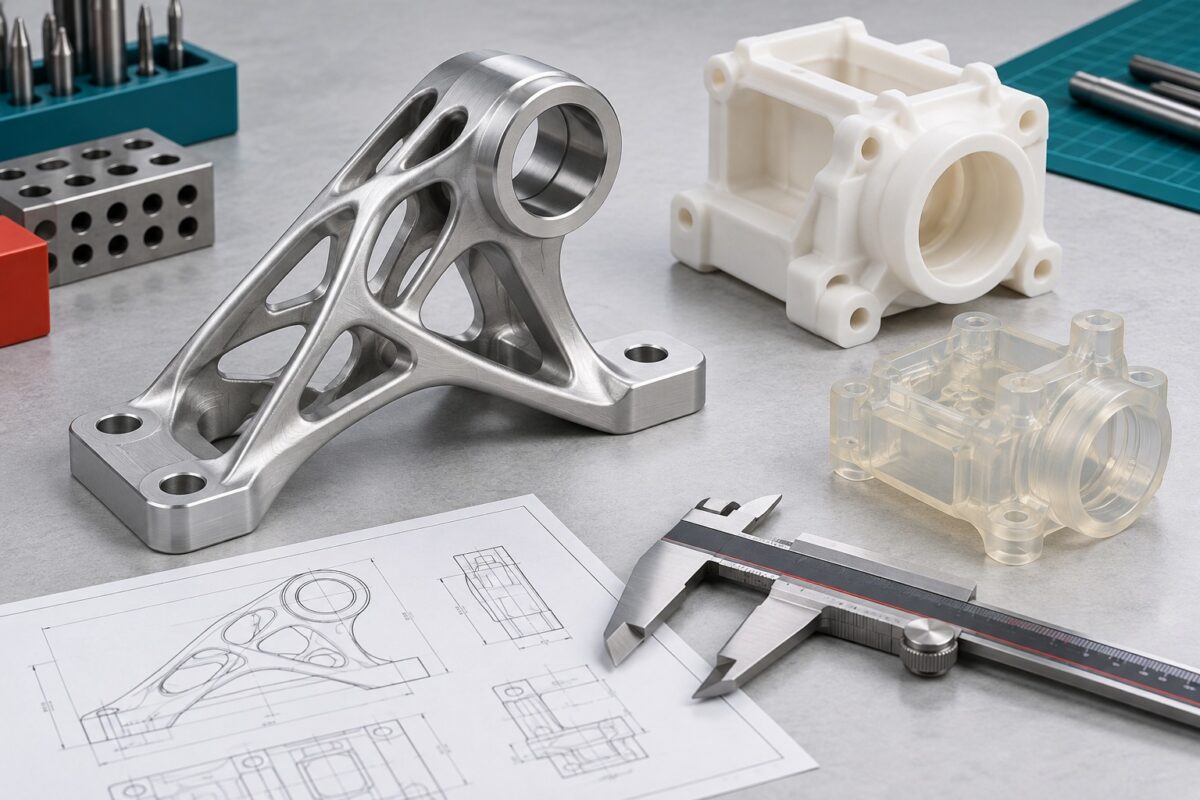
TCT Shenzhen 2026: 5 Additive Manufacturing Trends That Matter to Industrial Buyers
Explore five TCT Shenzhen 2026 themes through an industrial buyer lens: metal AM, thermal design, digital workflows, qualification and sourcing.
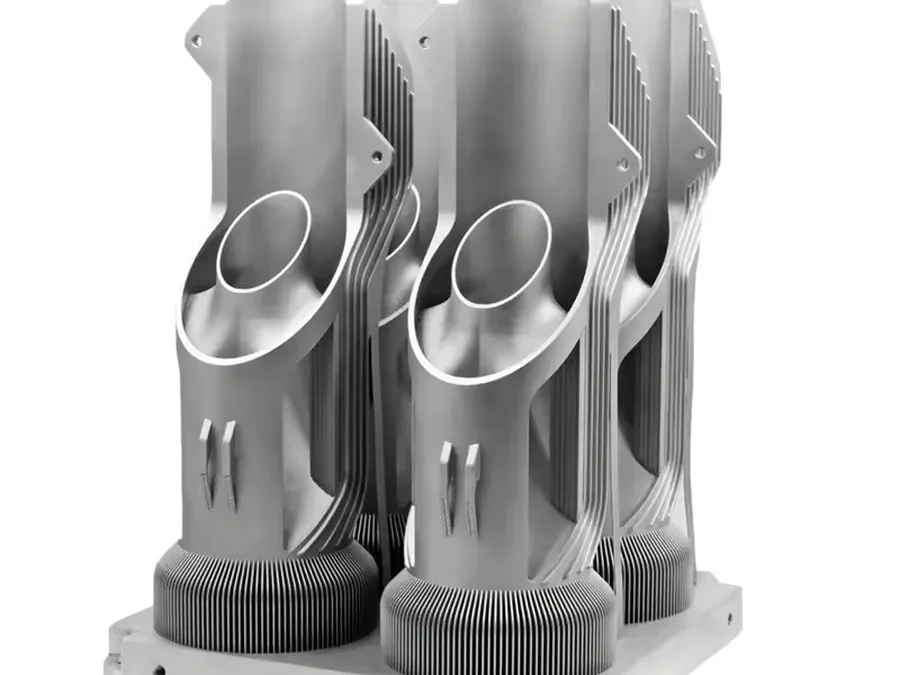
Hybrid Metal 3D Printing and CNC for Critical Surfaces
Plan metal additive manufacturing and CNC finishing as one route. Review support removal, machining access, datum surfaces and stock allowances before ordering parts with critical bores, threads or mating faces.
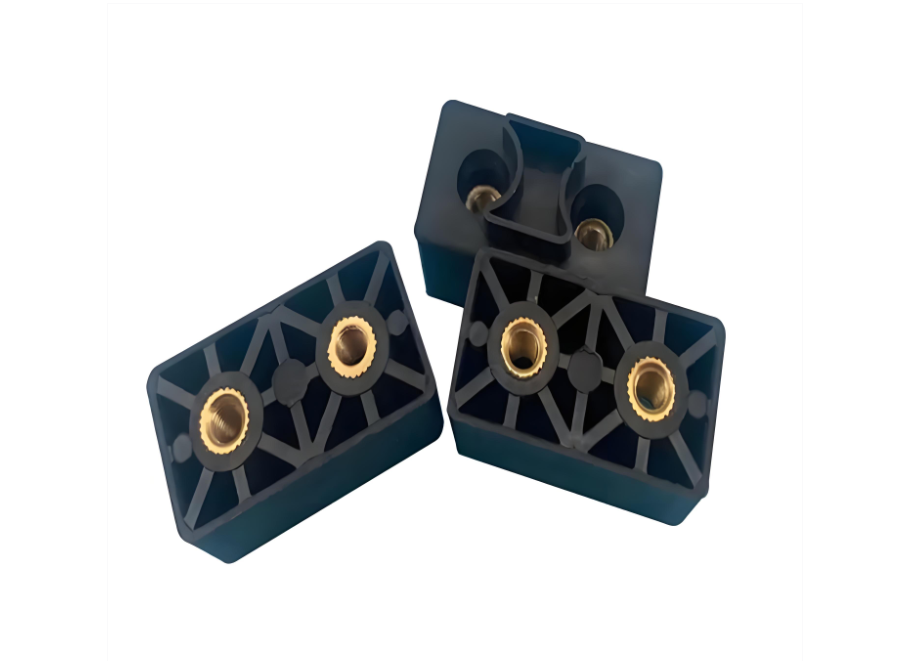
Threaded Inserts in Prototype Parts: Design Notes for Plastics and Metal Assemblies
Specify threaded inserts around screw size, boss geometry, material and repeated assembly needs. Identify installation and acceptance requirements early to reduce damaged prototypes, loose fasteners and unclear supplier quotations.
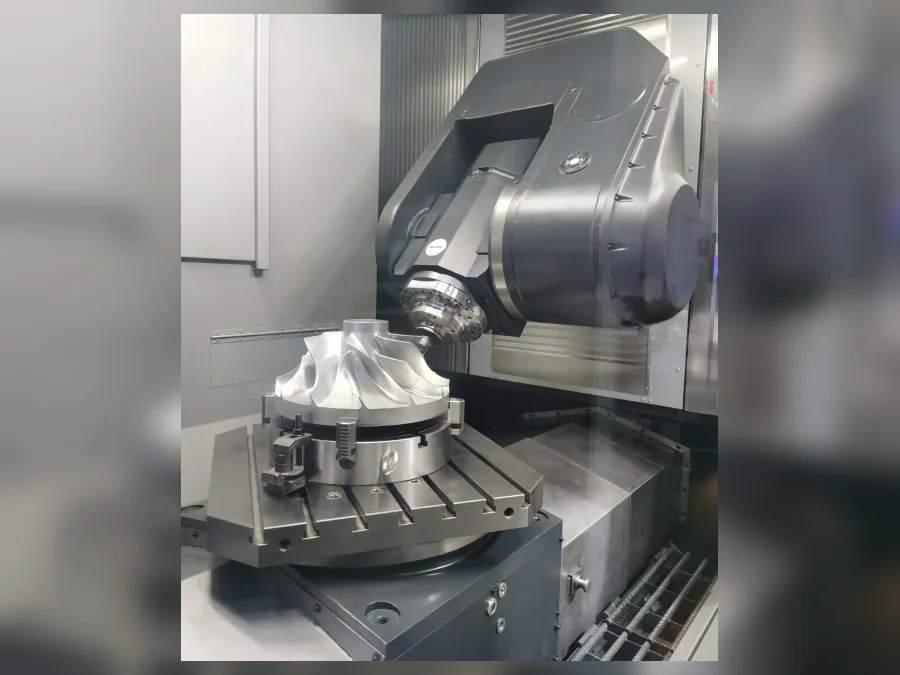
CNC or 3D Printing? DFM Review for Functional Prototypes
Choose CNC machining or 3D printing by reviewing geometry, material behavior, critical interfaces and test objectives. Compare finished-part requirements and inspection evidence before committing a functional prototype to either manufacturing route.
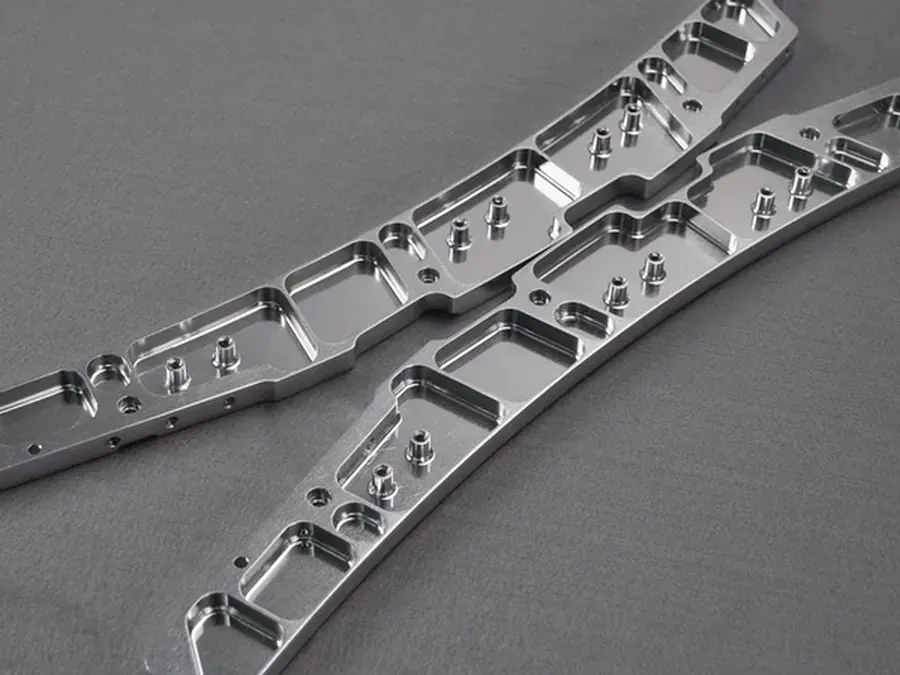
DFM Review Before Prototype Manufacturing: What International Buyers Should Send
Send CAD, drawings, material targets and functional priorities for a useful DFM review. Highlight unresolved tolerances, finishing and inspection decisions so suppliers can flag manufacturing risks before prototype production begins.
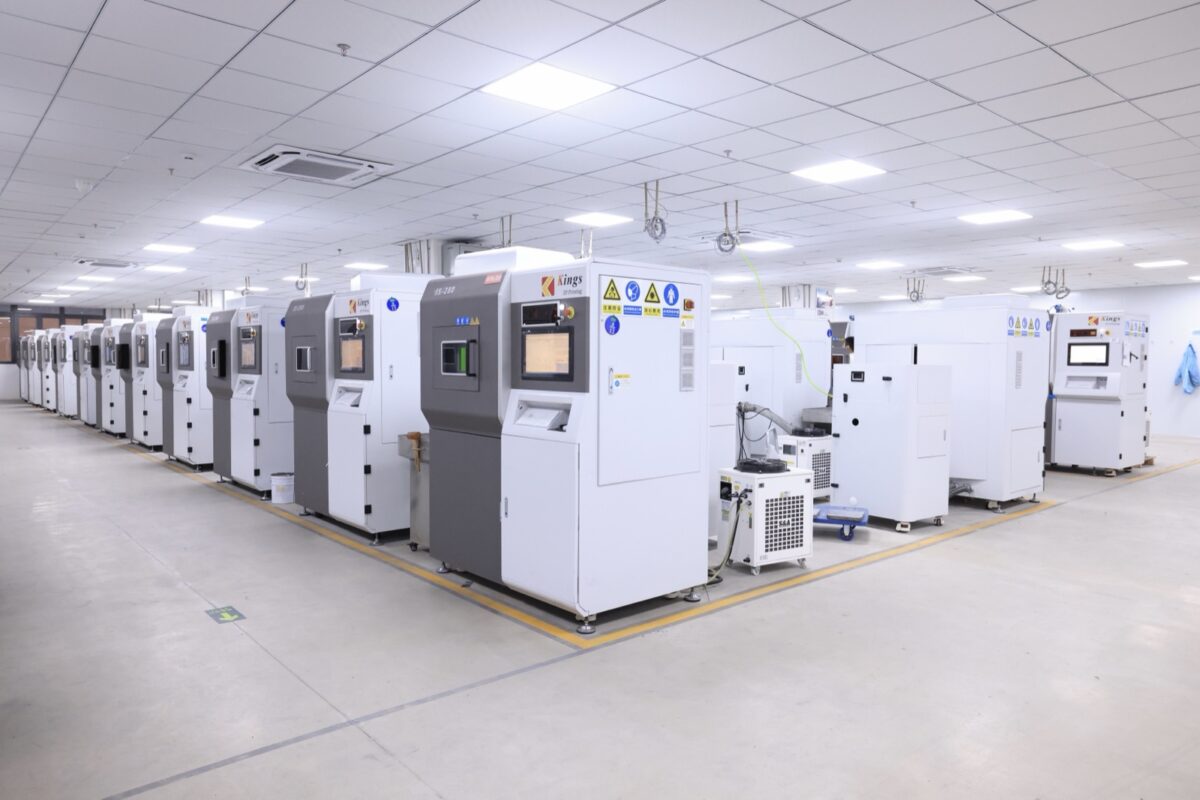
Metal 3D Printing vs CNC Machining: Process Choice for Precision Metal Parts
Compare metal 3D printing and CNC machining for precision parts, including geometry, material condition, finishing, inspection and total cost.